Flexible Printed Circuit Boards: Revolutionizing Modern Electronics
Introduction
In the rapidly evolving world of electronics, the demand for compact, lightweight, and highly reliable components has never been greater. Flexible Printed Circuit Boards (Flex PCBs) have emerged as a critical technology that addresses these demands, enabling the development of innovative products across various industries. From consumer electronics to medical devices, automotive systems, and aerospace applications, Flex PCBs have become an indispensable part of modern engineering. This article explores the fundamentals of Flex PCBs, their advantages, manufacturing processes, applications, and future trends.
What are Flexible Printed Circuit Boards?
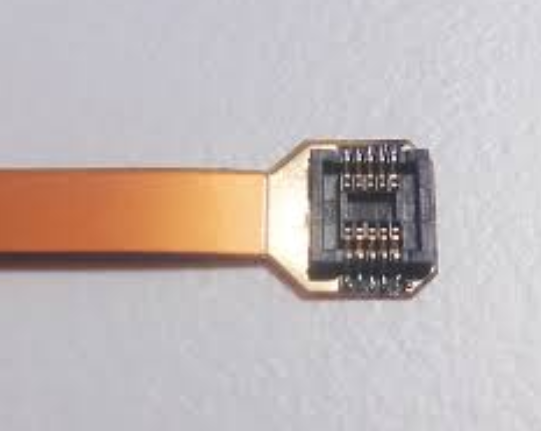
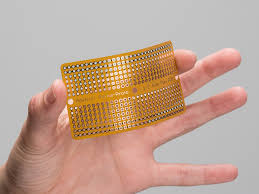
Flexible Printed Circuit Boards, or Flex PCBs, are a type of printed circuit board that can bend, fold, and twist without losing functionality. Unlike traditional rigid PCBs, which are made from solid materials like fiberglass, Flex PCBs are constructed using flexible substrates such as polyimide or polyester. These materials provide the necessary flexibility while maintaining electrical performance.
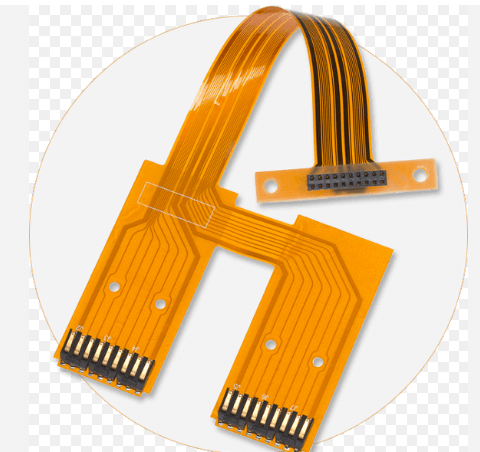
A Flex PCB typically consists of multiple layers, including a conductive layer (usually copper), a dielectric layer (the flexible substrate), and a protective cover layer. The conductive traces are etched onto the flexible substrate, allowing electrical signals to pass through. The result is a lightweight, durable, and highly adaptable circuit board that can conform to complex shapes and fit into tight spaces.
Advantages of Flex PCBs
- Space and Weight Savings
One of the most significant advantages of Flex PCBs is their ability to reduce space and weight in electronic devices. Their thin and flexible nature allows them to be integrated into compact designs, making them ideal for portable devices like smartphones, wearables, and drones. - Enhanced Durability
Flex PCBs are designed to withstand mechanical stress, including bending, twisting, and vibration. This makes them highly durable and suitable for applications in harsh environments, such as automotive and aerospace systems. - Improved Reliability
By eliminating the need for connectors and cables, Flex PCBs reduce the number of potential failure points in a circuit. This enhances the overall reliability of the electronic system. - Design Flexibility
Flex PCBs can be customized to fit unique shapes and configurations, enabling engineers to create innovative designs that would be impossible with rigid PCBs. This flexibility is particularly valuable in applications like medical devices, where space is limited, and the circuit must conform to the shape of the device. - Cost Efficiency
While the initial cost of Flex PCBs may be higher than rigid PCBs, they can reduce overall system costs by simplifying assembly, reducing material usage, and improving reliability.
Manufacturing Process of Flex PCBs
The manufacturing process of Flex PCBs involves several steps, each requiring precision and expertise. Here is an overview of the key stages:
- Material Selection
The process begins with selecting the appropriate materials, including the flexible substrate (e.g., polyimide), conductive layers (e.g., copper), and protective cover layers. - Circuit Design
Engineers design the circuit layout using specialized software, taking into account the mechanical and electrical requirements of the application. - Etching
The conductive layer is laminated onto the flexible substrate, and the circuit pattern is etched onto the copper using photolithography or laser direct imaging (LDI). - Layer Bonding
For multi-layer Flex PCBs, the individual layers are bonded together using heat and pressure. Adhesive materials or adhesiveless bonding techniques may be used. - Drilling and Plating
Holes are drilled into the board to create vias, which connect different layers of the circuit. These holes are then plated with conductive material to ensure electrical continuity. - Coverlay Application
A protective cover layer, known as a coverlay, is applied to shield the circuit from environmental factors like moisture, dust, and mechanical damage. - Testing and Inspection
The finished Flex PCB undergoes rigorous testing to ensure it meets the required electrical and mechanical specifications. Automated optical inspection (AOI) and electrical testing are commonly used. - Cutting and Finishing
The Flex PCB is cut to the desired shape, and any additional finishing processes, such as surface finishing or stiffener attachment, are completed.
Applications of Flex PCBs
Flex PCBs are used in a wide range of industries due to their versatility and performance. Some of the most notable applications include:
- Consumer Electronics
Flex PCBs are widely used in smartphones, tablets, laptops, and wearables. Their ability to fit into compact spaces and withstand repeated bending makes them ideal for these devices. - Medical Devices
In the medical field, Flex PCBs are used in devices like pacemakers, hearing aids, and imaging equipment. Their flexibility and reliability are critical for ensuring patient safety and device performance. - Automotive Systems
Modern vehicles rely on Flex PCBs for applications such as infotainment systems, sensors, and lighting. Their durability and resistance to vibration make them well-suited for the automotive environment. - Aerospace and Defense
Flex PCBs are used in satellites, aircraft, and military equipment, where weight savings and reliability are paramount. - Industrial Equipment
In industrial settings, Flex PCBs are used in robotics, automation systems, and sensors. Their ability to withstand harsh conditions and mechanical stress makes them a preferred choice. - Internet of Things (IoT)
The growing IoT ecosystem relies on Flex PCBs for compact and energy-efficient devices, such as smart home sensors and wearable health monitors.
Challenges and Considerations
While Flex PCBs offer numerous benefits, they also present certain challenges that must be addressed during design and manufacturing:
- Cost
The materials and processes used in Flex PCB manufacturing can be more expensive than those for rigid PCBs. However, the long-term benefits often justify the initial investment. - Design Complexity
Designing Flex PCBs requires specialized knowledge and tools. Engineers must consider factors like bend radius, mechanical stress, and thermal management to ensure optimal performance. - Manufacturing Precision
The production of Flex PCBs demands high precision and quality control. Any defects or inconsistencies can compromise the functionality of the board. - Material Limitations
While flexible substrates offer many advantages, they may have limitations in terms of thermal conductivity and mechanical strength compared to rigid materials.
Future Trends in Flex PCB Technology
As technology continues to advance, Flex PCBs are expected to play an even more significant role in shaping the future of electronics. Some of the key trends to watch include:
- Miniaturization
The demand for smaller and more compact devices will drive the development of ultra-thin and high-density Flex PCBs. - Integration with Rigid PCBs
Rigid-flex PCBs, which combine the benefits of both rigid and flexible circuits, are gaining popularity for applications that require both durability and flexibility. - Advanced Materials
Researchers are exploring new materials with improved thermal, mechanical, and electrical properties to enhance the performance of Flex PCBs. - 3D Printing
Additive manufacturing techniques, such as 3D printing, are being investigated as a potential method for producing Flex PCBs with complex geometries. - Sustainability
As environmental concerns grow, there is increasing interest in developing eco-friendly materials and processes for Flex PCB manufacturing.
Conclusion
Flexible Printed Circuit Boards have revolutionized the electronics industry by offering unparalleled flexibility, durability, and reliability. Their ability to adapt to complex shapes and harsh environments has made them a cornerstone of modern technology. As the demand for smaller, lighter, and more efficient devices continues to grow, Flex PCBs will remain at the forefront of innovation, enabling the development of cutting-edge products across a wide range of industries. With ongoing advancements in materials, manufacturing techniques, and design tools, the future of Flex PCBs looks brighter than ever.