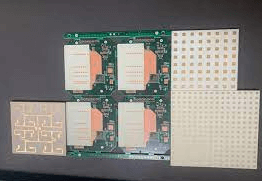
Fr4 94v0 high frequency pcb circuit board
Understanding the Benefits of FR4 94V0 High Frequency PCB Circuit Boards
FR4 94V0 high frequency PCB circuit boards have become a cornerstone in the realm of modern electronics, offering a multitude of benefits that cater to the ever-evolving demands of technology. These circuit boards are distinguished by their unique composition and properties, which make them particularly suitable for high-frequency applications. Understanding the advantages of FR4 94V0 high frequency PCB circuit boards requires an exploration of their material characteristics, performance capabilities, and the specific applications they serve.
At the heart of FR4 94V0 circuit boards is the FR4 material, a composite made from woven fiberglass cloth with an epoxy resin binder that is flame resistant.
The “94V0” designation refers to the board’s compliance with the UL94 V-0 flammability standard, indicating that the material is self-extinguishing and will not continue to burn after the ignition source is removed. This property is crucial for ensuring safety and reliability in electronic devices, particularly in environments where high temperatures or electrical surges are common.
One of the primary benefits of FR4 94V0 high frequency PCB circuit boards is their excellent thermal stability.
This characteristic is essential for maintaining performance in high-frequency applications, where heat generation can be significant. The ability of these boards to withstand elevated temperatures without degrading ensures that they can support the rapid signal transmission required in advanced electronic systems. Moreover, the thermal stability of FR4 94V0 boards contributes to their longevity, reducing the need for frequent replacements and thereby lowering maintenance costs.
In addition to thermal stability, FR4 94V0 high frequency PCB circuit boards offer superior electrical insulation properties.
This is particularly important in high-frequency applications, where signal integrity is paramount. The low dielectric constant and loss tangent of FR4 material minimize signal loss and distortion, allowing for clearer and more accurate signal transmission. This makes these boards ideal for use in telecommunications, radio frequency (RF) applications, and other areas where high-speed data transfer is critical.
Furthermore, the mechanical strength of FR4 94V0 boards is another significant advantage.
The fiberglass reinforcement provides a robust structure that can withstand mechanical stress and environmental factors such as humidity and vibration. This durability ensures that the boards can maintain their performance over time, even in challenging conditions. As a result, they are often employed in aerospace, automotive, and industrial applications, where reliability and resilience are non-negotiable.
The versatility of FR4 94V0 high frequency PCB circuit boards also extends to their adaptability in various design configurations.
They can be easily customized to meet specific requirements, whether it involves multi-layer designs or complex routing patterns. This flexibility allows engineers to optimize the layout for enhanced performance, making these boards a preferred choice for a wide range of electronic devices.
In conclusion, FR4 94V0 high frequency PCB circuit boards offer a host of benefits that make them indispensable in the field of electronics. Their thermal stability, electrical insulation properties, mechanical strength, and design versatility collectively contribute to their widespread adoption in high-frequency applications. As technology continues to advance, the demand for reliable and efficient circuit boards like FR4 94V0 is expected to grow, underscoring their critical role in the development of cutting-edge electronic systems.
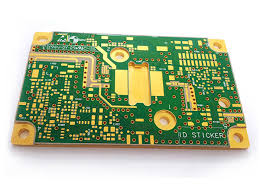
Design Considerations for FR4 94V0 High Frequency PCB Applications
When designing high-frequency printed circuit boards (PCBs) using FR4 94V0 material, several critical considerations must be taken into account to ensure optimal performance and reliability. FR4 94V0 is a flame-retardant material commonly used in PCB manufacturing due to its excellent mechanical and electrical properties. However, its application in high-frequency circuits requires careful attention to detail, as the performance of such circuits is highly sensitive to the characteristics of the materials and design techniques employed.
To begin with, one of the primary considerations in designing high-frequency PCBs is the dielectric constant of the substrate material.
FR4 94V0 has a relatively high dielectric constant compared to other materials specifically designed for high-frequency applications. This can lead to signal integrity issues, such as increased signal loss and dispersion, which can degrade the performance of the circuit. Therefore, it is crucial to carefully evaluate the dielectric properties of FR4 94V0 and consider the potential impact on signal propagation. Designers may need to implement compensatory measures, such as impedance matching and careful trace routing, to mitigate these effects.
Moreover, the thickness of the dielectric layer plays a significant role in determining the impedance of the transmission lines on the PCB.
In high-frequency applications, maintaining consistent impedance is vital to minimize reflections and ensure efficient signal transmission. The variability in the thickness of FR4 94V0 can introduce impedance mismatches, leading to signal degradation. Consequently, precise control over the manufacturing process is essential to achieve the desired dielectric thickness and maintain uniformity across the board.
In addition to dielectric properties, the layout and routing of traces on the PCB are critical factors that influence high-frequency performance.
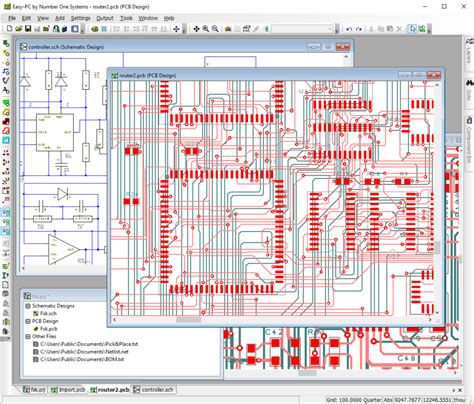
The geometry of the traces, including their width, spacing, and length, must be carefully designed to minimize parasitic inductance and capacitance. These parasitic elements can cause unwanted resonances and signal distortion, particularly at higher frequencies. To address this, designers often employ techniques such as microstrip or stripline configurations, which provide controlled impedance paths and reduce electromagnetic interference.
Furthermore, the choice of components and their placement on the PCB can significantly impact high-frequency performance.
Components with high parasitic capacitance or inductance should be avoided or minimized, as they can introduce unwanted resonances and degrade signal integrity. Additionally, the placement of components should be optimized to reduce the length of signal paths and minimize the potential for crosstalk between adjacent traces. This requires a thorough understanding of the electrical characteristics of the components and their interaction with the PCB layout.
Thermal management is another crucial consideration in the design of high-frequency PCBs using FR4 94V0.
High-frequency circuits often generate significant heat, which can affect the performance and reliability of the board. Effective thermal management strategies, such as the use of thermal vias, heat sinks, and proper airflow, are essential to dissipate heat and maintain the board’s temperature within acceptable limits.
In conclusion, designing high-frequency PCBs with FR4 94V0 material involves a comprehensive understanding of the material’s properties and their impact on circuit performance. By carefully considering factors such as dielectric properties, trace layout, component selection, and thermal management, designers can optimize the performance and reliability of high-frequency applications. Through meticulous planning and attention to detail, it is possible to overcome the challenges associated with using FR4 94V0 in high-frequency circuits and achieve successful design outcomes.
Manufacturing Challenges and Solutions for FR4 94V0 High Frequency PCBs
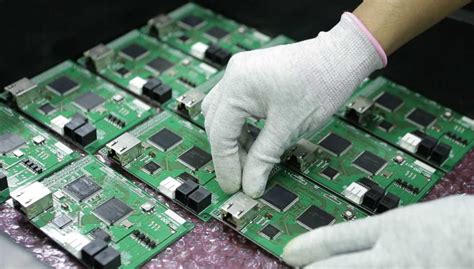
The manufacturing of FR4 94V0 high frequency printed circuit boards (PCBs) presents a unique set of challenges that require careful consideration and innovative solutions. As the demand for high-performance electronic devices continues to grow, the need for PCBs that can operate efficiently at high frequencies becomes increasingly critical. FR4 94V0, a flame-retardant material, is commonly used in the production of these PCBs due to its excellent mechanical and electrical properties. However, the transition from standard to high frequency applications introduces complexities that manufacturers must address to ensure optimal performance and reliability.
One of the primary challenges in manufacturing FR4 94V0 high frequency PCBs is maintaining signal integrity.
At high frequencies, even minor imperfections in the PCB design or material can lead to significant signal loss or distortion. This necessitates precise control over the dielectric properties of the FR4 material, as well as meticulous attention to the layout and routing of the circuit traces. To mitigate these issues, manufacturers often employ advanced simulation tools during the design phase to predict and optimize the electrical performance of the PCB. By simulating the behavior of the circuit at various frequencies, designers can identify potential problem areas and make necessary adjustments before the manufacturing process begins.
In addition to signal integrity, thermal management is another critical concern when producing high frequency PCBs.
The increased power density associated with high frequency operation can lead to elevated temperatures, which, if not properly managed, can degrade the performance and lifespan of the PCB. To address this, manufacturers may incorporate thermal vias, heat sinks, or other cooling mechanisms into the PCB design. Furthermore, selecting the appropriate solder mask and surface finish can also play a significant role in enhancing thermal performance. By carefully balancing these factors, manufacturers can ensure that the PCB operates within safe temperature limits, thereby enhancing its reliability and durability.
Another challenge lies in the precise fabrication and assembly processes required for high frequency PCBs.
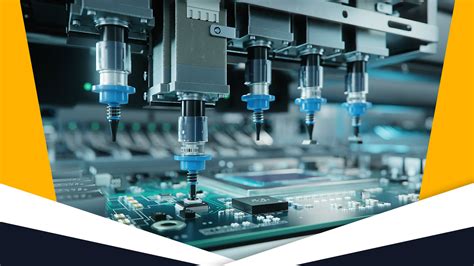
The miniaturization of components and the need for tighter tolerances demand advanced manufacturing techniques and equipment. For instance, laser drilling and precision etching are often employed to achieve the fine features necessary for high frequency applications. Additionally, the assembly process must be meticulously controlled to prevent defects such as solder bridging or misalignment, which can severely impact the performance of the PCB. Implementing rigorous quality control measures throughout the manufacturing process is essential to ensure that each PCB meets the stringent requirements of high frequency applications.
Despite these challenges, several solutions have emerged to facilitate the successful production of FR4 94V0 high frequency PCBs.
Collaboration between designers and manufacturers is crucial to address potential issues early in the development process. By working closely together, they can leverage their combined expertise to optimize the design and manufacturing processes. Moreover, ongoing advancements in materials science and manufacturing technology continue to provide new opportunities for improving the performance and reliability of high frequency PCBs. For example, the development of low-loss dielectric materials and more efficient fabrication techniques holds promise for overcoming some of the current limitations associated with FR4 94V0.
In conclusion, while the manufacturing of FR4 94V0 high frequency PCBs presents several challenges, a combination of careful design, advanced manufacturing techniques, and effective collaboration can lead to successful outcomes. As technology continues to evolve, the ability to produce high frequency PCBs that meet the demands of modern electronic applications will remain a critical focus for manufacturers. By addressing the challenges head-on and embracing innovative solutions, the industry can continue to advance and meet the ever-growing needs of high-performance electronics.
Comparing FR4 94V0 with Other Materials for High Frequency PCB Circuits
When designing high-frequency printed circuit boards (PCBs), the choice of substrate material is crucial to ensure optimal performance and reliability. Among the various materials available, FR4 94V0 is a popular choice due to its balance of cost-effectiveness and performance. However, it is essential to compare FR4 94V0 with other materials to understand its advantages and limitations in high-frequency applications.
FR4 94V0 is a flame-retardant grade of the standard FR4 material, which is a composite of woven fiberglass cloth with an epoxy resin binder.
This material is widely used in the electronics industry due to its excellent mechanical strength, good thermal stability, and cost efficiency. The “94V0” designation indicates that the material meets the UL 94V-0 flammability standard, meaning it is self-extinguishing and does not propagate flames. These properties make FR4 94V0 a reliable choice for many general-purpose PCB applications.
However, when it comes to high-frequency circuits, the dielectric properties of the substrate material become a critical factor.
FR4 94V0 has a relatively high dielectric constant and loss tangent compared to specialized high-frequency materials. This can lead to signal integrity issues such as increased signal loss and impedance mismatches, which are detrimental to the performance of high-frequency circuits. Therefore, while FR4 94V0 is suitable for many applications, it may not be the best choice for circuits operating at microwave frequencies or higher.
In contrast, materials such as Rogers RO4000 series, PTFE (Polytetrafluoroethylene), and ceramic-filled laminates are specifically engineered for high-frequency applications.
These materials offer lower dielectric constants and loss tangents, which help minimize signal loss and maintain signal integrity at higher frequencies. For instance, PTFE-based substrates are known for their excellent electrical properties and are often used in RF and microwave circuits. However, these materials tend to be more expensive and may require specialized manufacturing processes, which can increase the overall cost of the PCB.
Another consideration is the thermal management capabilities of the substrate material.
High-frequency circuits often generate significant heat, and efficient thermal dissipation is essential to prevent overheating and ensure long-term reliability. While FR4 94V0 provides adequate thermal performance for many applications, high-frequency materials like ceramic-filled laminates offer superior thermal conductivity, making them more suitable for high-power applications.
Moreover, the mechanical properties of the substrate material can impact the manufacturability and durability of the PCB.
FR4 94V0 is known for its robust mechanical strength, which facilitates easy handling and processing during PCB fabrication. In contrast, some high-frequency materials, such as PTFE, can be softer and more challenging to process, requiring careful handling to avoid damage during manufacturing.
In conclusion, while FR4 94V0 is a versatile and cost-effective material for many PCB applications, its limitations in high-frequency performance necessitate careful consideration when designing circuits that operate at higher frequencies. By comparing FR4 94V0 with other high-frequency materials, designers can make informed decisions that balance performance, cost, and manufacturability. Ultimately, the choice of substrate material should align with the specific requirements of the application, ensuring optimal performance and reliability in high-frequency PCB circuits.