Global Leaders in PCB Manufacturing: Industry Giants Unveiled
Key Takeaways
When exploring the PCB manufacturing landscape, you’ll find that the industry’s largest players combine scale, innovation, and strategic geographic presence to dominate global electronics. The top PCB manufacturing companies leverage cutting-edge technologies like high-density interconnect (HDI) boards and flexible circuits to meet evolving demands, ensuring their leadership in sectors like automotive, aerospace, and consumer electronics. Understanding PCB manufacturing cost dynamics is critical—factors such as material selection, layer complexity, and production volume directly influence pricing, making cost optimization a priority for both suppliers and buyers.
Regional powerhouses in Asia, North America, and Europe drive over 80% of global PCB manufacturing business, with China alone accounting for nearly half of worldwide production. Companies like Andwin PCBA exemplify this dominance, offering end-to-end solutions that blend precision engineering with rapid prototyping. Sustainability is also rising as a key focus, with leading firms adopting eco-friendly materials, reducing waste, and investing in energy-efficient processes to align with global environmental standards.
Emerging markets in Southeast Asia and Africa present growth opportunities, fueled by increasing electronics adoption and localized manufacturing incentives. However, challenges like supply chain volatility and rising raw material costs require agile strategies to maintain competitiveness. By prioritizing R&D and automation, PCB manufacturing leaders continue to push boundaries, ensuring their role as indispensable partners in the tech-driven future.
Introduction to PCB Manufacturing’s Role in Global Electronics
When you use a smartphone, drive a car, or rely on medical equipment, you’re interacting with products powered by PCB manufacturing. Printed Circuit Boards (PCBs) are the backbone of modern electronics, enabling connectivity and functionality across industries. The PCB manufacturing business is a multi-billion-dollar sector, driven by innovation and precision. Leading PCB manufacturing companies have mastered the art of balancing PCB manufacturing cost with quality, ensuring that devices remain affordable without compromising performance.
“The efficiency of electronic devices hinges on the reliability of their PCBs. Investing in advanced manufacturing processes isn’t optional—it’s essential for staying competitive.”
From consumer electronics to aerospace, PCB manufacturing supports critical applications. Companies in this space operate at massive scales, leveraging automation and cutting-edge materials to meet global demand. However, managing PCB manufacturing cost involves navigating complex supply chains, material shortages, and energy-intensive processes. This challenge has pushed industry leaders to adopt lean practices and renewable energy solutions, reducing waste and operational expenses.
The geographic spread of PCB manufacturing companies also plays a pivotal role. While Asia dominates production due to cost advantages, North America and Europe focus on high-reliability sectors like defense and automotive. This regional specialization ensures that no single market dictates global supply, creating resilience in the face of disruptions.
Sustainability is another key focus. Major players are prioritizing eco-friendly materials and recycling programs, aligning with global regulations and consumer expectations. For businesses entering the PCB manufacturing business, understanding these trends is critical. Whether optimizing PCB manufacturing cost or scaling production, success hinges on agility and foresight.
Ultimately, the evolution of PCB manufacturing reflects broader technological progress. As devices become smarter and smaller, the industry’s giants continue to push boundaries—proving that even the most unassuming components can shape the future of innovation.
Profiling the Top 5 Industry Leaders in PCB Production
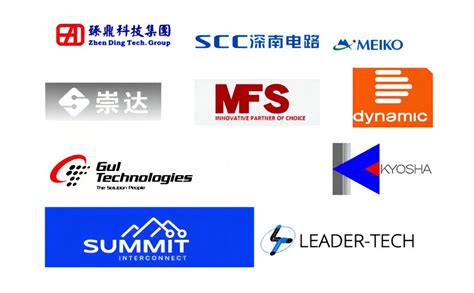
When you look at the PCB manufacturing landscape, a handful of companies stand out as global powerhouses. These PCB manufacturing companies combine scale, innovation, and geographic reach to dominate the industry. At the forefront is Zhen Ding Technology, which leverages cutting-edge processes to produce high-density interconnect (HDI) boards for smartphones and automotive systems. Their ability to balance PCB manufacturing cost with precision engineering makes them a preferred partner for tech giants.
Next, Unimicron Technology has carved a niche in advanced substrate solutions, catering to semiconductor packaging and server applications. Their investments in R&D ensure they stay ahead in miniaturization and thermal management—critical factors as devices shrink and power demands rise. Meanwhile, TTM Technologies excels in aerospace and defense applications, offering ruggedized boards that meet stringent reliability standards. Their vertically integrated PCB manufacturing business model allows them to control quality from design to delivery.
Samsung Electro-Mechanics (SEMCO) brings its semiconductor expertise to PCB manufacturing, delivering ultra-thin flexible boards for wearables and foldable devices. Their focus on 5G infrastructure components highlights how leading firms adapt to emerging tech trends. Rounding out the top five is Tripod Technology, a leader in multi-layer boards for industrial automation and renewable energy systems. Their emphasis on sustainability—such as reducing chemical waste in production—sets a benchmark for eco-conscious practices.
What ties these giants together is their mastery of PCB manufacturing cost optimization without compromising quality. By automating workflows and adopting AI-driven defect detection, they streamline operations while scaling output. For businesses navigating the PCB manufacturing business, partnering with these leaders ensures access to global supply chains and cutting-edge solutions. Whether you’re prototyping or mass-producing, their capabilities underscore why they remain indispensable to electronics innovation.
Market Dominance: Key Players Driving PCB Innovation
When you look at the PCB manufacturing landscape, a handful of industry giants stand out for their ability to shape global electronics through scale, innovation, and strategic investments. Companies like TTM Technologies, Zhen Ding Technology, and Unimicron dominate the sector, leveraging advanced production capabilities to meet rising demand for high-density interconnects (HDIs) and flexible circuits. These PCB manufacturing companies collectively account for over 30% of the global market share, driven by their focus on precision engineering and cutting-edge R&D. Their dominance isn’t just about volume—it’s about redefining PCB manufacturing cost structures through automation, material optimization, and vertically integrated supply chains.
What sets these leaders apart is their commitment to solving complex challenges in PCB manufacturing business models. For instance, they’re pioneering embedded component technology and advanced substrate materials to support next-gen applications like 5G infrastructure, AI-driven devices, and electric vehicles. By investing in AI-powered quality control systems and IoT-enabled factories, they’ve reduced defects by up to 40% while accelerating time-to-market. This innovation isn’t purely technical; it’s also economic. By streamlining workflows and adopting sustainable practices—such as recycling copper from production waste—they’ve managed to balance PCB manufacturing cost pressures with environmental responsibility.
Geographic diversification further solidifies their market leadership. With manufacturing hubs spread across Asia, North America, and Europe, these firms mitigate risks from regional supply chain disruptions while catering to localized client needs. For example, a PCB manufacturing plant in Southeast Asia might focus on cost-sensitive consumer electronics, while a European facility prioritizes high-reliability boards for automotive or aerospace sectors. This agility allows them to serve industries as diverse as healthcare, defense, and renewable energy, ensuring steady revenue streams even during market fluctuations.
Ultimately, the success of these PCB manufacturing companies hinges on their ability to anticipate trends. Whether it’s adopting additive manufacturing for rapid prototyping or collaborating with semiconductor giants to co-design integrated solutions, they’re setting the pace for an industry where innovation and efficiency are non-negotiable.
Technological Advancements and R&D Investments by Leading Firms
When exploring the PCB manufacturing landscape, you’ll notice that industry leaders prioritize cutting-edge innovation to maintain their competitive edge. Top PCB manufacturing companies allocate significant resources to research and development (R&D), enabling breakthroughs in areas like high-density interconnect (HDI) boards, flexible circuits, and advanced materials optimized for 5G and IoT applications. For instance, firms are integrating AI-driven automation to streamline production lines, reducing PCB manufacturing cost while improving precision and yield rates. These advancements not only enhance product performance but also address the growing demand for miniaturized, energy-efficient electronics.
Investments in R&D also focus on sustainability, a critical factor in modern PCB manufacturing business strategies. Companies are developing eco-friendly processes, such as lead-free soldering and recyclable substrate materials, to align with global environmental standards. Additionally, advancements in additive manufacturing (3D printing) and laser direct imaging (LDI) are reducing material waste, further lowering costs and production timelines. By leveraging these technologies, manufacturers can deliver faster turnaround times without compromising quality—a key advantage in industries like automotive, aerospace, and consumer electronics.
Collaborations with academic institutions and tech startups further amplify innovation. For example, partnerships in nanotechnology are yielding ultra-thin conductive layers, while joint ventures in semiconductor integration are pushing the boundaries of embedded component PCBs. Such initiatives ensure that PCB manufacturing companies stay ahead of market demands, whether in creating boards for autonomous vehicles or next-gen wearables.
Ultimately, the relentless pursuit of technological excellence defines the trajectory of global PCB manufacturing. As these firms continue to invest in R&D, they not only reshape production capabilities but also redefine what’s possible in electronics design—proving that innovation is the cornerstone of sustained leadership in this dynamic industry.
Sustainability Practices Among Major PCB Manufacturers
When exploring the PCB manufacturing sector, you’ll notice that leading PCB manufacturing companies prioritize sustainability as a core pillar of their operations. Reducing environmental impact isn’t just a trend—it’s a necessity for maintaining long-term competitiveness and meeting global regulatory standards. Many industry giants now integrate advanced waste-reduction techniques, such as recycling copper from production scraps or adopting closed-loop water systems to minimize resource consumption. For instance, some firms have cut water usage by over 40% through innovative filtration technologies, directly lowering PCB manufacturing cost while conserving ecosystems.
Energy efficiency is another critical focus. Top players invest in renewable energy sources like solar or wind power to fuel factories, reducing reliance on fossil fuels. This shift not only slashes carbon footprints but also stabilizes energy expenses—a strategic move in the volatile PCB manufacturing business. Additionally, lean manufacturing principles help optimize material usage, further trimming waste and costs.
Material innovation plays a pivotal role too. Companies are transitioning to halogen-free laminates and biodegradable substrates, which align with stricter global regulations on hazardous substances. While these eco-friendly materials may initially raise PCB manufacturing cost, they enhance product lifecycle sustainability, appealing to clients who prioritize green supply chains.
Certifications like ISO 14001 and R2 (Responsible Recycling) are now common benchmarks, signaling a firm’s commitment to ethical practices. Transparency in reporting emissions and recycling rates has also become a differentiator, fostering trust among stakeholders.
However, balancing sustainability with profitability remains a challenge. Smaller PCB manufacturing companies often struggle to fund green initiatives, while larger firms leverage scale to absorb upfront investments. Partnerships with suppliers to source conflict-free minerals or recycled metals are becoming essential to meet both environmental and social governance (ESG) goals.
By adopting these practices, leaders in PCB manufacturing aren’t just complying with regulations—they’re reshaping the industry’s future, proving that ecological responsibility and business success can coexist.
Emerging Markets and Growth Opportunities in the PCB Sector
As global demand for electronics surges, PCB manufacturing companies are increasingly turning their attention to emerging markets, where rapid urbanization, expanding middle-class populations, and government-backed tech initiatives are fueling growth. Regions like Southeast Asia, Latin America, and Africa are becoming hotspots for PCB manufacturing business expansion, driven by lower pcb manufacturing cost structures and access to untapped consumer bases. For instance, countries such as India and Vietnam are attracting investments with favorable policies, skilled labor pools, and infrastructure upgrades tailored to high-tech industries.
You’ll notice that automotive electrification and 5G infrastructure rollout are key drivers here, creating opportunities for flexible and high-density circuit boards. In Latin America, Brazil and Mexico are emerging as regional hubs, leveraging proximity to North American markets to streamline supply chains. Meanwhile, African nations are prioritizing local electronics production, reducing reliance on imports and fostering partnerships with global PCB manufacturing leaders.
To stay competitive, companies are adopting strategies like modular production setups and automation to balance scalability with cost efficiency. Innovations in materials science—such as biodegradable substrates and advanced thermal management solutions—are also reshaping pcb manufacturing practices, aligning with sustainability goals while addressing performance demands.
For businesses eyeing these markets, understanding regional regulations and cultural nuances is critical. While labor and operational costs may be lower, navigating logistics and ensuring quality consistency remain challenges. However, the long-term payoff lies in securing early-mover advantages in markets poised to dominate tomorrow’s tech landscape. By aligning R&D with local needs—think IoT devices for smart agriculture or affordable medical electronics—pcb manufacturing companies can cement their role as enablers of global digital transformation.
Future Trends and Challenges for Global PCB Industry Giants
As PCB manufacturing evolves, industry leaders face a dynamic landscape shaped by technological innovation, shifting market demands, and sustainability imperatives. Advanced technologies like 5G, IoT, and AI are driving the need for high-density interconnect (HDI) boards and flexible circuits, pushing PCB manufacturing companies to invest heavily in R&D. However, rising PCB manufacturing cost—fueled by material shortages, geopolitical tensions, and energy price volatility—remains a critical hurdle. Balancing cost-efficiency with quality is paramount, especially as smaller players leverage automation to compete with established giants.
Sustainability is no longer optional. Major firms are adopting eco-friendly practices, such as reducing chemical waste and recycling copper, to align with global regulations and consumer expectations. Yet, scaling these initiatives while maintaining profitability poses challenges. Meanwhile, emerging markets in Southeast Asia and Africa offer growth opportunities for the PCB manufacturing business, but navigating local regulations and infrastructure gaps requires strategic partnerships.
Another trend reshaping the sector is the shift toward miniaturization and high-speed data transmission, demanding precision engineering and novel materials. While leading manufacturers dominate through vertical integration, smaller innovators are carving niches in specialized segments like aerospace and medical devices. Geopolitical risks, however, loom large. Trade policies and supply chain disruptions—such as semiconductor shortages—force companies to diversify production hubs and rethink just-in-time models.
Looking ahead, the industry’s success hinges on agility. Leaders must streamline PCB manufacturing workflows, adopt AI-driven quality control, and foster talent pipelines to address skill gaps. As competition intensifies, collaboration across the value chain—from raw material suppliers to OEMs—will define who thrives in this fast-paced, high-stakes arena.
Conclusion
As you look toward the future of electronics, PCB manufacturing remains the backbone of innovation, enabling everything from consumer gadgets to industrial systems. The PCB manufacturing companies leading the global market have demonstrated their ability to balance scale, precision, and adaptability, ensuring they meet the evolving demands of industries like automotive, aerospace, and telecommunications. By prioritizing cutting-edge R&D and strategic investments in automation, these firms are not only streamlining PCB manufacturing cost but also enhancing production efficiency, which directly benefits businesses reliant on high-quality circuit boards.
Geographic diversity plays a critical role in sustaining the PCB manufacturing business, with regional hubs in Asia, North America, and Europe leveraging local expertise and infrastructure to serve global supply chains. This decentralized approach mitigates risks while fostering collaboration across markets. Sustainability has also become a cornerstone for industry giants, as many now integrate eco-friendly materials and energy-efficient processes to reduce their environmental footprint—a move that aligns with both regulatory standards and consumer expectations.
Emerging markets, particularly in regions like Southeast Asia and Africa, present untapped opportunities for expansion, driven by rising demand for affordable electronics. However, challenges such as supply chain volatility and the need for skilled labor persist, requiring continuous innovation. For businesses navigating this sector, partnering with established PCB manufacturing companies offers a pathway to leverage advanced technologies while managing PCB manufacturing cost effectively. Ultimately, the industry’s ability to adapt to trends like 5G, IoT, and AI will determine its trajectory, solidifying its role as a linchpin of modern technology.
FAQs
What defines the largest PCB manufacturing companies in the global market?
The largest PCB manufacturing firms are distinguished by their production capacity, technological innovation, and geographic reach. These industry leaders invest heavily in R&D to advance circuit board design, reduce PCB manufacturing cost, and meet evolving demands for high-density interconnect (HDI) and flexible PCBs.
How do top players manage PCB manufacturing business scalability?
Leading companies optimize scalability through automation, strategic partnerships, and vertically integrated supply chains. By streamlining processes and adopting advanced manufacturing techniques, they maintain competitive pricing while ensuring quality, even for high-volume orders.
What regions dominate PCB manufacturing today?
Asia-Pacific remains the epicenter, with China, Taiwan, and South Korea housing major PCB manufacturing companies. North America and Europe also play critical roles, particularly in specialized sectors like aerospace and medical electronics, where precision and compliance are paramount.
How does sustainability impact the PCB manufacturing industry?
Top manufacturers prioritize eco-friendly practices, such as reducing chemical waste, recycling materials, and adopting energy-efficient production methods. These efforts not only align with global regulations but also appeal to clients seeking greener supply chains for their PCB manufacturing business operations.
What drives innovation in PCB manufacturing cost reduction?
Advancements in automation, material science, and process optimization enable companies to lower expenses without compromising quality. Economies of scale, coupled with investments in AI-driven quality control, further enhance cost efficiency across the PCB manufacturing lifecycle.
Are emerging markets reshaping the PCB manufacturing landscape?
Yes, regions like Southeast Asia and Eastern Europe are gaining traction due to lower labor costs and growing tech infrastructure. However, established giants maintain dominance through technological superiority and established client networks in high-value industries.
Explore Advanced PCB Solutions
For cutting-edge PCB manufacturing services tailored to your needs, please click here to discover how industry leaders deliver precision, affordability, and innovation in every circuit board.