Global Leaders in Printed Circuit Board Manufacturing 2023
Key Takeaways
When evaluating PCB manufacturing leaders in 2023, you’ll notice a clear focus on balancing technical precision with PCB manufacturing cost efficiency. The top PCB manufacturing companies excel in high-density interconnect (HDI) designs, flexible circuits, and multilayer boards, often tailoring solutions to industries like automotive, aerospace, and consumer electronics. Regional strengths play a pivotal role—Asia dominates volume production, while North America and Europe lead in specialized, low-volume/high-mix workflows.
Understanding PCB manufacturing business dynamics means recognizing how material innovations (like halogen-free substrates) and automation reduce waste and lead times. Supply chain resilience remains critical, with top manufacturers diversifying suppliers and adopting AI-driven logistics. Sustainability practices, such as recycling copper and reducing chemical usage, are now competitive differentiators.
For those navigating procurement, prioritizing quality certifications (https://www.andwinpcba.com) covering global compliance frameworks. Leveraging these insights helps align your sourcing strategy with both current capabilities and tomorrow’s innovations.
Global PCB Manufacturing Leaders 2023 Analysis
The PCB manufacturing landscape in 2023 is defined by companies balancing scale, innovation, and adaptability. Leading PCB manufacturing companies dominate markets through strategic investments in high-density interconnect (HDI) boards and automated production lines, which reduce PCB manufacturing cost while maintaining precision. Asia-Pacific remains the epicenter, housing over 60% of global capacity, though North American and European firms are gaining traction with localized supply chains and niche expertise in military-grade or medical-grade boards.
"When evaluating suppliers, prioritize those with transparent PCB manufacturing business models that integrate real-time material tracking—this minimizes delays amid fluctuating copper and laminate prices."
Advancements in semi-additive processes and embedded component technology allow top manufacturers to produce thinner, more durable boards for 5G and IoT applications. However, rising energy costs and stricter environmental regulations are reshaping operational strategies. Companies excelling in 2023 often pair closed-loop recycling systems with lean inventory practices, ensuring both sustainability and resilience against supply chain shocks. For buyers, understanding regional strengths—like Taiwan’s dominance in flexible PCBs or Germany’s expertise in automotive-grade multilayer boards—is key to aligning partnerships with project requirements.
Key Players in High-Density PCB Technologies
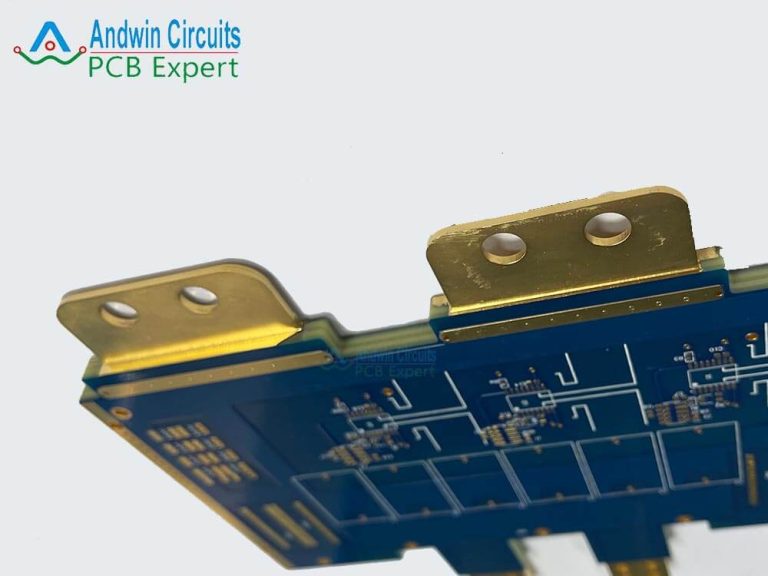
When evaluating PCB manufacturing leaders in high-density technologies, you’ll find companies like TTM Technologies, Unimicron, and AT&S dominating the space. These PCB manufacturing companies specialize in producing boards with trace widths below 50 microns, enabling advanced applications in 5G infrastructure, AI processors, and miniaturized medical devices. Their expertise in high-density interconnect (HDI) designs ensures reliable signal integrity even in ultra-compact layouts—a critical factor for next-gen electronics.
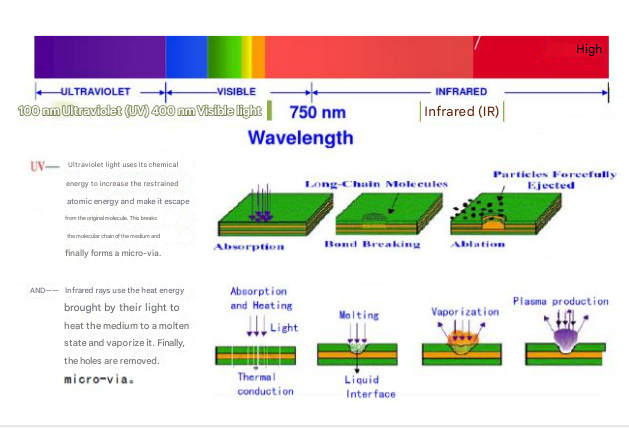
To manage PCB manufacturing cost while maintaining precision, top players employ laser drilling and automated optical inspection (AOI) systems. For instance, Unimicron’s stacked microvia technology reduces layer counts without compromising performance, directly lowering material expenses. Meanwhile, TTM’s investment in semi-additive processes (SAP) allows finer circuitry, aligning with demands for higher component density.
In the PCB manufacturing business, regional strengths also play a role: Taiwanese firms lead in volume production, while North American manufacturers focus on aerospace-grade reliability. Balancing these capabilities helps buyers optimize both technical specifications and supply chain risks. As miniaturization trends accelerate, partnering with innovators in HDI becomes essential for staying competitive.
Flexible Circuit Board Innovators Comparison
When evaluating PCB manufacturing companies specializing in flexible circuits, you’ll notice distinct approaches to balancing performance, durability, and PCB manufacturing cost. Leaders like Flexium and Multek dominate this niche, leveraging ultrathin substrates and advanced etching techniques to produce boards that withstand millions of flex cycles. Their innovations cater to wearables and medical devices, where space constraints demand high-density interconnects without compromising reliability.
Regional expertise plays a role too: Asian firms often lead in cost-efficient mass production, while North American and European innovators prioritize precision for aerospace or automotive applications. For instance, DuPont’s Pyralux® materials enable thinner, lighter designs, but this can elevate PCB manufacturing business expenses by 15–20% compared to standard FR-4 alternatives.
As you compare options, consider how dynamic bend radius specifications and thermal management solutions align with your project’s lifecycle requirements. Some manufacturers now integrate AI-driven quality checks to reduce defects in complex multilayer flex designs—a critical factor when minimizing PCB manufacturing waste. This becomes particularly evident in industries like foldable smartphones, where even micron-level inconsistencies risk product failure.
Meanwhile, sustainability-driven brands like Würth Elektronik are adopting halogen-free laminates, appealing to eco-conscious buyers despite higher per-unit costs. Whether prioritizing cutting-edge performance or scalable affordability, understanding these trade-offs ensures you select partners aligned with both technical and budgetary goals.
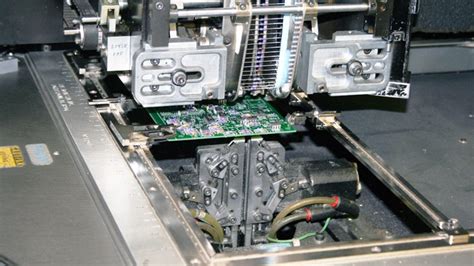
Multilayer Board Production Capabilities Revealed
When evaluating PCB manufacturing companies, their ability to produce high-performance multilayer boards often defines their competitive edge. Modern PCB manufacturing processes now support up to 40+ layers, enabling complex designs for aerospace, medical devices, and advanced computing systems. Leading manufacturers leverage automated optical inspection (AOI) and laser-drilling technologies to ensure precision, reducing defects that could inflate PCB manufacturing cost.
You’ll notice regional leaders in Asia-Pacific prioritize economies of scale, while North American firms focus on rapid prototyping for low-volume, high-mix orders. This strategic divergence impacts both lead times and pricing structures across the PCB manufacturing business. For instance, companies investing in halogen-free materials or embedded passives not only meet sustainability goals but also future-proof their offerings against regulatory shifts.
Balancing layer count with material selection remains critical—choosing between FR-4, polyimide, or ceramic substrates affects thermal management and signal integrity. By analyzing these capabilities, you gain insight into how top-tier suppliers optimize PCB manufacturing workflows to deliver reliability without compromising scalability.
Regional Strengths in Electronics Manufacturing Hubs
When evaluating PCB manufacturing companies, understanding regional advantages helps you optimize supply chain efficiency and cost-effectiveness. Asia-Pacific remains the dominant hub, with China, Taiwan, and South Korea leading in high-volume production of high-density and multilayer boards. These regions benefit from established infrastructure, skilled labor, and economies of scale that reduce PCB manufacturing cost by up to 30% compared to Western counterparts.
Meanwhile, North America and Europe excel in specialized PCB manufacturing for aerospace, medical, and defense sectors, prioritizing precision and compliance with stringent regulations. Their focus on low-volume, high-mix production supports flexible circuit innovation but often comes with higher operational expenses.
Emerging hubs in Southeast Asia, such as Vietnam and Malaysia, are gaining traction for PCB manufacturing business expansion due to competitive labor costs and proximity to raw material suppliers. This geographic diversification helps mitigate risks like tariffs or logistical disruptions.
Your choice of region depends on balancing technological capabilities with PCB manufacturing cost targets. For instance, while Asian suppliers dominate mass production, Western partners offer faster turnaround for prototyping. These regional dynamics shape how global electronics brands allocate their PCB manufacturing investments in 2023.
2023 Advancements in PCB Material Science
As you evaluate the latest breakthroughs in PCB manufacturing, 2023 has introduced transformative materials that redefine performance benchmarks. Leading PCB manufacturing companies now prioritize low-loss dielectrics and high-thermal-conductivity substrates, enabling faster signal transmission and improved heat dissipation in high-density designs. These innovations directly impact PCB manufacturing cost by reducing energy consumption during production while extending product lifespans—a critical factor for businesses balancing technical demands with budget constraints.
The shift toward halogen-free laminates and recyclable polymers addresses sustainability goals without compromising durability, a key consideration for PCB manufacturing business models aiming to meet global environmental regulations. For instance, new ceramic-filled PTFE composites support 5G/mmWave applications, while ultra-thin flexible materials expand wearable electronics possibilities.
| Material Type | Key Benefit | Adoption Rate (2023) |
|---|---|---|
| High-Frequency Laminates | Enhanced signal integrity | 42% |
| Thermal Management Substrates | 15% lower operating temperatures | 38% |
| Halogen-Free Alternatives | Compliance with RoHS 3.0 standards | 67% |
These advancements not only optimize production efficiency but also enable tighter integration with IoT and AI-driven devices. By leveraging such materials, manufacturers can reduce PCB manufacturing cost variances across complex multilayer projects while maintaining competitive edge in high-reliability markets. As material science evolves, expect further refinements in embedded passives and bio-based substrates, reshaping how you approach next-generation electronics design.
Supply Chain Resilience Among Top Manufacturers
When evaluating PCB manufacturing leaders, supply chain robustness proves as critical as technical capabilities. Leading pcb manufacturing companies now implement multi-region sourcing strategies, balancing cost efficiency with geopolitical risks. You’ll notice top-tier manufacturers maintain dual sourcing for critical materials like copper-clad laminates and specialty substrates, reducing dependency on single suppliers. This agility becomes vital when pcb manufacturing cost fluctuations hit due to raw material shortages or logistics bottlenecks.
Advanced inventory management systems, powered by AI-driven demand forecasting, enable these firms to optimize buffer stocks without inflating overheads. For instance, some leaders integrate real-time data from pcb manufacturing business partners to adjust production schedules within hours—not days—during component shortages. Regional diversification also plays a role: manufacturers with facilities across Asia, Europe, and the Americas can reroute orders seamlessly, minimizing client downtime.
Sustainability further strengthens resilience. Companies adopting closed-loop recycling for etching chemicals or copper recovery not only cut waste but insulate themselves from price volatility in virgin materials. As you assess partners, prioritize those embedding redundancy and sustainability into their pcb manufacturing workflows—it’s where operational continuity meets long-term viability.
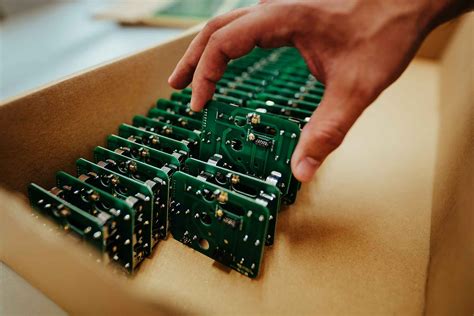
Sustainability Practices in PCB Industry Leaders
When evaluating PCB manufacturing companies, you’ll notice sustainability has become a cornerstone of operational strategies. Leading manufacturers are reducing PCB manufacturing cost through energy-efficient processes, such as adopting renewable energy sources and optimizing material usage to minimize waste. For instance, many now integrate closed-loop water recycling systems, cutting both environmental impact and long-term expenses for their PCB manufacturing business.
Innovations like halogen-free laminates and lead-free soldering techniques highlight how ecological priorities align with performance demands. Some companies even achieve zero-waste-to-landfill certifications, ensuring hazardous byproducts from PCB manufacturing don’t compromise ecosystems. Regional hubs in Europe and Asia-Pacific are particularly proactive, leveraging stricter regulations to pilot cleaner production methods that set global benchmarks.
While transitioning to greener practices requires upfront investment, forward-thinking firms balance this by streamlining supply chains and collaborating with eco-conscious suppliers. This dual focus not only strengthens their market position but also future-proofs operations as industries demand traceable, low-carbon solutions. As you assess partners, prioritize those transparently reporting emissions and circular economy metrics—key indicators of commitment beyond compliance.
PCB Buyer’s Guide: Balancing Cost and Quality
When evaluating PCB manufacturing companies, balancing pcb manufacturing cost with quality requires a strategic approach. Start by clarifying your project’s technical requirements—whether you need high-density interconnects, flexible substrates, or multilayer designs. These specifications directly influence pcb manufacturing expenses, as advanced technologies often demand premium pricing. However, opting for the cheapest supplier risks compromising reliability, especially in mission-critical applications like medical devices or aerospace systems.
To optimize spending, compare quotes from multiple pcb manufacturing business partners, but prioritize certifications (e.g., ISO 9001, UL) and testing protocols like automated optical inspection (AOI). For cost-sensitive projects, consider standardized materials or panelization techniques to reduce waste. Regional hubs like Southeast Asia often offer competitive pricing due to lower labor costs, while North American and European manufacturers excel in rapid prototyping and IP protection.
Always request detailed breakdowns of pcb manufacturing cost drivers, such as raw material sourcing, layer count, and turnaround times. Negotiating volume discounts or long-term contracts can further align budgets with quality expectations. Remember: the goal isn’t just affordability but securing a partner whose capabilities match your product’s lifecycle demands. By understanding these trade-offs, you can make informed decisions that safeguard performance without overspending.
Future Trends in Printed Circuit Board Development
As you look ahead, PCB manufacturing is poised for transformative shifts driven by evolving electronics demands. Expect miniaturization and higher signal integrity to dominate, with PCB manufacturing companies accelerating R&D in ultra-high-density interconnect (HDI) designs and embedded component integration. These innovations will enable thinner, lighter boards while addressing PCB manufacturing cost pressures through advanced automation and AI-driven quality control.
Flexible hybrid electronics (FHE) will reshape the PCB manufacturing business, blending rigid-flex boards with stretchable substrates for wearables and IoT devices. Simultaneously, sustainable practices are becoming non-negotiable—leading manufacturers are adopting halogen-free materials and closed-loop recycling systems to meet tightening environmental regulations.
Another critical shift involves additive manufacturing techniques like inkjet printing, which could reduce material waste by 40% compared to traditional subtractive methods. Regional diversification will also intensify as companies balance geopolitical risks by establishing dual-supply chains across Asia, North America, and Europe.
For buyers, understanding these trends means prioritizing partners who invest in 5G-ready materials and thermal management solutions without compromising PCB manufacturing cost efficiency. The future favors agile manufacturers capable of scaling prototyping-to-mass-production workflows while maintaining compliance with evolving safety and sustainability standards.
This evolution ensures PCBs remain the backbone of smarter, faster, and greener electronics—but demands careful alignment between your technical requirements and a manufacturer’s innovation roadmap.
Conclusion
As you evaluate PCB manufacturing partners in 2023, it’s clear that balancing innovation, cost, and reliability remains critical. Leading PCB manufacturing companies have demonstrated how advancements in high-density interconnect (HDI) and flexible circuit technologies align with evolving industry demands, from consumer electronics to aerospace. While PCB manufacturing cost continues to influence sourcing decisions, prioritizing suppliers with transparent pricing models and scalable production capabilities can mitigate budget risks.
Regional expertise also plays a pivotal role—whether you’re leveraging Asia’s cost-efficient ecosystems or North America’s rapid prototyping strengths. Sustainability practices, now a hallmark of top-tier PCB manufacturing business operations, ensure compliance with global regulations while reducing long-term environmental impacts.
Looking ahead, collaboration with manufacturers investing in AI-driven quality control and advanced substrate materials will future-proof your supply chain. By aligning your priorities with partners that excel in both technical agility and operational resilience, you secure a competitive edge in an industry where precision and adaptability define success.
FAQs
How do you choose between leading PCB manufacturing companies for specialized projects?
When evaluating PCB manufacturing partners, prioritize firms with certifications like ISO 9001 and IPC-A-600. Cross-reference their expertise in high-density interconnects or flexible circuits with your project’s technical demands, as outlined in regional capability analyses.
What drives variations in PCB manufacturing cost across regions?
Labor rates, material tariffs, and energy expenses differ significantly between manufacturing hubs. For instance, Asian suppliers often optimize PCB manufacturing business operations for cost efficiency, while North American/EU facilities may charge premiums for localized supply chain resilience.
Can smaller businesses access advanced PCB manufacturing technologies affordably?
Many top-tier manufacturers now offer scalable solutions, such as shared-panel prototyping or modular production lines. Leveraging these models reduces upfront investments, allowing startups to balance PCB manufacturing cost with cutting-edge capabilities like multilayer embedded components.
How do sustainability practices impact long-term partnerships in PCB manufacturing?
Eco-friendly processes—like halogen-free laminates and water recycling systems—reduce regulatory risks and align with global ESG standards. Prioritizing manufacturers with robust sustainability frameworks ensures compliance as environmental regulations tighten worldwide.
Explore Custom Solutions for Your PCB Needs
For tailored guidance on optimizing PCB manufacturing workflows or material selection, please click here to consult industry experts at AndwinPCB. Their team specializes in aligning technical specifications with cost-effective production strategies.