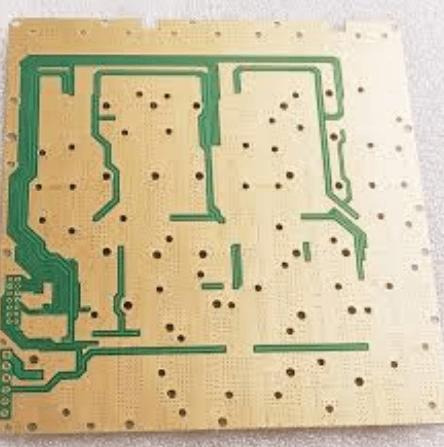
Gold plating rogers pcb low volume pcb
Benefits Of Gold Plating In Low Volume Rogers PCB Manufacturing
Gold plating in low volume Rogers PCB manufacturing offers a multitude of benefits that are crucial for industries requiring high-performance and reliable electronic components. As technology advances, the demand for PCBs with superior electrical conductivity and durability has increased, making gold plating an attractive option.
One of the primary advantages of gold plating is its excellent conductivity.
Gold is a highly conductive metal, which ensures efficient signal transmission across the PCB. This is particularly important in applications where signal integrity is paramount, such as in telecommunications and aerospace industries. By using gold plating, manufacturers can ensure that the PCBs maintain optimal performance even in demanding environments.
In addition to conductivity, gold plating provides exceptional corrosion resistance.
Unlike other metals, gold does not tarnish or oxidize over time, which is a significant advantage in environments where moisture and other corrosive elements are present. This resistance to corrosion extends the lifespan of the PCB, reducing the need for frequent replacements and maintenance. Consequently, this leads to cost savings in the long run, making gold plating a cost-effective solution despite its higher initial cost compared to other plating options.
Moreover, gold plating enhances the durability of the PCB.
The robustness of gold allows it to withstand mechanical wear and tear, which is essential in applications where the PCB is subject to frequent handling or movement. This durability ensures that the PCB remains functional and reliable throughout its intended lifespan, thereby enhancing the overall reliability of the electronic device it powers. Furthermore, gold plating provides a smooth and uniform surface finish, which is beneficial for the assembly process. A smooth surface ensures better solderability, reducing the likelihood of defects during the soldering process. This is particularly advantageous in low volume manufacturing, where precision and quality are critical. By minimizing defects, manufacturers can maintain high standards of quality control, ensuring that each PCB meets the required specifications.
Transitioning to another significant benefit, gold plating is also known for its excellent thermal properties.
Gold can efficiently dissipate heat, which is crucial in high-power applications where excessive heat generation can lead to component failure. By facilitating effective heat dissipation, gold plating helps in maintaining the thermal stability of the PCB, thereby preventing overheating and ensuring consistent performance. This is particularly important in applications such as power electronics and RF communication systems, where thermal management is a critical concern.
Furthermore, gold plating is compatible with a wide range of materials, including Rogers substrates, which are known for their excellent dielectric properties.
This compatibility allows for the integration of gold-plated PCBs in various applications, providing designers with the flexibility to create innovative solutions tailored to specific needs. The combination of Rogers substrates and gold plating results in PCBs that offer superior performance in terms of signal integrity, thermal management, and durability.
In conclusion, the benefits of gold plating in low volume Rogers PCB manufacturing are manifold. From enhanced conductivity and corrosion resistance to improved durability and thermal management, gold plating offers a comprehensive solution for industries seeking high-performance PCBs. Despite the higher initial cost, the long-term advantages of gold plating make it a worthwhile investment, ensuring reliability and efficiency in critical applications. As technology continues to evolve, the role of gold plating in PCB manufacturing is likely to become even more significant, driving innovation and excellence in electronic design and manufacturing.
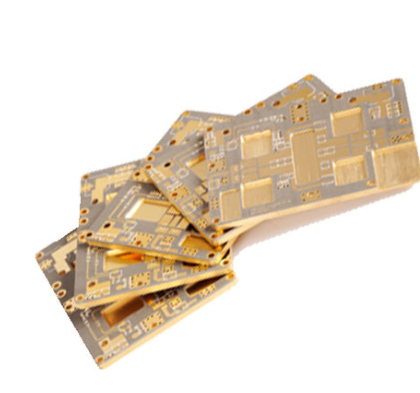
Techniques For Achieving High-Quality Gold Plating On Rogers PCBs
Gold plating on Rogers PCBs, particularly in low-volume production, requires meticulous attention to detail and a comprehensive understanding of the techniques involved. Achieving high-quality gold plating is essential for ensuring the reliability and performance of the final product, especially in applications where signal integrity and durability are paramount. To begin with, it is crucial to understand the unique properties of Rogers PCBs. These substrates are renowned for their excellent high-frequency performance and low dielectric loss, making them ideal for RF and microwave applications. However, their distinct material composition necessitates specific considerations during the gold plating process.
One of the primary techniques for achieving high-quality gold plating on Rogers PCBs is surface preparation.
This step is vital as it ensures that the gold adheres properly to the substrate. The process typically involves cleaning the PCB surface to remove any contaminants, such as oils or oxides, which could impede adhesion. Mechanical scrubbing or chemical cleaning methods are often employed to achieve a pristine surface. Following this, an activation step is usually required, where a thin layer of palladium or nickel is deposited to promote gold adhesion.
Transitioning to the plating process itself, it is essential to select the appropriate gold plating method.
Electroless gold plating is a popular choice for Rogers PCBs due to its ability to deposit a uniform layer of gold without the need for an external power source. This method involves a chemical reduction process that deposits gold onto the activated surface. The thickness of the gold layer can be precisely controlled by adjusting the plating time and solution concentration, ensuring that the final product meets the desired specifications.
In addition to electroless plating, electrolytic gold plating is another technique that can be employed.
This method uses an electric current to deposit gold onto the PCB surface. While it can achieve thicker gold layers more quickly than electroless plating, it requires careful control of the current density and plating time to avoid issues such as uneven deposition or excessive gold buildup. Both methods have their advantages and can be selected based on the specific requirements of the application.
Furthermore, maintaining the quality of the gold plating solution is critical for achieving consistent results.
Regular monitoring and replenishment of the solution components are necessary to prevent contamination and ensure optimal plating conditions. This includes maintaining the correct pH levels, temperature, and concentration of gold ions in the solution. Implementing a robust quality control process can help identify any deviations early, allowing for timely corrective actions.
Finally, post-plating inspection and testing are indispensable steps in the process.
Visual inspections can identify surface defects, while electrical testing can verify the conductivity and integrity of the gold layer. Advanced techniques such as X-ray fluorescence (XRF) can be used to measure the thickness and composition of the gold plating, ensuring compliance with industry standards.
In conclusion, achieving high-quality gold plating on Rogers PCBs in low-volume production involves a series of carefully controlled steps, from surface preparation to post-plating inspection. By understanding the unique properties of Rogers substrates and selecting the appropriate plating techniques, manufacturers can ensure that their PCBs meet the stringent requirements of high-frequency applications. Through meticulous attention to detail and rigorous quality control, the reliability and performance of the final product can be assured.
Cost-Effective Strategies For Gold Plating In Low Volume PCB Production
In the realm of printed circuit board (PCB) manufacturing, gold plating is a critical process that enhances the performance and longevity of the final product. This is particularly true for Rogers PCBs, which are renowned for their high-frequency performance and are often used in advanced applications such as aerospace and telecommunications. However, when it comes to low volume PCB production, the cost of gold plating can be a significant concern. Therefore, it is essential to explore cost-effective strategies that can be employed to optimize this process without compromising on quality.
To begin with, understanding the specific requirements of the application is crucial.
Gold plating is primarily used for its excellent conductivity and resistance to corrosion, making it ideal for applications where reliability is paramount. However, not all sections of a PCB may require gold plating. By identifying the critical areas that necessitate gold plating, manufacturers can significantly reduce material costs. This targeted approach ensures that resources are allocated efficiently, thereby minimizing waste and reducing overall expenses.
Moreover, selecting the appropriate gold plating technique can also contribute to cost savings.
There are several methods available, such as electroplating, immersion plating, and electroless plating, each with its own advantages and cost implications. For low volume production, immersion gold plating is often preferred due to its simplicity and lower setup costs. This method involves submerging the PCB in a gold solution, allowing for a uniform coating that is sufficient for many applications. By choosing the most suitable technique, manufacturers can achieve the desired quality without incurring unnecessary expenses.
In addition to technique selection, optimizing the thickness of the gold layer is another effective strategy.
While thicker gold layers provide better durability and conductivity, they also increase material costs. For low volume production, it is essential to strike a balance between performance and cost. By carefully determining the minimum thickness required for the application, manufacturers can reduce gold usage while still meeting performance standards. This approach not only lowers material costs but also aligns with sustainable manufacturing practices by minimizing resource consumption.
Furthermore, collaboration with suppliers can play a pivotal role in cost management.
By establishing strong relationships with suppliers, manufacturers can negotiate better pricing for gold materials, especially when purchasing in bulk. Additionally, suppliers may offer insights into the latest advancements in gold plating technologies and materials, which can lead to further cost reductions. Engaging in open communication with suppliers ensures that manufacturers are well-informed about market trends and can make strategic decisions that benefit their production processes.
Lastly, investing in quality control measures is essential to ensure that the gold plating process is executed efficiently.
By implementing rigorous testing and inspection protocols, manufacturers can identify and rectify any issues early in the production cycle, thereby avoiding costly rework or scrap. This proactive approach not only enhances product quality but also contributes to overall cost savings by reducing the likelihood of defects.
In conclusion, while gold plating in low volume PCB production presents certain cost challenges, there are several strategies that manufacturers can employ to mitigate these expenses. By focusing on targeted plating, selecting appropriate techniques, optimizing gold thickness, collaborating with suppliers, and investing in quality control, manufacturers can achieve a cost-effective gold plating process that meets the demands of high-performance applications. Through these measures, the balance between cost and quality can be effectively maintained, ensuring the successful production of Rogers PCBs in low volume scenarios.
Challenges And Solutions In Gold Plating Rogers PCBs For Low Volume Orders
Gold plating Rogers PCBs for low volume orders presents a unique set of challenges and opportunities that require careful consideration and strategic solutions. As the demand for high-performance printed circuit boards (PCBs) continues to grow, particularly in industries such as aerospace, telecommunications, and advanced computing, the need for reliable and efficient manufacturing processes becomes increasingly critical. Gold plating, known for its excellent conductivity and resistance to corrosion, is a preferred choice for enhancing the performance and durability of PCBs. However, when it comes to low volume orders, manufacturers must navigate several obstacles to ensure quality and cost-effectiveness.
One of the primary challenges in gold plating Rogers PCBs for low volume production is the cost associated with the process.
Gold is an expensive material, and its application in PCB manufacturing can significantly increase production costs. For low volume orders, this cost can be particularly burdensome, as the economies of scale that benefit larger production runs are not applicable. To address this issue, manufacturers often explore alternative plating techniques or materials that can provide similar benefits at a reduced cost. For instance, selective gold plating, where gold is applied only to specific areas of the PCB that require enhanced conductivity, can be a cost-effective solution. This approach minimizes the amount of gold used while still delivering the desired performance characteristics.
Another challenge is the technical complexity involved in gold plating Rogers PCBs.
Rogers materials, known for their superior dielectric properties, are often used in high-frequency applications. However, their unique characteristics can complicate the plating process. Ensuring uniform gold deposition on Rogers substrates requires precise control over plating parameters such as temperature, current density, and plating time. Inconsistent plating can lead to defects such as uneven surface finishes or inadequate adhesion, which can compromise the functionality of the PCB. To overcome these technical hurdles, manufacturers must invest in advanced plating equipment and develop robust process controls. Additionally, thorough testing and quality assurance measures are essential to verify that the plated PCBs meet the required specifications.
Furthermore, the environmental impact of gold plating is a concern that cannot be overlooked.
The process involves the use of chemicals that can be harmful if not managed properly. For low volume orders, the challenge lies in implementing sustainable practices that minimize waste and reduce the environmental footprint. Manufacturers are increasingly adopting eco-friendly plating solutions and recycling methods to address these concerns. By optimizing the use of resources and reducing hazardous waste, they can achieve a balance between performance and environmental responsibility.
In conclusion, while gold plating Rogers PCBs for low volume orders presents several challenges, there are viable solutions that manufacturers can employ to overcome these obstacles. By carefully managing costs through selective plating techniques, addressing technical complexities with advanced equipment and process controls, and prioritizing environmental sustainability, manufacturers can deliver high-quality PCBs that meet the demands of modern applications. As technology continues to evolve, the ability to efficiently produce low volume, high-performance PCBs will remain a critical factor in the success of industries that rely on cutting-edge electronic components. Through innovation and strategic planning, the challenges of gold plating Rogers PCBs can be transformed into opportunities for growth and advancement.