Green PCB Manufacturing: Sustainable Practices for the Electronics Industry
Introduction
The electronics industry is a cornerstone of modern technology, but its environmental impact has become a growing concern. Printed Circuit Boards (PCBs) are essential components in nearly all electronic devices, and their manufacturing process traditionally involves hazardous chemicals, high energy consumption, and significant waste generation. As environmental regulations tighten and consumer demand for sustainable products increases, the shift toward Green PCB Manufacturing has gained momentum.
Green PCB manufacturing focuses on reducing environmental harm by adopting eco-friendly materials, energy-efficient processes, and waste minimization techniques. This article explores the key aspects of sustainable PCB production, including material selection, manufacturing processes, recycling initiatives, and industry certifications.
The Environmental Impact of Traditional PCB Manufacturing
Conventional PCB manufacturing relies on several harmful practices:
- Toxic Chemicals – Processes like etching, plating, and soldering often use hazardous substances such as lead, brominated flame retardants (BFRs), and volatile organic compounds (VOCs). These chemicals can pollute water sources and harm human health.
- High Energy Consumption – PCB fabrication involves multiple energy-intensive steps, including lamination, drilling, and plating.
- Waste Generation – Scrap materials, chemical byproducts, and defective PCBs contribute to electronic waste (e-waste), which is difficult to decompose.
- Non-Recyclable Materials – Many traditional PCBs contain materials that are not easily recyclable, leading to landfill accumulation.
Given these challenges, the industry is increasingly adopting green alternatives to minimize ecological damage.
Key Strategies for Green PCB Manufacturing
1. Eco-Friendly Materials
One of the most effective ways to make PCB manufacturing sustainable is by replacing hazardous materials with environmentally friendly alternatives.
- Lead-Free Soldering
The Restriction of Hazardous Substances (RoHS) directive banned lead in electronics, pushing manufacturers to adopt lead-free solders such as tin-silver-copper (SAC) alloys. - Halogen-Free Substrates
Traditional flame retardants like BFRs release toxic fumes when burned. Halogen-free alternatives, such as phosphorus-based compounds, are safer and comply with environmental regulations. - Biodegradable Substrates
Researchers are exploring biodegradable materials like polylactic acid (PLA) and cellulose-based laminates for temporary or low-impact PCBs.
2. Energy-Efficient Manufacturing Processes
Reducing energy consumption is crucial for sustainable PCB production. Key approaches include:
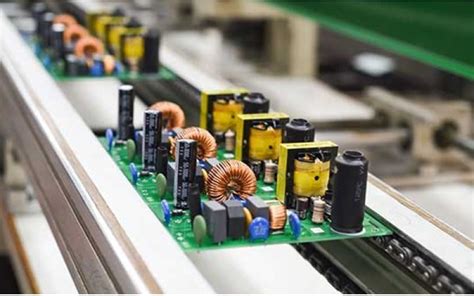
- Optimized Production Lines – Using automated systems to minimize energy waste.
- Renewable Energy Sources – Factories powered by solar, wind, or hydroelectric energy significantly reduce carbon footprints.
- Low-Temperature Processes – Some advanced manufacturing techniques require less heat, lowering energy demands.
3. Waste Reduction and Recycling
Efficient waste management is essential for green PCB manufacturing.
- Chemical Recycling – Recovering metals like copper from etching waste reduces resource depletion.
- Dry Manufacturing Techniques – Methods like laser direct imaging (LDI) eliminate the need for chemical developers, reducing liquid waste.
- PCB Reclamation Programs – Companies are implementing take-back schemes to recycle end-of-life PCBs, recovering valuable metals and reducing e-waste.
4. Water Conservation
Traditional PCB fabrication consumes large amounts of water for cleaning and rinsing. Sustainable alternatives include:
- Closed-Loop Water Systems – Recycling water within the manufacturing process.
- Waterless Cleaning Technologies – Using plasma cleaning or CO₂ snow instead of water-based methods.
5. Sustainable Packaging
Green PCB manufacturing extends beyond production to packaging:
- Recyclable and Biodegradable Packaging – Replacing plastic with cardboard or plant-based materials.
- Minimalist Packaging Designs – Reducing material usage without compromising protection.
Industry Certifications and Standards
To ensure compliance with environmental best practices, several certifications guide green PCB manufacturing:
- RoHS (Restriction of Hazardous Substances) – Prohibits the use of lead, mercury, cadmium, and other toxic substances.
- REACH (Registration, Evaluation, Authorization, and Restriction of Chemicals) – Regulates chemical usage in the EU.
- IPC-1401 – A standard for sustainable PCB production, covering materials, energy use, and waste management.
- UL ECOLOGO – Certifies products with reduced environmental impact.
Challenges in Green PCB Adoption
Despite its benefits, transitioning to green PCB manufacturing presents challenges:
- Higher Costs – Eco-friendly materials and processes can be more expensive initially, though long-term savings in waste disposal and regulatory compliance may offset this.
- Performance Trade-offs – Some green materials may have different electrical or thermal properties, requiring design adjustments.
- Supply Chain Limitations – Not all suppliers offer sustainable materials, making sourcing difficult.
However, as technology advances and demand grows, these barriers are gradually diminishing.
The Future of Green PCB Manufacturing
The shift toward sustainability is accelerating, driven by:
- Government Regulations – Stricter environmental laws are pushing manufacturers to adopt greener practices.
- Consumer Demand – Eco-conscious buyers prefer products with minimal environmental impact.
- Technological Innovations – Advances in biodegradable substrates, energy-efficient machinery, and AI-driven process optimization will further enhance sustainability.
By 2030, the PCB industry is expected to achieve significant reductions in carbon emissions and waste, making green manufacturing the new standard.
Conclusion
Green PCB manufacturing is no longer a niche concept but a necessity for the electronics industry. By adopting eco-friendly materials, optimizing energy use, reducing waste, and complying with environmental standards, manufacturers can significantly lessen their ecological footprint. While challenges remain, the long-term benefits—lower operational costs, regulatory compliance, and a healthier planet—make sustainable PCB production a worthwhile investment.
As technology evolves, the industry must continue innovating to create fully recyclable, energy-neutral PCBs. The future of electronics lies in sustainability, and green PCB manufacturing is leading the way.