Heater flex pcb
Advantages Of Using Heater Flex PCBs In Modern Electronics
Heater flex PCBs, or flexible printed circuit boards, have become increasingly integral in the design and functionality of modern electronics. These innovative components offer a range of advantages that make them highly desirable in various applications, from consumer electronics to industrial machinery.
One of the primary benefits of heater flex PCBs is their inherent flexibility, which allows them to be bent, folded, or twisted without compromising their performance.
This flexibility is particularly advantageous in compact electronic devices where space is at a premium, as it enables designers to create more intricate and efficient layouts that would be impossible with rigid PCBs.
In addition to their flexibility, heater flex PCBs are known for their lightweight nature.
This characteristic is crucial in the development of portable electronic devices, where reducing weight without sacrificing functionality is a constant challenge. By utilizing heater flex PCBs, manufacturers can produce lighter products that are easier to handle and transport, thereby enhancing user experience. Moreover, the reduced weight contributes to lower shipping costs and a smaller carbon footprint, aligning with the growing emphasis on sustainability in the electronics industry.
Another significant advantage of heater flex PCBs is their ability to dissipate heat effectively.
In electronic devices, excessive heat can lead to performance issues and even damage components. Heater flex PCBs are designed to manage thermal conditions efficiently, ensuring that devices operate within safe temperature ranges. This capability not only extends the lifespan of electronic products but also enhances their reliability, which is a critical factor for consumers and businesses alike. Furthermore, the improved thermal management provided by heater flex PCBs can lead to increased energy efficiency, as devices require less power to maintain optimal operating conditions.
The durability of heater flex PCBs is another noteworthy benefit.
These components are designed to withstand harsh environments and mechanical stress, making them ideal for use in applications where reliability is paramount. For instance, in the automotive and aerospace industries, where electronic systems are exposed to extreme conditions, the robustness of heater flex PCBs ensures consistent performance and reduces the likelihood of failure. This durability also translates to lower maintenance costs and fewer replacements, offering long-term economic advantages for manufacturers and end-users.
Moreover, the versatility of heater flex PCBs cannot be overstated.
They can be customized to meet specific design requirements, allowing for a high degree of personalization in electronic products. This adaptability is particularly beneficial in the development of cutting-edge technologies, where unique configurations and functionalities are often required. By leveraging the customizable nature of heater flex PCBs, designers can push the boundaries of innovation and create products that stand out in a competitive market.
In conclusion, the advantages of using heater flex PCBs in modern electronics are manifold. Their flexibility, lightweight nature, effective heat dissipation, durability, and versatility make them an invaluable component in the design and production of a wide range of electronic devices. As technology continues to evolve, the demand for efficient and reliable components like heater flex PCBs is likely to grow, driving further advancements in the electronics industry. By embracing these innovative solutions, manufacturers can enhance the performance and appeal of their products, ultimately benefiting consumers and contributing to the ongoing progress of modern technology.

Design Considerations For Heater Flex PCBs
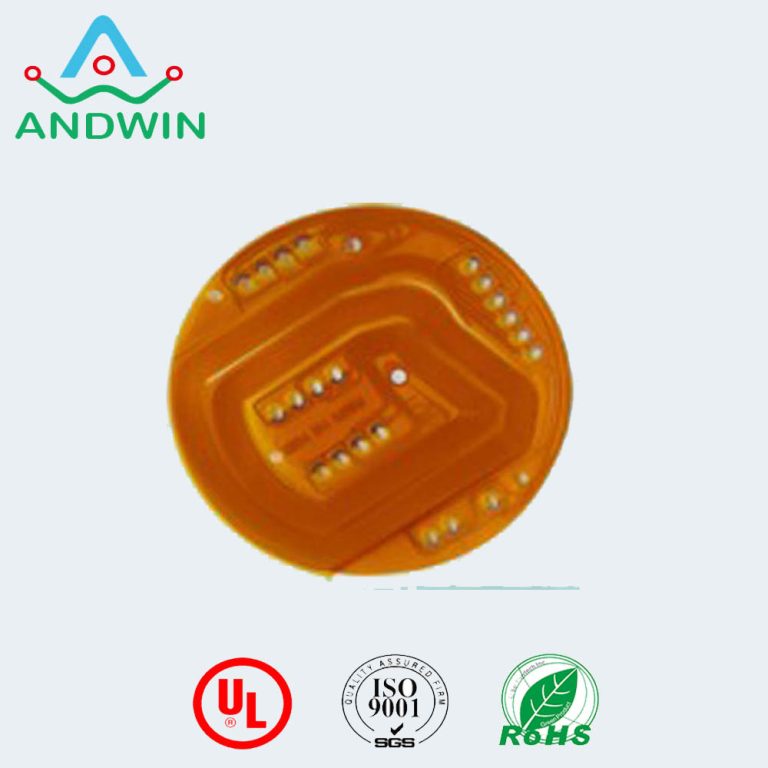
When designing heater flexible printed circuit boards (PCBs), several critical considerations must be taken into account to ensure optimal performance and reliability. Heater flex PCBs are specialized circuits that integrate heating elements within a flexible substrate, offering unique advantages in applications requiring precise thermal management. The design process for these PCBs involves a careful balance of material selection, thermal performance, electrical characteristics, and mechanical flexibility.
To begin with, material selection is paramount in the design of heater flex PCBs.
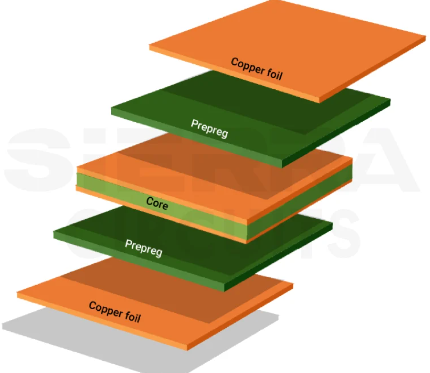
The substrate material must possess excellent thermal conductivity to efficiently distribute heat across the surface. Polyimide is a popular choice due to its high thermal stability and flexibility, which allows it to withstand the thermal cycling often encountered in heating applications. Additionally, the adhesive used to bond the copper traces to the substrate must be able to endure high temperatures without degrading, ensuring the longevity of the circuit.
Transitioning to thermal performance, it is essential to consider the power density and uniformity of heat distribution.
The design must ensure that the heating elements provide consistent and even heat across the entire surface of the PCB. This can be achieved by optimizing the layout of the copper traces, which act as resistive heating elements. The trace width, spacing, and pattern must be meticulously calculated to achieve the desired thermal output while avoiding hotspots that could lead to component failure or reduced efficiency.
Moreover, electrical characteristics play a crucial role in the design of heater flex PCBs.
The resistance of the heating elements must be precisely controlled to achieve the required power output. This involves selecting the appropriate copper thickness and trace geometry to meet the specific resistance and power requirements. Additionally, the design must account for the potential impact of temperature on electrical resistance, as resistance typically increases with temperature. This necessitates careful consideration of the operating temperature range and the potential need for temperature compensation mechanisms.
In addition to thermal and electrical considerations, mechanical flexibility is a defining feature of heater flex PCBs.
The ability to bend and conform to various shapes and surfaces is a significant advantage in applications such as wearable devices, automotive components, and aerospace systems. However, this flexibility introduces additional design challenges, such as ensuring that the heating elements maintain their integrity and performance under repeated bending and flexing. To address this, the design must incorporate features such as strain reliefs and strategically placed vias to distribute mechanical stress and prevent trace breakage.
Furthermore, the integration of heater flex PCBs into larger systems requires careful consideration of connectivity and compatibility with other components.
The design must include appropriate connectors and interfaces to facilitate seamless integration with power sources and control systems. Additionally, the thermal management strategy must be aligned with the overall system design to ensure efficient heat dissipation and prevent overheating of adjacent components.
In conclusion, the design of heater flex PCBs involves a complex interplay of material selection, thermal performance, electrical characteristics, and mechanical flexibility. By carefully considering these factors, designers can create robust and efficient heater flex PCBs that meet the demanding requirements of modern applications. The successful implementation of these design considerations not only enhances the performance and reliability of the heater flex PCBs but also contributes to the overall efficiency and effectiveness of the systems in which they are employed.
Applications Of Heater Flex PCBs In Various Industries
Heater flexible printed circuit boards (PCBs) have emerged as a pivotal technology across various industries, offering unique advantages that cater to specific application needs. These PCBs are designed to provide localized heating, which is essential in numerous industrial processes. Their flexibility, lightweight nature, and ability to conform to complex shapes make them indispensable in sectors ranging from automotive to medical devices.
In the automotive industry, heater flex PCBs are utilized to enhance the performance and comfort of vehicles.
They are commonly integrated into seat warmers, steering wheel heaters, and mirror defrosters. The ability of these PCBs to provide consistent and efficient heating ensures that vehicles can operate smoothly in cold climates, thereby improving the overall driving experience. Moreover, their lightweight and flexible nature contributes to the reduction of vehicle weight, which is crucial for enhancing fuel efficiency and reducing emissions.
Transitioning to the aerospace sector, heater flex PCBs play a critical role in maintaining the functionality of various components in extreme conditions.
They are used in de-icing systems for aircraft wings and sensors, ensuring that these components remain operational in freezing temperatures. The reliability and precision of heater flex PCBs are vital in this industry, where safety and performance are paramount. Additionally, their ability to withstand high altitudes and varying pressure conditions makes them an ideal choice for aerospace applications.
In the realm of consumer electronics, heater flex PCBs are increasingly being incorporated into devices that require temperature regulation.
For instance, they are used in battery packs to maintain optimal operating temperatures, thereby extending battery life and enhancing device performance. Furthermore, in wearable technology, these PCBs provide the necessary warmth in smart clothing, ensuring user comfort without compromising on the flexibility and lightweight nature of the garments.
The medical industry also benefits significantly from the application of heater flex PCBs.
They are employed in medical devices that require precise temperature control, such as incubators and blood analyzers. The ability to provide uniform heating is crucial in these applications, where even slight temperature variations can impact the accuracy of results or the safety of patients. Moreover, the compact and flexible design of these PCBs allows for their integration into portable medical devices, facilitating better patient care and monitoring.
In industrial manufacturing, heater flex PCBs are used in processes that require controlled heating, such as 3D printing and adhesive curing.
Their ability to deliver consistent heat over large areas or specific zones enhances the quality and efficiency of manufacturing processes. This adaptability is particularly beneficial in industries where precision and reliability are critical to maintaining product standards.
Overall, the versatility and efficiency of heater flex PCBs make them a valuable asset across various industries. Their ability to provide localized and controlled heating, combined with their flexible and lightweight design, allows them to meet the specific demands of diverse applications. As technology continues to advance, the role of heater flex PCBs is expected to expand further, driving innovation and improving performance across multiple sectors. The ongoing development and refinement of these PCBs will undoubtedly lead to new applications and opportunities, solidifying their importance in the modern industrial landscape.
Innovations In Heater Flex PCB Technology
Heater flex PCBs, or flexible printed circuit boards, have emerged as a pivotal innovation in the realm of electronic design and manufacturing. These advanced components are increasingly being utilized across various industries due to their unique ability to combine flexibility with efficient thermal management. As technology continues to evolve, the demand for more adaptable and efficient electronic solutions has driven significant advancements in heater flex PCB technology.
At the core of heater flex PCBs is their ability to provide localized heating in a compact and flexible form factor.
This capability is particularly beneficial in applications where space is limited, and traditional heating solutions are impractical. For instance, in the automotive industry, heater flex PCBs are used to prevent condensation in mirrors and cameras, ensuring optimal performance in varying weather conditions. Similarly, in the medical field, these PCBs are employed in devices that require precise temperature control, such as diagnostic equipment and patient monitoring systems.
One of the key innovations in heater flex PCB technology is the development of advanced materials that enhance their performance and durability.
Polyimide, a high-temperature resistant polymer, is commonly used as a substrate material due to its excellent thermal stability and flexibility. This material allows the PCBs to withstand extreme temperatures while maintaining their structural integrity. Additionally, the incorporation of conductive inks and pastes has improved the efficiency of heat distribution, enabling more uniform heating across the surface of the PCB.
Moreover, the integration of smart technologies into heater flex PCBs has further expanded their capabilities.
By embedding sensors and microcontrollers, these PCBs can now offer real-time monitoring and control of temperature, providing users with greater precision and reliability. This integration is particularly advantageous in applications where maintaining a specific temperature range is critical, such as in aerospace and defense systems. The ability to remotely adjust and monitor the heating elements ensures that these systems operate efficiently and safely under various conditions.
In addition to material and technological advancements, the manufacturing processes for heater flex PCBs have also seen significant improvements.
Techniques such as laser direct structuring (LDS) and additive manufacturing have streamlined the production of these components, reducing costs and lead times. These methods allow for greater design flexibility, enabling manufacturers to produce complex geometries and intricate patterns that were previously unattainable. As a result, heater flex PCBs can now be customized to meet the specific requirements of diverse applications, further broadening their scope of use.
Furthermore, the environmental impact of heater flex PCBs has been a focal point of recent innovations.
Manufacturers are increasingly adopting eco-friendly practices, such as using recyclable materials and reducing waste during production. This shift towards sustainability not only aligns with global environmental goals but also enhances the appeal of heater flex PCBs to environmentally conscious consumers and industries.
In conclusion, the advancements in heater flex PCB technology have significantly broadened their application potential across various sectors. Through the development of new materials, integration of smart technologies, and improvements in manufacturing processes, these components have become indispensable in modern electronic systems. As industries continue to seek more efficient and adaptable solutions, heater flex PCBs are poised to play an increasingly vital role in shaping the future of electronic design and innovation.