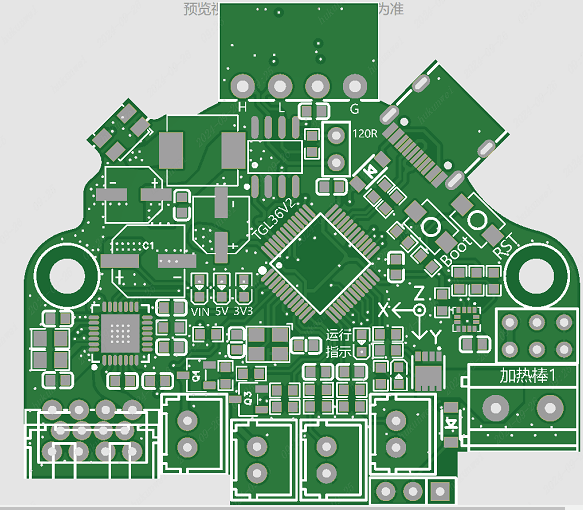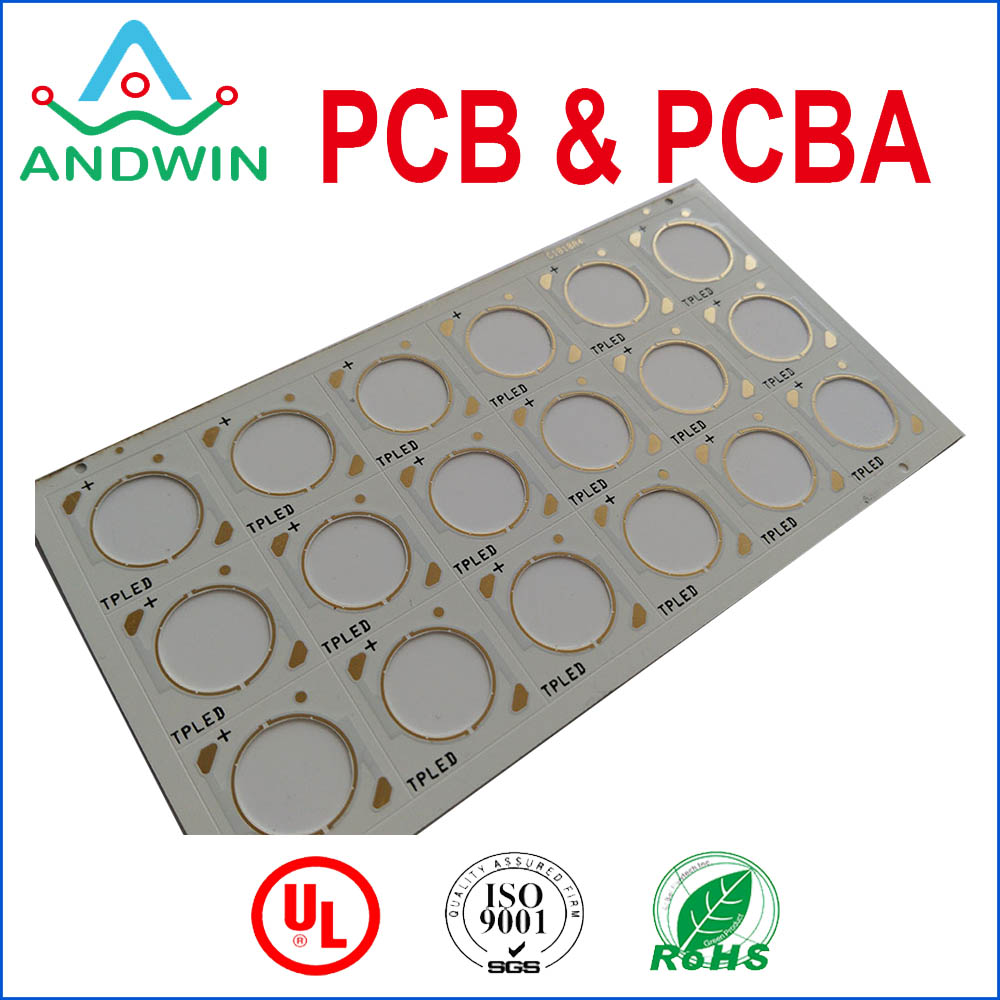
High speed pcb design with emi resilience
High-speed PCB design with EMI resilience is a critical aspect of electronic product development.
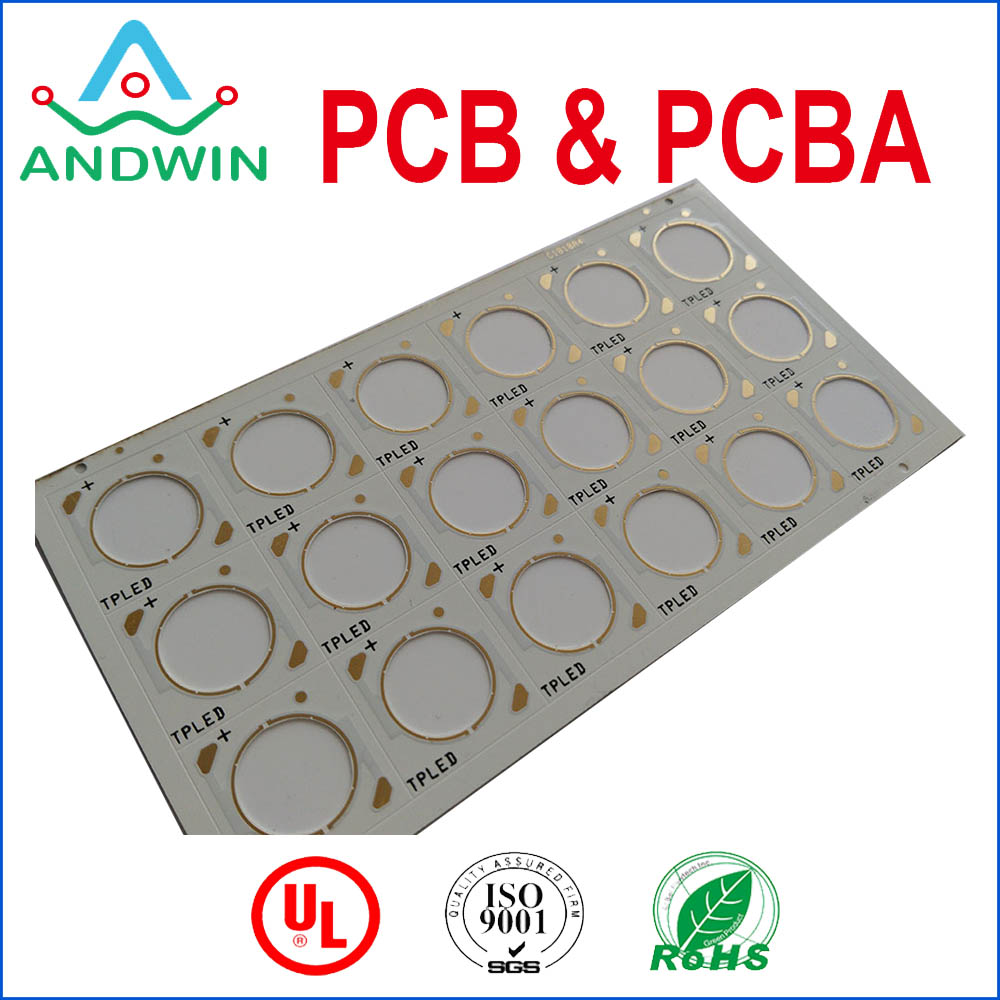
1. Grounding and shielding: Proper grounding and shielding techniques can help reduce EMI emissions and improve immunity.
Use a solid ground plane and separate analog and digital grounds. Shield sensitive components and traces.
2. Signal routing:
Keep high-speed signal traces as short as possible and use controlled impedance routing. Use differential signaling for noise immunity.
3. Component placement:
Place sensitive components away from high EMI sources such as power supplies, transformers, and motors. Use proper decoupling capacitors to filter out noise.
4. Power integrity:
Ensure proper power distribution and filtering to reduce noise and voltage fluctuations. Use ferrite beads and filters to suppress EMI.
5. PCB stackup:
Use a PCB stackup that minimizes crosstalk and EMI emissions. Consider using a multilayer PCB with power and ground planes.
6. EMI testing:
Test the PCB for EMI emissions and susceptibility to ensure compliance with regulatory standards.
By following these guidelines, you can design high-speed PCBs with EMI resilience that meet industry standards and regulations.
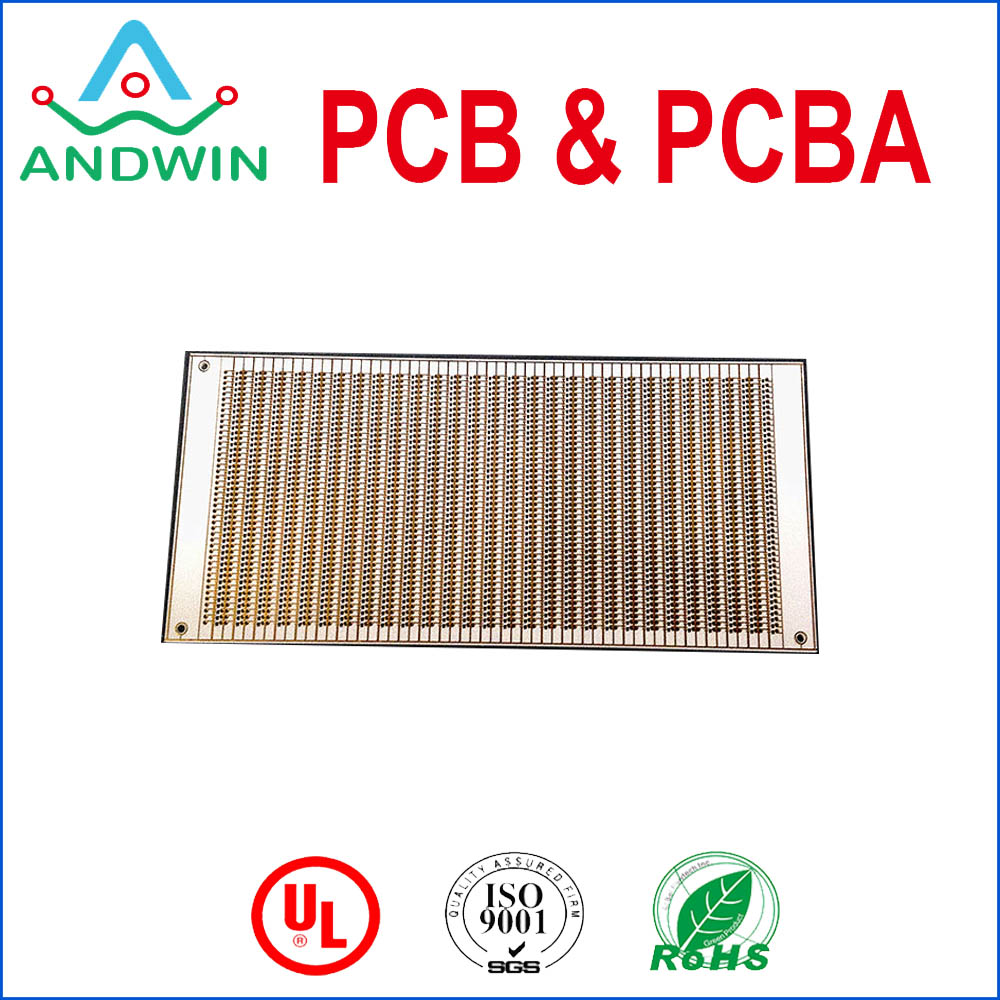
EMI-resilient source for high-speed PCB designs
There are several ways to make a high-speed PCB design EMI-resilient:
1. Ground planes:
Ground planes act as a shield and reduce the amount of EMI that can escape from the PCB. They also provide a low impedance return path for high-speed signals.
2. Decoupling capacitors:
Decoupling capacitors placed close to the power pins of ICs can reduce the amount of noise that is coupled into the power supply.
3. Differential signaling:
Differential signaling uses two signals that are equal in magnitude and opposite in polarity to transmit data.
This technique reduces the amount of EMI that is radiated from the PCB.
4. Controlled impedance:
Controlled impedance ensures that the impedance of the transmission line is constant along its length.
This reduces the amount of reflections and EMI.
5. Shielding: Shielding can be used to isolate sensitive components from EMI.
This can be achieved by using metal cans or conductive coatings.
6. Routing: Proper routing of high-speed signals can reduce the amount of EMI that is radiated from the PCB.
This includes minimizing the length of the signal traces, avoiding sharp bends, and avoiding crossing other signal traces.
By implementing these techniques, a high-speed PCB design can be made EMI-resilient,
ensuring that it meets the necessary electromagnetic compatibility (EMC) standards.