High Tg PCB: A Comprehensive Guide to Materials, Benefits, and Applications
Introduction to High Tg PCB
Printed Circuit Boards (PCBs) are the backbone of modern electronics, providing mechanical support and electrical connections for electronic components. As electronic devices become more advanced, they generate higher heat levels, requiring PCBs that can withstand elevated temperatures without losing structural integrity or performance. This is where High Tg (Glass Transition Temperature) PCBs come into play.
High Tg PCBs are designed to operate reliably in high-temperature environments, making them essential for applications such as aerospace, automotive, industrial machinery, and high-performance computing. This article explores the fundamentals of High Tg PCBs, their advantages, materials, manufacturing considerations, and key applications.
What is Tg (Glass Transition Temperature)?
The Glass Transition Temperature (Tg) is a critical property of PCB materials, representing the temperature at which the base substrate (typically a polymer like FR-4) transitions from a rigid, glass-like state to a softer, rubber-like state.
- Standard FR-4 PCBs typically have a Tg of 130–140°C.
- Mid-Tg PCBs range between 150–160°C.
- High Tg PCBs have a Tg of 170°C or higher, with some advanced materials reaching 200–250°C.
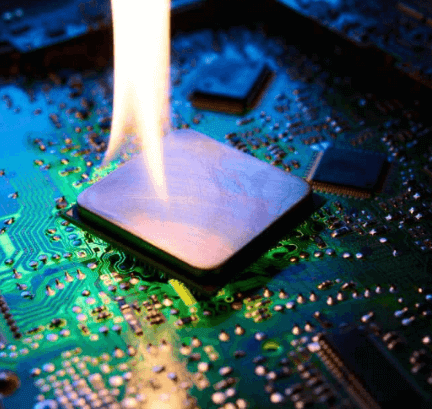
When a PCB operates above its Tg, it may experience:
- Reduced mechanical strength
- Increased thermal expansion
- Delamination or warping
- Degraded electrical performance
High Tg materials mitigate these risks, ensuring stability in extreme conditions.
Why Choose High Tg PCBs?
1. Enhanced Thermal Stability
High Tg PCBs resist deformation and maintain structural integrity at elevated temperatures, making them ideal for high-power and high-frequency applications.
2. Improved Reliability in Harsh Environments
They perform reliably in industries like automotive (under-the-hood electronics) and aerospace, where temperature fluctuations are common.
3. Better Resistance to Thermal Stress
High Tg materials have a lower Coefficient of Thermal Expansion (CTE), reducing the risk of via cracking and layer separation during thermal cycling.
4. Higher Mechanical Strength
These PCBs maintain rigidity at high temperatures, preventing warping during assembly processes like reflow soldering.
5. Suitable for Lead-Free Soldering
Lead-free soldering requires higher temperatures (up to 260°C), which standard FR-4 PCBs may not withstand. High Tg materials are better suited for this process.
Materials Used in High Tg PCBs
Several advanced materials are used to achieve high Tg properties:
1. High Tg FR-4
- Modified epoxy resins with enhanced thermal resistance.
- Tg ranges from 170°C to 180°C.
- Cost-effective compared to exotic materials.
2. Polyimide (PI)
- Extremely high Tg (>250°C).
- Excellent chemical and thermal resistance.
- Used in aerospace and military applications.
3. BT Epoxy (Bismaleimide Triazine)
- Tg between 180°C and 220°C.
- Good electrical properties and moisture resistance.
- Common in high-frequency PCBs.
4. Cyanate Ester
- High Tg (>250°C) and low dielectric loss.
- Used in RF and microwave applications.
5. PTFE (Teflon)
- Exceptional high-frequency performance.
- Tg around 327°C.
- Used in 5G and radar systems.
Manufacturing Considerations for High Tg PCBs
Producing High Tg PCBs requires specialized processes:
1. Laminate Selection
- Choose materials with appropriate Tg, CTE, and dielectric properties.
- Ensure compatibility with lead-free soldering.
2. Drilling and Machining
- High Tg materials are harder, requiring robust drill bits and optimized parameters to prevent tool wear.
3. Lamination Process
- Higher temperatures and pressures are needed to bond layers effectively.
4. Copper Adhesion
- High Tg substrates may require surface treatments to ensure strong copper bonding.
5. Thermal Stress Testing
- Conduct Thermal Cycling Tests (TCT) and Thermal Shock Tests (TST) to validate reliability.
Applications of High Tg PCBs
1. Automotive Electronics
- Engine control units (ECUs), LED lighting, and power converters.
- Must withstand under-the-hood temperatures up to 150°C.
2. Aerospace and Defense
- Avionics, satellite systems, and radar equipment.
- Exposure to extreme temperature variations.
3. Industrial Electronics
- High-power motor drives, power supplies, and automation systems.
- Requires long-term reliability in harsh conditions.
4. High-Performance Computing (HPC)
- Servers, GPUs, and AI accelerators generate significant heat.
- High Tg prevents signal integrity loss.
5. Medical Devices
- Sterilization processes involve high temperatures.
- Critical for imaging systems and surgical equipment.
6. 5G and RF Communications
- High-frequency PCBs demand low signal loss at elevated temperatures.
Challenges and Solutions in High Tg PCB Design
1. Higher Cost
- High Tg materials are more expensive than standard FR-4.
- Solution: Optimize design to minimize material usage.
2. Complex Manufacturing
- Requires precise temperature control during lamination.
- Solution: Partner with experienced PCB manufacturers.
3. Signal Integrity at High Frequencies
- Some High Tg materials have higher dielectric loss.
- Solution: Use low-loss materials like PTFE or modified epoxy.
4. Thermal Management
- High-power designs need efficient heat dissipation.
- Solution: Incorporate thermal vias and heatsinks.
Future Trends in High Tg PCBs
- Higher Tg Materials (Tg > 250°C) for next-gen electronics.
- Integration with High-Speed PCBs for 5G and IoT.
- Eco-Friendly High Tg Laminates with reduced halogen content.
- Advanced Thermal Management Techniques (embedded cooling).
Conclusion
High Tg PCBs are essential for modern electronics operating in high-temperature environments. Their superior thermal stability, mechanical strength, and reliability make them indispensable in automotive, aerospace, industrial, and high-performance computing applications. While they come with higher costs and manufacturing complexities, the benefits far outweigh the challenges, ensuring long-term performance in demanding conditions.
As technology advances, the demand for even higher Tg materials and improved thermal management solutions will continue to grow, driving innovation in PCB manufacturing. Engineers and designers must carefully select materials and manufacturing partners to ensure optimal performance in their applications.