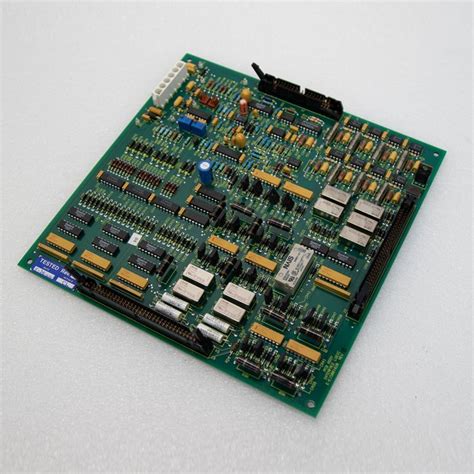
How to make PCB process edge
In the PCB production process, there is another important process, that is, process edge. The reservation of process edge is of great significance for the subsequent SMT patch processing.
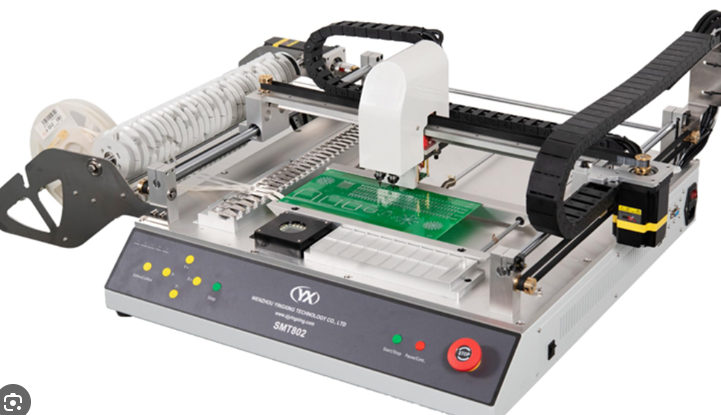
The process edge is the part added on both sides or four sides of the PCB board, mainly to assist the patch plug-in welding and board walking, that is, to facilitate the SMT patch machine track to clamp the PCB board and flow through the patch machine. If the components are too close to the track edge, when the SMT patch machine nozzle absorbs the components and mounts them on the PCB board, there may be a collision phenomenon, resulting in the inability to complete production. Therefore, a certain process edge must be reserved, generally with a width of 2-5mm, etc. This method is also applicable to some plug-in components to prevent similar phenomena when passing through wave soldering.
The process edge is not part of the PCB board and can be removed after the PCBA manufacturing production is completed.
How to make process edge
- V-CUT: A process connection between process edge and board, slightly cut on both sides of PCB board, but do not cut it off!
- Connecting ribs: Use several ribs to connect PCB boards, punch some stamp holes in the middle, so that they can be cut by hand or machine.
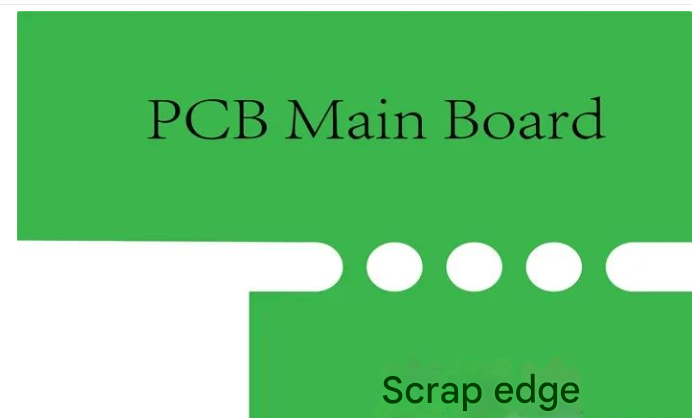
Not all PCB boards need to add process edges. If there is a lot of space on the PCB board, leave no patch components within 5mm on both sides of the PCB, then there is no need to add process edges. There is also a situation where there is no patch component within 5mm on one side of the PCB board, just add process edges on the other side, these need the attention of PCB engineers.
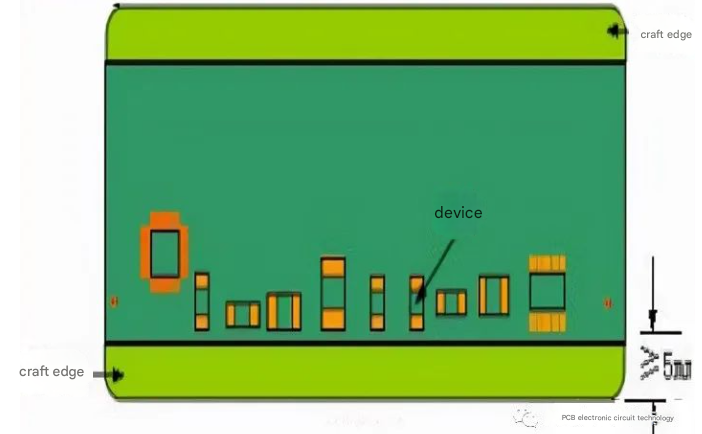
The board consumed by the process edge will increase the overall cost of the PCB, so when designing the PCB process edge, it is necessary to balance economy and manufacturability.
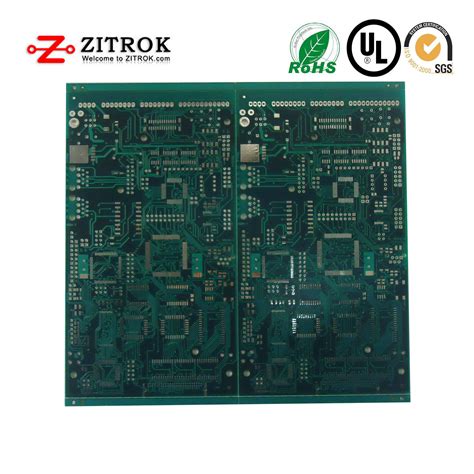
For some special-shaped PCB boards, the original PCB board with 2 or 4 process edges can be greatly simplified by cleverly splicing.
When designing the splicing method in patch processing, it is necessary to fully consider the track width of the SMT patch machine. For splicing with a width of more than 350mm, it is necessary to communicate with the process engineer of the SMT supplier.