How to use prototype circuit board
Understanding The Basics Of Prototype Circuit Boards
Prototype circuit boards, often referred to as breadboards or prototyping boards, are essential tools in the field of electronics, providing a platform for testing and developing circuit designs before committing to a final product. Understanding the basics of these boards is crucial for anyone looking to delve into electronics, whether for professional purposes or as a hobby.
To begin with, it is important to recognize that prototype circuit boards are designed to allow for the easy assembly and modification of circuits.
They typically consist of a grid of holes into which electronic components can be inserted and interconnected without the need for soldering. This feature makes them particularly useful for experimenting with circuit designs, as components can be easily swapped or rearranged.
The layout of a prototype circuit board is generally standardized, with rows and columns of holes that are electrically connected in specific patterns.
Typically, the board is divided into two main areas: the terminal strips and the bus strips. The terminal strips are used for placing and connecting the components, while the bus strips, usually located on the sides, are used for power distribution. Understanding this layout is fundamental, as it dictates how components are connected and how power is supplied throughout the circuit. Moreover, the ability to quickly and efficiently connect components without soldering is a significant advantage, allowing for rapid prototyping and testing.
When using a prototype circuit board, it is essential to have a clear understanding of the circuit design you wish to implement.
This involves having a schematic diagram, which serves as a blueprint for the circuit. The schematic will guide you in placing the components on the board and making the necessary connections. It is advisable to start by placing the larger components, such as integrated circuits, and then work your way down to smaller components like resistors and capacitors. This approach helps in maintaining an organized layout and reduces the likelihood of errors.
In addition to understanding the physical layout and placement of components, it is also important to be familiar with the electrical characteristics of the components being used.
This includes knowing the voltage and current ratings, as well as the polarity of components like diodes and electrolytic capacitors. Ensuring that components are used within their specified limits is crucial to prevent damage and ensure the circuit functions as intended. Furthermore, using a multimeter to test connections and verify voltages can be invaluable in troubleshooting and ensuring the circuit is operating correctly.
Transitioning from the assembly phase to testing, it is important to power the circuit carefully.
Begin by double-checking all connections against the schematic to ensure accuracy. Once verified, apply power gradually, monitoring the circuit for any signs of malfunction, such as overheating components or unexpected behavior. If issues arise, systematically check each part of the circuit to identify and rectify the problem.
In conclusion, prototype circuit boards are indispensable tools for anyone involved in electronics. By understanding their layout, carefully planning and assembling circuits, and methodically testing them, one can effectively use these boards to develop and refine electronic designs. This foundational knowledge not only facilitates successful prototyping but also lays the groundwork for more advanced electronic endeavors.
Step-By-Step Guide To Designing Your First Prototype Circuit Board
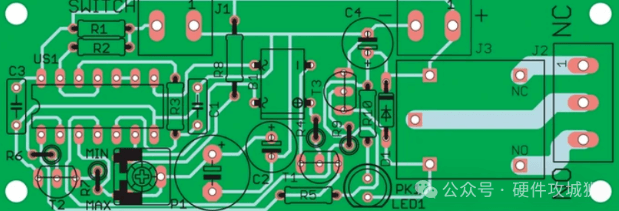
Designing your first prototype circuit board can be an exciting yet challenging endeavor. It requires a blend of creativity, technical knowledge, and meticulous attention to detail. To begin, it is essential to have a clear understanding of the circuit you wish to create. Start by sketching a schematic diagram, which serves as a blueprint for your circuit. This diagram should include all the components and their connections, providing a visual representation of how the circuit will function.
Once you have a schematic, the next step is to select the appropriate components. Consider the specifications and requirements of your circuit, such as voltage, current, and power ratings, to ensure that the components you choose are suitable for your design.
With your components in hand, the next phase involves designing the layout of your circuit board.
This process can be facilitated by using computer-aided design (CAD) software, which allows you to arrange the components on a virtual board and define the electrical connections between them. It is crucial to pay attention to the placement of components, as this can significantly impact the performance and reliability of your circuit. For instance, placing components too close together may lead to interference, while excessive spacing can result in a larger, more cumbersome board.
After finalizing the layout, it is time to transfer your design onto a physical prototype circuit board.
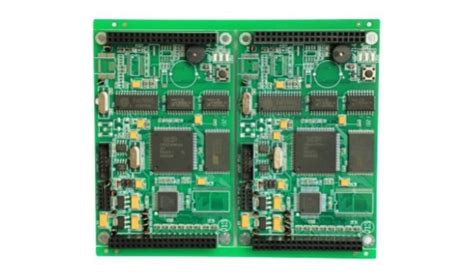
This can be achieved through various methods, such as using a breadboard for simple circuits or employing a printed circuit board (PCB) for more complex designs. Breadboards are ideal for testing and experimentation, as they allow for easy modifications and adjustments. However, for a more permanent solution, a PCB is recommended. To create a PCB, you will need to etch your design onto a copper-clad board, which involves removing unwanted copper to leave behind the desired circuit pattern.
Once your prototype circuit board is ready, the next step is to assemble the components.
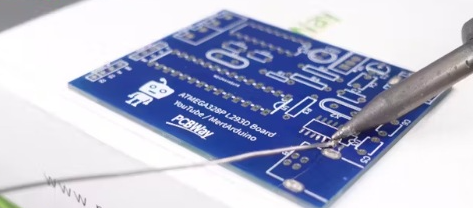
Begin by soldering the components onto the board, ensuring that each connection is secure and free from cold solder joints, which can lead to poor conductivity and circuit failure. It is advisable to use a soldering iron with a fine tip for precision and to work in a well-ventilated area to avoid inhaling fumes. As you solder, double-check each connection against your schematic to ensure accuracy.
With the components in place, it is time to test your prototype circuit board.
Connect a power source and use a multimeter to measure voltage and current at various points in the circuit. This will help you identify any discrepancies or issues that may need to be addressed. If the circuit does not function as expected, troubleshoot by checking for loose connections, incorrect component placement, or faulty components.
Finally, once your circuit is functioning correctly, consider documenting your design and any modifications made during the testing phase. This documentation will be invaluable for future reference or if you decide to produce additional boards. By following these steps, you can successfully design and create your first prototype circuit board, paving the way for more complex and innovative projects in the future.

Common Mistakes To Avoid When Working With Prototype Circuit Boards
When working with prototype circuit boards, it is crucial to approach the task with precision and care to avoid common pitfalls that can lead to inefficiencies or even project failure. One of the most frequent mistakes is neglecting to plan thoroughly before beginning the assembly process. A well-thought-out schematic is essential, as it serves as the blueprint for your circuit. Without a clear plan, you may find yourself making unnecessary adjustments, which can lead to errors and wasted resources. Therefore, it is advisable to spend ample time in the design phase, ensuring that every component is accounted for and correctly placed.
Transitioning from planning to execution, another common error is improper soldering techniques.
Soldering is a critical skill in circuit board assembly, and poor soldering can result in weak connections or short circuits. To avoid this, ensure that you are using the right type of solder and that your soldering iron is at the correct temperature. Additionally, practice steady hand movements to apply the solder precisely where needed. If you are new to soldering, it might be beneficial to practice on scrap materials before working on your actual prototype.
Furthermore, overlooking the importance of component orientation can lead to significant issues.
Many electronic components, such as diodes and electrolytic capacitors, are polarized, meaning they must be installed in a specific direction. Failing to observe the correct orientation can prevent the circuit from functioning as intended or even damage the components. To mitigate this risk, always double-check the polarity markings on both the components and the circuit board before soldering them in place.
In addition to component orientation, another mistake to avoid is inadequate testing throughout the assembly process.
It is a common misconception that testing should only occur after the entire board is assembled. However, testing at various stages can help identify and rectify issues early on, saving time and effort in the long run. For instance, after soldering a few components, you can perform continuity tests to ensure that connections are solid and that there are no unintended shorts. This step-by-step testing approach can significantly enhance the reliability of your prototype.
Moreover, failing to consider the physical layout of components can lead to complications.
A cluttered or poorly organized board can make troubleshooting difficult and may even affect the circuit’s performance due to electromagnetic interference or heat dissipation issues. To avoid this, aim for a clean and logical layout, keeping high-frequency components and sensitive parts well-separated. Additionally, ensure that there is adequate spacing between components to facilitate easy access for testing and potential rework.
Finally, it is essential to maintain a clean and organized workspace.
A messy environment can lead to misplaced components or accidental damage to the circuit board. Keeping your tools and materials neatly arranged not only enhances efficiency but also reduces the likelihood of errors. Regularly clean your workspace and ensure that all components are stored in labeled containers to prevent confusion.
In conclusion, by avoiding these common mistakes—such as inadequate planning, improper soldering, incorrect component orientation, insufficient testing, poor layout, and a disorganized workspace—you can significantly improve the success rate of your prototype circuit board projects. Through careful attention to detail and methodical practices, you can ensure that your prototypes are both functional and reliable, paving the way for successful electronic innovations.
Advanced Techniques For Optimizing Prototype Circuit Board Performance
When delving into the realm of prototype circuit boards, optimizing their performance is a crucial step that can significantly impact the success of your electronic projects. To achieve this, one must employ advanced techniques that not only enhance functionality but also ensure reliability and efficiency. Understanding the intricacies of these techniques can transform a basic prototype into a robust and high-performing circuit.
To begin with, selecting the right materials is fundamental.
The choice of substrate material, such as FR-4, polyimide, or Rogers, can influence the board’s thermal and electrical properties. Each material has distinct characteristics that affect signal integrity and thermal management. For instance, FR-4 is widely used due to its balance of cost and performance, but for high-frequency applications, materials like Rogers may be more suitable due to their superior dielectric properties. Therefore, aligning the material choice with the specific requirements of your project is essential.
Once the material is selected, attention must be paid to the layout design.
A well-thought-out layout can minimize electromagnetic interference (EMI) and crosstalk, which are common issues in densely packed circuits. Utilizing ground planes and proper trace routing techniques can significantly reduce these unwanted effects. For example, keeping signal traces short and direct, and using differential pairs for high-speed signals, can enhance signal integrity. Additionally, maintaining a consistent impedance throughout the board by carefully controlling trace width and spacing is vital for high-frequency applications.
Moreover, power distribution is another critical aspect that requires careful consideration.
Ensuring that power and ground planes are adequately designed can prevent voltage drops and power integrity issues. Implementing decoupling capacitors close to power pins of integrated circuits can help stabilize voltage levels and reduce noise. Furthermore, using a star grounding technique, where all ground connections converge at a single point, can minimize ground loops and improve overall performance.
Thermal management is equally important in optimizing prototype circuit board performance.
As electronic components generate heat during operation, effective heat dissipation is necessary to prevent overheating and ensure longevity. Incorporating thermal vias, heat sinks, and thermal pads can aid in transferring heat away from critical components. Additionally, conducting thermal simulations during the design phase can help identify potential hotspots and allow for proactive measures to be taken.
Testing and validation are indispensable steps in the optimization process.
Employing techniques such as boundary scan testing and in-circuit testing can help identify defects and ensure that the board functions as intended. Furthermore, conducting signal integrity analysis using tools like time-domain reflectometry (TDR) and vector network analyzers can provide insights into potential issues with signal transmission and reflection.
Finally, iterative refinement based on testing results is crucial.
By analyzing test data and making necessary adjustments to the design, one can progressively enhance the board’s performance. This iterative process not only helps in fine-tuning the prototype but also builds a foundation for future projects by providing valuable insights and lessons learned.
In conclusion, optimizing prototype circuit board performance involves a comprehensive approach that encompasses material selection, layout design, power distribution, thermal management, and rigorous testing. By meticulously applying these advanced techniques, one can ensure that the prototype not only meets but exceeds the desired performance criteria, paving the way for successful electronic innovations.