Ict in pcb assembly
Innovations In ICT For Enhanced PCB Assembly Efficiency
In recent years, the integration of Information and Communication Technology (ICT) in Printed Circuit Board (PCB) assembly has revolutionized the electronics manufacturing industry. This transformation is driven by the need for increased efficiency, precision, and reliability in the production process. As the demand for more complex and miniaturized electronic devices grows, manufacturers are increasingly turning to ICT innovations to meet these challenges.
One of the most significant advancements in ICT for PCB assembly is the implementation of automated systems.
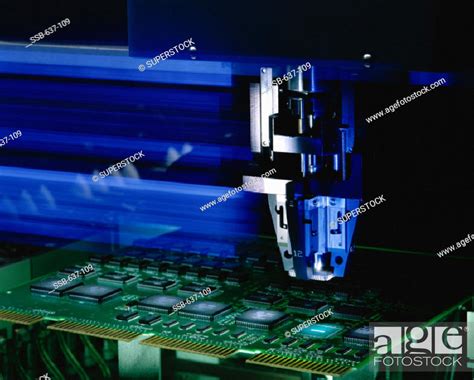
Automation has become a cornerstone in modern manufacturing, allowing for the rapid and accurate assembly of PCBs. By utilizing advanced robotics and machine learning algorithms, manufacturers can significantly reduce human error, enhance production speed, and maintain consistent quality. These automated systems are equipped with sophisticated sensors and cameras that provide real-time data, enabling precise placement of components and immediate detection of defects.
Moreover, the use of ICT in PCB assembly has facilitated the development of smart manufacturing environments.
These environments leverage the Internet of Things (IoT) to connect machines, systems, and processes, creating a seamless flow of information across the production line. This connectivity allows for better monitoring and control of the assembly process, leading to improved decision-making and resource optimization. For instance, IoT-enabled devices can predict equipment failures before they occur, minimizing downtime and maintenance costs.
In addition to automation and IoT, data analytics plays a crucial role in enhancing PCB assembly efficiency.
By harnessing the power of big data, manufacturers can gain valuable insights into their operations. Data analytics tools can analyze vast amounts of information collected from various stages of the assembly process, identifying patterns and trends that may not be immediately apparent. This analysis helps in optimizing production schedules, reducing waste, and improving overall efficiency. Furthermore, predictive analytics can forecast demand and adjust production accordingly, ensuring that resources are allocated effectively.
Another noteworthy innovation is the adoption of digital twins in PCB assembly.
A digital twin is a virtual replica of a physical product or process, allowing manufacturers to simulate and analyze different scenarios without disrupting actual operations. By creating a digital twin of the PCB assembly line, manufacturers can test new strategies, identify potential bottlenecks, and implement improvements in a risk-free environment. This approach not only enhances efficiency but also accelerates the time-to-market for new products.
Furthermore, advancements in ICT have led to the development of more sophisticated design software for PCBs.
These tools enable engineers to create highly detailed and accurate designs, reducing the likelihood of errors during the assembly process. Enhanced design capabilities also allow for better collaboration between teams, as changes can be easily shared and reviewed in real-time. This collaborative approach ensures that all stakeholders are aligned, further streamlining the assembly process.
In conclusion, the integration of ICT in PCB assembly has brought about significant improvements in efficiency, accuracy, and reliability. Through automation, IoT, data analytics, digital twins, and advanced design software, manufacturers are better equipped to meet the demands of an increasingly complex and competitive market. As technology continues to evolve, it is expected that these innovations will further enhance the capabilities of PCB assembly, paving the way for even more sophisticated electronic devices in the future.
The Role Of ICT In Quality Assurance During PCB Assembly
In the rapidly evolving landscape of electronics manufacturing, the integration of Information and Communication Technology (ICT) in Printed Circuit Board (PCB) assembly has become indispensable, particularly in the realm of quality assurance. As the demand for more complex and reliable electronic devices grows, manufacturers are increasingly turning to ICT solutions to enhance the precision and efficiency of their assembly processes. This integration not only streamlines operations but also significantly elevates the standards of quality assurance, ensuring that the final products meet stringent industry requirements.
To begin with, ICT plays a pivotal role in the design and testing phases of PCB assembly. Advanced software tools enable engineers to simulate and analyze circuit designs before they are physically constructed.
This preemptive approach allows for the identification and rectification of potential issues, thereby reducing the likelihood of defects in the final product. Moreover, these tools facilitate the optimization of component placement and routing, which are critical factors in ensuring the functionality and reliability of PCBs. By leveraging ICT in the design phase, manufacturers can achieve a higher degree of accuracy and efficiency, ultimately leading to improved quality assurance.
Furthermore, during the actual assembly process, ICT systems are employed to monitor and control various stages of production.
Automated inspection technologies, such as Automated Optical Inspection (AOI) and Automated X-ray Inspection (AXI), are integral components of ICT in PCB assembly. These systems utilize sophisticated imaging techniques to detect defects such as misalignments, soldering errors, and component defects. By providing real-time feedback, these technologies enable manufacturers to address issues promptly, thereby minimizing the risk of defective products reaching the market. The implementation of such automated systems not only enhances the precision of quality checks but also significantly reduces the time and labor costs associated with manual inspections.
In addition to inspection technologies, ICT facilitates the collection and analysis of data throughout the assembly process.
This data-driven approach allows manufacturers to gain valuable insights into production trends and identify areas for improvement. By analyzing data on defect rates, production times, and equipment performance, manufacturers can implement targeted strategies to enhance quality assurance. For instance, predictive analytics can be used to anticipate equipment failures and schedule maintenance proactively, thereby reducing downtime and ensuring consistent production quality. The ability to harness data effectively is a testament to the transformative impact of ICT on quality assurance in PCB assembly.
Moreover, ICT supports enhanced communication and collaboration among different stakeholders involved in the PCB assembly process.
Cloud-based platforms and collaborative software tools enable seamless information sharing between design teams, production staff, and quality assurance personnel. This interconnectedness ensures that all parties are aligned in their objectives and can respond swiftly to any issues that arise. By fostering a collaborative environment, ICT contributes to a more cohesive and efficient quality assurance process.
In conclusion, the role of ICT in quality assurance during PCB assembly is multifaceted and transformative. From design optimization and automated inspections to data-driven decision-making and enhanced collaboration, ICT solutions are integral to ensuring the production of high-quality PCBs. As technology continues to advance, the reliance on ICT in PCB assembly is expected to grow, further solidifying its position as a cornerstone of quality assurance in the electronics manufacturing industry. Through the strategic implementation of ICT, manufacturers can not only meet but exceed the ever-increasing demands for reliability and precision in electronic devices.
Integrating ICT Solutions For Cost-Effective PCB Assembly
In the rapidly evolving landscape of electronics manufacturing, the integration of Information and Communication Technology (ICT) solutions into Printed Circuit Board (PCB) assembly processes has emerged as a pivotal strategy for enhancing cost-effectiveness and efficiency. As the demand for more complex and miniaturized electronic devices continues to grow, manufacturers are increasingly turning to ICT to streamline operations, reduce errors, and optimize resource utilization. This integration not only addresses the challenges of modern PCB assembly but also paves the way for innovative approaches to production management.
To begin with, ICT solutions facilitate real-time monitoring and control of the PCB assembly process.
By employing advanced software and hardware systems, manufacturers can track every stage of production, from component placement to soldering and testing. This real-time data collection allows for immediate identification of any discrepancies or defects, enabling swift corrective actions. Consequently, the reduction in error rates leads to significant cost savings, as fewer resources are wasted on rework or scrap. Moreover, the ability to monitor production in real-time enhances overall process transparency, fostering a culture of continuous improvement and accountability within manufacturing teams.
In addition to real-time monitoring, ICT solutions also play a crucial role in predictive maintenance and equipment management.
By analyzing data collected from various sensors and devices, manufacturers can predict potential equipment failures before they occur. This proactive approach to maintenance minimizes downtime and extends the lifespan of critical machinery, further contributing to cost savings. Furthermore, predictive maintenance ensures that production schedules remain on track, thereby improving delivery timelines and customer satisfaction.
Another significant advantage of integrating ICT into PCB assembly is the optimization of supply chain management.
Through the use of sophisticated software platforms, manufacturers can achieve greater visibility and control over their supply chains. This enhanced oversight allows for more accurate demand forecasting, inventory management, and supplier coordination. As a result, manufacturers can reduce excess inventory and minimize the risk of component shortages, both of which have direct implications for cost efficiency. Additionally, improved supply chain management facilitates more agile responses to market fluctuations, enabling manufacturers to adapt quickly to changing customer needs and preferences.
Moreover, ICT solutions support the implementation of advanced quality control measures in PCB assembly.
Automated inspection systems, powered by machine learning algorithms, can detect even the most minute defects with high precision. This level of accuracy surpasses traditional manual inspection methods, ensuring that only high-quality products reach the end customer. By reducing the incidence of defective products, manufacturers can avoid costly returns and warranty claims, thereby safeguarding their reputation and bottom line.
Furthermore, the integration of ICT in PCB assembly fosters enhanced collaboration and communication across different departments and stakeholders.
Cloud-based platforms and collaborative tools enable seamless information sharing and coordination, breaking down silos and promoting a more cohesive approach to problem-solving. This interconnectedness not only accelerates decision-making processes but also encourages innovation and creativity, as teams can leverage diverse perspectives and expertise.
In conclusion, the integration of ICT solutions into PCB assembly processes offers a multitude of benefits that collectively enhance cost-effectiveness and operational efficiency. From real-time monitoring and predictive maintenance to optimized supply chain management and advanced quality control, ICT empowers manufacturers to navigate the complexities of modern electronics production with greater agility and precision. As the industry continues to evolve, embracing these technological advancements will be crucial for manufacturers seeking to maintain a competitive edge in the global market.
Future Trends In ICT Applications For PCB Assembly
The integration of Information and Communication Technology (ICT) in Printed Circuit Board (PCB) assembly has been a transformative force, driving efficiency and precision in manufacturing processes. As we look to the future, several trends are poised to further revolutionize this domain, offering new opportunities and challenges for the industry.
One of the most significant trends is the increasing adoption of the Internet of Things (IoT) in PCB assembly.
IoT devices, with their ability to communicate and share data seamlessly, are enhancing the capabilities of PCB assembly lines. By embedding sensors and connectivity modules into assembly equipment, manufacturers can monitor real-time data, enabling predictive maintenance and reducing downtime. This connectivity not only improves operational efficiency but also enhances the quality control processes by providing detailed insights into each stage of assembly.
Moreover, the rise of artificial intelligence (AI) and machine learning is set to play a pivotal role in the future of PCB assembly.
AI algorithms can analyze vast amounts of data generated during the assembly process to identify patterns and anomalies that may indicate potential defects. This capability allows for more accurate and timely interventions, reducing the likelihood of faulty products reaching the market. Additionally, machine learning models can optimize assembly line configurations, adapting to changes in production requirements and improving overall throughput.
Another trend shaping the future of ICT in PCB assembly is the advancement of digital twin technology.
Digital twins are virtual replicas of physical systems that can simulate and predict the performance of PCB assembly lines. By creating a digital twin of the assembly process, manufacturers can experiment with different scenarios and configurations without disrupting actual operations. This approach not only aids in optimizing production but also facilitates the design and testing of new assembly techniques and technologies.
Furthermore, the integration of cloud computing is becoming increasingly prevalent in PCB assembly.
Cloud-based platforms offer scalable resources and storage solutions, enabling manufacturers to manage and analyze large datasets efficiently. This capability is particularly beneficial for small and medium-sized enterprises (SMEs) that may not have the infrastructure to support extensive on-premises data processing. By leveraging cloud computing, these companies can access advanced analytics and machine learning tools, leveling the playing field with larger competitors.
In addition to these technological advancements, the future of ICT in PCB assembly will also be influenced by the growing emphasis on sustainability and environmental responsibility.
As the industry seeks to reduce its carbon footprint, ICT solutions are being developed to optimize energy consumption and minimize waste. For instance, smart energy management systems can monitor and control the power usage of assembly equipment, ensuring that energy is used efficiently. Additionally, ICT-enabled recycling and waste management systems can track and manage the disposal of materials, promoting a circular economy within the industry.
In conclusion, the future trends in ICT applications for PCB assembly are set to bring about significant changes, driven by advancements in IoT, AI, digital twin technology, cloud computing, and sustainability initiatives. These developments promise to enhance the efficiency, quality, and environmental responsibility of PCB assembly processes. As the industry continues to evolve, manufacturers must stay abreast of these trends to remain competitive and capitalize on the opportunities they present. By embracing these innovations, the PCB assembly sector can look forward to a future characterized by increased productivity, reduced costs, and a commitment to sustainable practices.