Innovations in Flex Circuit Assemblies for Modern Electronics

Key Takeaways
The evolution of flex circuit assemblies has brought about a significant transformation in the realm of electronics, particularly through innovations in pcb assembly techniques. Designed to accommodate the increasing demands for compactness and efficiency, these flexible circuits, often referred to as pcba, open up opportunities for a diverse array of applications. The engineering behind flex circuit designs allows for a notable enhancement in electrical performance. These assemblies are not only more lightweight than traditional rigid options but they also provide unparalleled flexibility, enabling the integration into challenging spaces within devices. This versatility makes them essential for industries ranging from consumer electronics to medical devices. As advancements continue, it is clear that the effective implementation of flex circuits will play a pivotal role in shaping the future landscape of modern technology. The key takeaway is that embracing these innovations can lead to improved functionality and better adaptability across various sectors, reinforcing the critical nature of incorporating flex circuit assemblies into next-generation electronic solutions.
Introduction to Flex Circuit Assemblies: A Revolution in Electronics
Flex circuit assemblies represent a key innovation in the field of electronic design, offering a robust solution that addresses the evolving needs of modern technology. As devices become increasingly compact, the demand for flexible printed circuit boards (PCBs) has risen significantly. These flex circuits enable engineers to create lightweight and adaptable solutions that maintain high performance without the bulk associated with traditional rigid pcb assembly methods. The integration of pcba technology allows for intricate layouts that can bend and twist in ways previously unachievable, enhancing the overall functionality of electronic products.
Moreover, flex circuits facilitate improved thermal and impedance characteristics, which are vital in ensuring efficient operation within limited spaces. As applications expand – from wearables to sophisticated consumer electronics – the versatility of flex circuit assemblies becomes glaringly evident. Their ability to endure dynamic movements and compressions without sacrificing reliability is reshaping manufacturing processes across various industries.
“Today’s innovation is not just about size or weight reduction; it’s about staying ahead in functionality and adaptability,” explains a leading expert in electronic engineering.
Thus, as we observe this revolution in electronic design, flex circuit assemblies remain at the forefront, empowering a new generation of devices that are not only efficient but also innovative. The continuous improvements in designs and materials will undoubtedly lead to further advancements, impacting how we perceive modern electronics and their capabilities moving forward.
The Engineering Behind Flex Circuit Designs
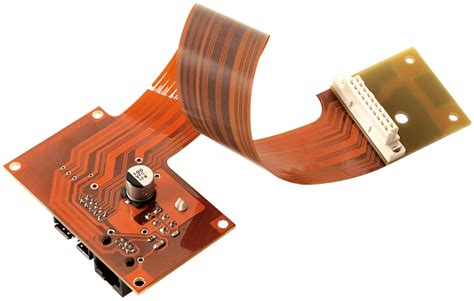
The design and engineering of flex circuit assemblies represent a significant shift in the way electronic devices are constructed. At the core of this innovation lies the unique combination of materials and manufacturing techniques that streamline the pcb assembly process. Unlike traditional rigid circuit boards, flex circuits utilize substrates that can bend, twist, and conform to various shapes, allowing for more compact designs without sacrificing functionality. The precision involved in the fabrication of pcba not only optimizes space but also enhances electrical performance by minimizing signal loss and maximizing connectivity. Additionally, engineers are increasingly leveraging advanced layering techniques to incorporate multiple functionalities into a single assembly. This engineering ingenuity facilitates the integration of components while maintaining a lightweight profile, catering to the demands of modern electronics where portability is paramount. The ongoing evolution in flex circuit technology underscores its pivotal role in advancing device capabilities across various sectors, heralding a new era for electronic engineering.
Performance Enhancements: How Flex Circuits Improve Functionality
Flex circuit assemblies, commonly abbreviated as FPC (Flexible Printed Circuits), have become essential in the realm of modern electronics due to their remarkable capability to enhance device functionality. The unique design of flex circuits allows them to incorporate multiple electronic components, such as resistors and capacitors, within a single, flexible substrate. This results in pcb assembly processes that are not only more efficient but also yield enhanced performance characteristics.
One of the critical ways that flex circuits improve functionality is through their ability to minimize signal loss. Traditional rigid boards often face challenges related to bending and physical stress, leading to potential disruptions in performance. In contrast, the flexibility of these circuits ensures they maintain consistent electrical connectivity even when subjected to motion or deformation. Consequently, this enhances signal integrity and reduces latency in communication between electronic components.
Additionally, advancements in materials used for pcba have resulted in improved thermal management properties. By utilizing materials that dissipate heat more effectively, flex circuits can operate at higher power levels without risking damage to interconnected components. This feature is especially vital for high-performance applications such as consumer electronics or automotive systems.
| Feature | Rigid Circuit Boards | Flex Circuit Assemblies |
|---|---|---|
| Signal Integrity | Moderate | High |
| Thermal Management | Limited | Advanced |
| Weight | Heavy | Lightweight |
| Application Versatility | Limited | Extensive |
In summary, the implementation of flex circuit assemblies allows for significant enhancements in functionality across various modern electronic applications. Their unique properties lead to increased reliability and performance while also providing opportunities for design innovation and miniaturization that rigid PCB counterparts may struggle to achieve.
Weight Reduction Benefits of Using Flex Circuits
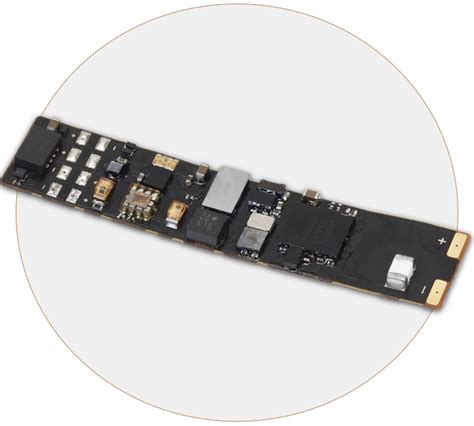
One of the most remarkable advantages of using flex circuit assemblies is their ability to significantly contribute to weight reduction in modern electronic devices. Unlike traditional rigid pcb assembly techniques, which often involve heavier components and materials, flex circuits utilize lightweight substrates that can be strategically configured. This lightweight design not only aids in reducing overall product weight but also enables engineers to create more compact and efficient systems. The reduction in weight can lead to enhancements in portability, especially in applications like wearable technology and mobile devices, where every gram counts. Furthermore, lighter devices often experience lower mechanical stress during operation, which can enhance their durability and reliability over time. With advancements in pcba technology, manufacturers can achieve intricate designs without compromising on strength or performance, paving the way for sleeker products that meet the demands of today’s consumers. Ultimately, the incorporation of flex circuits into product designs offers a dual benefit: it simplifies assembly processes while actively contributing to a lighter, more efficient overall product design.
Flexibility in Applications: Versatility of Flex Circuit Assemblies
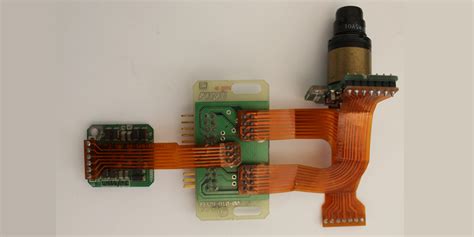
Flex circuit assemblies, often referred to as flex circuits, are rapidly gaining traction across multiple industries due to their remarkable versatility. These assemblies are capable of accommodating complex designs that traditional pcb assembly techniques may struggle to achieve. By utilizing pcba technology, manufacturers can create lightweight, flexible circuits that adapt seamlessly to a variety of applications. This adaptability is particularly advantageous in sectors such as consumer electronics, automotive, and medical devices, where space and weight constraints are critical.
The construction of flex circuit assemblies allows for intricate pathways that can bend and flex without compromising the integrity of the electrical connections. This not only enhances performance but also opens up design possibilities that were previously infeasible with rigid circuits. As a result, products can be engineered with more efficient heat dissipation and reduced signal loss. With the growing demand for compact and lightweight technology, the integration of flex circuits into everyday devices is becoming increasingly vital.
Moreover, the enhanced flexibility of these assemblies means that they can be incorporated into more challenging designs, such as curved displays or wearables. In applications where conventional boards would fail to perform effectively due to space limitations or mechanical stress, flexible circuits stand out as an ideal solution. Their adaptability ensures that advancements in technology continue to drive innovation while providing robust functionality across various sectors.
Case Studies: Innovations in Various Industries
The implementation of flex circuit assemblies has yielded remarkable transformations across multiple industries, showcasing their versatility and efficiency. In the medical sector, flex circuits are making significant strides, particularly in portable diagnostic equipment where size and weight are critical. For instance, a leading manufacturer developed a compact wearable device that utilizes pcb assembly techniques to effectively monitor vital signs while ensuring maximum comfort for the patient. Similarly, in the automotive industry, pcba technologies are enabling the integration of advanced sensors that enhance vehicle safety and performance. These innovations have resulted in more responsive systems for features such as lane departure warnings and collision avoidance. Additionally, the consumer electronics field is continually benefiting from flexible circuit designs that allow manufacturers to create slimmer devices without compromising functionality. A prominent smartphone brand has leveraged these technologies to produce a foldable device that not only reduces bulk but also elevates user experience through improved screen responsiveness and clarity. Overall, these case studies exemplify how innovations in flex circuit assemblies are not merely enhancing products but are also paving the way for future developments in various sectors.
Future Trends in Flex Circuit Technology
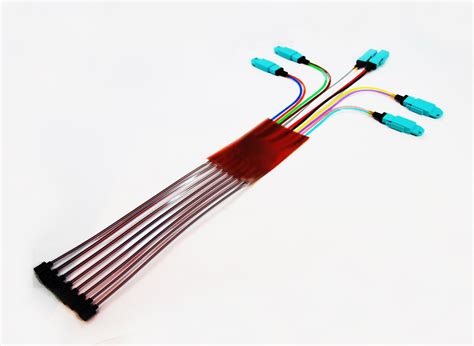
As the demand for smaller, lighter, and more efficient electronic devices continues to grow, the future of flex circuit assemblies looks promising. Advancements in materials and manufacturing processes are paving the way for even more sophisticated pcb assembly techniques that enhance overall functionality. One notable trend is the integration of smart technology into flex circuits, allowing for real-time data collection and interaction. Similarly, miniaturization is a key focus, where designers are pushing the limits of how compact circuits can be while ensuring reliability. As industries explore new applications—from wearable technology to automotive systems—flex circuits are becoming essential components in ensuring that products remain competitive in an ever-evolving market. Furthermore, sustainability considerations are influencing future designs, with a shift towards eco-friendly materials and processes in pcba manufacturing. This holistic approach not only benefits manufacturers but also promotes environmentally conscious practices within the industry. The evolution of flex circuit technology thus represents a convergence of innovation with practicality, addressing both consumer demand and environmental responsibility.
Conclusion: The Impact of Flex Circuits on Modern Electronics
As we reflect on the evolution and impact of flex circuit assemblies, it is evident that they have become a cornerstone of modern electronics. Since their inception, these circuits have transformed the landscape of electronic design, providing unparalleled advantages such as increased design flexibility and reduced weight. The integration of pcb assembly techniques with flexible circuit technology has led to significant enhancements in product performance, making devices not only more efficient but also more reliable in demanding environments. Industries ranging from telecommunications to consumer electronics have embraced this innovation, capitalizing on the ability to fit intricate designs into compact spaces without compromising functionality. As the demand for smaller and lighter devices continues to rise, the flexibility offered by these assemblies ensures that they will remain essential in advancing electronic solutions. The future of pcba technology also looks promising, with ongoing research aimed at further enhancing their capabilities and applications across a variety of sectors. Thus, flex circuits are not just a trend but a pivotal element driving the future of electronics design and innovation.
Conclusion: The Impact of Flex Circuits on Modern Electronics
In summary, the integration of flex circuit assemblies into modern electronic designs has marked a pivotal shift in how devices are engineered. By utilizing flex circuits, manufacturers can achieve exceptional levels of performance while simultaneously reducing the overall weight of their products. This is particularly evident in applications where space is at a premium, such as in consumer electronics, medical devices, and aerospace technology. The versatility of flex circuit assemblies allows for intricate designs that traditional pcb assembly methods may struggle to accommodate. Furthermore, the advantages of pcba technology play a significant role in enhancing connectivity and reliability across various sectors. As industries continue to embrace these innovative designs, it is clear that the future of electronics will heavily rely on the capabilities offered by flex circuit assemblies, paving the way for smarter and more efficient devices that cater to an ever-evolving marketplace.
FAQs
What are flex circuit assemblies?
Flex circuit assemblies, or flex circuits, are specialized circuit boards that can bend and twist, allowing for more versatile designs in electronic devices.
How do flex circuits enhance performance?
They improve performance by reducing resistive losses and optimizing space, which can lead to faster signal transfers in compact devices.
What industries utilize flex circuits?
Flex circuits are widely used in various industries, including medical devices, consumer electronics, automotive systems, and aerospace applications.
What is the difference between PCB assembly and PCBA?
PCB assembly refers to the process of assembling components onto a printed circuit board (PCB), while PCBA (printed circuit board assembly) indicates that the PCB is ready for use, having undergone all assembly processes.
Are there weight benefits associated with using flex circuits?
Yes, using flex circuit assemblies significantly reduces weight compared to traditional rigid boards. This is especially important in aerospace and portable devices where weight is a critical factor.
How do flex circuits contribute to design flexibility?
Their ability to bend allows engineers more freedom to explore compact designs, enabling innovations that would not be feasible with rigid boards.
For further insights into PCB assembly, please visit our website.