Innovations in Flexible Circuit Assembly for Modern Electronics
Key Takeaways
Flexible circuit assembly has emerged as a pivotal advancement in the realm of modern electronics, particularly in its integration into pcb assembly processes. The innovation in pcba technologies allows designers to create remarkably thin and lightweight devices without compromising performance. These enhancements lend themselves to improved aesthetic design options and space optimization, making it easier to incorporate advanced functionalities into compact formats. Moreover, the unique properties of flexible circuits facilitate curved and 3D designs, which are increasingly sought after in consumer electronics, wearables, and medical devices. The adaptability of these circuits addresses the growing demand for more versatile applications while simultaneously tackling challenges such as durability and cost-effectiveness. As technologies evolve, the continuous improvement of flexible circuit assembly processes will play a vital role in shaping the future landscape of electronic design, ensuring these innovations are not only effective but also widely adopted across various industries.
Introduction to Flexible Circuit Assembly
Flexible circuit assembly has emerged as a pivotal technology in the realm of modern electronics, enabling a new wave of compact, lightweight devices that meet the demands of today’s users. Flexible circuits, often used in conjunction with pcb assembly processes, offer unparalleled design options and functionality. By utilizing materials that can bend and conform, manufacturers can create intricate layouts that maintain high performance while saving space. This adaptability not only enhances device performance but also encourages innovations in product design.
Furthermore, the integration of flexible circuits facilitates more efficient designs, reducing weight without compromising on electrical integrity. As the industry shifts towards creating devices that are both portable and powerful, flexible circuits play a vital role in this transformation. However, achieving successful pcba processes for these advanced assemblies presents unique challenges, including material selection and manufacturing techniques that ensure durability and reliability.
“As we embrace technology’s advancement, flexibility in design will be key to fostering innovation.” This sentiment reflects the ongoing trend towards creating versatile electronic solutions capable of meeting diverse user needs. The convergence of flexible circuit assembly with burgeoning technologies like IoT and wearable devices heralds a promising future where innovation knows no bounds.
Key Innovations in Flexible Circuit Technology
The field of flexible circuit assembly has undergone remarkable transformation, propelled by a series of technological advancements that have reshaped how we design and manufacture electronic devices. One significant innovation is the integration of advanced materials in the production process, such as polyimide and polyester, which offer exceptional durability while maintaining light weight and flexibility. These materials enhance not only the mechanical performance of circuits but also their thermal stability, making them ideal for applications in increasingly compact electronics.
Another pivotal advancement is the refinement of fabrication techniques, including high-density interconnections that allow for more complex circuit designs within a smaller footprint—this is where techniques for pcb assembly become vital. Such methods enable more efficient routing of connections without compromising on performance. This is particularly important in sectors like wearable technology and IoT devices, where space is at a premium.
Furthermore, improvements in automated assembly processes, leveraged by robotics and advanced adhesives, contribute to more accurate positioning of components on flexible substrates. This not only enhances the reliability of the resultant pcba but also minimizes production time and costs.
| Innovation | Description |
|---|---|
| Advanced Materials | Use of polyimide and polyester for enhanced durability |
| High-Density Interconnections | Allows complex designs in minimal space |
| Automated Assembly Processes | Increases accuracy and decreases production costs |
Collectively, these innovations position flexible circuits at the forefront of modern electronics design, ensuring that as consumer demand evolves toward smaller and more capable devices, flexible technology keeps pace with these aspirations while continuing to address industry challenges effectively.
Benefits of Flexible Circuits in Modern Electronics
The adoption of flexible circuits has transformed the landscape of modern electronics, offering numerous advantages that enhance performance and design capabilities. One of the most significant benefits is space efficiency. By integrating flexible circuit assembly into device designs, manufacturers can create more compact, lightweight products without compromising function. These circuits can be easily bent or shaped, allowing for innovative layout options that traditional rigid circuits cannot achieve. Furthermore, PCB assembly processes for flexible designs often require fewer components, leading to reductions in both size and weight while maintaining optimal performance levels.
Another key advantage is the improved durability of flexible circuits. Their inherent flexibility reduces stress on components during operation, making them particularly suitable for wearable technology or devices subjected to constant movement. This durability translates into a longer lifespan for electronic devices, ultimately benefiting consumers with more reliable products.
Moreover, the use of PCBA techniques in flexible circuit technologies can lead to lower manufacturing costs in the long run. As production processes advance and materials improve, economies of scale can be achieved, making these innovative solutions increasingly accessible to various industries from consumer electronics to healthcare devices.
In addressing environmental considerations, flexible circuits also support sustainable design practices. With their potential for minimizing material waste and reducing energy consumption during production, they align with the growing demand for eco-friendly technologies. Overall, the integration of flexible circuit technology provides modern electronics with versatility, durability, and sustainability—essential factors driving future innovation within this dynamic field.
Challenges in Flexible Circuit Assembly and Solutions
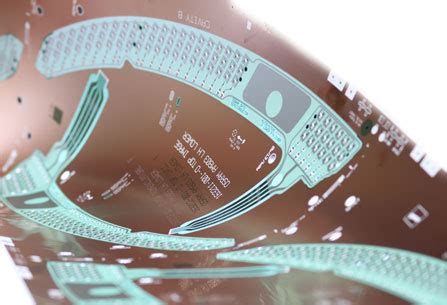
The landscape of flexible circuit assembly, or pcba, is not without its challenges, which can significantly impact production efficiency and performance. One of the primary challenges is the delicate nature of flexible substrates, which often leads to issues during handling and assembly. These materials can be prone to damage if not managed properly, potentially affecting the overall quality of the pcb assembly. Additionally, ensuring precise alignment and sufficient adhesion between layers is crucial; misalignment can lead to poor electrical performance or even circuit failure. Another concern lies in integrating flexible circuits into existing manufacturing processes, which may not be optimized for handling these advanced materials.
However, innovations are rapidly addressing these challenges. Advances in adhesive technologies are improving bonding strength while maintaining flexibility, thus facilitating better integration during pcba processes. Additionally, automation and robotic assembly solutions are being developed specifically for flexible circuits. These systems enhance precision and reduce the likelihood of human error during the assembly process. Furthermore, enhanced testing methods are being introduced to identify potential defects early in production, ensuring higher reliability in electronic devices that utilize flexible circuits.
Ultimately, addressing these challenges not only streamlines pcb assembly processes but also paves the way for greater design innovation and performance enhancements in modern electronics. As the industry continues to evolve, overcoming these obstacles will be crucial for fully harnessing the potential of flexible circuits in aesthetic and functional applications across various fields.
Case Studies: Applications of Flexible Circuits
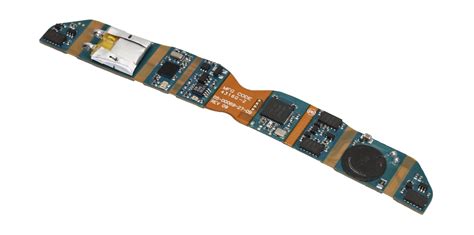
Flexible circuits have revolutionized various industries by enabling innovative solutions that enhance device performance and design flexibility. One notable application is in the realm of consumer electronics, where flexible printed circuit board (PCB) assembly technologies are employed in smartphones and wearables. These devices benefit significantly from the lightweight and compact design that flexible circuit assemblies offer, allowing for intricate layouts that traditional rigid circuits cannot achieve. For instance, companies have successfully integrated flexible circuits into foldable smartphones, making them more portable without sacrificing functionality.
In the medical field, flexible circuit assembly is critical for advanced wearable health monitoring devices. These devices require lightweight, durable components that conform comfortably to the human body while delivering accurate data. The use of PCBA allows for seamless integration of sensors and communication components into a flexible form factor, improving patient experience and data collection efficiency.
Another compelling case study can be found in automotive applications, where flexible circuits are utilized in advanced driver-assistance systems (ADAS). Such systems rely on complex electronic operations that require reliability and adaptability; flex PCB assembly meets these needs by providing intricate circuit configurations tailored to specific vehicle designs. This not only enhances safety features but also contributes to the miniaturization of vehicle electronics.
Overall, the diversity of applications underscores the versatility of flexible circuit technologies, which continue to address industry challenges while paving the way for future innovations across various sectors.
Future Trends in Flexible Circuit Assembly
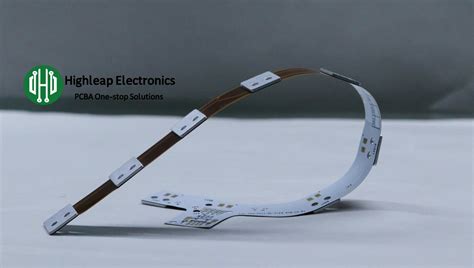
As the tech landscape evolves, the future trends in flexible circuit assembly are poised to revolutionize the electronics industry, opening doors to innovative designs and applications. One significant trend is the integration of advanced materials, such as conductive inks and nano-coatings, which enhance the durability and performance of flexible circuits. These materials contribute to making pcm assembly more adaptable, supporting a wider range of applications from consumer electronics to medical devices. Another critical advancement is the increasing automation in the pcba process, enabling higher precision and efficiency in manufacturing. With automation, companies can minimize errors while significantly reducing production timelines—resulting in cost-effective solutions for high-volume demands. Additionally, as demand for wearable technology intensifies, flexible circuit assemblies are becoming more compact and lightweight without compromising functionality. This trend not only emphasizes design flexibility but also aligns with user preferences for devices that seamlessly fit into daily life. Furthermore, sustainable practices are emerging as essential components of future assemblies; producers are focusing on eco-friendly materials and production methods to meet regulatory demands and customer expectations for environmentally conscious products. As these trends continue to shape the landscape of flexible circuit assembly, they promise not only enhanced device performance but also a broader range of possibilities for innovation within modern electronics.
Conclusion: The Impact of Innovations on Electronics Design
The ongoing innovations in flexible circuit assembly are significantly reshaping electronics design. By integrating pcb assembly processes with advanced materials and techniques, manufacturers are achieving unparalleled levels of design flexibility and device integration. This evolution in pcba technology allows for lighter, thinner, and more efficient electronic products that cater to the demands of today’s fast-paced digital world. Moreover, the emergence of technologies such as printed electronics and soft robotics has opened up new avenues for creativity in product design, pushing the boundaries of what is possible. Such advancements not only enhance the overall aesthetic appeal but also improve performance metrics like conductivity and thermal management. Nevertheless, it’s crucial to address the challenges associated with these innovations, such as production scalability and reliability issues. As we look to the future, the commitment to overcoming these obstacles will undoubtedly lead to even more groundbreaking developments in flexible circuit technologies, ensuring a significant impact on how modern electronics will evolve in the coming years.
Conclusion: The Impact of Innovations on Electronics Design
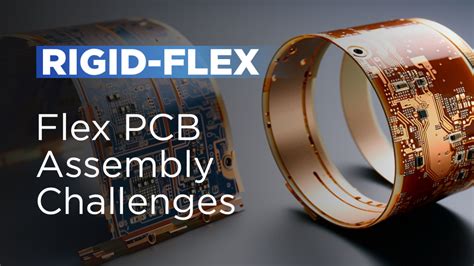
As we reflect on the advancements made in flexible circuit assembly, it’s apparent that these innovations significantly influence the landscape of modern electronics. The integration of pcb assembly methodologies has allowed designers to innovate without the typical constraints imposed by traditional circuit designs. Innovations in flexible circuits empower engineers to create devices that are not only lighter and thinner, but also capable of operating in more challenging environments. With the ability to bend and conform to various shapes, pcba solutions enable a vast range of applications, from wearable technology to aerospace systems. Additionally, the development of more robust materials and adhesive technologies has enhanced durability while also maintaining performance standards critical for today’s high-performance electronics. These improvements collectively address long-standing industry challenges, ensuring that electronics can adapt seamlessly to evolving design requirements. As we look toward the future, it is clear that continued advancements in flexible circuit assembly will play a vital role in defining what is possible in electronics design, paving the way for even more innovative solutions that meet consumer demands and drive industry progress.
FAQs
What is flexible circuit assembly?
Flexible circuit assembly, often referred to as FCA, is the process of fabricating and assembling circuits on flexible substrates, allowing for enhanced design versatility and functionality in modern electronic devices.
How do flexible circuits differ from traditional rigid circuits?
Unlike traditional rigid circuits, flexible circuits can bend, twist, and conform to various shapes, providing significant advantages in terms of space constraints and product design. The ability to integrate multiple components into a compact structure allows for innovative solutions in electronic design.
What are some benefits of using flexible circuit assembly (FCA)?
The benefits of FCA include reduced weight, improved reliability due to fewer solder joints, and enhanced thermal management. Additionally, flexible circuit assembly supports miniaturization trends in electronics while maintaining high performance.
What challenges are associated with flexible circuit assembly?
Common challenges include determining the right materials and managing manufacturing processes. Achieving precise pcb assembly, ensuring durability during flexing, and tackling thermal issues are also critical considerations in the development of effective PCBA.
Are there innovations currently shaping flexible circuit technology?
Yes, innovations are continuously emerging. These include advancements in materials that enhance conductivity while reducing weight and improvements to automated manufacturing techniques that streamline pcb assembly, making it more efficient.
If you’re interested in exploring more about pcb assembly, we recommend checking out further resources available at our website.