Innovations in Flexible PCB Assembly for Modern Electronics
Key Takeaways
Innovations in flexible PCB assembly have drastically reshaped the landscape of modern electronics. At the forefront are advanced materials that cater to the demands of miniaturization and increased functionality in devices. For instance, the integration of polyimide and PET substrates in pcb assembly processes enhances durability and thermal resistance, crucial for high-performance applications. Moreover, new fabrication techniques, such as laser cutting and 3D printing, allow for complex designs that were previously unattainable, ultimately driving down production costs while improving performance.
This evolution not only opens doors for new types of consumer electronics but also significantly benefits sectors like wearable technology. Such devices require compact designs with flexible features that can adapt to varied applications without compromising on signal integrity or durability. Effective design strategies in pcba, when combined with sustainable practices, ensure that these products meet modern environmental standards and consumer expectations.
To illustrate the advancements in this field, the following table summarizes key innovations:
| Innovation | Description |
|---|---|
| Advanced Materials | Use of polyimide and PET for enhanced durability |
| New Fabrication Techniques | Techniques like laser cutting and 3D printing |
| Applications | Focus on wearable technology and compact devices |
| Sustainability | Eco-friendly materials and methods in production |
As these innovations continue to unfold, they shape a future where flexibility in pcb assembly is not just a preference but a necessity across various technological domains. Finally, staying attuned to these trends positions manufacturers to better meet evolving market needs while pushing the boundaries of what is possible with flexible PCBs.
Innovative Materials Driving Flexible PCB Assembly
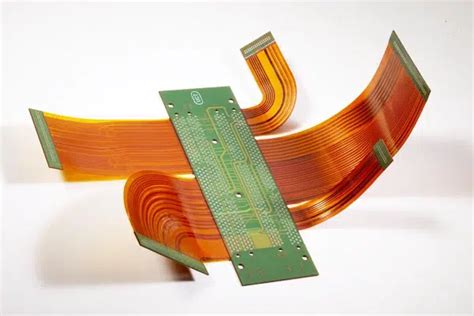
In the rapidly evolving landscape of electronics, innovative materials play a crucial role in advancing flexible PCB assembly (PCBA). These materials are designed to provide enhanced performance, durability, and versatility, ultimately influencing the design and functionality of modern devices. For instance, advanced polymers and composites are being utilized to create substrates that not only support complex circuitry but also allow for greater flexibility and lightweight designs. This is particularly important in applications where space is a constraint, as seen in today’s miniaturized electronics.
Moreover, materials such as polyimide and PET (polyethylene terephthalate) are gaining popularity due to their superior thermal and electrical properties. These substrates help ensure reliable pcb assembly processes while accommodating intricate layouts that traditional rigid boards might struggle with. The ongoing research into conductive inks and adhesives further pushes the boundaries, enabling more efficient connections while maintaining the necessary mechanical properties for bending and flexing.
“Utilizing the right materials not only enhances performance but also plays a pivotal role in driving innovation in PCB assembly.”
By focusing on these innovative options, designers can create products that are not only aesthetically pleasing but also functionally robust. As these materials continue to evolve, their implications for flexible design in electronics will undoubtedly set new standards for quality and efficiency in flexible PCBs across various industries.
Advanced Techniques in Flexible PCB Manufacturing
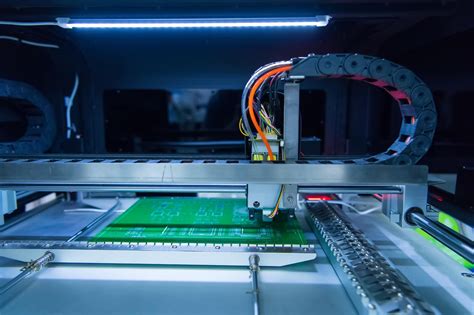
The evolution of flexible PCB assembly (PCBA) has given rise to a myriad of advanced techniques that significantly enhance the efficiency and effectiveness of the manufacturing process. One such technique is polymer thick-film printing, which allows for the deposition of conductive inks on flexible substrates, resulting in highly customizable PCB designs. This technique not only reduces material waste but also improves production speed, thereby facilitating the rapid prototyping of innovative electronic devices. Another notable advancement is laser direct structuring, which utilizes focused laser beams to create intricate patterns directly onto flexible materials. This method ensures precision and flexibility in design, allowing manufacturers to tailor PCBA to meet specific application requirements, especially in compact and challenging spaces. Additionally, surface mount technology (SMT) has gained traction in flexible PCB manufacturing, enabling the placement of smaller components with increased reliability. As the demand for more complex and versatile electronic systems continues to grow, these advanced techniques in flexible PCB assembly are pivotal in supporting the burgeoning fields of wearable technology and miniaturized devices. Overall, the integration of these innovative methods marks a significant leap forward in enhancing both design capabilities and production quality within modern electronics.
The Role of Flexible PCBs in Miniaturization of Electronics
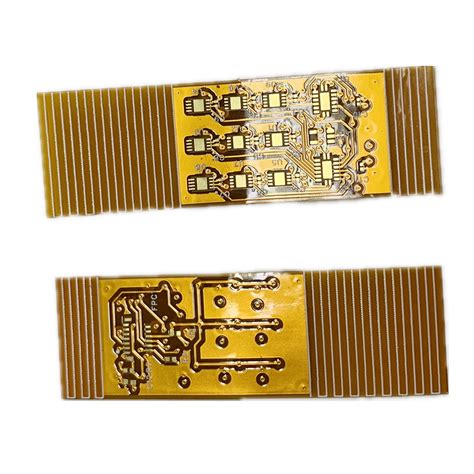
Flexible PCBs, commonly known as FPCs, have emerged as a cornerstone in the miniaturization of electronic devices, enabling manufacturers to create compact and lightweight products. The ability to bend and conform to various shapes allows pcb assembly processes to integrate components more densely without compromising functionality. As electronic devices strive for portability, the trend towards thin and flexible PCBA designs is not merely a preference but a requirement. With advancements in materials, such as polyimide and liquid crystal polymer, these boards offer superior thermal stability and mechanical durability. This makes them not only ideal for smartphones and tablets but also crucial for high-performance applications in areas like aerospace and medical devices. The flexibility provided by these innovative designs allows engineers to explore new architectural possibilities that optimize both space and weight considerations. By employing advanced techniques in flexible PCB manufacturing, designers can push the boundaries of what is achievable, resulting in smarter, more efficient electronic solutions that meet the ever-evolving demands of the market. As we continue to witness rapid technological developments, understanding the pivotal role of flexible PCBs in enhancing product design becomes increasingly essential for driving future innovations.
Applications of Flexible PCBs in Wearable Technology
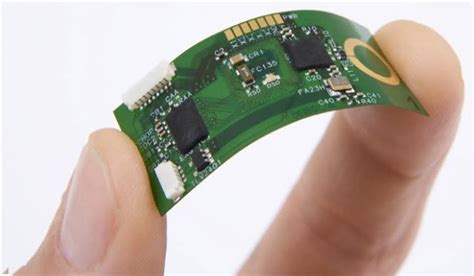
The rise of wearable technology has significantly influenced the demand for flexible PCB assembly (PCBA), which enables the creation of compact and lightweight devices essential for modern applications. Innovative materials utilized in flexible PCBs, such as polyimide and other advanced composites, contribute to their excellent performance in varied conditions. These materials not only enhance durability but also allow for intricate designs that can conform to the human body, making them ideal for health-monitoring devices, smartwatches, and fitness trackers. The advantages of flexible PCBs extend to their ability to support a range of electronic components and sensors, facilitating seamless integration into devices without sacrificing functionality or comfort. As a result, flexible PCB assembly plays a crucial role in the ongoing miniaturization of electronics, enabling designers to push the boundaries of what is possible in wearable technology while ensuring reliable signal integrity. This evolution in design allows consumers to benefit from increasingly sophisticated features packed into smaller footprints—all while maintaining high performance levels necessary for real-time data processing and user interaction.
Enhancing Signal Integrity in Flexible PCB Design
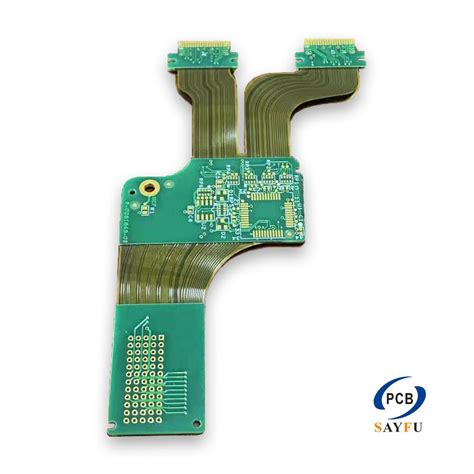
In the world of flexible PCB assembly, achieving optimal signal integrity is crucial for the performance of modern electronics. One of the key challenges in pcba is managing the electrical characteristics while maintaining flexibility and compactness. Advanced design techniques, such as strategically placed vias and impedance matching, play a significant role in reducing signal losses and crosstalk. The choice of materials also influences signal integrity; using high-frequency laminates with low dielectric constants can help preserve signal quality over longer distances. Furthermore, incorporating effective grounding techniques is essential to minimize noise and ensure robust performance in dynamic applications. Innovations in layout design now allow for intricate routing configurations that enhance both electrical performance and overall reliability. As flexible PCBs continue to evolve, understanding and implementing these strategies will be instrumental in advancing the capabilities of cutting-edge technology while adhering to the demands for miniaturization and efficiency in electronic devices.
Sustainability Considerations in Flexible PCB Assembly
As the demand for more environmentally-friendly electronic solutions increases, the topic of sustainability in flexible PCB assembly has gained considerable attention. The production and use of flexible printed circuit boards (PCBs) present unique challenges and opportunities in this regard. Manufacturers are increasingly exploring eco-friendly materials that reduce the environmental footprint associated with PCB assembly processes. For instance, using materials like organic substrates and recyclable polymers not only contributes to lower emissions but also promotes a circular economy by enabling the recycling of end-of-life products.
Additionally, by implementing efficient production techniques, companies can minimize waste and energy consumption throughout the pcba lifecycle. Adopting advanced manufacturing methods such as additive manufacturing and digital printing further enhances these sustainability efforts by reducing excess material utilization. Moreover, as flexible PCBs are often integrated into lightweight designs, they inherently support energy efficiency in electronic devices.
As consumers become more conscious of sustainable practices, aligning with these principles not only enhances a company’s market reputation but also opens avenues for innovation in product development. Thus, sustainability remains a critical focus as industries navigate the future of flexible PCB assembly while striving to meet both consumer expectations and regulatory standards regarding environmental stewardship.
Future Trends in Flexible PCB Technologies
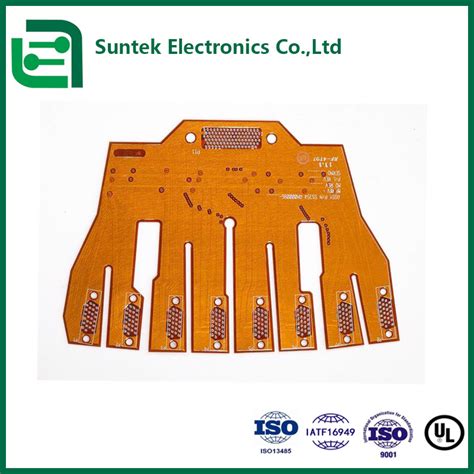
As the field of pcb assembly continues to evolve, several key trends are emerging that will shape the future of pcba and flexible printed circuit boards. One significant trend is the increasing use of lightweight and highly conductive materials, which not only enhance performance but also enable more complex designs. Innovations in materials such as graphene and advanced polymers are paving the way for flexible PCB assembly that is both durable and efficient. Furthermore, the integration of smart technologies into flexible circuits is becoming more prevalent, with applications that involve sensors and IoT devices featuring responsive capabilities. As manufacturers push for greater efficiency, automation in the manufacturing process of flexible PCBs is also on the rise, significantly reducing human error while accelerating production rates. This trend towards automation is complemented by advancements in design software that allow engineers to streamline their workflows and optimize layouts for better signal integrity and reduced losses. Moreover, as electronic devices become increasingly compact, flexible PCBs are playing a crucial role in addressing challenges posed by miniaturization. This not only applies to consumer electronics but expands into sectors such as automotive and healthcare, where pcba can enhance device performance while maintaining form factor requirements. Overall, these trends indicate a promising future for flexible PCB technologies, driven by innovation and a growing demand for higher functionality in smaller packages.
Conclusion
In summary, the advancements in flexible PCB assembly have significantly transformed the landscape of modern electronics, showcasing remarkable progress in both materials and manufacturing processes. The innovative use of polymeric substrates has enabled designers to create PCBs that are not only lightweight but also capable of withstanding various environmental conditions. Additionally, the incorporation of advanced techniques such as laser-cutting and high-density interconnects has further enhanced the performance and design flexibility inherent in flexible PCBA solutions. These innovations play a pivotal role in driving the miniaturization of electronic components, thereby paving the way for sophisticated applications in sectors like wearable technology and IoT devices. Furthermore, as sustainability becomes increasingly critical, eco-friendly materials and processes are emerging within the PCB assembly domain, promoting greener manufacturing practices. As we look to the future, it is clear that these trends will continue to shape the evolution of electronics, ensuring that flexible PCBs remain at the forefront of technological advancements.
FAQs
What is flexible PCB assembly?
Flexible PCB assembly refers to the process of manufacturing and assembling printed circuit boards (PCBs) that can bend, fold, or twist. These boards are essential for modern electronics where space and weight are critical factors.
How does flexible PCB assembly differ from traditional PCBA?
Unlike traditional PCBA, which is often rigid and limited in design capabilities, flexible pcb assemblies enable greater design freedom. This allows engineers to create more compact products while maintaining performance and functionality.
What are the advantages of using flexible PCBs in electronics?
The advantages include increased design flexibility, reduced weight, and improved space utilization. Flexible PCBs can also enhance reliability by reducing the number of rigid connections that may be susceptible to failure.
What materials are commonly used in flexible PCB assembly?
Common materials include polyimide for the substrate, which offers excellent thermal stability, and copper for traces. Advanced materials may also include specialty laminates that improve performance characteristics.
In what applications are flexible PCBs typically used?
Flexible PCBs are widely used in applications such as wearable technology, medical devices, and consumer electronics. Their adaptability makes them suitable for a variety of innovative designs that require compactness and flexibility.
For more details on how to enhance your electronic designs with high-quality pcb assembly, please click here: AndwinPCB PCB Assembly