Innovations in Printed Circuit Assembly for Modern Electronics
Key Takeaways
In the evolving landscape of electronics, printed circuit assembly (PCA), often referred to as pcb assembly, stands out as a critical component that enhances device functionality. Recent innovations in pcba techniques have significantly transformed the efficiency and precision of manufacturing processes. For instance, automated assembly lines now integrate advanced robotics that not only streamline production but also minimize human error. Additionally, emerging technologies such as machine learning algorithms are being utilized to predict and address potential faults in pcb assembly, thereby improving overall quality.
Sustainability has become a paramount concern in today’s manufacturing environments. By adopting eco-friendly materials and methods, companies are making strides toward reducing waste and energy consumption during the pcba process.
“Sustainability isn’t just a trend; it’s a necessity that drives innovation in our production practices.”
These advancements promise not only enhanced performance but also a greener approach to electronics manufacturing. As the industry continues to grow, staying abreast of such trends will be crucial for stakeholders hoping to maintain competitiveness in a fast-evolving market. The synergy between technology and sustainability is likely to shape the future of printed circuit assembly, offering myriad opportunities for improvement and growth.
Introduction to Printed Circuit Assembly: An Overview
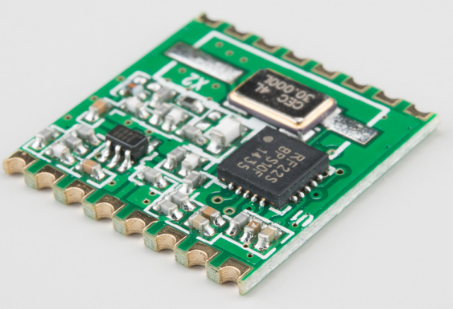
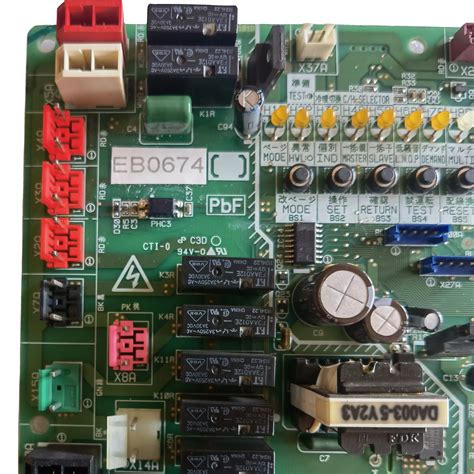
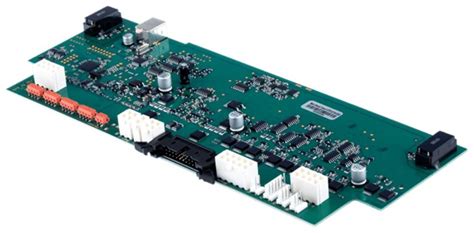
Printed Circuit Assembly (PCA) is a crucial element in the world of electronics, serving as the backbone for a wide range of devices, from smartphones to industrial machinery. This process involves the assembly of various electronic components onto a printed circuit board (PCB). During pcb assembly, precision and efficiency are paramount, as even small errors can lead to significant malfunctions or failures in electronic devices. The evolution of pcba techniques has enabled manufacturers to enhance both productivity and quality control, integrating cutting-edge technology to streamline workflows.
In recent years, innovations in PCA have focused on several key areas: miniaturization of components, automation in assembly processes, and advanced materials that support better performance. As devices become increasingly compact yet more powerful, the techniques used in pcb assembly must adapt accordingly. For example, surface-mount technology (SMT) allows for denser component placement, significantly increasing functionality while reducing size.
The introduction of smart manufacturing practices has further transformed how PCA is approached. Automated robotic systems and artificial intelligence are now being employed to enhance precision during assembly processes. These developments not only improve efficiency but also contribute to sustainability, as fewer resources are wasted, and energy consumption is minimized.
In summary, the world of printed circuit assembly is undergoing rapid transformation, driven by technological advancements that promise to improve manufacturing processes and ultimately the performance of electronic devices. As we explore these innovations further in this article, we will uncover how they collectively shape the current landscape of modern electronics manufacturing.
Key Innovations Transforming PCA Techniques
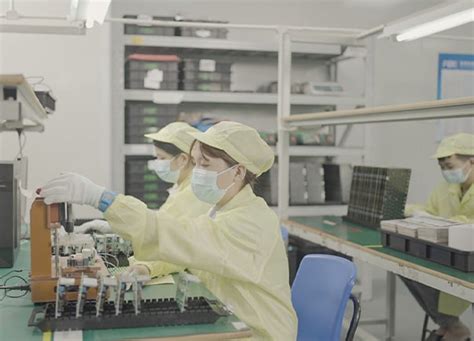
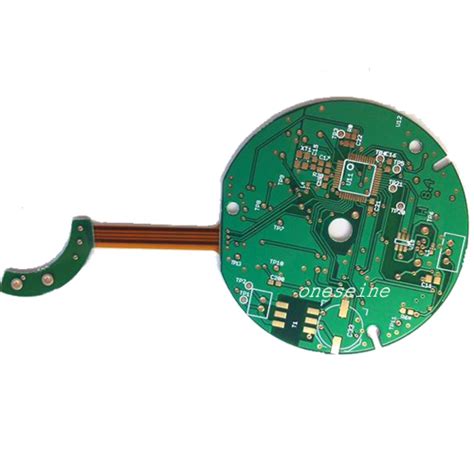
In the realm of printed circuit assembly (PCA), several key innovations have emerged that are transforming traditional techniques into more sophisticated approaches. These advancements are not only enhancing the efficiency and precision of pcb assembly, but they also play a crucial role in accommodating the ever-evolving demands of modern electronic devices. One significant innovation is the adoption of automated assembly processes, which leverage robotics and artificial intelligence to increase production rates while minimizing human error. Additionally, the integration of smart technologies into pcba processes allows for real-time monitoring and optimization, ensuring consistent quality throughout production runs. Furthermore, advancements in materials science have led to the development of flexible circuit boards, which provide greater design versatility without compromising performance. Collectively, these innovations in PCA techniques represent a proactive response to industry needs, promoting a landscape where efficiency, precision, and sustainability coexist harmoniously within electronic manufacturing.
Efficiency Improvements in Modern Electronic Manufacturing
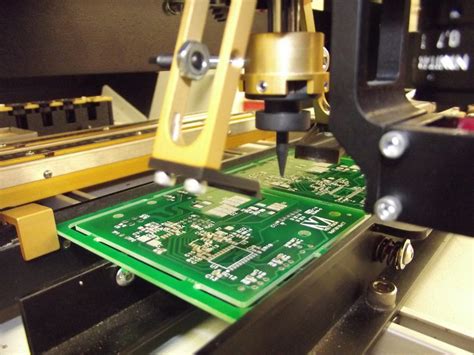
In the rapidly evolving field of electronics, efficiency improvements in pcb assembly processes are critical. Modern pcba techniques employ innovative strategies that streamline workflows and decrease production times significantly. Techniques such as surface-mount technology (SMT) allow components to be placed directly onto the surface of printed circuit boards (PCBs), vastly improving assembly speed and reducing the likelihood of errors. Moreover, automation in pcb assembly operations facilitates a more consistent quality of products, minimizing defects that might arise from manual handling. Advanced software solutions enable real-time monitoring and adaptability in assembly lines, thereby optimizing resource allocation and energy use. These advancements not only contribute to greater productivity but also ensure precision in soldering and component placement, essential for maintaining the high performance of electronic devices. As manufacturers adopt these cutting-edge technologies, the balance between enhanced efficiency and reduced operational costs becomes more achievable, positioning the industry for sustainable growth moving forward.
Enhancing Precision in Printed Circuit Assembly Processes
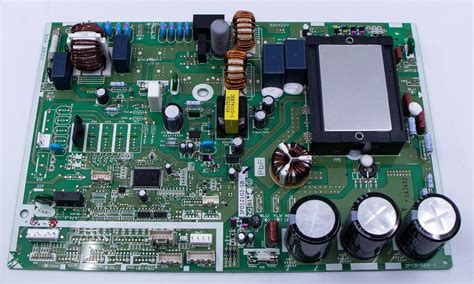
In the realm of pcb assembly, precision is paramount. Advances in technology have revolutionized the printed circuit assembly (PCA) processes, enhancing both accuracy and reliability of pcba. One notable innovation is the implementation of automated inspection systems, which utilize machine vision to quickly identify defects during assembly. This not only reduces the likelihood of errors but also significantly speeds up production cycles. Additionally, new materials and soldering techniques are emerging to further boost precision; for instance, low-temperature soldering methods allow for precise control over thermal profiles, which is crucial for delicate components.
Furthermore, the integration of advanced software solutions plays a key role in optimizing pcb assembly processes. These tools enable detailed simulation and analysis prior to production, allowing manufacturers to predict potential issues and address them proactively. As a result, there’s a marked improvement in dimensional accuracy and co-planarity—a critical factor that affects the performance of electronic devices.
Moreover, adopting rigorous quality control measures throughout every stage of pcba enhances overall process reliability. Continuous feedback loops facilitate real-time adjustments to assembly techniques or materials used, ensuring that each printed circuit board meets stringent industry standards. By focusing on these innovative approaches, manufacturers can not only improve precision but also create more robust and efficient electronic systems that meet modern consumer demands.
Sustainable Practices in PCA: Balancing Performance and Environment
As the demand for electronic devices increases, the importance of sustainable practices in pcb assembly becomes ever more critical. Manufacturers are now adopting innovative techniques that not only improve efficiency but also reduce environmental impact. For instance, using lead-free solders and eco-friendly materials in pcba processes helps minimize harmful emissions and promotes recyclability. Additionally, advancements in energy-efficient equipment signify a shift towards more responsible manufacturing practices. Implementing automated inspection systems using artificial intelligence aids in maintaining quality while significantly reducing waste during production. Moreover, optimizing designs through thorough analysis can lead to smaller footprints, decreasing the use of materials and energy associated with printed circuit assembly. Ultimately, the goal is to achieve a balanced approach where performance meets environmental stewardship, ensuring that the future of electronics is both advanced and sustainable.
Emerging Technologies Shaping the Future of PCA
The landscape of pcb assembly is being transformed by several emerging technologies that promise to enhance the efficiency and precision of printed circuit assembly (PCA). One significant advancement is the integration of Artificial Intelligence (AI) and machine learning algorithms, which analyze production data to predict potential failures and optimize manufacturing processes. This not only streamlines operations but also leads to increased yield rates in pcba production. Additionally, the rise of 3D printing technology has opened new avenues for creating prototypes and customized electronic assemblies, allowing engineers to innovate rapidly without disrupting existing workflows. Alongside these innovations, the adoption of advanced materials, such as flexible substrates and high-density interconnects, is increasing the capability of PCA in accommodating compact designs with complex functionalities. As these technologies converge, they are shaping a future where pcb assembly processes are not only faster but also more adaptable to market demands and sustainability goals, fostering a new era in electronic manufacturing.
Case Studies: Successful Implementations of Advanced PCA Techniques
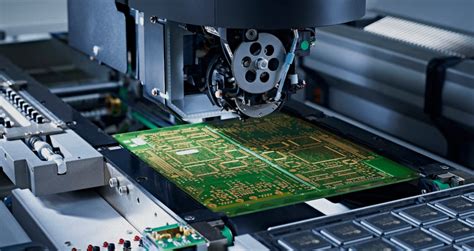
In the ever-evolving realm of pcb assembly, several organizations have pioneered the use of advanced techniques that showcase the potential of printed circuit assembly in transforming electronic manufacturing. One notable case is that of a major automotive manufacturer which integrated pcba technology incorporating automated optical inspection (AOI) systems. This innovation drastically reduced error rates during the assembly process and increased throughput without compromising quality. The meticulous inspection provided by AOI ensures that defects can be identified early, enhancing overall production efficiency. Another exemplary implementation can be observed in a consumer electronics firm that adopted advanced PCA methodologies using modular assembly techniques. By leveraging flexible manufacturing systems, they managed to streamline their production lines, allowing for rapid changes to product designs and shorter time-to-market for new devices. This adaptability not only resulted in significant cost savings but also minimized waste, aligning with sustainable practices increasingly valued in today’s marketplace. Moreover, through collaboration with suppliers employing state-of-the-art materials, this company improved the reliability and performance of its final products while adhering to eco-friendly standards. These case studies underline the dynamic capabilities and efficiencies offered by modern pcb assembly practices, demonstrating their potential to set new standards within the electronics industry.
Conclusion: The Future Landscape of Printed Circuit Assembly and Electronics
As the electronics industry continues to evolve, the future of printed circuit assembly (PCA), also known as pcb assembly, is likely to be shaped by several key factors. Advancements in technology are pushing the boundaries of what is possible in pcba, leading to smarter, more efficient designs. With an increasing emphasis on miniaturization and performance, manufacturers are exploring novel materials and processes that enhance functionality while reducing overall footprint.
Moreover, sustainability has become a crucial aspect of modern manufacturing, influencing pcb assembly techniques. Companies are adopting environmentally friendly practices to minimize waste and energy consumption, striving to align their operations with global sustainability goals. The integration of automated systems in ppi allows for increased precision and shorter production times, providing manufacturers with a competitive edge in a fast-paced market.
As we look forward, the role of emerging technologies such as artificial intelligence and machine learning in optimizing pcba processes cannot be understated. These innovations not only promise greater accuracy but also facilitate real-time monitoring and predictive maintenance. Thus, the landscape of printed circuit assembly is on the brink of significant transformation, driven by technological advancements that enhance efficiency while prioritizing ecological concerns. As stakeholders navigate this dynamic environment, collaboration and adaptation will be key to harnessing these innovations effectively.
Conclusion: The Future Landscape of Printed Circuit Assembly and Electronics
The evolution of printed circuit assembly (PCA) techniques is paving the way for a transformative era in modern electronics. As industries demand higher performance and rapid production cycles, the integration of innovative practices continues to shape the landscape of pcb assembly. Future developments are expected to encapsulate not only efficiency improvements but also enhancements in sustainability, ensuring that electronic manufacturing aligns with environmental responsibilities. The rise of advanced technologies, such as automation, machine learning, and internet of things (IoT), is further streamlining pcba processes, enabling manufacturers to achieve unprecedented levels of accuracy and reliability.
As companies adopt these cutting-edge solutions, the benefits are significant: reduced operational costs, decreased waste, and optimized workflows will help organizations stand out in a saturated market. Moreover, embracing sustainable practices complements technological advancements, allowing the industry to move towards greener alternatives without sacrificing performance. Ultimately, these innovations will dictate not only the future success of printed circuit assembly but also influence how electronics are designed, produced, and consumed in an increasingly interconnected world. As we navigate this transition, it is crucial for stakeholders to stay abreast of emerging trends and equip themselves with strategies that foster adaptability in this dynamic environment.
FAQs
What is printed circuit assembly (PCA)?
Printed circuit assembly, often abbreviated as PCA, is the process of assembling electronic components onto a printed circuit board (PCB) to create functional electronic devices. This involves placing electronic components onto the board and soldering them in place.
What are the main advancements in PCB assembly techniques?
Recent innovations in pcb assembly involve automation and robotics, which enhance the accuracy and speed of the assembly process. Techniques like surface mount technology (SMT) and through-hole technology have also been refined to improve component placement and solder joint reliability.
How does PCBA improve efficiency in manufacturing?
Efficiency improvements in pcba are achieved through streamlined workflows, advanced machinery, and optimized supply chain management. Automation reduces manual labor and minimizes human error, leading to faster production rates and lower operational costs.
What role does precision play in PCA processes?
Precision is critical in PCA, as even minute errors can lead to malfunctioning electronic devices. Techniques such as laser soldering and precise component placement tools ensure that solder joints are executed flawlessly, maintaining high standards of quality.
Are there sustainable practices integrated into PCB assembly?
Yes, sustainable practices are increasingly important in pcb assembly. This includes using eco-friendly materials, reducing waste through efficient production processes, and minimizing energy consumption during manufacturing. These practices help balance performance with environmental responsibility.