Innovative Applications of All Flex Circuits in Modern Technology
Key Takeaways
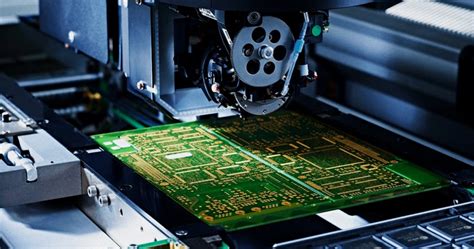
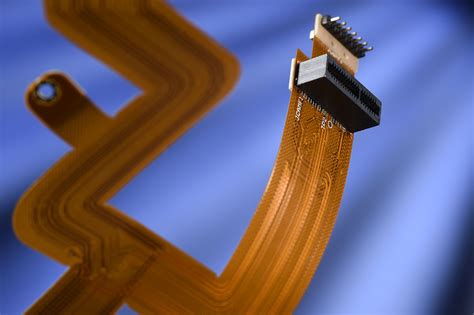
In today’s rapidly evolving technological landscape, all flex circuits play a pivotal role across various sectors. Their inherent flexibility allows them to adapt to different applications, making them essential in industries like medical, aerospace, and telecommunications. When you consider the intricacies of pcb manufacturing, it’s clear that pcb manufacturing companies are increasingly integrating flex circuit technology to meet the demands of modern devices. This adaptability can significantly impact the overall pcb manufacturing cost, as manufacturers leverage the lightweight and versatile design of flex circuits to produce more efficient products. Furthermore, the rise of pcb manufacturing business relies on exploring innovative materials and processes that facilitate the use of flex circuits in creating compact and complex electronic systems. By embracing these advancements, you can better understand how these elements drive innovation and function seamlessly within your products, ultimately enhancing functionality while optimizing production Costs.
Introduction to All Flex Circuits: A Technological Overview
In today’s rapidly advancing technological landscape, all flex circuits have emerged as a pivotal component across various industries. Their unique ability to bend and conform to different shapes not only enhances design flexibility but also optimizes space utilization, making them an ideal choice for complex electronic devices. You might find these circuits widely used in high-tech applications such as medical devices, where precision and reliability are paramount. They facilitate the miniaturization of components, leading to innovative solutions that are both efficient and effective. Furthermore, as you explore the realm of pcb manufacturing, you will notice how numerous pcb manufacturing companies have adapted their processes to integrate all flex circuits into their product offerings. This shift is not solely driven by demand but also by the necessity to reduce pcb manufacturing costs associated with traditional rigid boards. By streamlining processes and materials in your pcb manufacturing business, you can significantly benefit from the versatility that comes with flex circuits. The continuous evolution in this field highlights not just an engineering breakthrough, but a revolutionary approach that is reshaping technological design and functionality.
The Versatility of All Flex Circuits in the Medical Industry
The medical industry has seen groundbreaking advancements, largely driven by the adoption of all flex circuits. These circuits are not just a technological novelty; they play a crucial role in enhancing the functionality and portability of medical devices. As you explore these innovative applications, you will discover that flexible printed circuits offer unique advantages, including compact design and lightweight properties, which are pivotal in contexts where every millimeter counts.
Many pcb manufacturing companies have recognized this opportunity to innovate. They have tailored their processes to create flexible circuit boards that meet stringent medical standards. This ensures that devices such as diagnostic tools, portable monitors, and wearable health devices can benefit from enhanced reliability and performance. The pcb manufacturing cost associated with these advanced technologies is often offset by the substantial benefits they provide in diagnostics and treatment.
One important factor to consider when evaluating flex circuits is that they enable more efficient use of space within medical devices. For example, consider how a traditional rigid circuit board occupies more volume compared to its flexible counterpart. This space-saving advantage allows for smaller, more ergonomic designs that can better accommodate patient needs.
“Incorporating flexible technology into medical device design not only elevates performance but also enhances patient experience,” says an industry expert.
As you delve deeper into the topic, it’s clear that the integration of all flex circuits greatly influences the efficacy of medical technologies while allowing for innovative features that were previously unattainable. By staying informed about advancements from reliable sources like Andwin PCB, you can learn more about how these technologies are revolutionizing healthcare delivery today.
Emphasizing design flexibility with all flex circuits, it becomes apparent how essential this technology is for future progress in medical applications.
Enhancing Aerospace Innovations with Flex Circuit Technology
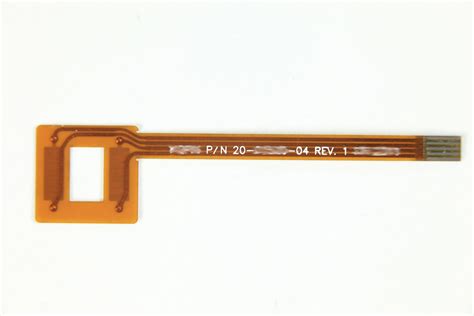
In the realm of aerospace, all flex circuits are revolutionizing how technology is integrated into aircraft and spacecraft designs. These advanced circuits allow for greater design freedom, enabling engineers to create compact and lightweight systems that were previously unimaginable. As you explore the landscape of pcb manufacturing, you will notice that flex circuits contribute significantly to reducing the pcb manufacturing cost compared to traditional rigid circuit boards, as they can accommodate complex designs while minimizing space.
Furthermore, partnering with pcb manufacturing companies that specialize in flexible circuit technologies can provide your aerospace projects with a competitive edge. These companies often offer cutting-edge solutions that streamline the production and assembly processes, resulting in faster turnaround times and increased reliability. The ability to bend, twist, and adapt flex circuits to various configurations ensures that your aerospace innovations can withstand extreme conditions while optimizing performance.
For those involved in pcb manufacturing business, harnessing the power of all flex circuits is not just a trend; it’s a strategic move towards enhancing overall system efficiency. By utilizing flexible materials, you pave the way for sophisticated routing in limited spaces without sacrificing functionality. This capability is crucial in aircraft where weight savings directly impact fuel efficiency and operational costs. The ongoing advancement of flex circuit technology promises to enhance not just aerodynamics but also systems integration across various aerospace applications.
Telecommunications Advancement through All Flex Circuits
In the realm of telecommunications, the demand for high-performance and compact technologies has led to remarkable advancements. All flex circuits play a pivotal role in enhancing communication devices by providing superior design flexibility and efficiency. As you navigate through pcb manufacturing, it’s essential to recognize how this technology influences the design and function of telecommunications equipment. By employing flex circuits, you can achieve intricate layouts that are not only lighter but also more durable, which is crucial for wireless communication systems that often face spatial constraints. The integration of these circuits facilitates the miniaturization of components, enabling manufacturing companies to produce devices that are both sleek and powerful. Furthermore, understanding the pcb manufacturing cost associated with flex circuits can offer insights into effective budgeting for your projects while maximizing product performance. In this competitive landscape, establishing a robust pcb manufacturing business model that incorporates innovative flex circuit solutions is key to staying ahead in technology development and meeting consumer demands effectively.
Design Flexibility: How All Flex Circuits Transform Engineering
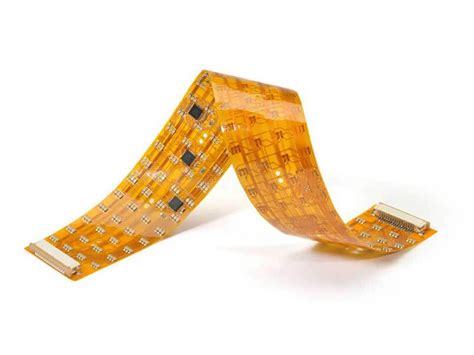
In the ever-evolving landscape of modern engineering, the importance of design flexibility cannot be overstated. All flex circuits offer a transformative approach that empowers engineers to innovate without the constraints typically imposed by traditional circuit board designs. The adaptability of these circuits makes them ideal for integration into a myriad of applications across various sectors. For instance, in medical technology, flexible circuits allow for the creation of compact and lightweight devices that conform to the human body, enhancing wearability and comfort for patients. This versatility extends to aerospace, where the need for lightweight yet durable components is critical. By utilizing all flex circuits, engineers can optimize space and weight, ultimately improving overall performance and fuel efficiency.
Moreover, in sectors such as telecommunications, these circuits facilitate advanced communication systems that demand high-density layouts and flexible designs. As you explore options among pcb manufacturing companies, keep in mind that integrating all flex circuits can significantly impact your project’s overall cost-effectiveness. The pcb manufacturing cost associated with traditional rigid boards often comes with limitations in design versatility; however, harnessing the capabilities of flexible circuit technology allows you to push boundaries further.
Additionally, as you embark on your own pcb manufacturing business, recognizing the strategic advantages presented by incorporating all flex circuit technology will enable you to stay competitive in a rapidly changing market landscape. This transformation paves the way for greater innovation and efficiency across engineering disciplines, exemplifying how flexibility plays a crucial role in enhancing product design and functionality.
Case Studies: Successful Implementation of All Flex Circuits
All Flex Circuits have increasingly become a pivotal component across various industries, as evidenced by numerous case studies showcasing their successful integration. In the medical sector, healthcare providers have leveraged flex circuits for developing advanced wearable devices that monitor patient vitals in real-time, significantly enhancing patient outcomes. For example, a leading healthcare firm partnered with pcb manufacturing companies to create a flexible monitoring device that seamlessly conforms to the human body, reducing discomfort while providing accurate data.
In aerospace applications, engineers have utilized All Flex Circuits for lightweight wiring harnesses in aircraft systems. This innovation not only reduces overall weight but also improves efficiency and reliability. Here, firms engaged in pcb manufacturing played a crucial role in producing high-quality, specialized circuits capable of withstanding extreme conditions.
Telecommunications companies are also reaping the benefits of this technology. Recent implementations of flex circuits in smart antennas illustrate improved signal transmission and overall network performance. By leveraging cutting-edge pcb manufacturing cost strategies, these companies can optimize their supply chains while producing high-performance products.
Overall, the successful implementation of All Flex Circuits highlights their versatility and effectiveness, proving indispensable across multiple fields such as medical technology and aerospace. As you explore these examples further, consider how your own projects could benefit from the integration of such flexible solutions into your design practices.
Future Trends: The Evolution of All Flex Circuit Applications
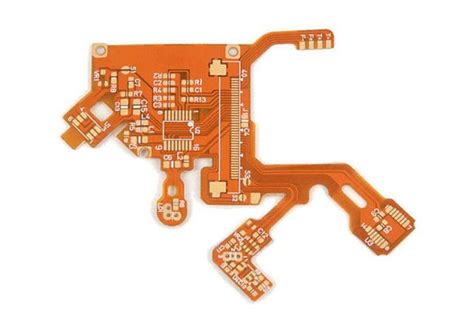
As technology continues to advance, the future of all flex circuits holds great promise across various sectors. Users like you can expect an increase in the integration of flex circuits in ultra-compact devices, pushing the boundaries of what can be achieved in design and functionality. With the demand for lightweight and flexible designs growing, pcb manufacturing processes are adapting to meet these needs. Companies specializing in pcb manufacturing are likely to innovate their methods to reduce the pcb manufacturing cost, making these advanced solutions more affordable and accessible.
The evolution of the pcb manufacturing business will also see a focus on sustainability, ensuring that materials used for flex circuits are environmentally friendly without sacrificing performance. This shift not only caters to consumer preferences but also enhances compliance with global environmental regulations. Furthermore, advancements in materials science will lead to even thinner and more robust flex circuit designs, enabling applications that require extreme flexibility and durability. In summary, as you foresee these trends unfolding, it is clear that all flex circuits will play an increasingly vital role in creating innovative solutions for modern challenges across diverse industries.
Conclusion: The Impact of All Flex Circuits on Modern Technology
In today’s rapidly evolving technological landscape, the influence of all flex circuits is undeniable. These circuits have seamlessly integrated into various industries, enhancing their capabilities and efficiency. One of the significant areas where flex circuit technology shines is in pcb manufacturing. With the constant demand for more compact and efficient designs, pcb manufacturing companies are increasingly turning to flex circuits due to their ability to bend and conform to tight spaces. This flexibility not only optimizes design but also reduces pcb manufacturing costs, ultimately benefiting businesses that require high-quality and cost-effective solutions.
In sectors like medical, aerospace, and telecommunications, where reliability and performance are paramount, utilizing all flex circuits allows for greater innovation. You might find that in your own projects or products, this technology supports the intricate designs necessary for modern advancements. Furthermore, as you look into starting or expanding a pcb manufacturing business, staying abreast of these innovations will position you favorably in a competitive market. The impact is profound; it fosters new possibilities in engineering while promoting efficiency across various applications. Embracing this technology will not only enhance your projects but also prepare you for the future of technological development.
Conclusion: The Impact of All Flex Circuits on Modern Technology
In recent years, all flex circuits have significantly transformed various sectors, making their mark in industries such as medical, aerospace, and telecommunications. When you explore the role of pcb manufacturing in this context, it becomes evident how pcb manufacturing companies have adapted their processes to meet the increasing demands for compact and flexible designs. This innovation not only helps in reducing the overall pcb manufacturing cost, but it also enhances your product’s performance and reliability. The pcb manufacturing business benefits from these advancements as you leverage the unique properties of all flex circuits, which allow for a more efficient design process and integration into intricate systems. By embracing these technologies, you can achieve unprecedented levels of design flexibility that are critical in today’s fast-paced technological landscape. Such adaptability enables you to respond effectively to evolving consumer needs while maintaining a competitive edge in your industry. Ultimately, the impact of all flex circuits on modern technology is profound, reinforcing your position as an innovator capable of pushing the boundaries of what’s possible.
FAQs
What are all flex circuits?
All flex circuits are printed circuit boards that have the ability to bend and flex during use. This flexibility allows for innovative designs that traditional rigid boards cannot accommodate.
How do all flex circuits benefit the medical industry?
In the medical industry, all flex circuits enable the development of compact and portable devices, allowing for better patient monitoring and the integration of advanced technology in smaller form factors.
What role do all flex circuits play in aerospace applications?
In aerospace, flex circuit technology contributes to savings in weight and space, essential for enhancing performance without compromising safety. Their lightweight characteristics are crucial for optimizing fuel efficiency and payload capacities.
How do telecommunications companies utilize flex circuits?
Telecommunications companies use all flex circuits to create smaller and more efficient components that improve signal quality while minimizing size. This is particularly important in devices like smartphones and networking equipment.
What is the importance of design flexibility with all flex circuits?
The design flexibility provided by all flex circuits allows engineers to develop more effective solutions tailored to specific applications. This adaptability significantly impacts product functionality and user experience.
What should I consider about PCB manufacturing costs associated with all flex circuits?
When evaluating pcb manufacturing costs, consider factors like material selection, processing techniques, and whether you’re working with specialized pcb manufacturing companies, as these can vary widely based on your specific project requirements.