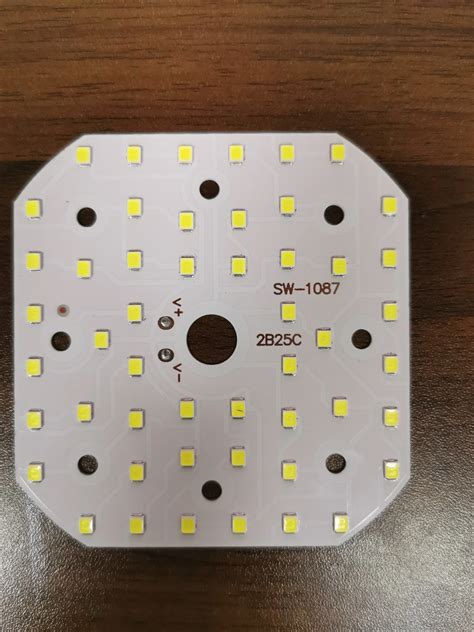
Innovative PCB LED Solutions by Philips for Enhanced Lighting
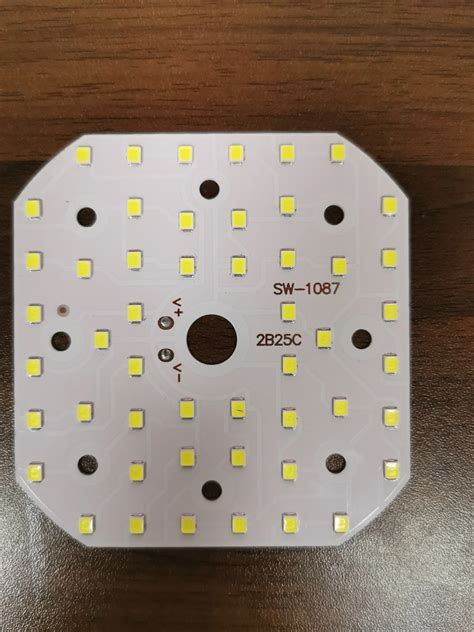
Key Takeaways
Philips continues to lead the way in the evolution of PCB LED technology, pushing boundaries and setting new standards in the lighting industry. By integrating advanced techniques in pcb manufacturing, Philips has significantly enhanced efficiency and design flexibility in their products. This not only reduces pcb manufacturing costs but also allows for innovative lighting solutions that meet various aesthetic and functional requirements. As you explore different pcb manufacturing companies, you’ll notice how Philips stands out with its commitment to sustainability; their innovations aim to reduce energy consumption while illuminating spaces effectively. By investing in high-quality PCB LED solutions, your business can tap into the growing market potential of energy-efficient lighting, ensuring that your investments in pcb manufacturing business are both cost-effective and environmentally friendly. As you consider options for modern illumination, think about how Philips’ innovative designs can transform your spaces, providing both practicality and style with reduced environmental impact.
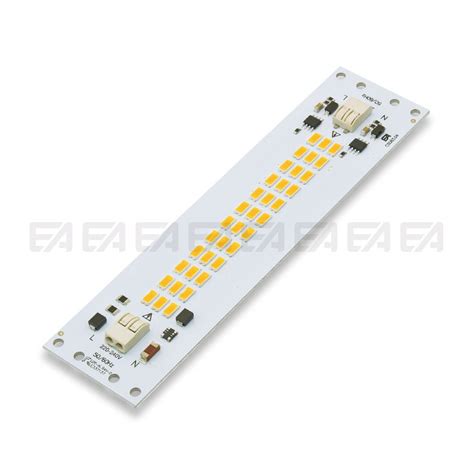
The Evolution of PCB LED Technology: A Philips Perspective
The evolution of PCB LED technology has significantly transformed the way we perceive and implement lighting solutions in various environments. As you explore the advancements made by Philips, it becomes evident that their focus on quality and innovation has positioned them as leaders in the market. By utilizing advanced manufacturing techniques, Philips has been able to streamline their processes, enabling them to offer high-quality products at competitive prices. Understanding the dynamics of pcb manufacturing and the role of pcb manufacturing companies is crucial for appreciating the intricacies involved in creating these innovative lighting solutions.
One essential aspect to consider is the overall pcb manufacturing cost, which encompasses materials, labor, and technology investments. By optimizing these factors, Philips is able to maintain a balance between quality and affordability. The evolution of these technologies also allows for greater design flexibility, permitting you to integrate PCB LEDs seamlessly into various architectural styles.
Interesting Fact:
| Aspect | Details |
|---|---|
| Year Philips Entered PCB LED | 2002 |
| Annual Innovation Investment | 10% of revenue |
| Percentage Energy Reduction | Up to 80% compared to traditional methods |
“Innovation drives efficiency; look for solutions that adapt and evolve over time.”
With a variety of applications ranging from residential spaces to commercial venues, Philips’ commitment to sustainable lighting not only enhances aesthetics but also contributes positively towards reducing energy footprints. As you consider implementing or advocating for PCB LED solutions, keep in mind how they can redefine illumination standards while adapting seamlessly into your projects or environments.
Enhancing Efficiency: How Philips PCB LEDs Reduce Energy Consumption
Philips has taken significant steps in pcb manufacturing to develop PCB LED solutions that not only illuminate spaces but also contribute to energy efficiency. By employing advanced techniques and innovative materials in the pcb manufacturing business, Philips aims to reduce the pcb manufacturing cost while enhancing performance. The result is lighting systems that consume significantly less energy compared to traditional lighting setups. This reduction is pivotal not only for lowering energy bills but also for minimizing environmental impact. The use of specialized PCB LED technology allows for smart designs that facilitate better heat dissipation and longevity, leading to prolonged usage without compromising on brightness. Moreover, the flexibility offered by their designs enables you to customize lighting solutions tailored specifically for diverse applications, ensuring that your spaces are well-lit yet energy-efficient. Thus, as you consider the implementation of Philips PCB LED solutions, you’ll appreciate how they not only shine brightly but also play a crucial role in sustainable practices through efficient energy consumption and reduced operational costs.
Design Flexibility in Lighting: Innovations from Philips
Philips has positioned itself at the forefront of PCB LED technology, showcasing remarkable design flexibility that caters to varied lighting needs. By leveraging advanced pcb manufacturing techniques, Philips has developed solutions that enable you to reimagine how light can be utilized in spaces. The innovations reflect a deep understanding of aesthetic and functional requirements, allowing your creative ideas to flourish. With pcb manufacturing companies continuously evolving, Philips integrates state-of-the-art materials and processes that ensure high-quality output while keeping overall pcb manufacturing cost competitive. This versatility allows for the seamless adaptation of lighting in homes, offices, and public areas, effectively contributing to sustainable design practices. By choosing Philips’ PCB LED solutions, you are not just investing in advanced technology; you are enhancing your projects’ visual appeal, efficiency, and overall capability to meet contemporary demands. The modular designs allow for easy updates or changes, making it an ideal choice for a dynamic environment where adaptability is key—a fundamental necessity for any successful pcb manufacturing business today.
Applications of Philips PCB LED Solutions in Modern Spaces
Philips PCB LED solutions are transforming how lighting is utilized in modern spaces, making them more sustainable and adaptable to varying needs. These innovative technologies are particularly popular in commercial and residential settings, where energy efficiency and design flexibility are paramount. For instance, in retail environments, Philips PCB LEDs provide customizable lighting options that enhance the shopping experience while significantly lowering operational costs. The integration of high-quality PCB technology allows for complex lighting arrangements that can be adjusted based on the time of day or specific promotions.
Moreover, advancements in pcb manufacturing ensure that these LEDs can be crafted with precision, resulting in superior performance and longevity. As you explore different pcb manufacturing companies, you might notice that many emphasize sustainable practices, which align perfectly with the ethos of Philips’ innovative approach. By understanding the intricate workings of the pcb manufacturing cost, you can appreciate how these solutions not only illuminate a space but also promote a greener environment overall.
In office settings, the adaptability of Philips PCB LEDs contributes to improved workplace productivity and employee well-being. The capacity to tailor lighting according to individual preferences enhances focus and reduces fatigue. If you’re considering options for your own space or a pcb manufacturing business, recognizing how these versatile solutions can reshape environments will be invaluable. The use of Philips’ lighting innovations is a clear testament to how leading-edge technology meets practical application in everyday life.
The Future of Illumination: Trends in PCB LED Development
As we look ahead, the landscape of PCB LED technology continues to evolve, driven by the need for improved lighting solutions that prioritize energy efficiency and design adaptability. Companies like Philips are at the forefront of this transformation, pushing the boundaries of what is possible with printed circuit boards in lighting applications. One of the most significant trends emerging is the integration of smart technology within PCB manufacturing processes, enabling more responsive and intelligent lighting systems. By harnessing advancements from leading PCB manufacturing companies, these innovations pave the way for lighting solutions that not only consume less energy but also enhance user experience. Additionally, as you explore the various pcb manufacturing cost structures associated with these advanced technologies, you may find that initial investments can lead to substantial long-term savings through reduced energy bills and maintenance costs. The direction of the pcb manufacturing business towards sustainable practices not only reflects environmental responsibility but also aligns with consumer demand for efficient lighting options that seamlessly blend into modern design aesthetics. In essence, as Philips continues to innovate within this space, you can expect a greater focus on tailored solutions that meet both functional and aesthetic needs—ushering in a new era of illumination that is smart, efficient, and stylish.

Case Studies: Successful Implementations of Philips PCB LED Solutions
Philips has taken significant strides in the realm of PCB LED solutions, exemplified through various case studies that showcase their success across distinct sectors. For instance, consider the implementation in commercial spaces where cutting-edge LED technology was integrated into existing infrastructures. By collaborating with leading PCB manufacturing companies, Philips ensured that these innovative lighting solutions provided not just brilliance but also reduced the overall PCB manufacturing cost through enhanced efficiency. One notable example involved retrofitting an office building with Philips PCB LEDs, drastically cutting energy consumption while allowing for greater design flexibility. This adaptability meant spaces could be tailored according to specific needs and moods, achieving both aesthetic and functional objectives. Moreover, businesses have begun to see the benefits of investing in such technologies by improving their lighting strategies and underscoring the importance of collaboration with reputable PCB manufacturing business partners. Ultimately, these case studies serve as benchmarks for how integrating advanced PCB LED solutions from Philips can lead to substantial improvements in energy efficiency and design capability, pushing forward the boundaries of modern illumination.
Comparing Traditional Lighting with Philips’ PCB LED Innovations
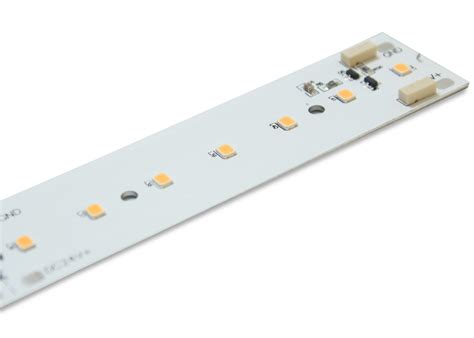
When comparing traditional lighting with Philips’ PCB LED innovations, you’ll discover a vast array of benefits that extend beyond mere aesthetics. Traditional lighting methods often rely on bulky fixtures and higher energy consumption, which can impact both your energy bills and the environment. In contrast, PCB LED technology offers a more streamlined approach by integrating lighting components into a smaller format that can be efficiently designed to fit various applications. This not only enhances the overall look of your space but also allows for greater design flexibility, making it easier to achieve modern lighting concepts that blend seamlessly with architectural elements.
Addressing concerns about pcb manufacturing, you should understand that advancements in this area have made it possible for pcb manufacturing companies to produce LEDs that are not just compact but also highly efficient. This innovation plays a critical role in reducing pcb manufacturing costs, as mass production techniques are fine-tuned to improve yield and minimize waste, thereby impacting the overall sustainability of your lighting choices. The business aspect, reflected in the growing demand for eco-friendly solutions, positions pcb manufacturing business practices towards utilizing more efficient materials and processes that support the transition away from traditional light sources. Overall, Philips’ PCB LED innovations represent a significant leap forward in creating sustainable illumination solutions that cater to both functionality and aesthetic appeal in modern environments.
Conclusion
In the realm of PCB LED technology, Philips stands out as a pioneering force, reshaping the way you approach lighting solutions. Their innovative designs not only prioritize energy efficiency but also emphasize aesthetic appeal, making Philips a leader among PCB manufacturing companies. By investing in PCB manufacturing techniques that prioritize sustainability, you contribute to a decrease in overall PCB manufacturing cost, enabling broader access to high-quality lighting solutions. As you explore the versatile applications of these PCB LED solutions, from residential to commercial spaces, it becomes evident how they enhance your environment while significantly reducing your energy footprint. The commitment of Philips to pushing the envelope in lighting technology is clear, securing its position at the forefront of the PCB manufacturing business landscape. You’ll find that embracing these advancements means not just benefitting from superior illumination but also participating in a larger movement towards eco-friendly practices in lighting. This synthesis of design and functionality signifies a bright future in illumination where quality and sustainability go hand in hand.
FAQs
What is PCB LED technology?
PCB LED technology integrates Light Emitting Diodes (LEDs) into Printed Circuit Boards (PCBs), allowing for a more compact and efficient lighting solution.
How does Philips enhance efficiency with PCB LED solutions?
Philips leverages advanced design in their PCB manufacturing processes to reduce energy consumption, leading to lower pcb manufacturing costs and greater overall efficiency in their lighting systems.
What advantages do PCB LEDs offer over traditional lighting?
Compared to traditional lighting, PCB LEDs provide improved energy efficiency, longer lifespans, and greater design flexibility. This is a game changer for many consumers and industries alike.
Can you explain the impact of PCB manufacturing companies on LED technology?
The collaboration between pcb manufacturing companies and innovators like Philips has led to advancements in lighting solutions that prioritize sustainability while providing superior performance.
How can businesses benefit from adopting fully integrated solutions with PCB LEDs?
Businesses can significantly reduce their energy bills while enhancing the aesthetic appeal of their spaces by choosing solid designs that utilize Philips’ PCB LED innovations, showcasing a commitment to sustainable practices.