Innovative Solutions from Top Flex and Rigid PCB Manufacturers

Key Takeaways
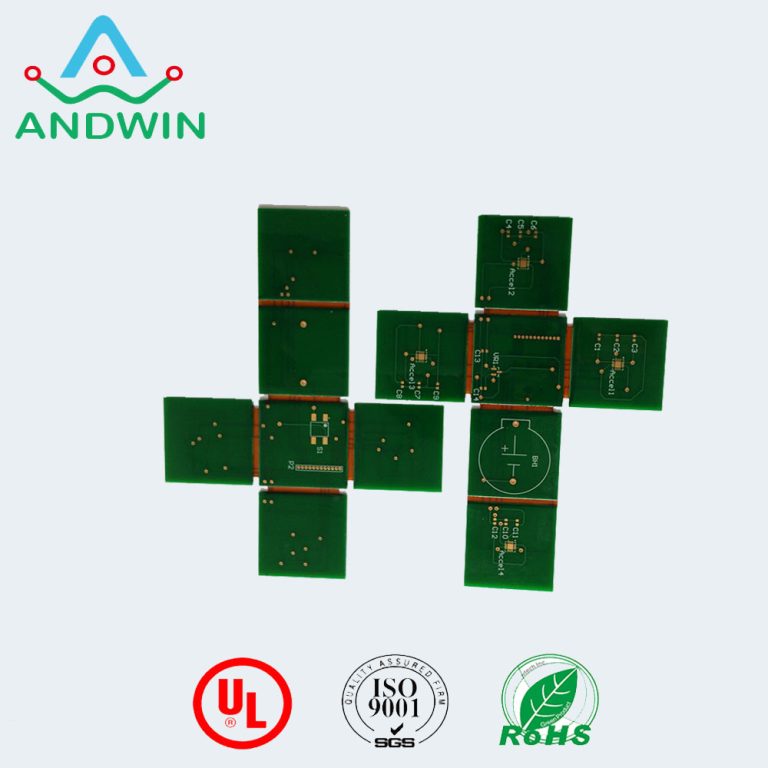
Understanding the landscape of PCB manufacturing can significantly impact your next project. Opting for innovative flex and rigid PCB solutions from reputable PCB manufacturing companies allows you to explore a variety of applications that cater to modern technological needs. One of the primary advantages of utilizing flex PCBs is their adaptability in space-constrained designs, enabling you to maximize functionality without sacrificing performance. Moreover, the integration of rigid-flex PCBs plays a vital role in enhancing product stability, making them an excellent choice for high-reliability applications.
When working with these technologies, it’s essential to consider the overall PCB manufacturing cost, which can vary based on complexity and design requirements. You should leverage custom PCB prototyping offered by leading manufacturers to optimize your designs while keeping an eye on performance and cost efficiency. As you navigate through the advancements in the PCB manufacturing business, staying informed about future trends can provide you with a competitive edge.
“Innovative solutions are not just about technology; they are about how effectively you integrate these technologies into your product design.”
By collaborating with top manufacturers who lead the way in flex and rigid PCB innovations, your project outcomes can be transformed, paving the way for more successful implementations in the ever-evolving tech landscape. For further exploration into these solutions, consider visiting Andwin PCB for expert insights and services that cater to your specific needs.

Innovative Applications of Flex and Rigid PCBs in Modern Technology
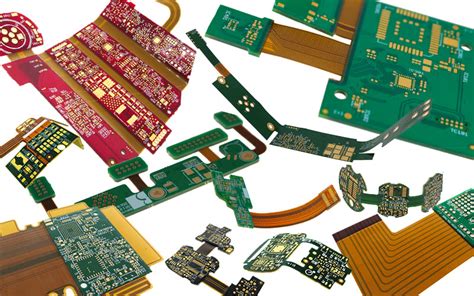
In today’s rapidly evolving technological landscape, the applications of flex and rigid PCBs are transforming how we approach product design and functionality. These innovative printed circuit boards offer unparalleled versatility, which is vital for modern electronics that demand high performance in increasingly compact spaces. By selecting the right PCB manufacturing company, you gain access to cutting-edge solutions that can significantly impact your project. For instance, flexible PCBs are perfect for applications such as mobile devices, wearables, and robotics, where minimizing space and ensuring a lightweight design are critical.
Moreover, the combination of rigid-flex technology allows engineers to create more sophisticated layouts that can withstand mechanical stress while maintaining electrical integrity. This makes them ideal for industries like aerospace and automotive, where reliability is non-negotiable. When investing in your project’s success, consider the pcb manufacturing cost; opting for a reputable manufacturer with a history of excellence ensures you achieve optimal performance without exceeding your budget.
The table below illustrates some key applications of flex and rigid PCBs across various industries:
| Industry | Application | Benefits |
|---|---|---|
| Consumer Electronics | Smartphones & Tablets | Space-saving designs, lightweight |
| Medical Devices | Wearable Health Monitors | Flexibility for body-worn devices |
| Aerospace | Avionics Systems | Enhanced mechanical stability |
| Automotive | Advanced Driver Assistance Systems | Precision in compact designs |
Understanding how to leverage these technologies can streamline your development process and enhance product stability while catering to unique requirements with tailored solutions from leading pcb manufacturing businesses. Embrace these innovations today to stay ahead of the curve in your respective field!
Benefits of Choosing Flex PCBs for Space-Constrained Designs
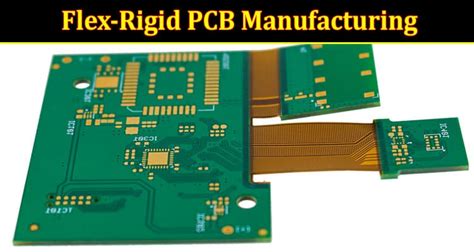
When you are facing the challenges of space-constrained designs, opting for flexible PCBs can lead to significant benefits. These advanced circuit boards are engineered to fit into tight spaces while still providing excellent performance. Because they can bend and conform to various shapes, flex PCBs allow you to design compact devices without sacrificing the integrity or functionality of your product. This adaptability is especially advantageous in industries like consumer electronics and medical devices, where every millimeter counts. Furthermore, by partnering with leading PCB manufacturing companies, you can explore innovative designs that incorporate flexibility, which helps streamline your product development process. With improved design capabilities comes the potential to lower overall PCB manufacturing costs, as these solutions often replace traditional, more bulky wiring systems. Choosing flexible PCBs means not only enhancing your product’s performance but also contributing to a more efficient manufacturing business model. As your projects demand high reliability in inconspicuous spaces, these technology-driven circuit boards will redefine what’s possible in your electronic designs, making them essential for modern applications.
Enhancing Product Stability: The Role of Rigid-Flex PCB Solutions
When you look at the landscape of modern electronics, rigid-flex PCB solutions emerge as a game-changer in enhancing product stability. These innovative designs combine the best aspects of both rigid and flexible PCBs, allowing for greater adaptability in compact spaces. The pcb manufacturing process for rigid-flex solutions involves advanced techniques that provide a sturdy structure while allowing the necessary flexibility to fit into intricate device architectures. This dual functionality is crucial, especially in industries like aerospace, medical devices, and consumer electronics where performance and reliability are paramount. By choosing a reliable pcb manufacturing company, you can ensure that your products not only meet but exceed industry standards for durability and performance. Additionally, understanding the pcb manufacturing cost associated with these solutions can aid you in making informed decisions, enabling you to balance quality with your budget constraints efficiently. As the pcb manufacturing business evolves, investing in rigid-flex technology can significantly impact your product’s mechanical stability and overall success in the market.
Top Manufacturers Leading the Way in Flex and Rigid PCB Innovations
When considering your PCB manufacturing needs, it’s essential to recognize the role of flex and rigid PCB manufacturers who are at the forefront of technological advancements. These manufacturers are driving innovations that cater to the diverse requirements of modern devices, enabling unprecedented design flexibility while minimizing space and weight. The most reputable PCB manufacturing companies are investing heavily in research and development, providing you with cutting-edge solutions that address mechanical stability and functional performance. With the increasing complexity of electronic designs, understanding the PCB manufacturing cost can guide your decision-making process. By choosing a skilled manufacturer who specializes in both flex and rigid PCBs, you can enhance your product’s stability and ensure that you’re utilizing the best materials available for your PCB manufacturing business. As you navigate through various options, knowing which manufacturers lead in innovation can empower you to make informed choices for your project’s success.
Design Flexibility: Tailoring Your PCB for Unique Product Requirements
In today’s fast-paced technological landscape, the need for design flexibility in PCB manufacturing has never been more critical. You are faced with diverse challenges that require adaptable solutions, which is exactly what flex and rigid PCBs provide. These specialized circuits allow for unique configurations tailored specifically to your product requirements, enhancing functional capabilities while minimizing space and weight. By selecting the right PCB manufacturing companies, you can access innovative materials and techniques that not only meet your specifications but also adhere to tight timelines and budget constraints. When assessing options, consider the pcb manufacturing cost, which often reflects the level of customization available to you. Investing in custom PCB prototyping offers you a chance to explore unique features that enhance your device’s mechanical stability and performance. As your projects evolve, so should your approach—embracing modern pcb manufacturing business strategies can lead to breakthroughs in design efficiency and product reliability. The choice of a capable manufacturer will empower you to overcome challenges with tailored designs, ensuring that your final product stands out in a competitive marketplace.

Cost Efficiency and Performance: The Advantages of Custom PCB Prototyping
In the realm of pcb manufacturing, cost efficiency and performance are critical considerations for any project. When you opt for custom PCB prototyping, you gain the ability to design tailored solutions that meet your specific needs. This flexibility allows you to address unique challenges, such as space constraints or mechanical stability, which are common in modern electronics. Many pcb manufacturing companies offer advanced technologies that enable quick iteration and refinement of your prototypes, which can significantly reduce overall pcb manufacturing costs by minimizing waste and optimizing materials. Moreover, a well-executed custom prototype can lead to enhanced functionality and longer product life cycles, resulting in better performance and value. As you explore the possibilities in pcb manufacturing business, remember that investing in custom prototyping today not only streamlines your design process but also sets a strong foundation for future innovations in your products. Embracing this approach enables you to stay competitive in a rapidly evolving market while ensuring your designs are robust and efficient.

Future Trends in Flex and Rigid PCB Manufacturing
The landscape of pcb manufacturing is continuously evolving, with emerging technologies paving the way for innovative solutions in both flexible and rigid printed circuit boards. As you delve into the future trends, you will notice an increasing integration of smart materials and advanced manufacturing techniques. This progression aims to enhance durability, reduce weight, and optimize power consumption—a critical aspect for modern electronics. Moreover, pcb manufacturing companies are focusing on sustainable practices that not only lower the pcb manufacturing cost but also minimize environmental impact. With the rise of the Internet of Things (IoT) and wearable technology, there is a growing demand for thin, lightweight designs that can accommodate complex circuitry without compromising reliability. Enhanced design tools are helping engineers tailor their PCB designs to meet unique product requirements more effectively than ever before. As such innovations propel the pcb manufacturing business forward, staying abreast of these trends will be essential for anyone looking to remain competitive in today’s dynamic market. By investing in new technologies and materials, manufacturers are not just keeping up with industry demands; they are reshaping what is possible in the world of PCBs.
Case Studies: Successful Implementations of Flex and Rigid PCBs
When exploring the landscape of pcb manufacturing, it becomes essential to recognize how various industries are successfully implementing flex and rigid PCBs to achieve enhanced performance and efficiency. Companies in sectors such as consumer electronics, automotive, and medical devices have harnessed the capabilities of flex and rigid PCBs to meet increasingly demanding requirements. For instance, a leading automotive firm utilized a combination of flex and rigid designs in their engine management systems, allowing for improved stability while reducing overall weight. This strategic decision not only optimized pcb manufacturing cost but also enhanced the functional reliability of their product.
Moreover, an innovative consumer electronics company integrated flex PCBs into wearable devices, enabling them to remain lightweight without compromising on durability or performance. Such implementations illustrate how the right choice in pcb manufacturing business can significantly influence product design flexibility and mechanical stability. By understanding these successful case studies, you can see firsthand how leading pcb manufacturing companies are pushing the boundaries of what is achievable in electronic design, paving the way for future innovations. These practical insights serve as a guide for your own projects in flex and rigid PCB applications.

Conclusion
In summary, the realm of flex and rigid PCB manufacturing offers a plethora of innovative solutions tailored to meet your specific design requirements. Collaborating with leading PCB manufacturing companies can significantly enhance your product’s performance by providing designs that maximize space efficiency while maintaining mechanical integrity. As you venture into creating your next project, consider the PCB manufacturing costs associated with both standard and custom solutions. These costs can vary widely based on complexity, materials used, and quantities ordered. Engaging with a reliable PCB manufacturing business not only streamlines production timelines but also ensures that you leverage the latest advancements in technology. In doing so, you’ll not only achieve substantial cost savings but also gain access to cutting-edge capabilities that can set your products apart in a competitive market. Ultimately, the right choice in PCB partners can transform your design vision into reality, empowering you to push the boundaries of innovation in an ever-evolving technological landscape.
FAQs
What are flex and rigid PCBs?
Flex PCBs are designed to be bent and shaped, allowing for greater design flexibility, while rigid PCBs provide mechanical stability and support for complex components.
How do I choose the right PCB manufacturing company?
When selecting a pcb manufacturing company, consider their experience, technology capabilities, and customer reviews to ensure they meet your specific manufacturing needs.
What factors contribute to PCB manufacturing cost?
PCB manufacturing costs can be influenced by several factors including material selection, design complexity, layer counts, and production volume. Understanding these factors can help you budget effectively for your project.
Can I get custom PCB prototypes?
Yes, many pcb manufacturing companies offer custom pcb prototyping services. This allows you to test your designs before full-scale production, ensuring better functionality and reliability.
How do rigid-flex PCBs enhance product stability?
Rigid-flex PCBs combine the advantages of both flexible and rigid boards. This unique design offers improved mechanical stability while enabling intricate placements of components in tight spaces.
For further information about efficient solutions in pcb manufacturing, please click here: Andwin PCB Manufacturing