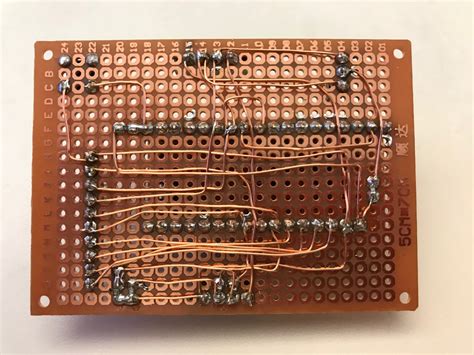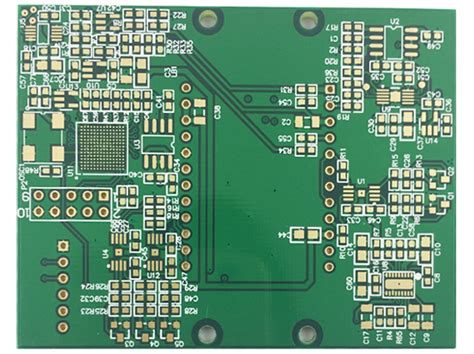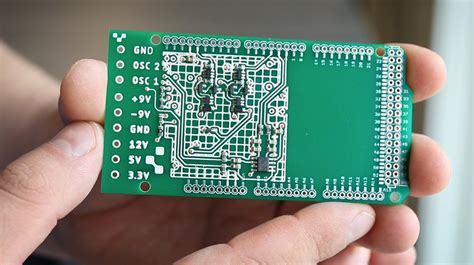
Introduction to PCB nickel plating process and causes and troubleshooting
Function and characteristics
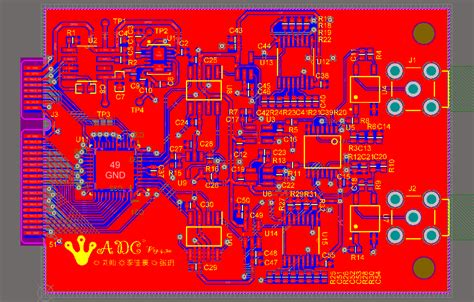
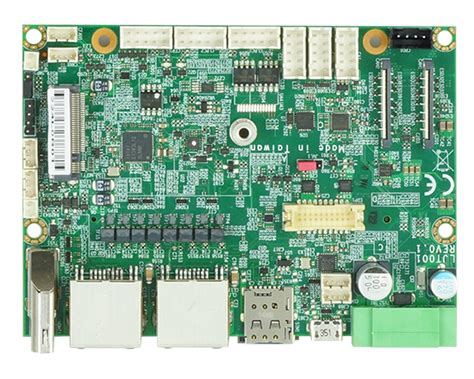
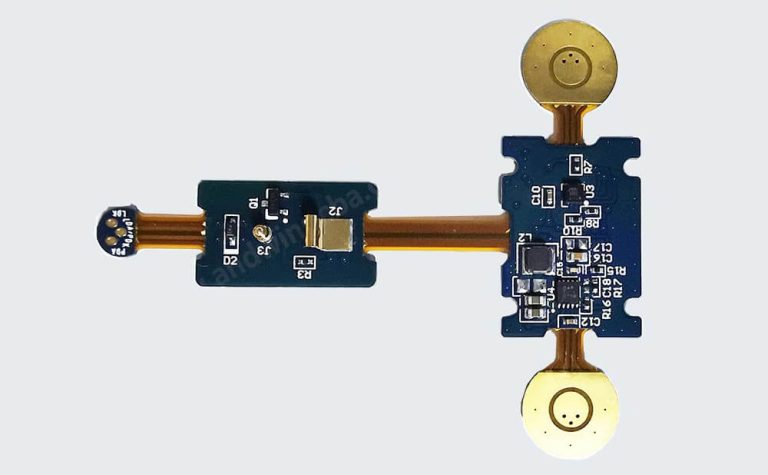
Nickel plating is used as the substrate coating of precious metals and base metals on PCB (short for Printed Circuie Board in English). It is also often used as the surface layer for some single-sided PCB. For some surfaces with heavy wear, such as switch contacts, contacts or plug gold, using nickel as the substrate coating of gold can greatly improve wear resistance.
When used as a barrier layer, nickel can effectively prevent diffusion between copper and other metals. Matt nickel/gold combination plating is often used as an etch-resistant metal coating, and can meet the requirements of hot pressing welding and brazing.
Only nickel can be used as an etch-resistant coating for ammonia-containing etchants, and PCBs that do not require hot pressing welding and require bright coatings usually use bright nickel/gold plating. The thickness of the nickel plating is generally not less than 2.5 microns, and 4-5 microns are usually used.
The deposited layer of low stress nickel on PCB copy board is usually plated with modified Watt nickel plating solution and some sulfamate nickel plating solution with additives that reduce stress.
The PCB nickel plating we often talk about includes bright nickel and matte nickel (also called low stress nickel or semi-bright nickel), which usually require the coating to be uniform and fine, with low porosity, low stress and good ductility.
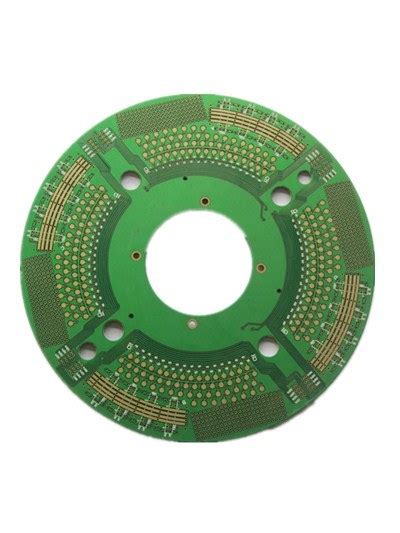
Nickel sulfamate (ammonia nickel)
Nickel sulfamate is widely used as a substrate plating layer on metallized hole electroplating and printed plug contact sheets. The deposited layer obtained has low internal stress, high hardness and extremely excellent ductility. A stress relief agent is added to the plating solution, and the resulting coating will have a little stress. There are many different formulations of sulfamate plating solutions. The typical formula of sulfamate nickel plating solution is as follows. Due to the low stress of the coating, it is widely used, but sulfamate nickel has poor stability and its cost is relatively high.
Modified Watt Nickel (Sulphur Nickel)
The modified Watt Nickel formula uses nickel sulfate, together with nickel bromide or nickel chloride. Due to internal stress, nickel bromide is mostly used. It can produce a semi-bright, slightly internally stressed, ductile coating; and this coating is easy to activate for subsequent electroplating, and the cost is relatively low.
The role of each component of the plating solution:
The main salt – nickel aminosulfonate and nickel sulfate are the main salts in the nickel solution. The nickel salt mainly provides the nickel metal ions required for nickel plating and also acts as a conductive salt. The concentration of the nickel plating solution varies slightly from supplier to supplier, and the allowable content of nickel salt varies greatly. The nickel salt content is high, a higher cathode current density can be used, and the deposition speed is fast, which is often used for high-speed thick nickel plating.
However, too high a concentration will reduce the cathode polarization, poor dispersion ability, and large carry-out loss of the plating solution. The nickel salt content is low and the deposition speed is low, but the dispersion ability is very good, and a crystallized, fine and bright coating can be obtained.
Buffering agent: Boric acid is used as a buffering agent to maintain the pH value of the nickel plating solution within a certain range.
Practice has shown that when the pH value of the nickel plating solution is too low, the cathode current efficiency will decrease; when the pH value is too high, due to the continuous precipitation of H2, the pH value of the liquid layer close to the cathode surface will increase rapidly, resulting in the formation of Ni(OH)2 colloid, and the inclusion of Ni(OH)2 in the coating will increase the brittleness of the coating.
At the same time, the adsorption of Ni(OH)2 colloid on the electrode surface will also cause hydrogen bubbles to be retained on the electrode surface, increasing the porosity of the coating. Boric acid not only has a pH buffering effect, but also can increase the cathode polarization, thereby improving the performance of the plating solution and reducing the “burning” phenomenon under high current density. The presence of boric acid is also beneficial to improve the mechanical properties of the coating.
Anode activator: Except for the sulfate type nickel plating solution that uses an insoluble anode, other types of nickel plating processes use soluble anodes. The nickel anode is very easy to passivate during the power-on process. In order to ensure the normal dissolution of the anode, a certain amount of anode activator is added to the plating solution. Through experiments, it was found that CI-chloride ion is the best nickel anode activator.
In nickel plating solution containing nickel chloride, nickel chloride not only acts as the main salt and conductive salt, but also plays the role of anode activator. In nickel plating solution that does not contain nickel chloride or has a low content of nickel chloride, a certain amount of sodium chloride needs to be added according to the actual conditions. Nickel bromide or nickel chloride is also often used as a stress reliever to maintain the internal stress of the coating and give the coating a semi-bright appearance.
Additives-The main component of the additive is a stress reliever. The addition of stress relievers improves the cathode polarization of the plating solution and reduces the internal stress of the coating. With the change of the concentration of the stress reliever, the internal stress of the coating can be changed from tensile stress to compressive stress.
Commonly used additives include: naphthalenesulfonic acid, ptoluenesulfonamide, saccharin, etc. Compared with nickel plating without stress relievers, adding stress relievers to the plating solution will obtain a uniform, delicate and semi-bright coating. Usually, stress relievers are added according to ampere-hour (current general combination of special additives includes anti-pinhole agents, etc.).
Wetting agent : During the electroplating process, the precipitation of hydrogen on the cathode is inevitable. The precipitation of hydrogen not only reduces the cathode current efficiency, but also causes pinholes in the coating due to the retention of hydrogen bubbles on the electrode surface.
The porosity of the nickel plating layer is relatively high. In order to reduce or prevent the generation of pinholes, a small amount of wetting agent should be added to the plating solution, such as sodium dodecyl sulfate, sodium diethylhexyl sulfate, sodium n-octyl sulfate, etc. It is an anionic surfactant that can be adsorbed on the cathode surface, reducing the interfacial tension between the electrode and the solution, and reducing the wetting contact angle of hydrogen bubbles on the electrode, so that the bubbles can easily leave the electrode surface, preventing or reducing the generation of pinholes in the coating.
Maintenance of plating solution
a) Temperature – Different nickel processes use different plating solution temperatures. The influence of temperature changes on the nickel plating process is relatively complex. In a nickel plating solution with a higher temperature, the nickel coating obtained has low internal stress and good ductility.
When the temperature is increased to 50 degrees C, the internal stress of the coating reaches stability. The general operating temperature is maintained at 55–60 degrees C. If the temperature is too high, nickel salt will hydrolyze, and the generated nickel hydroxide colloid will cause colloidal hydrogen bubbles to be retained, resulting in pinholes in the coating and reducing cathode polarization. Therefore, the working temperature is very strict and should be controlled within the specified range. In actual work, the optimal temperature control value provided by the supplier is used to maintain the stability of the working temperature using a constant temperature controller.
b) PH value – Practical results show that the PH value of the nickel plating electrolyte has a great influence on the coating performance and electrolyte performance. In a strong acidic electroplating solution with a PH value of ≤2, there is no deposition of metallic nickel, only light gas is precipitated.
The PH value of the general PCB nickel plating electrolyte is maintained between 3 and 4. Nickel plating solutions with higher PH values have higher dispersibility and higher cathode current efficiency.
However, when the PH value is too high, due to the continuous precipitation of light gas from the cathode during the electroplating process, the PH value of the coating near the cathode surface increases rapidly. When it is greater than 6, light nickel oxide colloid will be generated, causing hydrogen bubbles to be retained and pinholes to appear in the coating. The inclusion of nickel hydroxide in the coating will also increase the brittleness of the coating.
The nickel plating solution with a lower pH value has better anode dissolution, which can increase the content of nickel salt in the electrolyte and allow the use of higher current density, thereby strengthening production. However, if the pH value is too low, the temperature range for obtaining a bright coating will be narrowed. Adding nickel carbonate or basic nickel carbonate will increase the pH value; adding aminosulfonic acid or sulfuric acid will reduce the pH value. Check and adjust the pH value every four hours during operation.
c) Anode – The conventional nickel plating of PCBs currently available uses soluble anodes. It is quite common to use titanium baskets as anodes with nickel corners inside. Its advantage is that its anode area can be made large enough and unchanged, and the anode maintenance is relatively simple.
The titanium basket should be placed in an anode bag woven from polypropylene material to prevent anode mud from falling into the plating solution. And the holes should be cleaned and checked regularly to see if they are unobstructed. New anode bags should be soaked in boiling water before use.
d) Purification – When the plating solution is contaminated with organic matter, it should be treated with activated carbon. However, this method usually removes a part of the stress reliever (additive), which must be supplemented. The treatment process is as follows;
(1) Take out the anode, add 5ml/l of deionized water, heat (60-80 degrees C) and aerate (gas stirring) for 2 hours.
(2) When there are many organic impurities, first add 3-5ml/lr of 30% hydrogen peroxide for treatment, and gas stir for 3 hours.
(3) Add 3-5g/l of powdered active agent under continuous stirring, continue gas stirring for 2 hours, turn off the stirring and let it stand for 4 hours, add filter powder and use the spare tank to filter and clean the tank at the same time.
(4) Clean and maintain the anode and hang it back, use the nickel-plated corrugated iron plate as the cathode, and drag the tank at a current density of 0.5-0.1A/dm2 for 8-12 hours (when the plating solution is contaminated by inorganic matter and affects the quality, it is also often used)
(5) Change the filter element (generally use a group of cotton cores and a group of carbon cores in series for continuous filtering. Periodic replacement can effectively extend the maximum processing time and improve the stability of the plating solution), analyze and adjust various parameters, add additives and wetting agents, and then try plating.
e) Analysis – The plating solution should be analyzed regularly according to the key points of the process regulations specified by the process control, and the plating solution components and Hull cell tests should be conducted. The production department should be guided to adjust the parameters of the plating solution according to the obtained parameters.
f) Stirring – The nickel plating process is the same as other electroplating processes. The purpose of stirring is to accelerate the mass transfer process, reduce the concentration change, and increase the upper limit of the current density allowed. Stirring the plating solution also has a very important role, which is to reduce or prevent pinholes from forming in the nickel plating layer. Because, during the electroplating process, the plating ions near the cathode surface are scarce, and a large amount of hydrogen is precipitated, which causes the pH value to rise and produce nickel hydroxide colloid, causing the retention of hydrogen bubbles and producing pinholes. Strengthening the stirring of the remaining plating solution can eliminate the above phenomenon. Compressed air, cathode movement and forced circulation (combined with carbon core and cotton core filtration) are commonly used for stirring.
g) Cathode current density – The cathode current density affects the cathode current efficiency, deposition rate and coating quality. The test results show that when using a low pH electrolyte for nickel plating, in the low current density area, the cathode current efficiency increases with the increase of current density; in the high current density area, the cathode current efficiency is independent of the current density, and when using a higher pH electroplating solution nickel, the cathode current efficiency has little to do with the current density.
Like other plating types, the cathode current density range selected for nickel plating should also depend on the composition, temperature and stirring conditions of the electroplating solution. Due to the large area of PCB panels, the current density in the high current area and the low current area is very different, and 2A/dm2 is generally appropriate.
Causes and troubleshooting
a) Pits: Pits are the result of organic pollution. Large pits usually indicate oil pollution. Poor stirring will not drive away bubbles, which will form pits. Wetting agents can be used to reduce its impact. We usually call small pits pinholes. Poor pretreatment, metal impurities, too little boric acid content, and too low plating temperature will all cause pinholes. Plating maintenance and process control are the key. Anti-pinhole agents should be added as process stabilizers.
b) Roughness and burrs: Roughness means that the solution is dirty, which can be corrected by sufficient filtration (pH is too high to easily form hydroxide precipitation, which should be controlled). Current density is too high, anode mud and added water are impure and bring in impurities, which will cause roughness and burrs in severe cases.
c) Low bonding strength: If the copper plating is not fully deoxidized, the plating will peel off, and the adhesion between copper and nickel will be poor. If the current is interrupted, the nickel plating will peel off at the interruption point. If the temperature is too low, it will also peel off.
d) Brittle plating and poor weldability: When the plating is bent or subjected to a certain degree of wear, the plating is usually brittle. This indicates that there is organic or heavy metal pollution. Excessive additives, entrained organic matter and electroplating resists are the main sources of organic pollution and must be treated with activated carbon. Insufficient additives and high pH will also affect the brittleness of the coating.
e) Dark coating and uneven color: Dark coating and uneven color indicate metal pollution. Because copper is usually plated first and then nickel, the copper solution brought in is the main source of pollution. It is important to reduce the copper solution on the hanger to a minimum. In order to remove metal pollution in the tank, especially the copper removal solution, a corrugated steel cathode should be used. At a current density of 2~5 amps/square foot, 5 amps per gallon of solution should be plated for one hour. Poor pretreatment, poor low coating, too low current density, too low main salt concentration, and poor contact of the electroplating power supply circuit will affect the color of the coating.
f) Plating burn: Possible causes of plating burn: insufficient boric acid, low concentration of metal salt, too low working temperature, too high current density, too high pH or insufficient stirring.
g) Low deposition rate: Low pH or low current density will cause low deposition rate.
h) Blistering or peeling of the coating: Blistering or peeling will occur when the pre-plating treatment is poor, the power outage time is too long, organic impurities are polluted, the current density is too high, the temperature is too low, the pH is too high or too low, and the influence of impurities is serious.
I) Anode passivation: Insufficient anode activator, the anode area is too small and the current density is too high.