Inverter board assembly
Understanding The Basics Of Inverter Board Assembly
Inverter board assembly is a critical process in the manufacturing of electronic devices, particularly those that require the conversion of direct current (DC) to alternating current (AC). This process is essential for the functionality of various consumer electronics, industrial equipment, and renewable energy systems. Understanding the basics of inverter board assembly involves a comprehensive look at the components, techniques, and considerations that ensure the efficient and reliable operation of these devices.
To begin with, an inverter board is a complex circuit board that houses several electronic components, each playing a vital role in the conversion process.
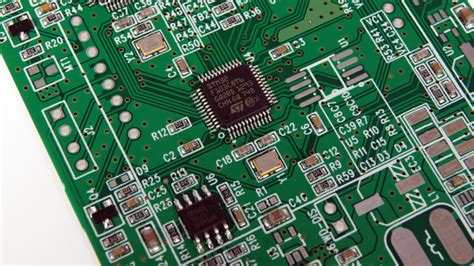
Key components typically include transistors, capacitors, inductors, diodes, and microcontrollers. These components work in unison to modulate the electrical current, allowing for the seamless conversion from DC to AC. The selection of these components is crucial, as it directly impacts the performance and efficiency of the inverter. Therefore, engineers must carefully consider factors such as voltage ratings, current capacity, and thermal management when designing the board.
Transitioning to the assembly process itself, it involves several stages, each requiring precision and attention to detail.
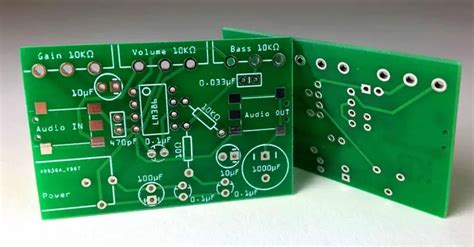
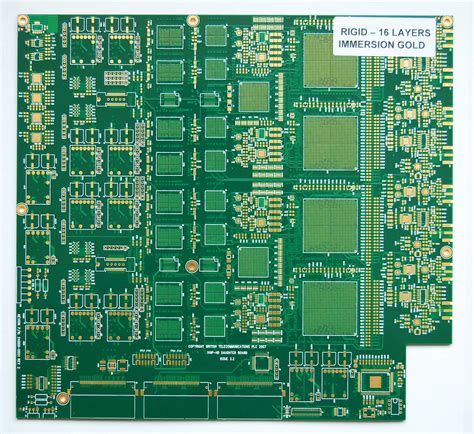
Initially, the design of the inverter board is translated into a physical layout using computer-aided design (CAD) software. This layout serves as a blueprint for the placement of components on the board. Following this, the printed circuit board (PCB) is fabricated, providing the necessary pathways for electrical connections. The fabrication process must ensure high-quality standards to prevent issues such as short circuits or signal interference.
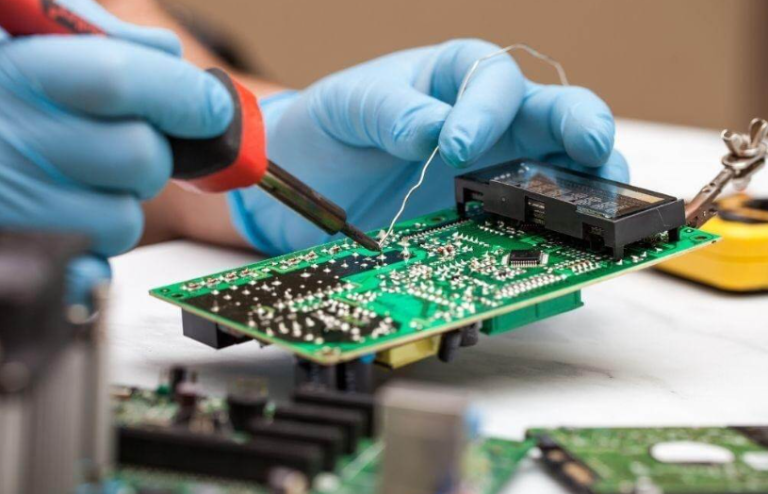
Once the PCB is ready, the next step is the placement and soldering of components.
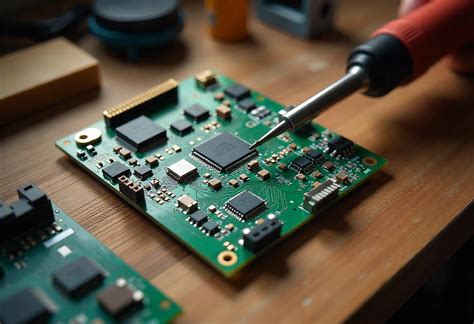
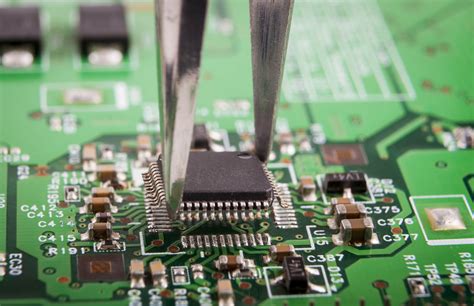
Surface mount technology (SMT) is commonly used in modern inverter board assembly due to its efficiency and ability to accommodate miniaturized components. During this stage, components are precisely placed onto the PCB using automated machines, followed by soldering to secure them in place. The soldering process is critical, as it ensures electrical connectivity and mechanical stability. Techniques such as reflow soldering are often employed, where solder paste is melted to form strong bonds between components and the board.
As the assembly progresses, quality control measures are implemented to ensure the reliability of the inverter board.
These measures include visual inspections, automated optical inspections (AOI), and functional testing. Visual inspections help identify any obvious defects, while AOI uses advanced imaging technology to detect more subtle issues. Functional testing, on the other hand, involves simulating real-world operating conditions to verify the performance of the inverter board. This step is vital in identifying any potential failures before the product reaches the end-user.
In conclusion, understanding the basics of inverter board assembly requires a grasp of both the components involved and the meticulous processes that bring them together. From the careful selection of components to the precision-driven assembly techniques, each aspect plays a crucial role in ensuring the functionality and reliability of the final product. As technology continues to advance, the demand for efficient and high-performing inverter boards will only grow, underscoring the importance of mastering these fundamental principles. Through continuous innovation and adherence to quality standards, the field of inverter board assembly will continue to evolve, meeting the ever-increasing demands of modern electronic applications.
Key Components Involved In Inverter Board Assembly
Inverter board assembly is a critical process in the production of electronic devices that require the conversion of direct current (DC) to alternating current (AC). This process involves the integration of various key components, each playing a vital role in ensuring the efficient and reliable operation of the inverter. Understanding these components is essential for anyone involved in the design, manufacturing, or maintenance of inverter boards.
At the heart of the inverter board assembly is the power semiconductor device, typically comprising transistors such as Insulated Gate Bipolar Transistors (IGBTs) or Metal-Oxide-Semiconductor Field-Effect Transistors (MOSFETs).
These components are responsible for switching the DC input into an AC output by rapidly turning on and off, thus creating the desired waveform. The choice between IGBTs and MOSFETs often depends on the specific application requirements, such as voltage levels and switching frequencies. IGBTs are generally preferred for high-voltage applications due to their robustness, while MOSFETs are favored for high-frequency operations because of their faster switching capabilities.
In addition to power semiconductors, the inverter board assembly includes a control circuit, which is crucial for managing the operation of the inverter.
This circuit typically consists of microcontrollers or digital signal processors (DSPs) that execute complex algorithms to control the switching of the power devices. The control circuit ensures that the inverter operates efficiently, maintaining the desired output frequency and voltage while minimizing losses. Furthermore, it provides protection mechanisms to prevent damage to the inverter in case of faults or abnormal operating conditions.
Another essential component in the inverter board assembly is the driver circuit, which serves as an interface between the control circuit and the power semiconductors.
The driver circuit amplifies the control signals to levels suitable for driving the gates of the transistors, ensuring that they switch on and off at the correct times. This component is critical for achieving precise control over the inverter’s output and for optimizing its performance.
Moreover, passive components such as capacitors, inductors, and resistors play a significant role in the inverter board assembly.
Capacitors are used for energy storage and filtering purposes, helping to smooth out voltage fluctuations and reduce electromagnetic interference. Inductors, on the other hand, are employed to limit current spikes and provide energy storage in the magnetic field. Resistors are used for current limiting and voltage division, ensuring that the various components of the inverter operate within their specified limits.
Thermal management is another crucial aspect of inverter board assembly, as power semiconductors generate significant amounts of heat during operation.
Heat sinks, fans, and thermal interface materials are commonly used to dissipate this heat, preventing overheating and ensuring the reliability and longevity of the inverter. Effective thermal management is essential for maintaining the performance of the inverter and avoiding thermal-related failures.
In conclusion, the assembly of an inverter board involves the integration of several key components, each contributing to the overall functionality and performance of the inverter. From power semiconductors and control circuits to driver circuits and passive components, each element must be carefully selected and integrated to achieve the desired performance. Additionally, thermal management plays a vital role in ensuring the reliability and efficiency of the inverter. Understanding these components and their interactions is essential for anyone involved in the design, manufacturing, or maintenance of inverter boards, as it directly impacts the performance and reliability of the final product.
Common Challenges In Inverter Board Assembly And How To Overcome Them
Inverter board assembly is a critical process in the manufacturing of electronic devices, particularly those that require efficient power conversion. However, this process is not without its challenges. Understanding these common issues and implementing strategies to overcome them is essential for ensuring the reliability and performance of the final product.
One of the primary challenges in inverter board assembly is the precise placement of components.
Given the complexity and miniaturization of modern electronic devices, even a slight misalignment can lead to significant performance issues or complete failure of the inverter board. To address this, manufacturers often employ advanced automated pick-and-place machines that ensure high precision in component placement. Additionally, regular calibration and maintenance of these machines are crucial to maintain their accuracy over time.
Another significant challenge is soldering, which is a critical step in securing components to the board.
Poor soldering can result in weak connections, leading to intermittent failures or short circuits. To mitigate this, manufacturers can utilize reflow soldering techniques, which provide consistent heat distribution and ensure strong, reliable connections. Moreover, implementing rigorous quality control measures, such as visual inspections and automated optical inspection (AOI) systems, can help identify and rectify soldering defects early in the assembly process. Thermal management is also a crucial consideration in inverter board assembly. Inverter boards often operate under high power conditions, generating substantial heat that can affect performance and longevity. Effective thermal management solutions, such as heat sinks, thermal pads, and proper ventilation, are essential to dissipate heat efficiently. Engineers must carefully design the layout of the board to optimize airflow and minimize thermal resistance, ensuring that heat is effectively managed throughout the device’s operation.
Furthermore, electromagnetic interference (EMI) poses a significant challenge in inverter board assembly.
EMI can disrupt the normal operation of electronic components, leading to erratic behavior or failure. To combat this, manufacturers can incorporate shielding techniques and use components with built-in EMI suppression features. Additionally, designing the board layout to minimize loop areas and using differential signaling can help reduce susceptibility to EMI. Component selection is another critical aspect that can present challenges during inverter board assembly. The choice of components must align with the specific requirements of the application, considering factors such as voltage, current, and environmental conditions. Inadequate component selection can lead to performance issues or premature failure. To overcome this, manufacturers should work closely with component suppliers to ensure that the selected components meet the necessary specifications and reliability standards.
Finally, testing and validation are essential steps in overcoming challenges in inverter board assembly.
Comprehensive testing protocols, including functional testing, stress testing, and environmental testing, can help identify potential issues before the product reaches the market. Implementing a robust testing regime ensures that any defects are detected and addressed early, reducing the risk of costly recalls or warranty claims. In conclusion, while inverter board assembly presents several challenges, understanding these issues and implementing effective strategies can significantly enhance the reliability and performance of the final product. By focusing on precise component placement, effective soldering techniques, thermal management, EMI mitigation, careful component selection, and rigorous testing, manufacturers can overcome these challenges and deliver high-quality inverter boards that meet the demands of modern electronic applications.

Best Practices For Quality Assurance In Inverter Board Assembly
Inverter board assembly is a critical process in the manufacturing of electronic devices, requiring meticulous attention to detail and adherence to quality assurance protocols. Ensuring the reliability and efficiency of inverter boards is paramount, as these components play a vital role in converting direct current (DC) to alternating current (AC), which is essential for the operation of various electronic systems. To achieve high-quality outcomes in inverter board assembly, manufacturers must implement best practices that encompass every stage of the production process.
One of the foundational elements of quality assurance in inverter board assembly is the establishment of a robust design verification process.
This involves rigorous testing and validation of the board design before it proceeds to the manufacturing phase. By identifying potential design flaws early, manufacturers can prevent costly errors and ensure that the final product meets the required specifications. Furthermore, incorporating design for manufacturability (DFM) principles can streamline the assembly process, reducing the likelihood of defects and enhancing overall product quality.
Transitioning from design to production, the selection of high-quality materials is crucial.
The components used in inverter boards must be sourced from reputable suppliers to guarantee their reliability and performance. Implementing a stringent supplier evaluation and qualification process can help manufacturers maintain a consistent standard of quality. Additionally, maintaining an inventory of components that meet industry standards and certifications can further bolster the integrity of the assembly process.
As the assembly process commences, the implementation of standardized procedures and protocols is essential.
This includes the use of automated equipment for tasks such as soldering and component placement, which can significantly reduce human error and increase precision. Moreover, regular calibration and maintenance of assembly equipment are necessary to ensure optimal performance and prevent deviations that could compromise product quality.
Throughout the assembly process, continuous monitoring and inspection are vital.
Employing advanced inspection techniques, such as automated optical inspection (AOI) and X-ray inspection, can help identify defects that may not be visible to the naked eye. These technologies enable manufacturers to detect issues such as misaligned components, soldering defects, and other anomalies that could affect the functionality of the inverter board. By addressing these issues promptly, manufacturers can minimize rework and scrap rates, ultimately enhancing production efficiency.
In addition to technological measures, fostering a culture of quality within the organization is equally important.
Training and empowering employees to take ownership of quality assurance can lead to more proactive identification and resolution of potential issues. Encouraging open communication and collaboration among team members can also facilitate the sharing of best practices and continuous improvement initiatives.
Finally, post-production testing and validation are indispensable components of quality assurance in inverter board assembly.
Subjecting the assembled boards to rigorous functional testing ensures that they operate as intended under various conditions. This step not only verifies the performance of the boards but also provides valuable data that can be used to refine and optimize the assembly process.
In conclusion, achieving excellence in inverter board assembly requires a comprehensive approach to quality assurance that spans design, material selection, assembly, inspection, and testing. By adhering to best practices and leveraging advanced technologies, manufacturers can produce inverter boards that meet the highest standards of reliability and performance, thereby ensuring customer satisfaction and maintaining a competitive edge in the market.