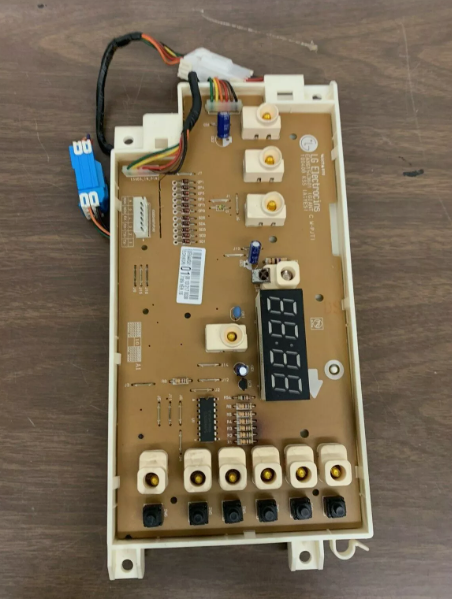
Invisible Foundation:Unve-iling the Ubiquity of PCBs,From Mobile Phones to Space
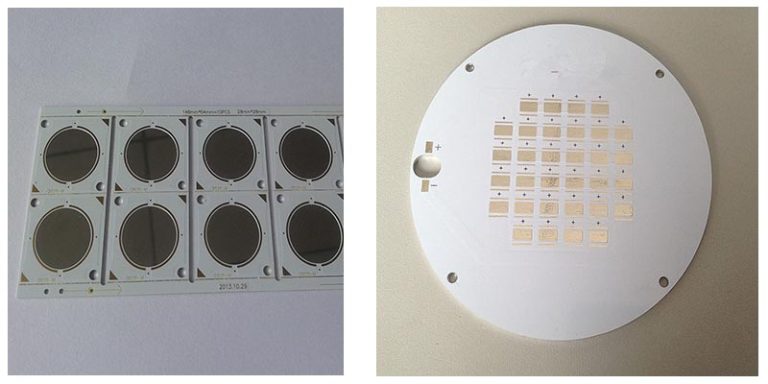
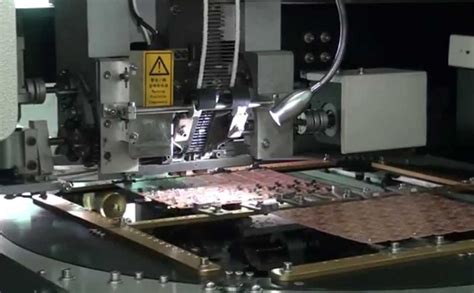
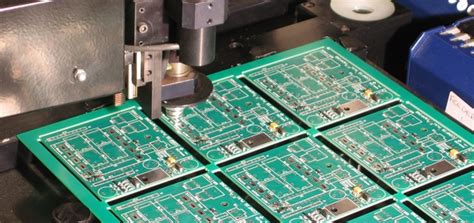
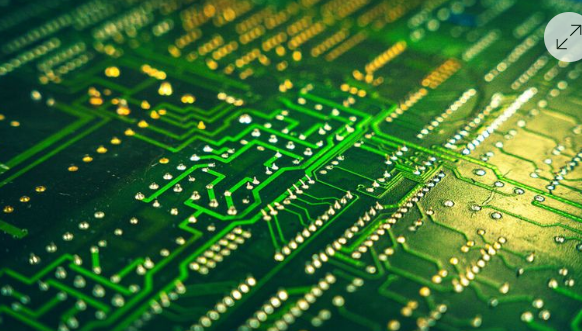
While we enjoy the convenience of smartphones and marvel at the feats of spacecraft,we rarely consider the: invisible hero”hidden within all electronic devices-the PCB(printed circuit board).It typically appears as a green or black flat plate,covered in fine lines and a variety of components.Like the”planing map and foundation of a city,it determines the”homes”of electronic component and the”roads”that connect them.
Today,let’s explore the areas in which this invisible foundation,the PCB,supports our vibrant modern lives.
1.Consumer Elctronics:The”micro-city”in Our pockets
This is the field we are most familiar with and interact with most frequently. PCBs in this field pursue””ultimate high density and miniaturization”
Smartphones:The epitome of modern PCB technology.The motherboard of a high-end mobile phone is an extremely complex”high-density interconnect(HDI)board”,even employing “arbitrary layer interconnect”technology.Dozens of key components,including processors,memory,and communication modules,must be integrated into a space the size of fingernail.The internal wiring is an thin as a hair,with up to 10 layers,creating a three-dimensional miniature metropolis.
Laptops and tables:High-performance multi-layer HDI :High-performance multi-layer HDI board are aslo used to connect core components like the CPU,graphics card,and memory.Meanwhile, Flexible Printed Circuits (FPCs), due to their bendable nature, are highly effective in areas like the screen, camera, and keyboard, enabling connections between the screen and motherboard and the flipping of the camera.
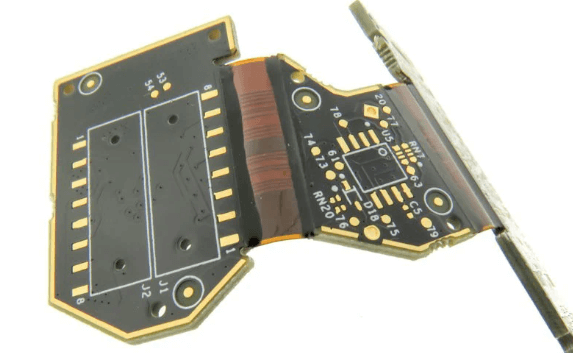
Wearable Devices:Rigid-flex boards are an ideal choice for the extremely limited space of smartwatches and wristbands.They combine the stability of rigid board with the flexibility of flexible board,allowing them to cleverly adpat to various irregular shapes.
Core Role:They enable miniaturization and light weighting of devices while supporting powerful multifunctional integration.
2.Communications and Data Centers:The”highway network”of the information society
If data is the vehicle of the information age,then the PCBs in communications equipment are the”road system”that allows these vehicles to travel at high speeds.
5G/6G Base Stations:Base station equipment need to process high-frequency,high-speed signals,placing stringent demands on PCBs.They typically utilize high-frequency, high-speed PCBs, employing specialized substrate materials (such as Rogers and Ticonderoga) to ensure minimal loss and maximum integrity during signal transmission. Furthermore, the PCBs used in base station power amplifiers must possess excellent heat dissipation performance.
- Routers and Switches: As the transportation hubs for network data, the PCBs within these devices typically have numerous layers and complex wiring, ensuring high-speed and error-free forwarding of data packets.
- Data Center Servers: Server motherboards are typically high-performance, multi-layer PCBs (typically with eight or more layers), connecting hundreds of processors, memory, and storage chips. Their design must consider power integrity, signal integrity, and electromagnetic compatibility to ensure uninterrupted, stable operation 24/7.
Core Function: Carrying and transmitting high-frequency, high-speed signals, building a stable, high-speed global communications network.
3. Automotive Electronics: The “Neural Network” of Smart Cars
Modern cars are evolving from “functional vehicles” to “smart vehicles,” and their “neural network” is composed of a large number of PCBs.
- Powertrain Control System: In the engine control unit (ECU) and battery management system (BMS) of traditional fuel-powered and new energy vehicles, PCBs must withstand harsh environments such as high temperature and vibration, making reliability a top priority.
- Intelligent Driving System: Radar (lidar, millimeter-wave radar) and cameras are the “eyes” of autonomous driving. The high-frequency PCBs within them are responsible for accurately capturing and processing environmental signals. These signals are then transmitted to the central computing platform (another high-performance PCB) for decision-making.
- Infotainment and Body Control: From the central control screen and instrument panel to the window and seat controls, PCBs are indispensable. Flexible PCBs, due to their ease of routing in confined spaces, are widely used in areas such as doors and ceilings.
Core Function: Enable vehicle power control, environmental perception, intelligent decision-making, and a comfortable experience.
IV. Medical Devices: Precision Instruments That Protect Health
In the medical field, the reliability and precision of PCBs are directly related to diagnostic accuracy and patient safety.
- Diagnostic Imaging Equipment: CT, MRI (Magnetic Resonance Imaging), and ultrasound equipment require high-precision, low-noise PCBs for their core sensors and signal processing units to ensure clear, interference-free images.
- Monitoring and Treatment Equipment: Pacemakers, defibrillators, blood glucose meters, and patient monitors require PCBs that are miniaturized, highly reliable, and have a long lifespan. Implantable devices also place stringent requirements on PCB biocompatibility and power consumption.
- Portable Medical Devices: With the development of home healthcare, wearable electrocardiographs, handheld ultrasound probes, and other devices are increasingly adopting flexible PCBs and rigid-flex PCBs to achieve both portability and functionality.
Core Role: Providing high-precision and reliable signal acquisition and processing, safeguarding precision medicine.
V. Industry and Aerospace: A “Reliable Foundation” in Extreme Environments
This is the field with the most demanding requirements for PCBs, which must operate stably under extreme conditions.
- Industrial Control: PCBs in equipment such as industrial robots and PLCs (Programmable Logic Controllers) must withstand dust, moisture, vibration, and electromagnetic interference in factory environments and ensure long-term stable operation.
- Aerospace and Defense: PCBs within satellites, spacecraft, radar systems, fighter aircraft avionics systems, and more must withstand huge temperature swings, high vacuum, strong radiation, and severe impact. They typically utilize special materials and thick copper designs and undergo extremely rigorous testing and certification.
Core Role: Providing impeccable reliability in extreme environments to support the completion of critical missions.
Conclusion: From the Ordinary to the Extraordinary, a Ubiquitous Foundation
From the tiny screens in our hands to the massive vehicles exploring the universe, PCBs are everywhere. It may seem inconspicuous, but it’s this sophisticated “invisible foundation” that supports and connects all electronic components, building our modern world, driven by electronics and signals.
It’s not just a vehicle for technology; it’s a testament to human wisdom and creativity. The next time you use an electronic device, consider that tiny circuit board inside is a miniature technological universe worthy of our awe.