Ipc class 3 pcb manufacturing
Understanding IPC Class 3 Standards for PCB Manufacturing
In the realm of printed circuit board (PCB) manufacturing, adherence to specific standards is crucial to ensure the reliability and performance of the final product. Among these standards, the IPC Class 3 designation stands out as a benchmark for high-performance electronic products. Understanding IPC Class 3 standards is essential for manufacturers aiming to produce PCBs that meet the rigorous demands of industries such as aerospace, medical, and military applications, where failure is not an option.
IPC, or the Institute for Printed Circuits, is a global trade association that establishes standards for the design, manufacture, and assembly of electronic equipment.
The IPC classification system categorizes PCBs into three classes based on their intended application and performance requirements. Class 1 is for general electronic products, Class 2 is for dedicated service electronic products, and Class 3 is for high-reliability electronic products. The latter is the focus of this discussion, as it represents the pinnacle of quality and reliability in PCB manufacturing.
The stringent requirements of IPC Class 3 standards are designed to ensure that PCBs can withstand harsh environments and perform consistently over extended periods.
This is particularly important in critical applications where failure could lead to catastrophic consequences. For instance, in aerospace applications, a malfunctioning PCB could compromise the safety of an entire aircraft. Similarly, in medical devices, reliability is paramount to ensure patient safety and effective treatment outcomes.
To achieve IPC Class 3 compliance, manufacturers must adhere to precise specifications throughout the production process.
This begins with the selection of high-quality materials that can endure extreme conditions, such as temperature fluctuations and mechanical stress. Furthermore, the design phase must incorporate meticulous attention to detail, ensuring that the layout and routing of the PCB meet the stringent criteria set forth by IPC standards.
During the manufacturing process, rigorous testing and inspection are imperative to verify that each PCB meets the required specifications.
This includes thorough examination of solder joints, which must exhibit superior strength and reliability. Additionally, the cleanliness of the PCB is scrutinized to prevent any contaminants that could affect performance. Manufacturers often employ advanced technologies, such as automated optical inspection (AOI) and X-ray inspection, to detect any defects that may compromise the integrity of the PCB.
Moreover, IPC Class 3 standards emphasize the importance of traceability and documentation throughout the manufacturing process.
This ensures that any issues can be quickly identified and rectified, minimizing the risk of defects in the final product. Manufacturers are required to maintain detailed records of materials, processes, and testing results, providing a comprehensive audit trail that can be reviewed if necessary.
In conclusion, understanding IPC Class 3 standards is vital for PCB manufacturers aiming to produce high-reliability products for critical applications.
By adhering to these rigorous standards, manufacturers can ensure that their PCBs deliver exceptional performance and reliability, even in the most demanding environments. This commitment to quality not only enhances the reputation of the manufacturer but also provides peace of mind to end-users who rely on these products for their safety and success. As technology continues to advance, the importance of IPC Class 3 standards in PCB manufacturing will only grow, underscoring the need for manufacturers to remain vigilant in their pursuit of excellence.
Key Challenges in Achieving IPC Class 3 Compliance
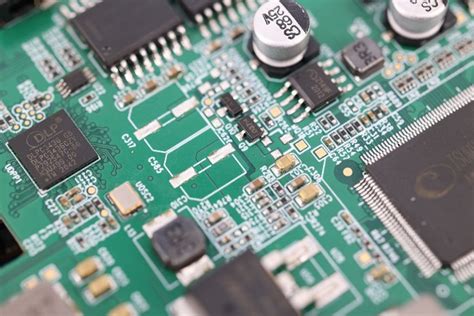
Achieving IPC Class 3 compliance in printed circuit board (PCB) manufacturing is a formidable challenge that demands meticulous attention to detail and adherence to stringent standards. IPC Class 3 is the highest standard for PCB reliability, typically required for products where failure is not an option, such as in aerospace, medical, and military applications. The journey to compliance is fraught with numerous challenges, each requiring a strategic approach to overcome.
One of the primary challenges in achieving IPC Class 3 compliance is the need for superior material selection.
The materials used in the manufacturing process must meet high-performance criteria, including thermal stability, electrical conductivity, and mechanical strength. Manufacturers must carefully select substrates, laminates, and other materials that can withstand the rigorous demands of Class 3 applications. This often involves sourcing from specialized suppliers, which can increase lead times and costs.
In addition to material selection, precision in manufacturing processes is crucial.
IPC Class 3 standards require tighter tolerances and more stringent quality controls than lower classes. This necessitates advanced manufacturing techniques and equipment capable of producing PCBs with minimal defects. For instance, the etching process must be precisely controlled to ensure that traces are within specified tolerances, and drilling processes must achieve exact hole sizes and placements. Any deviation can lead to non-compliance, resulting in costly rework or scrapping of the boards.
Furthermore, achieving IPC Class 3 compliance involves rigorous testing and inspection protocols.
Manufacturers must implement comprehensive testing procedures to verify that each PCB meets the required standards. This includes electrical testing, thermal cycling, and environmental stress testing, among others. The testing process is not only time-consuming but also requires specialized equipment and expertise. Moreover, the inspection process must be thorough, often involving automated optical inspection (AOI) and X-ray inspection to detect any hidden defects.
Another significant challenge is maintaining consistent quality across production batches.
Variability in manufacturing processes can lead to inconsistencies that jeopardize compliance. To address this, manufacturers must establish robust quality management systems and continuous improvement practices. This includes regular audits, process monitoring, and employee training to ensure that every aspect of production aligns with IPC Class 3 requirements.
Moreover, documentation and traceability are critical components of IPC Class 3 compliance.
Manufacturers must maintain detailed records of materials, processes, and testing results to demonstrate compliance. This documentation is essential not only for internal quality assurance but also for external audits and customer requirements. Ensuring accurate and comprehensive documentation can be a daunting task, requiring dedicated resources and systems.
Finally, the cost implications of achieving IPC Class 3 compliance cannot be overlooked.
The need for high-quality materials, advanced manufacturing processes, extensive testing, and thorough documentation all contribute to increased production costs. Manufacturers must balance these costs with the need to remain competitive in the market. This often involves strategic planning and investment in technology and training to optimize processes and reduce waste.
In conclusion, achieving IPC Class 3 compliance in PCB manufacturing is a complex and challenging endeavor. It requires a holistic approach that encompasses material selection, precision manufacturing, rigorous testing, quality management, documentation, and cost management. By addressing these challenges with diligence and expertise, manufacturers can produce PCBs that meet the highest standards of reliability and performance, ensuring their suitability for critical applications.
Advanced Techniques for IPC Class 3 PCB Fabrication
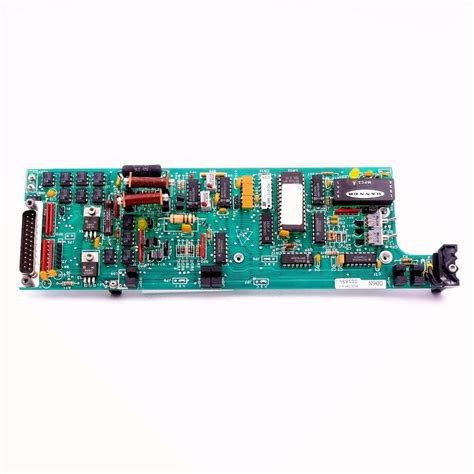
In the realm of electronics manufacturing, the production of printed circuit boards (PCBs) is a critical process that demands precision and adherence to stringent standards. Among these standards, IPC Class 3 stands out as the benchmark for high-performance electronic products, where reliability and extended life are paramount. This classification is typically reserved for aerospace, medical, and military applications, where failure is not an option. As such, advanced techniques in IPC Class 3 PCB fabrication are essential to meet these rigorous demands.
To begin with, the selection of materials plays a crucial role in the fabrication of IPC Class 3 PCBs.
High-quality substrates, such as FR-4 with high glass transition temperatures, are often chosen to ensure thermal stability and mechanical strength. These materials must withstand harsh environments and maintain performance over extended periods. Additionally, the copper used in the circuitry must be of superior quality, with precise thickness control to ensure consistent electrical performance and reliability.
Moving forward, the design phase is equally critical in IPC Class 3 PCB manufacturing.
Advanced computer-aided design (CAD) tools are employed to create intricate layouts that optimize space while minimizing potential points of failure. Design for manufacturability (DFM) principles are integrated early in the process to anticipate and mitigate potential production challenges. This proactive approach not only enhances the reliability of the final product but also streamlines the manufacturing process.
As we transition to the actual fabrication process, precision drilling and plating are fundamental techniques that require meticulous attention.
Laser drilling is often utilized for creating microvias, which are essential for high-density interconnects. This technique allows for the creation of smaller and more precise holes, which are crucial for maintaining the integrity of the circuit under IPC Class 3 standards. Following drilling, the plating process involves depositing a thin layer of copper onto the walls of the vias and through-holes. This step is critical for ensuring robust electrical connections and requires stringent quality control measures to prevent defects such as voids or uneven plating.
Furthermore, the solder mask application is another advanced technique that demands precision.
The solder mask not only protects the circuitry from environmental factors but also prevents solder bridges during assembly. For IPC Class 3 PCBs, the application of the solder mask must be flawless, with no misalignments or defects that could compromise the board’s performance. Advanced imaging and inspection technologies are employed to ensure the solder mask is applied with the utmost accuracy.
In addition to these techniques, rigorous testing and inspection are indispensable in IPC Class 3 PCB fabrication.
Automated optical inspection (AOI) and X-ray inspection are commonly used to detect any potential defects that could affect the board’s functionality. These inspections are complemented by electrical testing to verify the integrity of the circuits. The combination of these testing methods ensures that only PCBs meeting the highest standards of quality and reliability are delivered to the end-user.
In conclusion, the fabrication of IPC Class 3 PCBs involves a series of advanced techniques that collectively ensure the production of highly reliable and durable electronic components. From material selection and design to precision fabrication and rigorous testing, each step is executed with meticulous care to meet the stringent requirements of this classification. As technology continues to evolve, these techniques will undoubtedly advance, further enhancing the capabilities and reliability of IPC Class 3 PCBs in critical applications.
Quality Assurance Practices in IPC Class 3 PCB Production
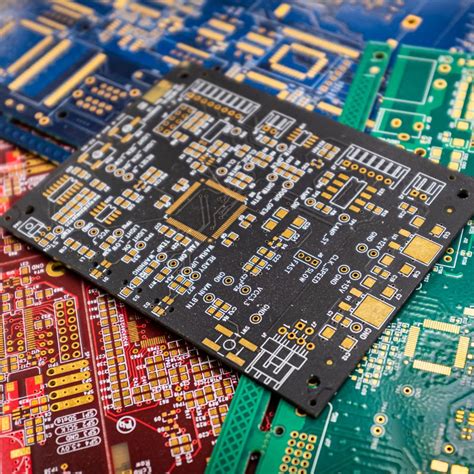
In the realm of electronics manufacturing, the production of printed circuit boards (PCBs) is a critical process that demands precision and adherence to stringent quality standards. Among the various classifications of PCBs, IPC Class 3 represents the pinnacle of quality and reliability, often used in applications where failure is not an option, such as aerospace, medical devices, and military equipment. Ensuring the highest level of quality in IPC Class 3 PCB production requires a comprehensive approach to quality assurance, encompassing meticulous planning, rigorous testing, and continuous improvement.
To begin with, the foundation of quality assurance in IPC Class 3 PCB manufacturing lies in the meticulous planning and design phase.
This involves selecting the appropriate materials and components that meet the stringent requirements of Class 3 standards. Manufacturers must ensure that the materials used are capable of withstanding harsh environmental conditions and prolonged operational stress. Furthermore, the design process must incorporate robust testing protocols to identify potential failure points and address them proactively. By integrating quality considerations from the outset, manufacturers can significantly reduce the likelihood of defects and enhance the overall reliability of the final product.
Transitioning from design to production, the manufacturing process itself is subject to rigorous quality control measures.
Each stage of production, from etching and drilling to soldering and assembly, is closely monitored to ensure compliance with IPC Class 3 standards. Advanced inspection techniques, such as automated optical inspection (AOI) and X-ray inspection, are employed to detect defects that may not be visible to the naked eye. These technologies enable manufacturers to identify and rectify issues early in the production process, thereby minimizing the risk of defects in the final product.
Moreover, testing plays a pivotal role in the quality assurance practices of IPC Class 3 PCB production.
Functional testing, environmental testing, and reliability testing are conducted to verify that the PCBs meet the required performance criteria under various conditions. Functional testing ensures that the PCB operates as intended, while environmental testing subjects the PCB to extreme temperatures, humidity, and vibration to assess its durability. Reliability testing, on the other hand, evaluates the long-term performance of the PCB, simulating years of operation to identify potential failure modes. By subjecting PCBs to these rigorous tests, manufacturers can ensure that only the highest quality products reach the market.
In addition to these testing protocols, continuous improvement is a cornerstone of quality assurance in IPC Class 3 PCB manufacturing.
Manufacturers must foster a culture of quality, encouraging employees at all levels to identify areas for improvement and implement corrective actions. This involves regular training and development programs to keep the workforce abreast of the latest industry standards and technological advancements. By embracing a philosophy of continuous improvement, manufacturers can enhance their processes, reduce waste, and ultimately deliver superior products to their customers.
In conclusion, quality assurance in IPC Class 3 PCB production is a multifaceted endeavor that requires meticulous planning, rigorous testing, and a commitment to continuous improvement.
By adhering to these practices, manufacturers can ensure that their products meet the highest standards of quality and reliability, thereby fulfilling the demanding requirements of critical applications. As technology continues to evolve, the importance of robust quality assurance practices in IPC Class 3 PCB manufacturing will only grow, underscoring the need for manufacturers to remain vigilant and proactive in their pursuit of excellence.