Isola pcb laminate
Advantages Of Using Isola PCB Laminate In High-Frequency Applications
Isola PCB laminate has emerged as a preferred material in high-frequency applications, offering a range of advantages that make it indispensable in the field of advanced electronics.
One of the primary benefits of using Isola PCB laminate is its exceptional electrical performance.
This material is engineered to provide low dielectric constant (Dk) and low dissipation factor (Df), which are critical parameters in high-frequency circuits. A low Dk ensures minimal signal delay, while a low Df reduces signal loss, thereby enhancing the overall efficiency and reliability of the electronic device.
In addition to its superior electrical properties, Isola PCB laminate exhibits excellent thermal management capabilities.
High-frequency applications often generate significant amounts of heat, which can adversely affect the performance and longevity of electronic components. Isola laminates are designed to offer high thermal conductivity, allowing for efficient heat dissipation. This characteristic not only helps in maintaining optimal operating temperatures but also contributes to the durability and stability of the electronic system.
Moreover, Isola PCB laminate is known for its robust mechanical properties.
The material’s high tensile strength and dimensional stability ensure that it can withstand the rigors of manufacturing processes and operational stresses. This durability is particularly important in high-frequency applications, where precision and reliability are paramount. The mechanical integrity of Isola laminates ensures that the PCB maintains its structural integrity, even under challenging conditions, thereby reducing the risk of failure and the need for frequent maintenance.
Another significant advantage of using Isola PCB laminate is its compatibility with advanced manufacturing techniques.
The material is designed to support high-density interconnect (HDI) technology, which is essential for creating compact and complex circuit designs. This compatibility allows for greater design flexibility and enables the development of miniaturized electronic devices without compromising on performance. Furthermore, Isola laminates are compatible with lead-free soldering processes, aligning with global environmental regulations and promoting sustainable manufacturing practices.
The reliability of Isola PCB laminate in high-frequency applications is further enhanced by its excellent moisture resistance.
Electronic devices are often exposed to varying environmental conditions, and moisture ingress can lead to electrical failures and corrosion. Isola laminates are engineered to resist moisture absorption, thereby protecting the integrity of the circuit and ensuring consistent performance over time. This moisture resistance is particularly beneficial in applications such as telecommunications, aerospace, and automotive electronics, where reliability is critical.
Additionally, Isola PCB laminate offers a cost-effective solution for high-frequency applications.
While the initial material cost may be higher compared to standard laminates, the long-term benefits in terms of performance, reliability, and reduced maintenance costs make it a worthwhile investment. The material’s ability to enhance signal integrity, manage thermal loads, and withstand mechanical stresses translates to fewer failures and longer service life, ultimately leading to lower total cost of ownership.
In conclusion, the advantages of using Isola PCB laminate in high-frequency applications are manifold.
Its superior electrical performance, excellent thermal management, robust mechanical properties, compatibility with advanced manufacturing techniques, moisture resistance, and cost-effectiveness make it an ideal choice for a wide range of high-frequency electronic devices. As the demand for high-performance electronics continues to grow, Isola PCB laminate stands out as a reliable and efficient material that meets the stringent requirements of modern high-frequency applications.
Comparing Isola PCB Laminate To Other PCB Materials
When evaluating printed circuit board (PCB) materials, Isola PCB laminate stands out as a prominent choice due to its unique properties and performance characteristics. To understand its advantages, it is essential to compare Isola PCB laminate with other commonly used PCB materials, such as FR-4, Rogers, and polyimide laminates. This comparison will highlight the distinct features and applications of each material, providing a comprehensive understanding of their respective benefits and limitations.
Isola PCB laminate is renowned for its high thermal reliability and excellent electrical performance.
These attributes make it particularly suitable for high-frequency and high-speed applications. In contrast, FR-4, the most widely used PCB material, is a glass-reinforced epoxy laminate that offers a good balance of performance and cost. While FR-4 is adequate for many standard applications, it falls short in high-frequency environments due to its relatively higher dielectric constant and loss tangent compared to Isola laminates. Consequently, Isola materials are often preferred in applications where signal integrity and minimal signal loss are critical.
Moreover, Isola PCB laminates exhibit superior thermal management capabilities.
This is particularly important in applications involving high power or high-density components, where effective heat dissipation is crucial to maintain performance and reliability. On the other hand, while FR-4 can handle moderate thermal loads, it may not be as effective in managing heat in more demanding applications. This limitation can lead to potential issues such as thermal expansion and delamination, which can compromise the integrity of the PCB.
Transitioning to Rogers laminates, these materials are known for their exceptional high-frequency performance and low dielectric loss.
Rogers laminates are often used in RF and microwave applications, where maintaining signal integrity is paramount. However, they tend to be more expensive than both Isola and FR-4 laminates. While Isola laminates may not match the ultra-low loss characteristics of Rogers materials, they offer a more cost-effective solution with sufficient performance for many high-frequency applications. This makes Isola laminates a versatile choice for designers seeking a balance between performance and cost.
Polyimide laminates, another alternative, are prized for their excellent thermal stability and mechanical strength.
These properties make them ideal for applications that require high-temperature resistance, such as aerospace and military electronics. However, polyimide laminates are generally more expensive and can be more challenging to process compared to Isola and FR-4 materials. While Isola laminates may not offer the same level of thermal resistance as polyimide, they provide a robust solution for a wide range of applications without the associated processing complexities and costs.
In conclusion, Isola PCB laminate offers a compelling combination of high thermal reliability, excellent electrical performance, and cost-effectiveness. When compared to other PCB materials like FR-4, Rogers, and polyimide laminates, Isola stands out for its versatility and balanced performance characteristics. While each material has its specific advantages and ideal applications, Isola laminates provide a middle ground that caters to a broad spectrum of requirements. This makes them an attractive option for designers and engineers seeking reliable and efficient solutions for their PCB needs.
How To Select The Right Isola PCB Laminate For Your Project
Selecting the right Isola PCB laminate for your project is a critical decision that can significantly impact the performance, reliability, and longevity of your electronic devices. Isola, a leading manufacturer of high-performance laminate materials, offers a diverse range of products designed to meet various application requirements. To make an informed choice, it is essential to consider several key factors, including the electrical, thermal, and mechanical properties of the laminate, as well as the specific demands of your project.
First and foremost, understanding the electrical properties of the laminate is crucial.
The dielectric constant (Dk) and dissipation factor (Df) are two primary parameters that influence signal integrity and overall performance. A lower Dk value is generally preferred for high-frequency applications, as it minimizes signal loss and ensures faster signal transmission. Similarly, a low Df value is essential for reducing signal attenuation and maintaining signal integrity over long distances. Isola offers laminates with varying Dk and Df values, allowing you to select a material that aligns with the frequency requirements of your project.
In addition to electrical properties, thermal performance is another critical consideration.
The thermal conductivity and glass transition temperature (Tg) of the laminate determine its ability to withstand high temperatures and thermal cycling. A higher Tg value indicates better thermal stability, which is particularly important for applications involving high-power components or environments with fluctuating temperatures. Isola’s laminates are designed to offer excellent thermal performance, ensuring that your PCB can operate reliably under demanding conditions.
Mechanical properties, such as tensile strength, flexural strength, and dimensional stability, also play a vital role in the selection process.
These properties determine the laminate’s ability to withstand mechanical stress and maintain its structural integrity over time. For applications that require flexibility or are subject to mechanical vibrations, selecting a laminate with high tensile and flexural strength is essential. Isola’s product range includes laminates with robust mechanical properties, ensuring that your PCB can endure the physical demands of its intended application.
Furthermore, it is important to consider the specific environmental conditions in which your PCB will operate.
Factors such as humidity, chemical exposure, and UV radiation can affect the performance and longevity of the laminate. Isola offers laminates with enhanced resistance to moisture absorption, chemical degradation, and UV exposure, making them suitable for a wide range of environmental conditions. By selecting a laminate that can withstand the environmental challenges of your application, you can ensure the long-term reliability of your PCB.
Cost is another factor that cannot be overlooked.
While high-performance laminates may come at a premium price, it is essential to balance cost with the performance requirements of your project. Investing in a high-quality laminate can lead to improved performance, reduced maintenance costs, and longer product lifespan, ultimately providing better value in the long run. Isola’s diverse product portfolio includes laminates at various price points, allowing you to find a material that meets both your performance and budgetary needs.
In conclusion, selecting the right Isola PCB laminate for your project involves a careful evaluation of electrical, thermal, and mechanical properties, as well as environmental considerations and cost. By thoroughly assessing these factors and understanding the specific demands of your application, you can make an informed decision that ensures the optimal performance and reliability of your electronic devices. Isola’s extensive range of high-performance laminates provides the flexibility and quality needed to meet the diverse requirements of modern PCB applications.
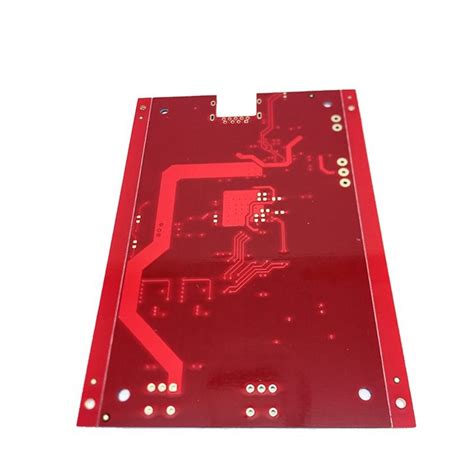
The Role Of Isola PCB Laminate In Enhancing Signal Integrity
Isola PCB laminate plays a crucial role in the realm of printed circuit board (PCB) manufacturing, particularly in enhancing signal integrity. Signal integrity refers to the quality and reliability of electrical signals as they travel through the PCB, which is essential for the optimal performance of electronic devices. As electronic devices become increasingly complex and operate at higher frequencies, maintaining signal integrity becomes more challenging. This is where Isola PCB laminate comes into play, offering a solution that addresses these challenges effectively.
To understand the significance of Isola PCB laminate, it is important to first recognize the factors that affect signal integrity.
These factors include signal loss, crosstalk, and electromagnetic interference (EMI). Signal loss occurs when the signal weakens as it travels through the PCB, which can be caused by the dielectric material’s properties. Crosstalk refers to the unwanted transfer of signals between adjacent traces, leading to interference and potential data corruption. EMI, on the other hand, is the disruption caused by external electromagnetic fields, which can degrade the signal quality.
Isola PCB laminate is designed to mitigate these issues through its advanced material properties.
One of the key attributes of Isola laminates is their low dielectric constant (Dk) and low dissipation factor (Df). A low Dk ensures that the signal travels at a consistent speed with minimal delay, while a low Df reduces signal loss by minimizing the energy dissipated as heat. These properties are particularly beneficial for high-frequency applications, where even minor signal degradation can have significant impacts on performance.
Moreover, Isola laminates exhibit excellent thermal stability and mechanical strength, which are essential for maintaining signal integrity under varying environmental conditions.
The thermal stability ensures that the material’s properties remain consistent even at elevated temperatures, preventing signal distortion. The mechanical strength, on the other hand, provides durability and reliability, ensuring that the PCB can withstand physical stresses without compromising signal quality.
In addition to their intrinsic material properties, Isola laminates are also engineered to reduce crosstalk and EMI.
The precise control over the laminate’s thickness and the uniformity of its dielectric layers help in maintaining consistent impedance, which is critical for minimizing crosstalk. Furthermore, the use of advanced manufacturing techniques ensures that the laminate’s surface is smooth and free from defects, reducing the likelihood of EMI.
The role of Isola PCB laminate in enhancing signal integrity is further underscored by its compatibility with various fabrication processes.
Isola laminates can be easily integrated into different PCB designs, whether they are single-layer, multi-layer, or high-density interconnect (HDI) boards. This versatility allows designers to optimize their PCB layouts for signal integrity without being constrained by material limitations.
In conclusion, Isola PCB laminate is instrumental in enhancing signal integrity, which is vital for the performance and reliability of modern electronic devices. Its low dielectric constant and dissipation factor, combined with excellent thermal stability and mechanical strength, make it an ideal choice for high-frequency applications. By mitigating signal loss, crosstalk, and EMI, Isola laminates ensure that electrical signals maintain their quality and reliability as they traverse the PCB. As electronic devices continue to evolve, the importance of materials like Isola PCB laminate in maintaining signal integrity cannot be overstated.