Large flex pcb
Advantages Of Using Large Flex PCBs In Modern Electronics
In the rapidly evolving landscape of modern electronics, the demand for more efficient, compact, and versatile components has never been greater. One technological advancement that has significantly contributed to meeting these demands is the large flexible printed circuit board (PCB). These innovative components offer a myriad of advantages that make them indispensable in the design and manufacture of contemporary electronic devices. As we delve into the benefits of large flex PCBs, it becomes evident why they are increasingly favored over traditional rigid PCBs.
To begin with, one of the most notable advantages of large flex PCBs is their unparalleled flexibility.
Unlike rigid PCBs, which are confined to a fixed shape, flex PCBs can be bent, folded, and twisted to fit into unconventional spaces. This flexibility is particularly beneficial in applications where space is at a premium, such as in wearable technology, medical devices, and compact consumer electronics. By allowing for more creative and efficient use of space, large flex PCBs enable designers to create smaller, lighter, and more ergonomic products without compromising on functionality.
In addition to their physical flexibility, large flex PCBs also offer enhanced durability.
The materials used in their construction, such as polyimide or polyester films, are inherently more resilient to environmental stressors like vibration, shock, and temperature fluctuations. This robustness makes them ideal for use in harsh environments, such as automotive and aerospace applications, where reliability is paramount. Furthermore, the reduced number of connectors and solder joints in flex PCBs minimizes potential points of failure, thereby increasing the overall reliability and lifespan of the electronic device.
Another significant advantage of large flex PCBs is their ability to reduce assembly costs and time.
The inherent design of flex PCBs allows for the integration of multiple components and interconnections into a single, streamlined unit. This consolidation reduces the need for additional connectors and cables, simplifying the assembly process and reducing labor costs. Moreover, the reduced weight and volume of flex PCBs contribute to lower shipping and handling expenses, further enhancing their cost-effectiveness.
Transitioning to the aspect of electrical performance, large flex PCBs offer superior signal integrity compared to their rigid counterparts.
The continuous conductive paths in flex PCBs eliminate the need for connectors, which are often sources of signal loss and interference. This results in improved electrical performance, making flex PCBs particularly advantageous in high-frequency applications where signal integrity is critical. Additionally, the ability to design complex three-dimensional circuits with flex PCBs allows for more efficient routing of signals, further enhancing their performance.
Finally, the environmental benefits of large flex PCBs should not be overlooked.
The reduction in materials and components not only decreases waste but also contributes to a smaller carbon footprint during manufacturing. As sustainability becomes an increasingly important consideration in electronics design, the eco-friendly nature of flex PCBs positions them as a forward-thinking choice for environmentally conscious manufacturers.
In conclusion, the advantages of using large flex PCBs in modern electronics are manifold. Their flexibility, durability, cost-effectiveness, superior electrical performance, and environmental benefits make them an attractive option for a wide range of applications. As technology continues to advance, it is likely that the adoption of large flex PCBs will only increase, further cementing their role as a cornerstone of modern electronic design.
Design Considerations For Large Flex PCBs
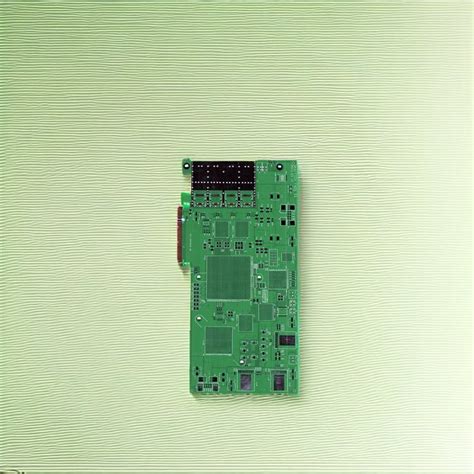
When designing large flexible printed circuit boards (PCBs), several critical considerations must be taken into account to ensure optimal performance and reliability. As the demand for more compact and versatile electronic devices grows, the use of large flex PCBs has become increasingly prevalent. These PCBs offer significant advantages, such as reduced weight and enhanced flexibility, making them ideal for applications in industries ranging from consumer electronics to aerospace. However, the unique characteristics of large flex PCBs necessitate a careful approach to their design.
One of the primary considerations in designing large flex PCBs is the choice of materials.
The substrate material must be flexible enough to accommodate bending and twisting without compromising the integrity of the circuit. Polyimide is a popular choice due to its excellent thermal stability and mechanical properties. Additionally, the copper used for the conductive traces must be thin enough to allow for flexibility while maintaining sufficient conductivity. The thickness of the copper layer is a critical factor, as it influences both the flexibility and the current-carrying capacity of the PCB.
Another important aspect is the layout of the circuit.
The design must account for the mechanical stresses that the PCB will encounter during its lifecycle. This involves strategically placing components and routing traces to minimize stress concentrations. For instance, traces should be routed perpendicular to the bend lines to reduce the risk of cracking. Furthermore, the use of teardrop pads can help alleviate stress at the junctions between traces and pads, enhancing the durability of the PCB.
Thermal management is also a crucial consideration in the design of large flex PCBs.
As electronic devices become more powerful, they generate more heat, which can adversely affect the performance and lifespan of the PCB. Effective thermal management strategies, such as the incorporation of thermal vias and heat sinks, are essential to dissipate heat efficiently. Additionally, the choice of materials with high thermal conductivity can aid in managing heat distribution across the PCB.
Signal integrity is another key factor that must be addressed in the design process.
As the size of the PCB increases, so does the potential for signal degradation due to factors such as impedance mismatches and electromagnetic interference. To mitigate these issues, designers must carefully consider the impedance control of the traces and the placement of ground planes. The use of differential signaling and shielding techniques can also help maintain signal integrity, ensuring reliable communication between components.
Moreover, the manufacturability of large flex PCBs is an important consideration.
The design must be compatible with existing manufacturing processes to ensure cost-effectiveness and scalability. This involves adhering to design rules and guidelines provided by PCB manufacturers, such as minimum trace widths and spacing. Additionally, the design should facilitate easy assembly and testing, which can be achieved through the use of test points and fiducials.
In conclusion, the design of large flex PCBs requires a comprehensive understanding of various factors, including material selection, circuit layout, thermal management, signal integrity, and manufacturability. By carefully considering these aspects, designers can create PCBs that not only meet the functional requirements of their applications but also offer enhanced reliability and performance. As technology continues to evolve, the demand for large flex PCBs is likely to increase, making it imperative for designers to stay abreast of the latest advancements and best practices in this field.
Manufacturing Challenges And Solutions For Large Flex PCBs
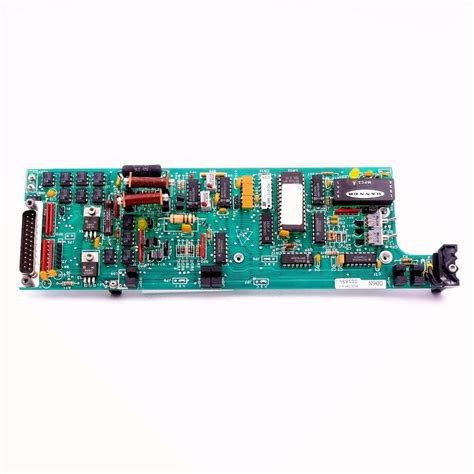
The manufacturing of large flexible printed circuit boards (PCBs) presents a unique set of challenges that require innovative solutions to ensure efficiency and reliability. As the demand for more complex and larger electronic devices grows, so does the need for advanced PCB technologies that can accommodate these requirements. Large flex PCBs, known for their ability to bend and conform to various shapes, are increasingly being used in applications ranging from consumer electronics to aerospace. However, their production is not without its difficulties.
One of the primary challenges in manufacturing large flex PCBs is maintaining dimensional stability.
As the size of the PCB increases, so does the potential for material distortion during the fabrication process. This distortion can lead to misalignment of circuit patterns, which in turn affects the performance and reliability of the final product. To address this issue, manufacturers often employ advanced materials with low thermal expansion coefficients. These materials help maintain the integrity of the PCB’s dimensions even under varying thermal conditions.
In addition to dimensional stability, the handling and processing of large flex PCBs pose significant challenges.
The flexible nature of these boards makes them susceptible to mechanical stress and damage during manufacturing. To mitigate this risk, manufacturers have developed specialized handling equipment and techniques. For instance, automated systems with precision controls are used to transport and process the boards, minimizing human contact and reducing the likelihood of damage.
Another critical challenge is ensuring the electrical performance of large flex PCBs.
As the size of the board increases, so does the complexity of the electrical pathways. This complexity can lead to issues such as signal loss and electromagnetic interference. To overcome these problems, manufacturers employ advanced design techniques, such as impedance control and the use of shielding materials. These methods help maintain signal integrity and reduce interference, ensuring that the PCB performs as intended.
Moreover, the production of large flex PCBs often involves complex multilayer constructions.
Each layer must be precisely aligned and bonded to ensure the overall functionality of the board. This process requires meticulous attention to detail and advanced bonding techniques. Manufacturers have developed innovative solutions, such as laser-assisted bonding and automated optical inspection systems, to ensure the accuracy and quality of multilayer constructions.
Furthermore, the cost of producing large flex PCBs can be prohibitive due to the specialized materials and equipment required.
To address this, manufacturers are continually seeking ways to optimize production processes and reduce costs. Techniques such as panelization, where multiple PCBs are produced on a single panel, help maximize material usage and reduce waste. Additionally, advancements in additive manufacturing technologies offer the potential for more cost-effective production methods in the future.
In conclusion, while the manufacturing of large flex PCBs presents several challenges, ongoing advancements in materials, design, and production techniques are providing effective solutions. By addressing issues related to dimensional stability, handling, electrical performance, multilayer construction, and cost, manufacturers are able to produce reliable and efficient large flex PCBs that meet the demands of modern electronic applications. As technology continues to evolve, it is likely that further innovations will emerge, paving the way for even more sophisticated and capable flexible circuit solutions.
Applications Of Large Flex PCBs In The Automotive Industry
In the rapidly evolving landscape of the automotive industry, technological advancements are continuously reshaping the way vehicles are designed, manufactured, and operated. Among these innovations, large flexible printed circuit boards (PCBs) have emerged as a pivotal component, offering a myriad of applications that enhance both the functionality and efficiency of modern automobiles. As the demand for smarter, more connected vehicles grows, the role of large flex PCBs becomes increasingly significant, providing solutions that traditional rigid PCBs cannot match.
One of the primary applications of large flex PCBs in the automotive sector is in the development of advanced driver-assistance systems (ADAS).
These systems, which include features such as adaptive cruise control, lane departure warning, and automated parking, rely heavily on a network of sensors and electronic components. Large flex PCBs are ideal for these applications due to their ability to conform to the complex shapes and contours of a vehicle’s interior and exterior surfaces. This flexibility allows for the seamless integration of electronic components into areas that would otherwise be inaccessible or impractical for rigid PCBs, thereby enhancing the overall performance and reliability of ADAS.
Moreover, the integration of large flex PCBs extends to the realm of infotainment systems, which have become a staple in modern vehicles.
These systems, which provide entertainment, navigation, and communication functions, require a robust and flexible electronic infrastructure to support their diverse functionalities. Large flex PCBs offer the necessary adaptability and durability, enabling manufacturers to design infotainment systems that are not only more compact but also more efficient in terms of power consumption and signal transmission. This results in a more immersive and responsive user experience, which is increasingly demanded by consumers.
In addition to enhancing infotainment and ADAS, large flex PCBs play a crucial role in the development of electric vehicles (EVs).
As the automotive industry shifts towards sustainable energy solutions, the need for efficient power management systems becomes paramount. Large flex PCBs are instrumental in the design of battery management systems (BMS), which are essential for monitoring and controlling the charging and discharging of EV batteries. The flexibility and lightweight nature of these PCBs allow for optimal placement within the vehicle, reducing weight and improving energy efficiency. Furthermore, their ability to withstand high temperatures and harsh environmental conditions ensures the reliability and longevity of the BMS, which is critical for the performance and safety of electric vehicles.
Transitioning from traditional internal combustion engines to electric powertrains also necessitates advancements in thermal management systems.
Large flex PCBs contribute significantly to this area by facilitating the integration of temperature sensors and control units throughout the vehicle. Their adaptability allows for precise placement in areas that require meticulous temperature regulation, thereby preventing overheating and ensuring optimal performance of the vehicle’s electronic systems.
In conclusion, the applications of large flex PCBs in the automotive industry are vast and varied, encompassing critical areas such as ADAS, infotainment, electric vehicle power management, and thermal regulation. As the industry continues to innovate and evolve, the demand for flexible, reliable, and efficient electronic solutions will only increase. Large flex PCBs, with their unique properties and capabilities, are poised to play an indispensable role in shaping the future of automotive technology, driving advancements that promise to enhance safety, efficiency, and user experience in the vehicles of tomorrow.