Leading PCB Manufacturers: Balancing Cost and Quality
Key Takeaways
When evaluating PCB manufacturing companies, understanding the balance between PCB manufacturing cost and quality is critical. Your choice depends on project complexity, turnaround needs, and budget constraints. For DIY or hobby projects, low-volume prototyping often takes priority, while commercial ventures require stricter quality certifications.
| Supplier | Cost Per Sq. Inch | Lead Time | Ideal For |
|---|---|---|---|
| JLCPCB | $0.05 | 3-5 days | Budget prototypes |
| ALLPCB | $0.07 | 5-7 days | Mid-range designs |
| OSH Park | $1.20 | 10-14 days | High-precision boards |
"Always request a sample batch before committing to large orders—this helps verify if a PCB manufacturing business aligns with your quality expectations."
If PCB manufacturing timelines are flexible, overseas suppliers typically offer lower costs, but domestic options reduce shipping delays. For time-sensitive projects, prioritize local partners despite higher per-unit expenses. Tools like automated DFM checks can minimize errors, indirectly lowering long-term PCB manufacturing cost.
When comparing quotes, factor in hidden fees (e.g., tooling charges, shipping taxes). A $5 board might cost $25 after extras. Use supplier certifications (ISO 9001, UL listings) to gauge reliability—critical for commercial PCB manufacturing companies.
PCB Manufacturer Showdown: Cost vs Quality
When evaluating PCB manufacturing companies, you’ll quickly notice a tension between PCB manufacturing cost and reliability. Budget-friendly options often streamline processes to reduce expenses, but this can sometimes mean compromising on material quality or turnaround times. For instance, high-volume orders might lower per-unit prices, but smaller DIY projects could face higher relative costs due to setup fees. On the flip side, premium suppliers prioritize rigorous testing and advanced materials, which minimizes defects but raises overall project budgets.
To navigate this balance, compare how different PCB manufacturing providers allocate resources. Companies like JLCPCB and ALLPCB, for example, offer tiered pricing models that cater to both hobbyists and professionals. While JLCPCB’s economy services excel at rapid prototyping with standard FR-4 substrates, ALLPCB’s mid-tier options include enhanced copper thickness for improved durability. Understanding these nuances helps you identify where corners are cut—or quality is safeguarded—in the PCB manufacturing business.
Don’t overlook hidden factors like shipping fees or certification standards, which can skew cost comparisons. Overseas manufacturers might offer lower base rates, but import duties or longer lead times could offset savings. For critical projects, thorough vetting of a supplier’s quality controls—such as AOI inspections or lead-free finishes—ensures your boards meet performance expectations without blowing your budget. By weighing these variables, you can align your priorities with a manufacturer’s strengths, whether cost efficiency or uncompromising reliability drives your decision.
Balancing Budget and Reliability in PCB Production
When navigating PCB manufacturing for DIY projects, balancing affordability with dependability requires understanding where compromises are feasible—and where they’re not. PCB manufacturing cost often hinges on factors like material quality, layer count, and turnaround time. For example, opting for FR-4 instead of high-frequency substrates can reduce expenses, but thermal performance might suffer in high-stress applications. Similarly, bulk orders with PCB manufacturing companies like JLCPCB or ALLPCB typically lower per-unit prices, but prototyping with smaller batches ensures flexibility for iterative designs.
Reliability isn’t just about materials—it’s also tied to a manufacturer’s expertise. Established PCB manufacturing business providers invest in rigorous quality checks, minimizing risks of delamination or trace fractures. However, cheaper overseas services might cut corners on testing, risking costly rework. To strike a balance, prioritize certifications like ISO 9001 and compare lead times against your project’s urgency. If budget constraints dominate, consider hybrid approaches: source simpler boards overseas for cost savings, but reserve local PCB manufacturing for complex, mission-critical layers. Always request samples—real-world testing reveals more than spec sheets ever could.
Top DIY-Friendly PCB Suppliers Compared 2024
When selecting PCB manufacturing partners for hobbyist projects, balancing affordability with dependable quality remains critical. Among 2024’s standout options, JLCPCB continues to dominate for budget-conscious creators, offering rapid prototyping at competitive PCB manufacturing costs—ideal for testing iterative designs. ALLPCB counters with enhanced material flexibility, catering to specialized needs like high-frequency boards while maintaining cost transparency. For U.S.-based makers prioritizing local sourcing, OSH Park’s community-driven model ensures rigorous quality checks, though lead times may stretch compared to overseas alternatives.
Each of these PCB manufacturing companies caters to distinct priorities: JLCPCB excels in speed and scalability, ALLPCB balances customization with bulk-order savings, and OSH Park emphasizes collaborative design support. When evaluating PCB manufacturing business models, consider hidden fees—such as tooling charges or shipping tariffs—that can inflate initial quotes. For low-volume DIY projects, opting for suppliers with no minimum order quantities ensures you pay only for what you need. Transitioning between prototypes and full production? Prioritize vendors offering seamless scalability without compromising board reliability—a key factor in avoiding costly redesigns down the line.
JLCPCB vs ALLPCB: Quality-Cost Analysis
When evaluating PCB manufacturing options for DIY projects, you’ll find JLCPCB and ALLPCB frequently compared for their balance of affordability and reliability. Both PCB manufacturing companies cater to hobbyists, but their approaches differ. JLCPCB emphasizes low-cost prototyping, with prices starting at $2 for 10 boards, making it ideal for testing concepts without significant upfront investment. However, their budget-friendly model may involve trade-offs in material consistency or lead times during peak demand.
ALLPCB positions itself as a mid-tier option, offering slightly higher PCB manufacturing cost structures but compensating with stricter quality controls. Their automated inspection systems and dedicated customer support reduce risks of defects—a critical factor for complex designs. While their base pricing runs 15–20% higher than JLCPCB’s, their global logistics network often ensures faster shipping to North America and Europe.
For small-batch projects, JLCPCB’s economies of scale in PCB manufacturing business operations keep costs competitive, especially for 2-layer boards. ALLPCB, however, shines in 4–6 layer designs where precision matters more. You’ll need to weigh whether your priority is minimizing expenses or securing production-grade reliability. Neither compromises outright on core functionality, but the choice hinges on how much margin for error your project allows.
How to Choose PCB Makers for Hobby Projects
When selecting PCB manufacturing companies for DIY projects, start by defining your technical requirements and budget. Layer count, surface finish options, and turnaround time directly influence PCB manufacturing cost, so prioritize suppliers that offer customizable parameters for low-volume orders. For hobbyists, balancing affordability with reliability is critical—look for providers with transparent pricing tiers and verified quality controls, such as ISO certifications.
Compare platforms like JLCPCB and ALLPCB, which cater to small-scale projects with user-friendly interfaces and instant quoting tools. While JLCPCB excels in cost-effective prototypes, ALLPCB may offer better flexibility for complex designs. Don’t overlook local PCB manufacturing business options if faster shipping or regional support matters—North American suppliers like OSH Park often provide shorter lead times despite slightly higher rates.
Always review customer feedback on forums or maker communities to gauge consistency in PCB manufacturing quality. Check if the manufacturer supports file formats like Gerber or Eagle and clarifies design rule checks (DRC) upfront to avoid costly revisions. By aligning your project’s scope with a supplier’s strengths, you can optimize both performance and budget without compromising on deliverables.

North American PCB Prototyping Solutions Guide
When exploring PCB manufacturing options for prototyping, North America offers distinct advantages for balancing speed, compliance, and technical support. Local PCB manufacturing companies like Advanced Circuits, Bittele, and Bay Area Circuits specialize in low-volume orders, catering to hobbyists and startups needing rapid iteration. While PCB manufacturing cost may run higher than overseas alternatives, shorter lead times (often 3–5 days) and reduced shipping expenses can offset upfront pricing—especially for projects requiring quick fixes or design validation.
Many regional suppliers prioritize Design for Manufacturing (DFM) checks and IPC-A-600 standards, ensuring prototypes meet industrial-grade reliability. This focus on quality control minimizes costly revisions, a critical factor when scaling from prototypes to full production. For your PCB manufacturing business or DIY venture, consider hybrid approaches: use local services for initial testing before transitioning bulk orders overseas. Tools like instant quoting platforms and automated file reviews further streamline the process, letting you compare material options (e.g., FR-4 vs. Rogers) without sacrificing turnaround speed.
While overseas options dominate high-volume markets, North American providers excel in niche areas like mil-spec compliance or complex multilayer designs. Evaluate your project’s tolerance for risk, timeline, and certification needs—sometimes paying a premium for proximity pays dividends in long-term efficiency.
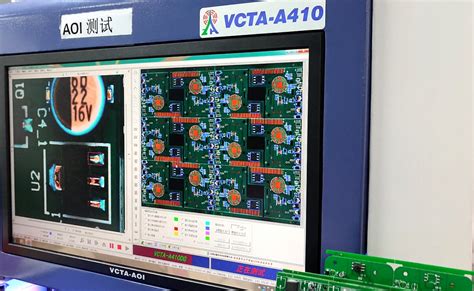
PCB Manufacturing: Local vs Overseas Tradeoffs
When evaluating PCB manufacturing companies, you’ll face a critical choice: sourcing locally or overseas. Local providers often offer faster turnaround times and easier communication, reducing risks in quality control. However, domestic production typically comes with higher PCB manufacturing costs, especially for low-volume orders or complex designs. Overseas suppliers, particularly in regions like Asia, provide competitive pricing due to economies of scale, making them attractive for prototyping or bulk orders in a PCB manufacturing business.
Yet, overseas partnerships introduce tradeoffs. Shipping delays, import tariffs, and time zone differences can complicate timelines. While advanced logistics systems mitigate some risks, verifying quality standards remotely remains challenging. For hobbyists or small-scale projects, balancing PCB manufacturing cost with reliability often means prioritizing overseas options for affordability, then switching to local services for urgent revisions.
Local manufacturers excel in supporting niche requirements—think specialized materials or tight tolerances—while overseas firms streamline standardized production. Your decision hinges on project scope: high-volume, cost-sensitive batches lean overseas; low-volume, rapid-iteration needs may justify local premiums. Always cross-check certifications (like ISO 9001) and customer reviews to ensure quality alignment, regardless of geography.
This balance between proximity and pricing shapes how you navigate the global PCB manufacturing landscape—a theme that transitions into optimizing choices for DIY-focused workflows.
Expert Tips for Selecting Affordable PCB Services
When navigating PCB manufacturing options, start by clarifying your project’s technical requirements. Define parameters like layer count, material type, and tolerances upfront to avoid overpaying for unnecessary features. Cost-effective solutions often emerge when you align specifications with your actual needs—over-engineering can inflate PCB manufacturing cost without adding value.
Compare multiple PCB manufacturing companies by requesting detailed quotes that separate material, labor, and testing expenses. Platforms offering instant online calculators help benchmark pricing, but verify if certifications like ISO 9001 or UL listing are included—these ensure baseline quality in PCB manufacturing business operations. For prototypes, prioritize suppliers with tiered pricing models that scale economically with order volume.
Don’t overlook lead times: faster turnaround often commands premium pricing. If deadlines allow, opt for standard production schedules to reduce expenses. Additionally, review customer feedback on defect rates and resolution processes—reputable providers balance affordability with consistent output. Finally, leverage bulk-order discounts or shared panel services for small-batch DIY projects, maximizing savings without compromising reliability.
Conclusion
When navigating PCB manufacturing for your projects, the balance between PCB manufacturing cost and quality ultimately defines your success. While cost-effective solutions from overseas PCB manufacturing companies may seem appealing, factors like material durability and precision tolerances shouldn’t be overlooked—especially for prototypes requiring repeatable performance. Conversely, prioritizing premium quality without budget awareness risks overspending on features your design might not need.
Your choice hinges on clearly defining project requirements: Are you testing a concept or scaling production? For hobbyists, partnering with PCB manufacturing business providers offering flexible order sizes and rapid prototyping often strikes the right balance. Always cross-verify certifications, user reviews, and sample quality before committing. By aligning your priorities with a manufacturer’s strengths—whether in affordability, turnaround, or technical support—you ensure your investment delivers both reliability and value.
Frequently Asked Questions
How do reputable pcb manufacturing companies balance cost and quality?
Top manufacturers optimize pcb manufacturing cost by leveraging advanced fabrication technologies and bulk material purchasing. They maintain quality through automated optical inspection (AOI) and adherence to IPC standards, ensuring reliability without inflating prices.
What factors should you prioritize when selecting a pcb manufacturing partner?
Focus on lead times, minimum order quantities (MOQs), and certification compliance (e.g., ISO 9001). For DIY projects, verify if the supplier supports smaller batches and offers design-for-manufacturing (DFM) feedback to avoid costly revisions.
Are overseas pcb manufacturing businesses more affordable than local options?
While overseas providers often offer lower pcb manufacturing cost, consider shipping fees and import tariffs. North American prototyping services may charge higher rates but provide faster turnaround and easier communication, balancing budget and convenience.
How can you reduce expenses in pcb manufacturing for hobby projects?
Choose standard materials like FR-4, avoid complex layer counts, and use panelization to maximize board space. Some companies offer first-order discounts or shared panel services, lowering per-unit costs for prototypes.
What hidden costs should you watch for in pcb manufacturing?
Review charges for tooling, testing, or rush orders. Transparent suppliers provide upfront quotes, while others may add fees for design file adjustments or specialized finishes like ENIG (Electroless Nickel Immersion Gold).
Explore Tailored PCB Solutions Today
Ready to optimize your pcb manufacturing process? Click here to compare customized quotes and discover services aligning with your project’s quality requirements and budget constraints.