LED Tube Light PCB Assembly: Streamlining Quality and Reliability
Key Takeaways
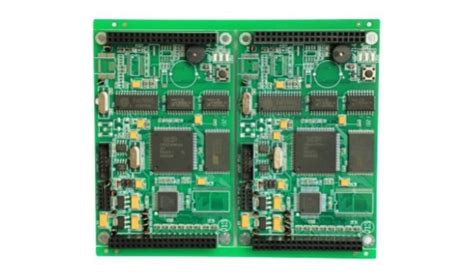
Effective PCB assembly for LED tube lights hinges on precision in both design and manufacturing. Central to achieving this is the integration of PCBA (printed circuit board assembly) methodologies that prioritize thermal efficiency and electrical stability. By leveraging automated placement systems, manufacturers ensure consistent component alignment, reducing human error and enhancing durability. Critical to this process is selecting high-grade substrates and copper-clad laminates, which directly impact heat dissipation and longevity.
Advanced thermal management techniques, such as incorporating metal-core PCBs or thermal vias, prevent overheating—a common challenge in LED applications. Rigorous testing protocols, including in-circuit testing and functional validation, further solidify reliability by identifying defects early. Additionally, optimizing PCB layout for minimal trace resistance and uniform current distribution improves energy efficiency and light output.
Transitioning seamlessly from design to production, modern PCBA workflows employ surface-mount technology (SMT) for compact, high-density configurations. This approach not only streamlines assembly but also supports scalability for industrial lighting solutions. By aligning material choices, process automation, and quality checks, stakeholders can deliver LED tube lights that meet stringent performance benchmarks while extending operational lifespans.
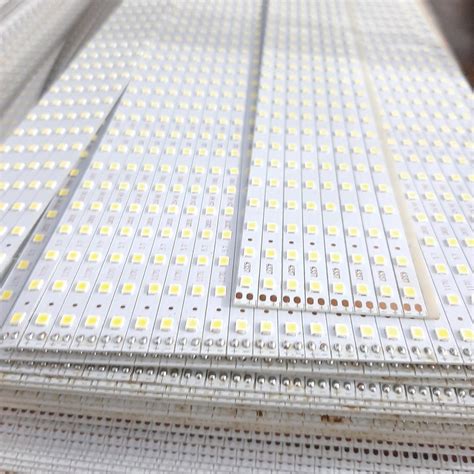
Ensuring Quality in LED Tube Light PCB Assembly
Achieving consistent quality in PCB assembly for LED tube lights requires a multi-layered approach that integrates precision engineering, rigorous testing, and material optimization. At the core of high-reliability PCBA processes lies the implementation of automated optical inspection (AOI) systems, which detect solder joint defects, component misalignment, and trace integrity issues with micron-level accuracy. To maintain alignment with industry standards such as IPC-A-610, manufacturers employ:
| Quality Parameter | Traditional Methods | Advanced Techniques |
|---|---|---|
| Solder Joint Integrity | Visual Inspection | 3D X-ray Analysis |
| Component Placement | Manual Calibration | AI-Driven Pick-and-Place |
| Thermal Stress Testing | Basic Thermal Cycling | IR Thermography + Simulation |
Material selection plays a pivotal role in ensuring long-term durability, particularly for LED tube light PCBs exposed to fluctuating temperatures. Using high-Tg (glass transition temperature) substrates and copper-clad laminates minimizes warping and delamination risks. Additionally, in-circuit testing (ICT) validates electrical performance post-assembly, while environmental stress screening (ESS) simulates real-world operating conditions to identify early-life failures. By combining these strategies, PCBA providers can reduce defect rates by up to 70% compared to conventional methods, directly enhancing the lifespan and efficiency of LED lighting systems.
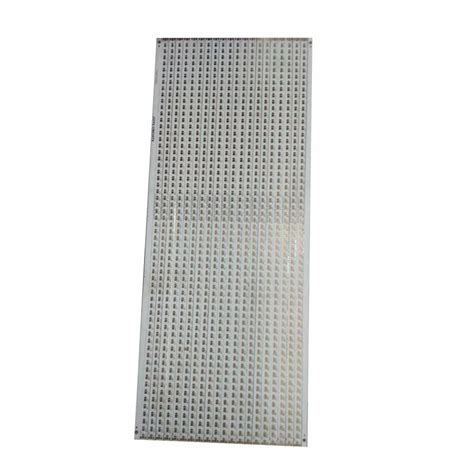
Key Strategies for Reliable PCB Manufacturing
Achieving consistent quality in PCB assembly for LED tube lights hinges on integrating precision-driven methodologies with rigorous process controls. A foundational step involves adopting design-for-manufacturability (DFM) principles, which minimize errors by aligning circuit layouts with production capabilities. For PCBA workflows, this includes validating solder mask clearances and pad geometries to prevent soldering defects during high-volume runs.
"Component placement accuracy directly impacts thermal performance in LED lighting systems. Prioritize automated optical inspection (AOI) to detect misalignments early."
Another critical factor is maintaining traceability across the PCB assembly line. Implementing serialized tracking for components like LEDs, drivers, and connectors ensures rapid root-cause analysis if failures occur. Advanced manufacturers leverage statistical process control (SPC) tools to monitor parameters such as reflow oven temperatures, keeping deviations within ±2°C for optimal solder joint integrity.
Material compatibility also plays a pivotal role. Selecting substrates with high glass transition temperatures (Tg) enhances resistance to thermal cycling stresses inherent in LED tube lights. Pairing this with halogen-free laminates not only meets environmental regulations but also reduces long-term degradation risks.
Finally, collaborative prototyping with PCBA partners allows iterative testing of thermal dissipation patterns and power distribution networks. This proactive approach identifies potential hotspots or voltage drops before mass production, aligning with the industry’s shift toward zero-defect manufacturing benchmarks.
Enhancing Durability Through Advanced Assembly Methods
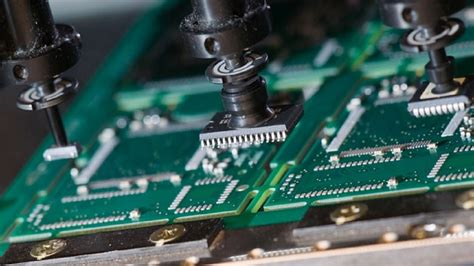
Achieving long-term reliability in LED tube light PCB assembly hinges on adopting precision-driven PCBA techniques. Modern manufacturing leverages surface-mount technology (SMT) to ensure components are placed with micron-level accuracy, minimizing mechanical stress and solder joint failures. For instance, automated pick-and-place systems paired with reflow soldering create consistent connections, critical for withstanding thermal cycling in lighting applications.
Another advancement lies in conformal coating applications, which protect PCB assemblies from environmental factors like humidity and dust. By integrating robotic spraying systems, manufacturers achieve uniform coverage without compromising electrical performance. Additionally, automated optical inspection (AOI) systems scan boards post-assembly to detect micro-cracks or misalignments, enabling real-time corrections before final testing.
To further enhance durability, PCBA processes now incorporate advanced thermal management strategies. For example, using thermally conductive adhesives during component mounting improves heat dissipation, directly extending the lifespan of LED drivers. These methods align with rigorous industry standards, ensuring PCB assemblies meet or exceed the operational demands of commercial and industrial lighting systems. By prioritizing precision and innovation, manufacturers deliver lighting solutions that balance performance with enduring reliability.
Optimizing PCB Design for LED Lighting Performance
Effective PCB assembly for LED tube lights begins with intelligent circuit board design tailored to lighting-specific demands. A well-optimized layout minimizes energy loss while maximizing thermal dissipation, critical for maintaining LED longevity. Key considerations include trace routing to reduce impedance, strategic placement of high-power components, and balancing component density to avoid localized heat buildup. For instance, integrating PCBA designs with aluminum-based substrates enhances heat transfer, directly impacting lumen maintenance over time.
Advanced software tools enable simulation of thermal profiles and current distribution, allowing engineers to refine layouts before prototyping. Stacking layers with dedicated power and ground planes further stabilizes voltage delivery, ensuring uniform brightness across LED arrays. Additionally, adherence to Design for Manufacturing (DFM) principles ensures compatibility with automated PCB assembly lines, reducing defects during mass production.
Transitioning from design to execution, material selection—such as high-temperature laminates—complements layout optimizations. Pairing these with adaptive soldering techniques creates robust interconnects, critical for vibration-resistant tube light applications. By harmonizing electrical performance with manufacturability, optimized PCBA designs become the backbone of reliable, energy-efficient lighting systems.
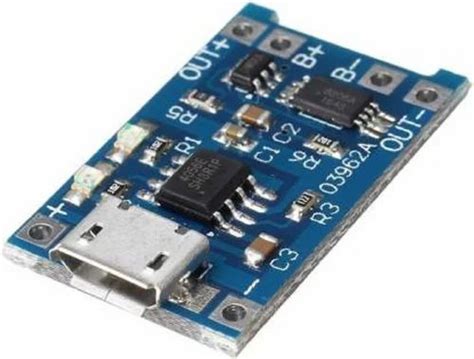
Material Selection for Long-Lasting Tube Light PCBs
The foundation of durable LED tube light PCB assembly lies in strategic material selection, which directly impacts thermal resilience, electrical stability, and operational lifespan. For PCBA applications in lighting systems, substrates like high-temperature FR-4 or aluminum-clad laminates are preferred due to their superior heat dissipation properties and resistance to thermal cycling stress. Copper thickness plays a critical role, with 2-3 oz/ft² layers often chosen to balance conductivity and mechanical strength while minimizing voltage drop across long tube designs.
Surface finishes such as HASL (Hot Air Solder Leveling) or ENIG (Electroless Nickel Immersion Gold) enhance solderability and corrosion resistance, particularly in humid environments common to industrial lighting installations. For solder masks, polyimide-based coatings provide flexibility and UV stability, reducing delamination risks in high-lumen applications. Adhesive materials must also withstand prolonged exposure to heat—epoxy resins with glass transition temperatures (Tg) above 150°C are increasingly adopted in modern PCB assembly workflows.
Transitioning from design to production, material compatibility with automated processes ensures consistency in component placement and soldering. By aligning substrate choices with IPC-4101 standards, manufacturers mitigate risks of warping or conductive anodic filament (CAF) formation, directly supporting the reliability goals outlined in broader LED tube light PCBA strategies. This focus on material science creates a robust framework for subsequent thermal management and testing phases.

Automated Processes in LED PCB Assembly Lines
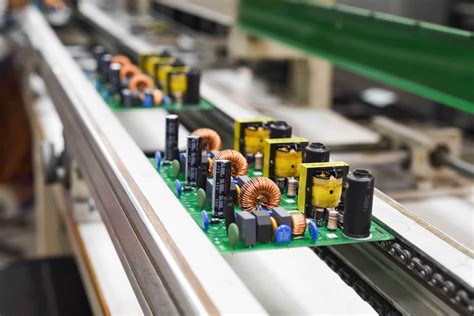
The integration of automated processes in LED tube light PCB assembly has revolutionized manufacturing precision and efficiency. Modern PCBA lines leverage robotic systems for tasks such as component placement, solder paste application, and reflow soldering, minimizing human error while ensuring consistent output. Advanced pick-and-place machines, for instance, position surface-mount devices (SMDs) with micron-level accuracy, critical for maintaining PCB assembly integrity in high-density LED designs.
Automated optical inspection (AOI) systems further enhance reliability by scanning assemblies for defects like misaligned components or insufficient solder joints. These systems operate at speeds unattainable through manual checks, aligning with the demand for scalable production. Additionally, automated conveyor systems synchronize workflow stages—from PCBA fabrication to final testing—reducing bottlenecks and ensuring seamless transitions between thermal profiling and functional validation.
By adopting closed-loop feedback mechanisms, manufacturers can dynamically adjust parameters such as solder temperature or placement pressure, optimizing yield rates. This approach not only elevates product durability but also aligns with stringent industry standards for LED lighting solutions. As automation evolves, its role in enabling adaptable, high-volume PCB assembly processes will remain pivotal to meeting the growing expectations for energy-efficient, long-lasting tube lights.

Thermal Management Techniques for LED PCBs
Effective thermal management is critical in LED tube light PCB assembly to ensure longevity and consistent performance. As LEDs generate significant heat during operation, improper dissipation can lead to thermal degradation, reducing both light output and lifespan. Advanced PCBA designs incorporate thermal vias—small copper-plated holes that transfer heat from the LED chips to the PCB’s metal core or heat sinks. This technique minimizes hotspots and maintains uniform temperature distribution across the board.
Material selection plays a pivotal role: aluminum-based substrates are widely preferred for their high thermal conductivity, which complements PCB assembly processes by efficiently channeling heat away from sensitive components. Additionally, applying thermally conductive adhesives during PCBA ensures secure bonding of LEDs while enhancing heat transfer.
Automated soldering techniques, such as reflow ovens, further optimize thermal performance by ensuring precise solder joint formation, reducing voids that could impede heat flow. Integrating real-time temperature monitoring during PCB assembly allows manufacturers to detect anomalies early, ensuring compliance with thermal tolerance thresholds. These strategies not only elevate reliability in LED lighting solutions but also align with broader goals of energy efficiency and sustainability.
Testing Protocols for High-Reliability Lighting Solutions
Rigorous testing protocols form the backbone of ensuring long-term reliability in LED tube light PCB assembly. As lighting systems increasingly demand extended operational lifespans, manufacturers prioritize multi-phase validation processes to identify potential failures before deployment. At the core of PCBA quality assurance, thermal stress testing simulates extreme temperature fluctuations, verifying the stability of solder joints and component placements under cyclic heating and cooling. Concurrently, vibration and shock resistance assessments validate the structural integrity of the assembly, critical for environments prone to mechanical disturbances.
Advanced PCB assembly workflows integrate automated optical inspection (AOI) systems to detect microscopic defects, such as solder bridging or misaligned components, with precision exceeding manual checks. For high-voltage LED applications, insulation resistance testing ensures compliance with safety standards, while accelerated life testing (ALT) subjects prototypes to prolonged operational conditions, extrapolating performance over years of use. These protocols are further enhanced by real-time data logging, enabling traceability and iterative improvements in manufacturing processes.
By aligning PCBA validation with industry benchmarks like IPC-A-610 and IEC 60598, manufacturers systematically reduce failure rates while optimizing LED tube light performance. Such protocols not only safeguard against premature degradation but also reinforce the cost-efficiency of lighting solutions by minimizing post-deployment maintenance. This layered approach to testing underscores the commitment to delivering lighting systems that balance durability, safety, and energy efficiency.
Conclusion
The evolution of LED tube light PCB assembly underscores the critical balance between precision engineering and scalable manufacturing. By integrating PCBA best practices—such as automated assembly lines and rigorous testing protocols—manufacturers can consistently deliver lighting solutions that meet stringent reliability standards. Advanced PCB assembly techniques, including optimized thermal management and material selection, directly contribute to the longevity of LED tube lights, reducing failure rates in demanding environments.
Furthermore, the shift toward data-driven quality control ensures that every PCBA unit aligns with performance benchmarks, while innovations in solder paste application and component placement enhance electrical stability. As the industry prioritizes energy efficiency, the role of PCB assembly in minimizing power loss and heat dissipation becomes increasingly vital. By maintaining a focus on both technological advancements and process standardization, stakeholders can achieve cost-effective production without compromising the durability that defines modern LED lighting systems. This holistic approach solidifies the foundation for next-generation illumination technologies.
FAQs
What factors most impact the reliability of LED tube light PCB assembly?
The reliability of PCB assembly hinges on material selection, precision in thermal management, and adherence to strict testing protocols. Using high-grade substrates and copper-clad laminates ensures resistance to thermal stress, while optimized trace layouts prevent overheating in PCBA designs.
How does automated manufacturing improve LED PCB assembly quality?
Automated PCB assembly lines minimize human error through pick-and-place robots and reflow soldering systems. This consistency enhances joint integrity and reduces defects, particularly in high-volume PCBA production for LED lighting applications.
What testing methods validate durability in assembled LED PCBs?
Accelerated life testing (ALT) and thermal cycling simulate years of operation within hours. In-circuit testing (ICT) and AOI (automated optical inspection) verify electrical continuity and solder joint quality, ensuring compliance with PCBA reliability standards.
Can design adjustments extend the lifespan of LED tube light PCBs?
Yes, integrating thermal vias and heat sinks improves heat dissipation. Optimizing component spacing and using conformal coatings in PCB assembly protect against humidity and contaminants, directly boosting operational longevity.
Ready to Optimize Your LED Tube Light Production?
For expert guidance on high-reliability PCB assembly solutions, please click here to explore advanced PCBA techniques tailored for lighting applications.