Low-Cost PCB Assembly Services for Budget-Friendly Projects

Key Takeaways
When exploring PCB assembly solutions for cost-sensitive projects, understanding core strategies can help balance affordability with reliability. Here are essential considerations for optimizing PCBA processes without sacrificing performance:
- Design Optimization: Simplifying board layouts reduces material waste and manufacturing complexity.
- Supplier Partnerships: Strategic collaborations with component vendors often unlock bulk pricing advantages.
- Automated Processes: Leveraging pick-and-place machines minimizes labor costs while improving precision.
| Cost Factor | Traditional Approach | Budget-Friendly Strategy |
|---|---|---|
| Component Sourcing | Single-supplier reliance | Multi-vendor price comparison |
| Prototyping | Full-scale batches | Small-batch validation |
| Testing | Post-assembly checks | In-line automated inspection |
Tip: Request a design-for-manufacturing (DFM) analysis from your PCBA provider to identify potential cost-saving adjustments early in the development cycle.
While prioritizing affordability, ensure PCB assembly partners maintain:
- ISO-certified production facilities
- Transparent component traceability
- Comprehensive testing protocols (e.g., AOI, X-ray inspection)
Volume discounts become significant for orders exceeding 100 units, with many manufacturers offering tiered pricing structures. However, avoid overstocking components with short lifecycles, as obsolescence risks may offset initial savings. For projects requiring specialized materials, consider hybrid assembly models that combine standard and custom parts strategically.
Balancing lead time flexibility with cost efficiency remains critical—standard 2-week turnaround services typically cost 15-20% less than expedited options. Always verify that quoted PCBA prices include secondary processes like conformal coating or thermal management, as these add-ons can substantially impact final budgets.
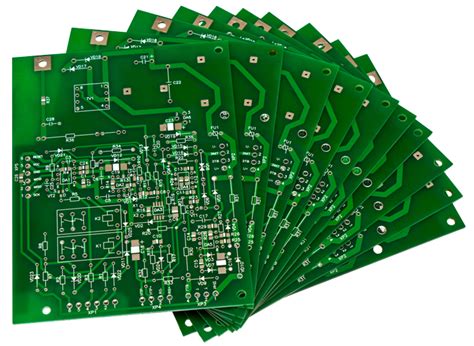
Affordable PCB Assembly Solutions Explained
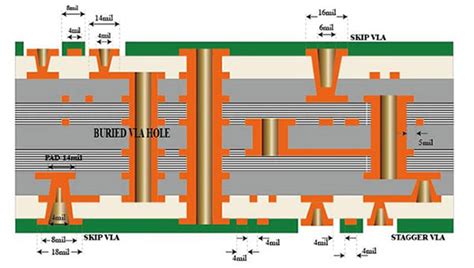
Navigating PCB assembly for budget-conscious projects requires strategic planning to balance affordability with functionality. The foundation of cost-effective PCBA lies in optimizing design choices, streamlining workflows, and leveraging economies of scale. Design simplification plays a critical role: reducing layer counts, minimizing complex via structures, and standardizing component footprints can lower material and labor expenses. For instance, opting for surface-mount technology (SMT) over through-hole components often reduces manual assembly time, directly impacting production costs.
Another key factor is component sourcing. Partnering with suppliers offering volume discounts or utilizing reels of standardized parts—rather than loose components—can significantly cut procurement expenses. Many low-cost PCB assembly services integrate automated procurement systems to identify cost-efficient alternatives without compromising specifications. However, designers must verify component availability early in the process to avoid last-minute substitutions that delay timelines.
Efficient production techniques further enhance affordability. Panelizing multiple boards into a single array optimizes material usage and reduces handling time during PCBA. Automated optical inspection (AOI) and in-circuit testing (ICT) ensure quality while maintaining speed, preventing costly rework. Additionally, selecting the right solder mask and finish (e.g., HASL over ENIG) can lower fabrication costs for prototypes or high-volume runs.
While cost reduction is paramount, quality assurance remains non-negotiable. Reputable providers combine lean manufacturing principles with rigorous testing protocols to deliver reliable boards. By aligning design intent with manufacturing capabilities, projects achieve PCB assembly solutions that meet both budgetary constraints and performance expectations.
How to Reduce Costs in PCB Manufacturing
Achieving cost efficiency in PCB assembly requires strategic planning across design, material selection, and production workflows. Start by optimizing your board design for manufacturability (DFM). Simplifying layouts, minimizing layer counts, and standardizing component sizes can significantly lower material waste and labor hours. For instance, reducing the number of unique components by 15–20% can streamline PCBA processes and cut sourcing expenses.
Another critical factor is selecting cost-effective materials without sacrificing performance. While high-frequency substrates or specialized finishes may be tempting, standard FR-4 boards and HASL coatings often meet requirements for budget-friendly projects. Partnering with suppliers who offer bulk pricing on common components like resistors or capacitors further reduces per-unit costs.
Leveraging automated PCB assembly techniques, such as surface-mount technology (SMT), enhances precision while minimizing manual labor. Automated optical inspection (AOI) systems also reduce post-production defects, avoiding costly rework. For prototypes or small batches, consider panelizing designs to maximize panel space utilization—a method that can lower production costs by up to 30%.
Finally, prioritize suppliers with transparent pricing models and scalable capacities. Many PCBA providers offer tiered pricing for higher volumes, making it easier to align expenses with project timelines. By balancing design simplicity, material pragmatism, and automated workflows, manufacturers can deliver reliable circuit boards tailored to tight budgets.
Component Sourcing for Affordable PCB Assembly
Strategic component sourcing plays a pivotal role in achieving cost-effective PCB assembly without sacrificing reliability. For budget-conscious projects, selecting the right suppliers and optimizing procurement processes can reduce expenses by up to 30%. Start by partnering with certified distributors that offer bulk pricing or consignment programs, which minimize upfront inventory costs. Platforms like JLCPCB or LCSC provide access to competitively priced components, including resistors, capacitors, and integrated circuits, tailored for low-cost PCBA workflows.
Leveraging generic or alternate parts instead of proprietary components often yields significant savings. For instance, substituting a specialized microcontroller with a pin-compatible alternative can lower material costs while maintaining functionality. However, always verify compatibility using design-for-manufacturing (DFM) guidelines to avoid redesign delays. Additionally, consider last-time-buy (LTB) opportunities or excess stock inventories, where suppliers discount obsolete or overstocked parts—ideal for prototypes or small-batch projects.
Consolidating orders and standardizing component footprints across multiple designs further streamlines sourcing. By reducing the variety of parts required, you minimize procurement complexity and qualify for volume pricing discounts. For critical components, dual-sourcing strategies—securing identical parts from multiple suppliers—mitigate supply chain risks without inflating costs.
Automated tools like Octopart or SiliconExpert simplify price comparisons and lifecycle management, ensuring transparency in PCB assembly budgeting. Finally, prioritize suppliers with robust quality certifications (e.g., ISO 9001) to avoid costly rework. Balancing cost and reliability in sourcing not only supports affordable PCBA but also aligns with efficient production timelines, keeping projects on track and within financial constraints.

Cost vs Quality in Budget PCB Services
Balancing cost and quality in low-cost PCB assembly requires a strategic approach that prioritizes value over mere price reduction. While budget constraints often drive decisions, overlooking critical quality factors can lead to costly revisions or product failures. Reputable PCBA providers achieve this balance by optimizing processes like component sourcing, design validation, and testing protocols—without inflating expenses.
A common misconception is that affordable PCB services inherently compromise on reliability. In reality, modern manufacturers leverage economies of scale, automated assembly lines, and bulk purchasing for components to lower PCB assembly costs. For instance, partnering with suppliers offering verified off-the-shelf parts reduces material expenses while maintaining performance standards. However, designers must avoid over-optimizing layouts for cost savings alone; excessively thin traces or inadequate clearances may save pennies per board but risk signal integrity issues.
Quality assurance remains non-negotiable even in budget projects. Leading PCBA firms implement statistical process control (SPC) during solder paste application and reflow profiling to minimize defects. While full-scale testing might strain tight budgets, selective automated optical inspection (AOI) or functional testing of mission-critical circuits provides a cost-effective safety net.
Material selection also plays a pivotal role. Opting for FR-4 substrates with mid-Tg ratings instead of premium high-frequency laminates can reduce costs by 30–40% for standard applications. Similarly, specifying commercial-grade instead of industrial-temperature components—when environmental conditions permit—lowers PCB assembly expenses without sacrificing durability.
Ultimately, achieving cost-quality equilibrium demands transparency with suppliers. Detailed design-for-manufacturing (DFM) feedback loops help identify unnecessary specifications that inflate prices. By aligning expectations early and leveraging scalable PCBA solutions, teams can maintain rigorous quality benchmarks while staying within financial constraints—proving that budget-friendly doesn’t have to mean compromised.
Efficient Production Techniques for Budget PCB Projects
Streamlining production workflows is critical for achieving cost efficiency in PCB assembly without sacrificing performance. One effective strategy involves adopting design for manufacturability (DFM) principles early in the prototyping phase. By optimizing layouts for automated assembly—such as minimizing complex trace geometries or avoiding oversized components—teams can reduce material waste and accelerate PCBA turnaround times. For instance, standardizing component footprints across designs allows manufacturers to leverage bulk pricing on common parts, directly lowering per-unit costs.
Another key approach is implementing panelization—grouping multiple PCB designs into a single panel—to maximize machine utilization during fabrication. This technique not only reduces handling fees but also cuts material costs by up to 20% for high-volume orders. When paired with surface-mount technology (SMT), which enables faster placement of miniaturized components, projects benefit from both speed and scalability. However, designers must balance component density with thermal management requirements to prevent rework expenses later.
Material selection plays a pivotal role in budget-friendly PCB assembly. Opting for FR-4 substrates with standard thickness (1.6mm) instead of specialty materials can yield significant savings, provided the application doesn’t demand high-frequency performance. Similarly, choosing lead-free HASL finishes over gold plating for non-critical connections maintains functionality while keeping costs predictable.
To further enhance efficiency, many PCBA providers now offer just-in-time inventory management, synchronizing component procurement with production schedules to minimize storage overhead. This is particularly advantageous for projects using volatile-priced ICs or connectors. Automated optical inspection (AOI) and selective functional testing—rather than full-board validation—also help maintain quality benchmarks without inflating labor costs.
By integrating these strategies, teams can achieve per-unit cost reductions of 15–30% compared to traditional assembly methods. The key lies in collaborating closely with PCB assembly partners to align design choices with their equipment capabilities and material inventories, ensuring both affordability and reliability.
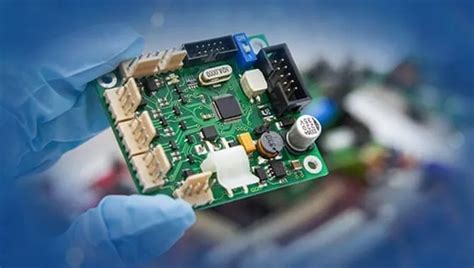
PCB Assembly Tips for Tight Budgets
When working with limited funds, optimizing your PCB assembly process requires a strategic balance between cost efficiency and functional reliability. Start by prioritizing design simplicity – reducing layer counts, minimizing complex routing, and avoiding oversized board dimensions can significantly lower PCBA expenses. Many manufacturers offer tiered pricing, so consolidating multiple projects into a single production batch often unlocks volume discounts without sacrificing turnaround times.
Standardization plays a pivotal role in budget management. Opt for commonly available surface-mount components rather than custom or through-hole parts, as their widespread use drives down procurement costs. Leverage automated assembly workflows by adhering to your fabricator’s PCB assembly design guidelines, which reduces manual intervention and associated labor fees.
For prototype stages, consider partial panelization or sharing manufacturing panels with other designers to split material costs. However, ensure your design includes adequate clearance margins to prevent functionality issues during depanelization. When sourcing components, collaborate with suppliers offering consignment programs or validated alternate part recommendations to avoid last-minute price surges for out-of-stock items.
Quality assurance shouldn’t be compromised – instead, focus it strategically. Request electrical testing only for mission-critical circuits rather than full-board coverage, and analyze failure rate data to determine where visual inspections can substitute automated optical inspections (AOI). Finally, maintain open communication with your PCBA provider about budgetary constraints; experienced partners often propose creative solutions like staggered payments or surplus material reuse programs tailored to cost-sensitive projects.
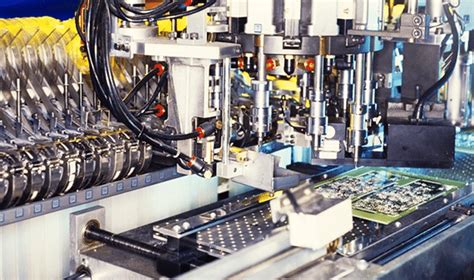
Ensuring Quality in Low-Cost PCB Services
Achieving cost efficiency in PCB assembly doesn’t necessitate sacrificing reliability. The key lies in implementing rigorous quality control measures that align with budget constraints. Reputable PCBA providers optimize their workflows by leveraging automated assembly lines and standardized testing protocols, which minimize human error while maintaining competitive pricing. For instance, surface-mount technology (SMT) processes enable high-speed placement of components, reducing labor costs without compromising precision.
Material selection plays a pivotal role in balancing affordability and performance. Established suppliers often partner with certified vendors to source cost-effective yet reliable components, such as resistors and ICs, avoiding counterfeit parts that could jeopardize functionality. Additionally, design-for-manufacturing (DFM) reviews help identify potential issues early, preventing costly rework during later stages.
Quality assurance in low-cost PCB assembly typically includes automated optical inspection (AOI) and X-ray testing to detect soldering defects or misalignments. Some providers also offer in-circuit testing (ICT) for prototypes, ensuring electrical performance matches design specifications. While these steps add marginal costs, they significantly reduce long-term risks like field failures or recalls.
Transparent communication with your PCBA partner is critical. Clarify expectations regarding turnaround times, testing scope, and material certifications upfront. Many budget-friendly services provide tiered pricing models, allowing clients to prioritize essential quality checks based on project requirements. By aligning cost-saving strategies with proven quality frameworks, even resource-constrained projects can achieve dependable outcomes.
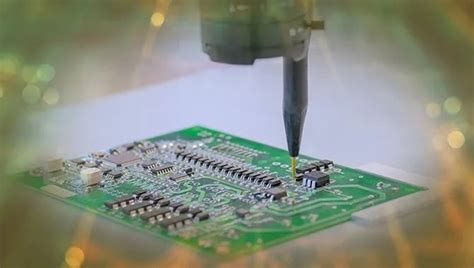
Best Practices for Budget-Friendly PCB Projects
Implementing cost-effective strategies in PCB assembly requires a balance between technical precision and financial pragmatism. Begin with design optimization—simplifying board layouts to minimize layer counts and reduce unnecessary via placements can significantly lower PCBA costs. Adhering to standard panel sizes and avoiding irregular board shapes helps manufacturers utilize materials more efficiently, preventing waste-related surcharges.
Another critical aspect is component selection. Opt for widely available, commercial-grade parts instead of specialized or obsolete components, which often carry premium pricing. Leveraging PCB assembly partners with established supplier networks can streamline procurement and secure bulk pricing advantages. For projects with flexible timelines, consider just-in-time inventory management to avoid holding costs for unused parts.
When prototyping, prioritize small-batch production to validate designs before committing to larger orders. Many PCBA providers offer scaled pricing models, allowing gradual scaling while maintaining budget control. Additionally, standardized testing protocols like automated optical inspection (AOI) and functional testing should be integrated early to catch defects before they escalate into costly rework.
Collaboration with manufacturers is key. Share detailed design files and specifications upfront to avoid miscommunication-driven delays. Discuss alternative materials or processes—for example, using lead-free HASL finishes instead of ENIG for non-critical applications—to align with cost goals without sacrificing reliability.
Finally, adopt modular design principles where feasible. Reusing proven circuit blocks across multiple projects reduces development time and leverages economies of scale in subsequent PCB assembly runs. By combining these practices, developers can maintain tight budgets while ensuring their electronics projects meet both functional and financial objectives.
Conclusion
Navigating the landscape of low-cost PCB assembly requires a balanced approach that prioritizes both affordability and functionality. While budget-friendly projects often face constraints, leveraging modern PCBA strategies—such as design optimization and standardized component selection—can significantly reduce expenses without sacrificing performance. A critical factor in achieving cost efficiency lies in partnering with manufacturers that offer transparent pricing models and scalable PCB assembly workflows, ensuring alignment with project timelines and financial boundaries.
It’s essential to recognize that cost reduction in PCBA isn’t solely about minimizing upfront expenses. Long-term reliability hinges on selecting suppliers with robust quality control protocols, even when working with tighter budgets. Techniques like panelization for batch production or opting for surface-mount technology (SMT) can streamline assembly processes, further driving down costs. Additionally, proactive communication with your PCB assembly provider about material alternatives or lead time flexibility often uncovers hidden savings opportunities.
Ultimately, the success of budget-friendly PCB projects depends on a strategic blend of intelligent design choices, supplier collaboration, and process automation. By focusing on value-driven decisions rather than mere cost-cutting, teams can deliver high-quality electronics that meet both technical requirements and financial goals. As the industry evolves, embracing innovative PCBA solutions will remain key to maintaining competitiveness in an increasingly cost-sensitive market.
FAQs
What factors most significantly impact the cost of PCB assembly services?
Material selection, component availability, and order volume are primary cost drivers. Opting for standard substrates and surface-mount technology (SMT) instead of custom materials or through-hole components can lower expenses. Bulk orders often qualify for volume discounts in PCBA projects.
How can I ensure quality while using low-cost PCB assembly providers?
Verify certifications like ISO 9001 and request test reports such as Automated Optical Inspection (AOI) data. Reputable PCBA suppliers typically offer transparent quality control processes, even for budget services. Prioritize vendors providing design feedback to prevent costly revisions.
Are there hidden costs in affordable PCB assembly solutions?
Some providers may charge extra for expedited shipping, specialized soldering, or rare component procurement. Always confirm if quotes include Design for Manufacturability (DFM) analysis and functional testing. Clarify return policies for defective batches to avoid unexpected expenses.
What design strategies reduce PCB assembly costs without performance trade-offs?
Simplify layouts using fewer layers, standardize component footprints, and avoid oversized boards. Implementing panelization for small designs maximizes production efficiency. Many PCBA engineers recommend using modular designs to simplify future iterations.
How does component sourcing affect affordability in PCB assembly?
Consolidating orders for common ICs and passives through your assembler’s supply chain often yields better pricing. For prototypes, consider reel-sharing programs or lightly used components. However, avoid obsolete parts that might inflate long-term costs.
Ready to Launch Your Cost-Optimized Project?
For tailored PCB assembly solutions balancing affordability and reliability, please click here to explore competitive pricing and technical support options. Our PCBA experts streamline workflows for projects of all scales.