Low-Cost PCB Prototyping for Small Batch Projects
Key Takeaways
When exploring low-cost PCB fabrication for small batches (1-5 units), balancing pcb manufacturing cost with quality is critical. Start by evaluating design choices: simpler layouts, fewer layers, and standard materials reduce expenses. Partnering with pcb manufacturing companies specializing in prototypes ensures access to streamlined processes, such as panel-sharing or discounted tooling fees, which lower per-unit costs. For assembly, consider services offering partial or turnkey solutions tailored to ultra-low volumes—this avoids overpaying for unused components or labor.
Tip: Use free design rule checks (DRC) from your chosen manufacturer to avoid costly revisions.
Comparing pcb manufacturing services requires weighing turnaround time against budget. While faster shipping may seem appealing, opting for standard lead times often cuts costs by 20-30%. Additionally, some pcb manufacturing businesses offer bulk-order discounts even for small batches by grouping multiple projects. To minimize expenses further, standardize component sizes and avoid exotic materials unless absolutely necessary. Emerging solutions like modular PCB designs or open-source assembly platforms also help reduce iteration costs.
Case studies show that projects prioritizing pcb fabrication cost optimization during prototyping—such as reusing test panels or leveraging manufacturer design support—achieve functional prototypes at 40-50% lower costs. Always request detailed quotes to identify hidden fees and confirm whether solder mask colors or finish options impact pricing. By aligning your priorities with the right pcb manufacturing partner, you can accelerate development without compromising on quality.
Understanding Low-Cost PCB Prototyping for Small Batches
When developing hardware projects, managing PCB manufacturing cost while ensuring quality is critical during the prototyping phase. For small batches (1–5 units), PCB manufacturing companies often optimize processes to reduce overhead, making it feasible to produce functional boards without exceeding budgets. The key lies in balancing design simplicity, material selection, and leveraging economies of scale—even at ultra-low volumes.
Most PCB manufacturing businesses prioritize streamlined workflows for prototype orders, such as using standardized panel sizes or offering shared production runs. This approach minimizes waste and distributes setup costs across multiple clients. For example, opting for FR-4 substrates instead of specialty materials can lower expenses significantly. Similarly, reducing layer counts (e.g., sticking to 1–2 layers) and avoiding complex via structures further cuts PCB manufacturing expenses.
| Cost Factor | Impact on Small Batches | Cost-Saving Tips |
|---|---|---|
| Board Size | Larger boards increase material use | Optimize layout to fit standard panel sizes |
| Layer Count | Each added layer raises costs | Use single/double-layer designs where possible |
| Material Type | Specialty materials inflate pricing | Choose standard FR-4 unless necessary |
| Turnaround Time | Expedited services add premiums | Plan ahead to use standard lead times |
Another consideration is design for manufacturability (DFM). By adhering to PCB manufacturing guidelines—such as avoiding overly tight trace spacing or non-standard hole sizes—you reduce the risk of rework fees. Many PCB manufacturing companies provide automated DFM checks to flag potential issues early.
For hobbyists and startups, partnering with manufacturers offering bundled prototyping services (e.g., combined fabrication and assembly) can simplify logistics. Some providers even offer discounts for first-time users or bulk orders of blank boards. Always compare quotes, but prioritize reliability—saving a few dollars upfront might cost more in delays if quality falters.
Ultimately, understanding the interplay between design choices and PCB manufacturing cost helps you make informed decisions. By aligning your requirements with the capabilities of PCB manufacturing businesses, you can achieve functional prototypes without compromising your budget.
Key Considerations for Budget-Friendly PCB Fabrication
When pursuing low-cost PCB fabrication for small batches, balancing quality and affordability requires strategic planning. Start by evaluating your design’s complexity—simpler layouts with fewer layers and standard materials often reduce PCB manufacturing cost. For example, opting for FR-4 substrates instead of specialized materials can save expenses without compromising functionality for most prototype applications. Prioritize design-for-manufacturability (DFM) principles to avoid rework, such as ensuring adequate trace spacing and avoiding unnecessarily small via sizes.
Choosing the right PCB manufacturing companies is critical. Many suppliers offer tiered pricing for ultra-low-volume orders (1–5 units), but hidden fees for tooling or setup can inflate costs. Look for providers that explicitly advertise prototype-scale services, as they’re more likely to streamline processes for small batches. For instance, platforms like Andwin PCB specialize in cost-effective solutions tailored to hobbyists and startups, minimizing upfront investments.
Material selection also plays a role. While advanced substrates like Rogers or polyimide may suit high-frequency applications, standard materials are sufficient for most early-stage projects. Additionally, panelizing multiple designs onto a single board can further reduce PCB manufacturing business expenses by maximizing material usage. However, confirm with your supplier whether they support this approach, as some charge extra for depaneling.
Another factor is lead time. Faster turnaround times often come at a premium, so weigh urgency against budget constraints. If timelines allow, opting for standard shipping and production schedules can lower costs significantly. Finally, consider integrated services—some PCB manufacturing providers bundle assembly with fabrication, saving time and reducing logistical overhead. By aligning these variables, you can achieve reliable prototypes without overspending, ensuring your project stays on track financially.
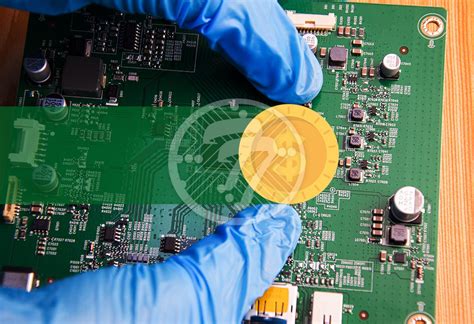
Top PCB Fabrication Services for 1-5 Unit Orders
When sourcing PCB manufacturing services for small batches, balancing quality and PCB manufacturing cost is critical. Several PCB manufacturing companies specialize in low-volume orders, offering tailored solutions for prototyping or early-stage projects. Look for providers that prioritize streamlined processes—such as automated quoting, instant design checks, and modular pricing—to reduce overhead while maintaining precision. For example, some services optimize PCB manufacturing business models by leveraging shared panelization, allowing you to split costs with other customers without compromising turnaround times.
To minimize expenses, consider services that offer standard material options (like FR-4), basic finishes, and limited-layer designs (2-4 layers). Many providers now include free design validation tools to help you avoid costly revisions. For PCB manufacturing cost efficiency, verify whether the company bundles prototyping with budget-friendly assembly—such as partial or single-sided soldering—to further reduce per-unit pricing. Platforms that focus on ultra-low-volume production often skip setup fees for orders under five units, making them ideal for testing iterations.
When comparing options, prioritize transparency in pricing tiers and lead times. Some PCB manufacturing companies offer tiered discounts for repeat orders, while others emphasize rapid prototyping (3-5 days) at a slight premium. Always cross-check certifications (e.g., ISO, UL) to ensure reliability, even at lower volumes. By aligning your design requirements with these specialized services, you can achieve cost-effective prototyping without sacrificing the scalability needed for future production.
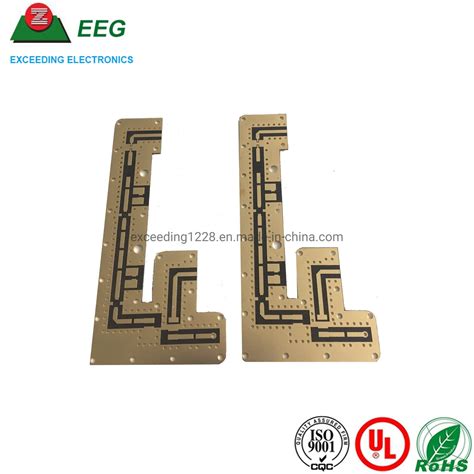
Streamlining Assembly Costs for Prototype-Scale Projects
When working with small-batch prototypes, managing PCB manufacturing cost effectively requires balancing technical requirements with budget constraints. For orders of 1-5 units, assembly expenses often outweigh material costs, making it critical to partner with PCB manufacturing companies that specialize in low-volume optimization. Many providers now offer streamlined processes, such as panelization (grouping multiple designs on a single board) or partial assembly services, to reduce waste and labor time. By standardizing component choices—opting for surface-mount devices (SMDs) over through-hole parts, for example—you can further minimize manual labor fees.
Another strategy involves leveraging PCB manufacturing services that provide design-for-manufacturability (DFM) feedback upfront. These reviews identify potential issues like unnecessary vias or tight tolerances that could inflate costs during production. Some businesses also use modular tooling or shared setups to lower setup fees typically associated with prototype-scale orders. For instance, opting for standard FR-4 substrates instead of specialized materials can reduce material expenses without compromising functionality.
The PCB manufacturing business has evolved to accommodate startups and hobbyists, with many providers offering tiered pricing based on order size. Look for services that bundle fabrication and assembly into a single workflow, eliminating logistical delays and middleman markups. Additionally, quick-turn assembly options—often priced at a premium—can still be cost-effective for tiny batches if they prevent project delays.
To maximize savings, prioritize transparency with your manufacturer. Clearly communicate your tolerance requirements, testing needs, and delivery timelines to avoid unexpected charges. While PCB manufacturing cost is a key factor, ensure your chosen partner maintains quality standards through certifications like ISO 9001 or IPC-A-610 compliance. By aligning your design choices with scalable processes, you can achieve reliable prototypes without exceeding your budget.
Comparing Turnaround Time vs. Cost in Prototype PCB Services
When balancing turnaround time and pcb manufacturing cost for small batches, you’ll often face a trade-off. Faster delivery typically comes at a premium, especially with pcb manufacturing companies prioritizing expedited orders. For prototyping (1–5 units), standard lead times might range from 3–7 days, while rush services can shrink this to 24–48 hours—but at a 30–50% markup. To minimize expenses, evaluate whether your project timeline truly demands accelerated production or if standard options suffice.
PCB manufacturing business models often scale pricing based on complexity, layer count, and material choices. For instance, opting for FR-4 substrates over specialized materials or reducing layers from 4 to 2 can lower costs without compromising functionality. Many providers also offer panelization discounts—grouping multiple designs onto a single board—to spread fabrication expenses across projects. However, this approach may extend lead times slightly, depending on the provider’s workflow.
When comparing services, prioritize pcb manufacturing partners that specialize in ultra-low-volume orders. These companies often streamline processes for small batches, avoiding setup fees or offering flat-rate pricing for prototypes. Tools like instant online quoting engines let you experiment with design adjustments (e.g., reducing trace widths or minimizing via counts) to see real-time cost impacts.
Remember, assembly costs can influence your total budget too. Some providers bundle fabrication and assembly, saving time but potentially increasing expenses. If your budget is tight, consider sourcing components separately or using partial assembly services. By aligning your priorities—speed versus cost—you’ll find a balance that keeps your project moving without overspending.
Tips to Minimize Expenses in Small-Batch PCB Production
When working with PCB manufacturing for prototype-scale projects, every dollar counts. Start by optimizing your design to reduce pcb manufacturing cost—simplify layer counts, avoid tight tolerances unless necessary, and use standard board sizes to eliminate material waste. Many pcb manufacturing companies offer discounts for designs that fit their standard panelization layouts, so aligning your layout with their requirements can lower expenses. Consider using FR-4 substrates instead of specialty materials unless your project demands high-frequency or thermal performance. For assembly, opt for surface-mount technology (SMT) over through-hole components where possible, as SMT reduces labor time and is often cheaper for small batches.
Collaborate closely with your chosen pcb manufacturing business to identify cost-saving opportunities. Some providers offer shared panel services, allowing you to split costs with other customers by combining multiple designs on a single board. Bulk-ordering common components, even for 1-5 units, can reduce per-unit pricing—ask if your manufacturer stocks parts you need to avoid markup fees. Avoid over-specifying finishes: HASL (Hot Air Solder Leveling) is far more budget-friendly than ENIG (Electroless Nickel Immersion Gold) for prototypes. Finally, prioritize suppliers with transparent pricing models and scalable services, as hidden fees can quickly inflate budgets. By balancing design efficiency, material choices, and supplier partnerships, you can achieve functional prototypes without compromising quality.
Emerging Solutions for Ultra-Low-Volume PCB Assembly
For projects requiring ultra-low-volume PCB assembly (1–5 units), balancing pcb manufacturing cost with quality demands innovative approaches. Traditional pcb manufacturing companies often impose high setup fees or minimum order quantities, but emerging providers now prioritize streamlined workflows tailored for prototypes. Modular pcb manufacturing systems, for example, allow shared panelization—grouping multiple designs onto a single board—to reduce material waste and distribute expenses across clients. This method slashes per-unit costs while maintaining precision, making it ideal for testing iterations or proof-of-concept builds.
Automation is another game-changer. Advanced pick-and-place machines and reflow ovens optimized for small batches minimize manual labor, which typically drives up pcb manufacturing business overhead. Some services even integrate AI-driven design verification to preempt errors, ensuring your prototype doesn’t stall at the testing phase. Additionally, online platforms from specialized pcb manufacturing providers offer instant quoting tools, letting you compare lead times and pricing tiers upfront. By opting for standardized materials and avoiding custom specifications (like exotic substrates), you can further trim expenses without compromising functionality.
Collaborative partnerships are also rising. Certain pcb manufacturing companies now partner with startups or hobbyists, offering tiered pricing models that scale with project complexity. For instance, bundling fabrication and assembly into a single service reduces logistical friction, while just-in-time inventory practices prevent overstocking components. When evaluating options, prioritize transparency in pcb manufacturing cost breakdowns—hidden fees for solder masks or silkscreening can quickly inflate budgets. By leveraging these emerging strategies, you can achieve cost-effective, rapid-turnaround prototypes that align with tight financial constraints.
Case Studies: Successful Prototyping on a Tight Budget
When working with limited budgets, selecting the right PCB manufacturing partner is critical. Consider the example of a hobbyist developing a smart home sensor. By opting for low-cost PCB fabrication services from specialized PCB manufacturing companies, they reduced their PCB manufacturing cost by 40% compared to traditional suppliers. These providers streamlined their process by offering standardized material options and eliminating non-essential features like complex layer stacking—key strategies for minimizing expenses in small-batch PCB production.
Another case involves a startup prototyping a wearable device. They prioritized PCB manufacturing business models that catered to ultra-low-volume orders (1–5 units). By leveraging panel-sharing programs—where multiple designs are combined on a single board—they cut assembly costs by 30%. Additionally, choosing solder mask colors with higher availability and avoiding expedited shipping kept their PCB manufacturing cost under $100 per prototype.
Both examples highlight the importance of collaborating with suppliers early in the design phase. For instance, simplifying trace widths or using surface-mount components can reduce fabrication complexity. Many PCB manufacturing companies now offer online quoting tools to estimate costs in real time, enabling you to iterate designs without overspending. By balancing quality and affordability, even tight budgets can support functional prototypes that accelerate project timelines.
Conclusion
Affordable PCB manufacturing for prototyping small batches (1–5 units) is achievable when you align your design priorities with cost-effective practices. By selecting PCB manufacturing companies that specialize in low-volume orders, you can reduce PCB manufacturing cost while maintaining quality. Focus on simplifying board layouts, using standard materials, and avoiding overly complex features to keep expenses manageable. Many providers now offer tiered pricing models tailored to the PCB manufacturing business of prototypes, ensuring you pay only for what you need. To further streamline costs, consider services that bundle fabrication and assembly, as this minimizes handling fees and accelerates timelines. Automated quoting tools and pre-verified component libraries are increasingly common among modern manufacturers, helping you avoid delays and unexpected charges. Whether you’re testing a concept or iterating a design, balancing PCB manufacturing cost with functional requirements ensures your project stays within budget. Remember, even ultra-low-volume orders can benefit from economies of scale through shared panel services or modular design approaches. By leveraging these strategies, you’ll find that prototyping small batches doesn’t have to strain your resources—it can be both efficient and economical.
FAQs
What factors most influence pcb manufacturing cost for small batches?
Material selection, board complexity, and layer count primarily drive expenses. PCB manufacturing companies often offer tiered pricing for 1-5 unit orders, with discounts for standardized designs and panel-sharing options.
How do I choose the right pcb manufacturing business for prototyping?
Look for providers specializing in low-volume PCB manufacturing, transparent pricing, and fast turnaround times. Review customer feedback and confirm they support your design file format (e.g., Gerber) to avoid delays.
Can I reduce pcb manufacturing costs without sacrificing quality?
Yes. Simplify designs, use standard materials like FR-4, and avoid unnecessary features like ultra-fine traces. Many PCB manufacturing companies offer design rule checks (DRC) to identify cost-saving opportunities early.
Why do some pcb manufacturing services have minimum order quantities (MOQs)?
MOQs offset setup costs for production lines. However, dedicated prototype-focused PCB manufacturing businesses often waive MOQs for batches under 10 units, prioritizing speed over volume.
How does assembly cost factor into small-batch pcb manufacturing?
Assembly expenses depend on component sourcing and placement complexity. Some providers bundle fabrication and assembly, while others partner with third-party vendors. Always clarify whether quotes include soldering, testing, or shipping.
Are there hidden fees in low-cost PCB manufacturing services?
Reputable PCB manufacturing companies provide itemized quotes, but verify charges for design revisions, expedited shipping, or specialty finishes like ENIG (Electroless Nickel Immersion Gold).
Explore Affordable PCB Manufacturing Solutions Today
For tailored prototyping services that balance pcb manufacturing cost and quality, please click here to explore options designed for small-batch innovation.