Low-Cost PCB Solutions: Affordable Options for Electronics Prototyping and Production
Introduction
Printed Circuit Boards (PCBs) are essential components in nearly all modern electronic devices. Whether for prototyping or mass production, engineers and hobbyists alike need reliable, cost-effective PCB solutions. However, traditional PCB manufacturing can be expensive, especially for small batches or complex designs. Fortunately, several low-cost PCB solutions have emerged, making electronics development more accessible.
This article explores various affordable PCB manufacturing options, including:
- Cheap PCB fabrication services
- DIY PCB etching techniques
- Open-source PCB design tools
- Alternative materials and methods
By understanding these options, makers, startups, and businesses can reduce costs without sacrificing quality.
1. Low-Cost PCB Fabrication Services
Many professional PCB manufacturers now offer budget-friendly services, especially for prototype quantities. Some of the most affordable options include:
A. Chinese PCB Manufacturers
Companies like JLCPCB, PCBWay, and AllPCB provide extremely low-cost PCB fabrication with quick turnaround times. Their pricing models are optimized for small batches (e.g., 5-10 boards), often starting at $2 for 5 PCBs (2-layer, 100x100mm).
Advantages:
✅ High-quality, professional-grade PCBs
✅ Fast shipping (DHL/FedEx options available)
✅ Support for advanced features like ENIG finish, impedance control
Disadvantages:
⚠️ Longer lead times for international shipping
⚠️ Minimum order quantities may apply
B. Western-Based Budget Services
For those who prefer local suppliers, companies like OSH Park (USA) and Eurocircuits (Europe) offer competitive pricing with faster regional shipping.
Example Pricing:
- OSH Park: ~$5 per square inch (for 3 boards)
- Eurocircuits: ~€50 for a small prototype batch
Best for:
- Quick-turn prototypes
- Avoiding import delays
C. Ultra-Low-Cost Options for Students/Hobbyists
Some manufacturers provide educational discounts or sponsored programs for students:
- PCBWay’s Student Program
- JLCPCB’s monthly coupons
2. DIY PCB Etching (For Extreme Budgets)
If professional fabrication is too expensive, DIY PCB etching is a viable alternative for simple designs.
A. Toner Transfer Method
Materials Needed:
- Laser printer
- Glossy paper
- Ferric chloride (etchant)
- Copper-clad board
Steps:
- Print the PCB layout on glossy paper using a laser printer.
- Transfer the toner onto the copper board using heat (iron).
- Etch away excess copper with ferric chloride.
- Drill holes and clean the board.
Cost: ~$10 for materials (can make multiple boards)
B. UV Exposure Method
This method uses a photosensitive PCB and UV light:
- Print the design on a transparent film.
- Expose the PCB to UV light.
- Develop and etch the board.
Pros:
✔ Higher precision than toner transfer
✔ Suitable for fine-pitch components
Cons:
❌ Requires UV exposure equipment
C. CNC Milling (For No-Etch PCBs)
A desktop CNC machine (e.g., Bantam Tools, Stepcraft) can mill away unwanted copper, eliminating the need for chemicals.
Best for:
- Quick one-off prototypes
- Avoiding chemical disposal issues
3. Free & Open-Source PCB Design Tools
Reducing PCB costs isn’t just about fabrication—design software can also be expensive. Thankfully, free alternatives exist:
A. KiCad
- Pros:
✔ Fully open-source (no licensing fees)
✔ Supports schematics, PCB layout, and 3D preview
✔ Exports Gerber files for manufacturing - Cons:
❌ Steeper learning curve than some paid tools
B. EasyEDA
- Pros:
✔ Web-based (no installation needed)
✔ Integrated with JLCPCB for instant quoting
✔ Large component library - Cons:
❌ Requires internet access
C. Fritzing (For Beginners)
- Pros:
✔ Simple drag-and-drop interface
✔ Great for breadboard-to-PCB conversion - Cons:
❌ Limited advanced features
4. Alternative PCB Materials & Method
A. Perfboard & Stripboard
- Cost: <$1 per board
- Best for: Simple circuits, quick prototyping
B. Paper PCBs (Conductive Ink)
- How it works: Print circuits using conductive ink on paper or flexible substrates.
- Use cases: Disposable electronics, educational projects
C. Modular PCB Systems (e.g., SnapEDA, Breadboard-Style PCBs)
- Example: Vero boards with pre-drilled holes
- Advantage: No custom fabrication needed
5. Cost-Saving Tips for PCB Production
To further reduce expenses, consider:
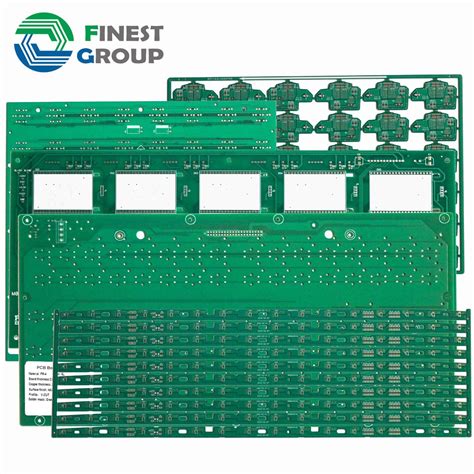
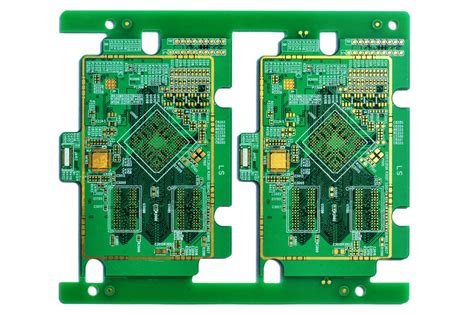
✅ Panelization: Combine multiple designs into a single board to save on fabrication costs.
✅ Choosing the Right Layer Count: 2-layer PCBs are much cheaper than 4+ layers.
✅ Optimizing Board Size: Smaller PCBs cost less (price often scales with dimensions).
✅ Avoiding Unnecessary Finishes: HASL is cheaper than ENIG or gold plating.
Conclusion
Low-cost PCB solutions have democratized electronics development, enabling hobbyists, startups, and engineers to prototype affordably. Whether using budget fabrication services, DIY etching, or free design tools, there are options for every budget and skill level.
By leveraging these strategies, innovators can bring their electronic projects to life without breaking the bank.
Final Recommendation:
- For quick, professional PCBs: Use JLCPCB or PCBWay.
- For ultra-low-budget experiments: Try toner transfer etching.
- For easy design: Start with KiCad or EasyEDA.
With these solutions, anyone can turn their circuit ideas into reality at minimal cost!