Mastering 4PCB Assembly: A Complete Guide to Success
Key Takeaways
In the realm of 4PCB assembly, mastering the core principles is essential for anyone involved in PCBA processes. A deep understanding of the basic structures and functionalities allows for a more effective approach to pcb assembly. Prior to commencing an assembly project, it is vital to assess design specifications, ensuring compatibility with materials and methods that will be employed. Utilizing the right tools and machines can greatly enhance efficiency and precision throughout the PCBA stages. Challenges such as misalignment and component issues can frequently arise; however, they can be mitigated with proper planning and testing. Establishing stringent quality control measures will significantly influence the performance and reliability of the final product. Familiarity with troubleshooting techniques empowers professionals to address common issues swiftly, maintaining workflow continuity. Additionally, staying abreast of future trends in 4PCB technology can provide insights that lead to more effective assembly solutions. Thus, through a comprehensive grasp of these key aspects, individuals can navigate the complexities of 4PCB assembly, enabling successful outcomes in their projects.
Introduction to 4PCB Assembly: Understanding the Basics
The world of 4PCB Assembly is both intricate and fascinating, playing a crucial role in the production of electronic devices. Knowing the fundamentals of pcb assembly is essential for anyone looking to navigate this complex landscape successfully. At its core, 4PCB refers to a specific type of printed circuit board assembly that incorporates advanced design methodologies and manufacturing techniques to enhance performance and reliability. Understanding how these techniques contribute to the overall functionality of a device ensures better decisions throughout the design and assembly phases.
In this context, one should consider several key elements when engaging in pcba. First, familiarity with layer stacking, material selection, and circuit design greatly influences outcomes. Additionally, the choice of components and their placement are paramount in ensuring that the final product performs as intended.
“Effective planning during the early stages can save time and resources during assembly.”
Furthermore, developing an understanding of common practices helps mitigate risks associated with assembly errors. As you delve deeper into 4PCB Assembly, embracing both theoretical knowledge and practical skills will empower you to tackle challenges effectively.
In summary, laying a solid foundation in the principles underlying pcb assembly will not only enhance your technical proficiencies but also improve your confidence throughout your assembly projects. Each step taken towards learning these basics is a step towards achieving greater success in your endeavors within electronic manufacturing.
Design Considerations for Effective 4PCB Assembly
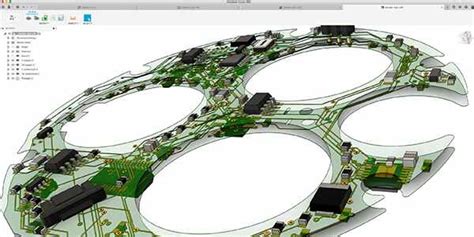
When delving into 4PCB assembly, several vital design considerations emerge that can significantly influence the efficacy of the process. First and foremost, understanding the intricacies of the PCB assembly layout is essential. Designers should prioritize a coherent arrangement that minimizes signal interference and maximizes space efficiency. Selecting appropriate materials plays a crucial role as well; the choice between flexible and rigid PCBs can affect both performance and assembly ease.
In addition, it’s critical to ensure that component specifications align with design requirements. Components should be chosen not only for functionality but also for compatibility with PCBA processes. For example, components with larger lead dimensions may complicate manual soldering while fine-pitch devices can be challenging during automated assembly.
Another important consideration is thermal management; ensuring adequate heat dissipation through proper placement of heat-sensitive components can enhance reliability and lifespan of the assembled PCBs. Furthermore, incorporating design for manufacturability (DFM) principles at this stage helps identify potential problems early on in the pcb assembly process, reducing costs associated with rework.
Lastly, providing clear documentation, including detailed assembly guides and schematics, is crucial for achieving successful outcomes in 4PCB assembly projects. Proper documentation not only helps technicians understand assembly requirements but also serves as a reference point when troubleshooting issues that may arise during or after production. All these factors collectively contribute to achieving both efficiency and excellence in 4PCB assembly practices.
Essential Tools and Equipment for 4PCB Assembly
When embarking on 4PCB assembly, having the right tools and equipment is crucial for achieving successful results. The Printed Circuit Board Assembly (PCBA) process requires a combination of precision instruments and properly calibrated machinery to ensure quality. One essential tool is the soldering iron, which is necessary for connecting components securely to the circuit board. Consider investing in a well-rated soldering station that allows for temperature control and easy tips replacement, which can significantly enhance soldering efficiency.
In addition to soldering equipment, a decent multimeter is indispensable for verifying connections and conducting electrical tests post-assembly. This tool helps detect possible faults or shorts within the assembly process, allowing you to fix issues before they escalate. A reliable microscope or magnifying glass is also beneficial for inspecting fine details on the PCB, ensuring no errors are present in the solder joints or component placements.
Moreover, maintaining an organized workspace with appropriate storage solutions such as component trays can streamline your workflow. Having access to an ESD (Electrostatic Discharge) mat prevents any potential damage to sensitive components during handling, further ensuring that your PCB assemblies maintain their integrity throughout the construction process.
Lastly, utilizing a pick-and-place machine can greatly enhance productivity by automating component placement on populated boards. This kind of machinery significantly reduces manual labor while increasing placement accuracy—two vital factors in any streamlined pcba operation. By investing time in gathering these essential tools and equipment, you will set a solid foundation for successful 4PCB assembly endeavors while enhancing overall efficiency and quality control.
Step-by-Step Process for Successful 4PCB Assembly
The process of 4PCB assembly can seem daunting at first, but when broken down into manageable steps, it becomes much more approachable. To begin with, ensure that you have all necessary components and tools laid out in an organized manner. PCB assembly typically requires various elements including resistors, capacitors, and integrated circuits. Having these at hand simplifies your workflow.
Next, pay careful attention to the design files. It is essential to verify that the files are accurate and compatible with your assembly methods. This verification minimizes the risk of errors during the actual assembly process.
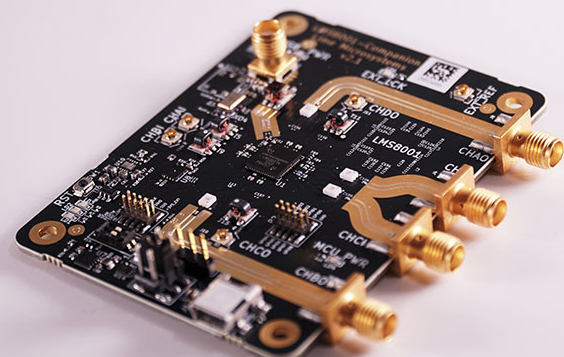
Once ready, begin with the surface mount technology (SMT) process, where components are soldered onto the surface of the PCB. A solder paste should be applied using a stencil for precision before placing components onto the pads. Use an automated pick-and-place machine if available to enhance efficiency.
After component placement, move on to reflow soldering, which ensures that all joints are securely formed. This step may involve sensitive heating profiles tailored to different components to avoid any damage.
Once you complete these main steps, inspect your work meticulously using both visual inspection and automated optical inspection (AOI) methods. This quality control step is crucial for identifying any issues such as cold joints or misaligned parts.
Here’s a quick overview in table format of the main steps involved in 4PCB assembly:
| Step | Description |
|---|---|
| Preparation | Gather all components and tools; verify design files |
| SMT Process | Apply solder paste; place components using pick-and-place |
| Reflow Soldering | Heat PCB to create solid solder joints |
| Inspection | Verify quality using manual and automated methods |
In summary, following this structured approach will not only streamline your pcba process but will also enhance the overall quality of your assembly outcomes. Make sure each step is performed with care and precision to achieve success in your 4PCB endeavors.
Common Challenges in 4PCB Assembly and How to Overcome Them
The process of 4PCB assembly, or PCBA, presents several challenges that can impact the quality and efficiency of the final product. One of the most prevalent issues is related to design flaws that become apparent during assembly. A poorly designed layout can lead to difficulties in soldering and component placement, which may result in failed connections or shorts. To mitigate this, it is essential to conduct thorough design reviews and simulations before moving into production.
Another common challenge is component misalignment, which can occur due to inaccurate placement during the assembly process. Leveraging automated pick-and-place machines with high precision can significantly reduce this issue. Additionally, ensuring that the PCB surface is clean and free from contaminants before assembly can help improve adhesion and alignment.
The thermal management of components also poses potential problems. If components generate excessive heat, it may lead to solder joint failures or damage to sensitive parts. To tackle this, proper heat dissipation techniques should be integrated into the design phase, such as incorporating heat sinks or using thermal vias.
Lastly, insufficient solder joint quality can lead to reliability issues down the line. Implementing strict quality control measures, such as visual inspections and X-ray analysis for hidden joints, ensures that every assembled board meets required standards. By understanding these challenges in 4PCB assembly and implementing proactive strategies, manufacturers can enhance their overall assembly outcomes, leading to higher quality products and improved customer satisfaction.
Best Practices for Quality Control in 4PCB Assembly
Ensuring quality control in 4PCB assembly is paramount to achieving a reliable and functional product. One of the first steps in establishing a robust quality management framework is to implement thorough inspection processes at various stages of the assembly. Before beginning the PCBA process, it’s critical to conduct a detailed review of the design files and bill of materials (BOM) to confirm that all components are correctly identified and available in stock. During the assembly phase, utilizing automated optical inspection (AOI) systems can significantly enhance defect detection by identifying issues such as solder joint quality, misplaced components, or damage to the printed circuit board itself.
Furthermore, regular training sessions for assembly personnel ensure they are up-to-date with the latest techniques and standards pertaining to 4PCB assembly. This continuous education helps maintain high production standards and minimizes human error. Equally important is maintaining a clean and organized work environment, as this reduces contamination risks that could compromise component integrity.
Another effective practice is implementing statistical process control (SPC), which involves monitoring variations in processes to catch potential deviations early on. This proactive approach allows for timely interventions before defects propagate further along the line.
Lastly, conducting comprehensive functional testing after assembly can ascertain that each unit performs as intended; this testing should reflect real-world conditions under which the final product will operate. By adhering to these best practices for quality control in PCBA, companies can ensure higher reliability of their products and satisfaction among their clients while minimizing costly rework and delays.
Troubleshooting Techniques for Common Assembly Issues
In the realm of PCB assembly (commonly known as PCBA), encountering issues during the assembly process is not uncommon. Understanding effective troubleshooting techniques can significantly enhance the overall assembly experience and ensure that projects remain on track. One of the most prevalent issues faced in PCB assembly is misalignment of components. This can be resolved by closely inspecting the placement of each component before soldering. Using precision tools for alignment and double-checking against the design files can prevent this problem from escalating.
Another frequent challenge involves soldering defects, such as insufficient or excessive solder on joints. To address this, utilizing appropriate solder paste and applying it in a controlled manner will help achieve optimal results. Additionally, employing thermal profiling during the reflow process is crucial, as it allows for better control over temperature changes that can affect solder quality.
Inconsistent electrical connectivity is yet another hurdle that many face during PCBA processes. Conducting thorough electrical tests throughout various stages of assembly can help identify potential connection issues early on. Furthermore, testing each assembled unit meticulously with multi-meters or specific test fixtures ensures that any connectivity problems are diagnosed swiftly.
Adopting a systematic approach to troubleshooting not only saves time but also minimizes waste in materials and labor costs associated with PCB assembly. Keeping comprehensive documentation of any issues encountered along with their solutions serves as an invaluable resource for future projects, establishing a well-rounded knowledge base that enhances efficiency in subsequent assemblies.
Future Trends in 4PCB Technology and Assembly Processes
As the electronics industry continues to evolve, trends in 4PCB assembly are increasingly focused on enhancing efficiency, sustainability, and miniaturization. One key development is the integration of advanced materials within the pcb assembly process. Materials such as flexible PCBs and high-frequency laminates enable manufacturers to create lighter, more compact devices with improved performance characteristics. Furthermore, the adoption of automated assembly techniques is streamlining production lines, allowing for faster turnaround times and reduced human error in pcba workflows.
Another significant trend is the growing emphasis on environmental sustainability. Manufacturers are now prioritizing eco-friendly manufacturing processes that utilize lead-free solders and recycling programs for electronic waste. This shift not only meets regulatory requirements but also appeals to a more environmentally conscious consumer base. Alongside these trends, the rise of Internet of Things (IoT) devices is driving demand for 4PCB assemblies that support higher density interconnections while maintaining reliability.
In addition to these technological advancements, data-driven solutions are becoming integral to pcb assembly operations. Utilizing real-time data analytics allows teams to identify and address potential issues before they escalate into significant problems. By embracing predictive maintenance and intelligent monitoring systems, companies can enhance quality control measures in pcba processes.
Finally, as global demand for electronics surges, manufacturers must also adapt their supply chains to become more resilient against disruptions. Strategies such as localized sourcing and diversified supplier networks will be crucial in ensuring consistent availability of critical components required for efficient 4PCB assembly.
In conclusion, as we look towards the future of 4PCB technology, it is essential for professionals in this field to stay informed about evolving practices that drive innovation and efficiency in their assembly processes.
Conclusion
In summary, mastering 4PCB assembly is essential for anyone involved in the production of printed circuit boards. By understanding the intricate processes involved in pcb assembly, individuals can ensure higher efficiency and better results in their projects. Knowledge of design considerations, the right tools, and common challenges can significantly elevate the quality of pcba work. As advancements continue to shape the future of 4PCB technology, staying updated with best practices and troubleshooting techniques becomes increasingly crucial. Emphasizing quality control is not merely a suggestion but a necessity for ensuring optimal performance and reliability in electronic products. By applying these principles, practitioners can approach pcb assembly with confidence and skill, ready to tackle any challenges that arise during the process. The ongoing evolution in this field presents numerous opportunities for innovation, making it an exciting time to engage with 4PCB assembly practices.
FAQs
What is 4PCB assembly?
4PCB assembly, often referred to as PCBA, is the process of soldering electronic components to a four-layer printed circuit board, ensuring that the final product functions effectively in various applications.
What are the common materials used in 4PCB assembly?
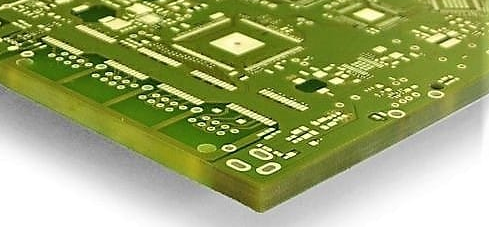
The primary materials used in pcb assembly include copper for conductive pathways, fiberglass for the board substrate, and various components such as resistors, capacitors, and integrated circuits.
What are the main benefits of using 4-layer PCBs?
The use of 4-layer PCBs allows for more complex circuitry in a compact design, improved signal integrity through better grounding, and reduced electromagnetic interference.
What tools are essential for a successful PCBA process?
Key tools necessary for pcb assembly include soldering irons, reflow ovens, pick-and-place machines, and inspection equipment to ensure quality.
How can I troubleshoot issues in 4PCB assembly?
Troubleshooting common problems involves checking for solder joint integrity, verifying component placement accuracy, and testing connections with a multimeter to identify faults.