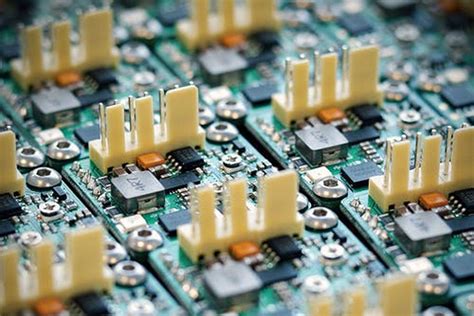
Mastering 4PCB Assembly: A Comprehensive Guide for Innovators
Key Takeaways
In the realm of 4PCB assembly, understanding the foundational aspects along with emerging innovations is crucial for engineers and creators alike. The pcb assembly process involves several critical components, including the selection of materials and the arrangement of circuit paths, which can significantly impact the overall performance of the final product. When delving into pcba, one must leverage essential tools and equipment that streamline production, thereby enhancing efficiency. Familiarity with common challenges in 4PCB assembly — such as soldering issues or component alignment — equips teams to proactively implement solutions that ensure high-quality outcomes. Additionally, adhering to best practices for quality control during pcb assembly can prevent costly errors and reworks, contributing to a more robust manufacturing process. As technology continues to advance, staying abreast of future trends in 4PCB design and manufacturing will provide innovators with a competitive edge, allowing them to harness new techniques that elevate both efficiency and effectiveness in their projects. Embracing these insights will facilitate a deeper understanding of pcb assembly, ultimately paving the way for groundbreaking innovations in this dynamic field.
Understanding 4PCB Technology: Fundamentals and Innovations
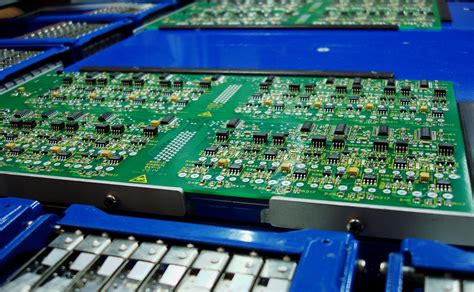
The world of 4PCB assembly has evolved significantly, merging advanced engineering with innovative design practices. At its core, 4PCB technology refers to the integration of four layers of printed circuit boards, facilitating complex circuitry in a compact form. This design is essential for modern electronics, where space is a premium and performance demands are escalating. One key advantage of pcba is its ability to minimize noise interference while enhancing signal integrity, which is critical for high-frequency applications.
Engineers must grasp the fundamentals of 4PCB construction, which involves a delicate balance between multiple layers and the materials used. An understanding of the substrates, such as FR-4 or polyimide, and their respective thermal and electrical properties can drastically impact the final product’s reliability. Additionally, it is vital to incorporate innovative techniques like blind via and buried via holes to optimize board space and functionality.
“Incorporating cutting-edge materials and manufacturing processes paves the way for more reliable and efficient pcba designs,” cautions an industry expert.
As technology continually advances, familiarity with software tools for simulations and designs becomes increasingly important in achieving a successful assembly process. By leveraging these tools alongside historical data from previous assemblies, engineers can refine their approach for each new project. Overall, mastering 4PCB assembly hinges on a strong foundation in both technical knowledge and practical skills—two critical components that drive innovation within this rapidly evolving field.
Essential Tools and Equipment for 4PCB Assembly
When embarking on a journey in 4PCB assembly, having the right tools and equipment is paramount for achieving efficiency and precision. The process of PCBA (Printed Circuit Board Assembly) requires a well-equipped workspace where each tool plays an integral role in ensuring a successful assembly outcome.
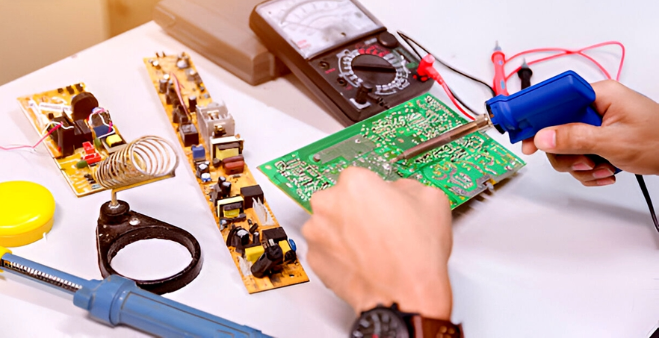
First and foremost, a reliable soldering station is essential for creating strong electrical connections. Professionals should select a station that offers adjustable temperature settings to accommodate various solder types. Furthermore, the choice of solder wire should reflect the peculiarities of the components being used—lead-free solder is often preferred for modern applications.
Next, pick-and-place machines have revolutionized the way components are aligned onto PCBs. These machines significantly reduce assembly time and increase precision, especially when handling intricate designs typical in 4PCB technology. For smaller operations or prototypes, manual tools such as tweezers can suffice, though they may refine efficiency.
Additionally, an accurate multimeter is crucial for testing continuity and ensuring that all connections are correctly implemented before moving onto further steps in assembly. Incorporating automated optical inspection (AOI) systems also enhances quality control by detecting potential errors early in the process.
Below is a brief overview of essential tools and their respective roles:
| Tool/Equipment | Purpose |
|---|---|
| Soldering Station | Creates strong solder connections |
| Solder Wire | Joins electronic components |
| Pick-and-Place Machine | Automates component positioning |
| Tweezers | Manual placement of small components |
| Multimeter | Tests circuit integrity |
| AOI Systems | Inspects assembly quality automatically |
Collectively, utilizing these tools not only improves the efficiency of PCB assembly but also promotes a structured workflow that fosters innovation within engineering practices. As creators strive for excellence in their designs, investing in high-quality equipment becomes a necessity rather than an option.
Step-by-Step Process for Efficient 4PCB Assembly
When embarking on 4pcb assembly, it’s crucial to adopt a streamlined process to enhance efficiency and accuracy. The first step involves design verification, ensuring that the printed circuit board (PCB) design aligns with the intended specifications. Following this, the fabrication of the PCB must be meticulously conducted, where appropriate materials are selected to match pcb assembly requirements. Once fabrication is complete, it’s essential to conduct thorough inspections at each stage to identify any potential flaws early on.
Next, attention should be given to the component placement phase. Utilizing automated pick-and-place machines can significantly increase precision and speed during this part of the process. After placement, don’t overlook the importance of soldering, whether through reflow methods or wave soldering techniques; this step is crucial for ensuring strong electrical connections. Once soldering is accomplished, rigorous testing procedures should be implemented. These tests will determine if operations meet essential quality standards and function as required.
Throughout these stages, maintaining clear communication within your team will further enhance collaborative efforts and troubleshooting capabilities. By mastering these techniques, engineers can facilitate efficient pcba processes that not only meet but exceed quality expectations in their 4pcb assembly projects. Properly following this step-by-step framework ultimately leads to successful outcomes and innovative advancements in PCB technology.
Common Challenges in 4PCB Assembly and How to Overcome Them
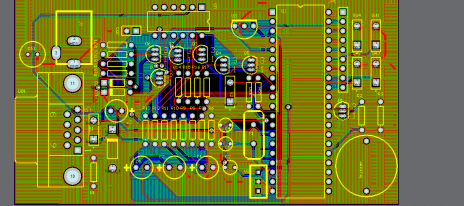
When engaging in 4PCB assembly, professionals often encounter a range of challenges that can impede the efficiency and quality of the pcba process. One significant hurdle is managing the design complexity that modern electronics demand. With tighter component placements and increased functionality, ensuring that all elements are correctly aligned and soldered can become daunting. To mitigate this, investing in advanced design software can greatly assist in visualizing layouts and identifying potential pitfalls before production begins.
Another prevalent issue is the soldering techniques, particularly with different types of components such as surface mount devices (SMDs) versus through-hole components. Each type requires specific soldering methods; thus, a lack of knowledge or experience with one can lead to improper assembly. Continuous training for staff on best practices of soldering techniques ensures they stay adept at handling both styles effectively.
Additionally, environmental factors like humidity and temperature can affect solder quality and component performance. Implementing rigorous quality control measures during assembly helps catch defects early. Utilizing moisture-sensitive packaging for components can also provide an added layer of protection.
Finally, communication breakdown between design teams, procurement, and assembly personnel often leads to errors down the line. Regular team meetings and clear documentation are necessary for a successful workflow, ensuring everyone is aligned on project goals.
By addressing these challenges head-on—with strategic planning, proper training, and strong communication—engineers and innovators can enhance their 4PCB assembly processes significantly, leading to higher-quality outputs and ultimately more successful projects.
Best Practices for Quality Control in 4PCB Production
Quality control is an essential component of 4PCB assembly that significantly impacts overall product reliability and performance. Implementing a comprehensive quality control strategy begins with establishing stringent pcb assembly standards that align with industry best practices. It’s crucial to conduct pcba inspections at various stages of the production process, starting from the component sourcing to the final assembly. Utilizing advanced tools such as Automated Optical Inspection (AOI) systems can greatly enhance inspection accuracy by rapidly identifying defects in solder joints and component placements.
Furthermore, adopting a systematic approach to testing is vital. This includes both in-circuit and functional testing, ensuring that each assembled board meets the required specifications and operational functions. Another recommended practice is to emphasize continuous training for personnel involved in the production process, as their skills directly influence the quality outcome; a knowledgeable team can effectively detect and resolve potential issues before they escalate.
Documentation also plays a crucial role in quality control. Keeping detailed records of each production batch, including inspection results and any corrective actions taken, helps create a feedback loop for continuous improvement. Encouraging a culture of quality among all team members fosters accountability and enhances overall performance in 4PCB assembly, leading to fewer defects, higher efficiency, and greater customer satisfaction. By focusing on these best practices, innovators can ensure that their pcba processes are optimized for both quality and productivity, ultimately driving advancements in technology development.
Advanced Techniques for Enhancing 4PCB Assembly Efficiency
To achieve optimal performance in 4PCB assembly, it’s crucial to adopt advanced techniques that streamline the overall process. One such technique is the application of automated soldering methods, which significantly reduces assembly time and minimizes the risk of human error. Utilizing pick-and-place machines enhances precision in component placement, ensuring that every part is accurately positioned on the pcb surface. Another vital method involves implementing thermal profiling, which allows for better temperature control during the soldering process, ultimately contributing to a higher quality of solder joints and reducing defects in pcba. Furthermore, integrating a closed-loop feedback system during assembly can provide real-time monitoring and adjustments, leading to increased efficiency and quality assurance. Another innovation includes employing flexible PCBs within designs that require compact spaces, as they provide versatility without compromising on performance. Ultimately, by incorporating these advanced strategies into 4PCB assembly practices, engineers and creators can achieve not only enhanced efficiency but also a notable improvement in product reliability and longevity.
Future Trends in 4PCB Design and Manufacturing
As the landscape of 4PCB assembly evolves, several key trends are emerging that promise to redefine the fabrication and production processes. One significant movement is the shift towards smart manufacturing, integrating advanced technologies such as the Internet of Things (IoT) and artificial intelligence (AI) into pcba practices. These technologies streamline pcb assembly operations, enhancing productivity and minimizing errors during assembly. Additionally, there is an increasing focus on sustainability, with manufacturers adopting eco-friendly materials and methods to reduce waste and energy consumption in pcba production.
Another trend gaining momentum is the miniaturization of electronic components, driven by consumer demands for smaller devices with higher performance. This necessitates innovative approaches in 4PCB assembly, including the development of finer pitch technologies and advanced soldering techniques that ensure quality in densely packed circuits. Furthermore, advancements in simulation tools are allowing engineers to visualize performance in virtual environments before fabrication, substantially reducing prototyping time.
Lastly, collaboration across sectors is becoming more pronounced, as designers and manufacturers work together to innovate solutions that enhance the overall efficiency of pcb assembly. The integration of augmented reality (AR) for training or operational support during assembly processes reflects this trend, leading to better-skilled operators who can adeptly troubleshoot challenges as they arise. As these trends continue to shape the 4PCB design and manufacturing industry, companies must stay abreast of these changes to remain competitive and drive future innovations.
Conclusion
In summary, mastering 4PCB assembly is crucial for engineers and innovators hoping to enhance their product development processes. Throughout this guide, we’ve delved into the specifics of pcb assembly, highlighting the advanced techniques and tools necessary for successful integration. The journey from understanding pcba fundamentals to overcoming common challenges illustrates that efficiency in 4PCB assembly is not merely about speed; it also encompasses precision and quality control. By adopting best practices drawn from industry experiences and innovations, creators can significantly reduce errors while improving overall output. Looking ahead, as technology continues to evolve, the future trends in 4PCB design and manufacturing will likely open up even more avenues for creativity and efficiency. In conclusion, a commitment to continual learning and adaptation will enable professionals to navigate the complexities of this field successfully, driving innovation in their respective industries.
FAQs
What is 4PCB assembly?
4PCB assembly refers to the process of assembling printed circuit boards that have four layers. This technique allows for a more compact and efficient design, increasing the functionality of electronic devices.
What are some common components used in PCBA?
The most common components found in PCBA (Printed Circuit Board Assembly) include resistors, capacitors, integrated circuits, and connectors. Each component plays a critical role in ensuring the PCB operates as intended.
Why is quality control important in PCB assembly?
Quality control is essential in pcb assembly to prevent defects that can lead to malfunctioning products. It ensures that every board meets specific standards and functions reliably under various conditions.
What challenges might one face during PCB assembly?
Common challenges include misalignment of components, soldering defects, and issues with thermal management. To overcome these issues, employing advanced assembly techniques and regular quality checks is vital.
How can I enhance the efficiency of my 4PCB assembly process?
Enhancing efficiency can be achieved through meticulous planning, using the right tools, optimizing component placement, and implementing automated processes where possible. Continuous training for staff also contributes to overall productivity.