Mastering 4PCB Assembly: Your Guide to Seamless Integration
Key Takeaways
Mastering 4PCB assembly is crucial for anyone involved in the realm of electronics, as it ensures the effective and efficient production of high-quality PCBA. To achieve seamless integration in your projects, grasping the core concepts of pcb assembly is essential. Familiarity with key techniques can vastly improve your assembly process. Employing the right tools—such as soldering stations, pick-and-place machines, and inspection equipment—facilitates precision in every step of assembly. Understanding common challenges like misalignment and soldering defects can empower you to implement effective solutions swiftly. Additionally, maintaining a robust quality control system is paramount for ensuring precision throughout your workflow.
By integrating innovative techniques and staying abreast of industry trends, you can further enhance your projects’ overall efficiency and functionality in the complex landscape of 4PCB technology. Ultimately, the journey to mastering 4PCB assembly is a combination of knowledge, practice, and a commitment to continual improvement in your processes.
Understanding the Basics of 4PCB Assembly
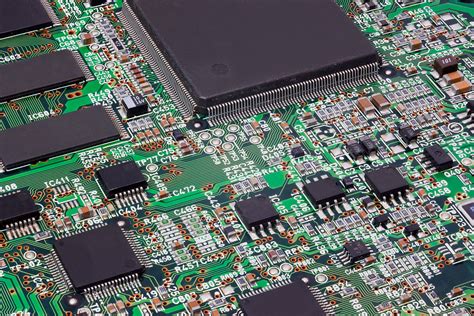
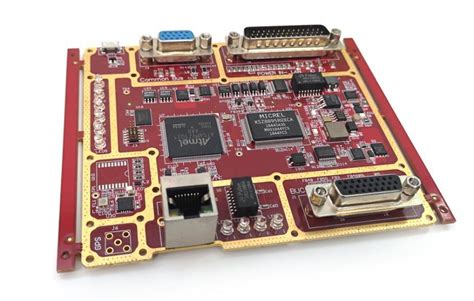
The process of 4PCB assembly involves the intricate integration of components onto a printed circuit board (PCB) that typically features four layers. Understanding this multi-layered design is crucial for successful pcb assembly as it allows for greater complexity in circuit design while minimizing the physical footprint. A key aspect of pcba is ensuring that each layer is correctly aligned and interconnected, which can be supported by various techniques including the use of advanced software tools for design and layout.
At its core, the fundamentals of 4PCB assembly revolve around meticulous planning and execution. “Every layer must work harmoniously to prevent errors that can lead to malfunction.” Proper attention to detail during both design and assembly phases reduces common issues later in production. Adopting industry-standard practices not only boosts quality but also enhances reliability, which is essential for optimizing your projects with precision.
Moreover, a solid grasp of materials used in pcba — such as solder masks, substrate types, and conductive materials — is fundamental in achieving seamless integration. These materials play a significant role in ensuring effective electrical performance and durability. When assembling a 4-layer PCB, it’s important to acknowledge the trade-offs between cost, performance, and manufacturability. The right balance fosters innovation while maintaining project efficiency.
Ultimately, mastering the basics of 4PCB assembly sets a foundation for tackling more advanced concepts within this domain. By focusing on critical aspects such as layer interaction and material selection, professionals can significantly improve their project outcomes and pave the way for future advancements in pcb assembly technology.
Essential Tools for 4PCB Assembly Success
To ensure a successful 4PCB assembly, it is critical to utilize the right tools that enhance both the precision and efficiency of the process. One of the primary tools in this regard is a soldering iron, which is essential for connecting electronic components securely. A high-quality soldering iron with adjustable temperature settings provides flexibility for various assemblies. Additionally, using a PCBA (printed circuit board assembly) rework station can facilitate corrections or adjustments without compromising the integrity of the board, thus ensuring a seamless workflow.
Other indispensable tools include multimeters, which help in testing electrical connections and diagnosing issues early on. Tweezers specifically designed for electronics are also vital, allowing for accurate placement of tiny components without the risk of damage. Furthermore, employing a hot air rework station allows for efficient removal and replacement of components, making it easier to modify designs as necessary.
Lastly, investing in proper workspace organization tools—such as component bins and anti-static mats—will significantly aid in maintaining an orderly environment that minimizes errors during assembly. Together, these tools comprise an essential arsenal that lays the foundation for successful pcb assembly, ultimately optimizing project outcomes and enhancing overall productivity.
Techniques for Seamless Integration in 4PCB Projects
Achieving seamless integration in 4PCB assembly involves employing a series of key techniques that enhance both efficiency and reliability of the final product. It is essential to begin by optimizing the layout design, taking full advantage of the capabilities that pcba offers, ensuring that components are placed strategically to minimize signal interference and maximize functionality. Utilizing simulation tools can help in visualizing how different components interact, which provides valuable insights early in the process. Furthermore, implementing a thorough component selection process is crucial; selecting high-quality materials and components reduces the likelihood of failures down the line.
Analyzing thermal properties and electrical requirements also goes hand-in-hand with effective 4PCB assembly, as these factors significantly influence performance. When soldering, methods like reflow soldering or wave soldering should be adopted carefully depending on the complexity of the project. Finally, integrating automated inspection techniques ensures that any discrepancies are caught early, preventing costly problems during later stages of production. By adopting these techniques within your pcba workflow, you can attain a more robust system that not only meets but exceeds project requirements.
Best Practices for Optimizing 4PCB Assembly Efficiency
Ensuring efficiency in 4PCB assembly requires a blend of strategic planning, proper tool selection, and effective application of techniques. To begin with, it is crucial to understand the layout thoroughly; effective pcb assembly begins at the design stage. Utilize software tools that help simulate the assembly process to identify potential pitfalls before production begins.
Next, make sure to employ automated processes where possible. Automation in pcba not only speeds up production but also minimizes human error. When everything is standardized and streamlined, the overall efficiency increases significantly.
In terms of practical application, consider the following table outlining key practices and their benefits:
| Best Practice | Benefits |
|---|---|
| Thorough Design Reviews | Reduces errors during assembly |
| Use of Jigs and Fixtures | Enhances accuracy and speed |
| Implementing Inline Inspections | Allows for quick corrections |
| Training Employees | Increases staff proficiency and morale |
Additionally, consider employing lean manufacturing principles to eliminate waste and optimize workflow. Keeping communication channels open among team members can significantly enhance collaboration, contributing to a smoother assembly process.
The ultimate goal of these best practices is not just to improve efficiency but also to maintain high-quality standards in your 4PCB assembly projects while enabling faster turnaround times for clients. By focusing on these aspects, you can achieve a balance between speed and quality, essential for successful pcba integration in today’s competitive landscape.
Common Challenges in 4PCB Assembly and Solutions
In the intricate world of 4PCB assembly (or PCBA), numerous challenges can arise, often hindering project timelines and affecting the quality of the final product. One prevalent issue is component misalignment during the assembly process. This can lead to faulty connections and increased rework. A practical solution involves utilizing high-precision tooling and automated placement machines that enhance accuracy and minimize human error in positioning components. Another common challenge is thermal management, as overheating can compromise the integrity of sensitive components. Implementing thermal analysis tools during the design phase, alongside selecting materials with superior thermal properties, can effectively mitigate these risks. Additionally, achieving proper solder joint quality remains a critical concern; inadequate soldering can result in unreliable electrical connections. Adopting techniques such as controlled soldering temperatures and using appropriate flux materials ensures robust solder joints. Finally, managing supply chain inconsistencies may affect availability and lead times for critical parts in pcb assembly. Establishing strong relationships with multiple suppliers and maintaining a well-organized inventory system are essential strategies for addressing this challenge effectively. By recognizing these issues within PCBA projects and implementing targeted solutions, professionals can significantly enhance their processes and outcomes in 4PCB assembly.
Quality Control in 4PCB Assembly: Ensuring Precision
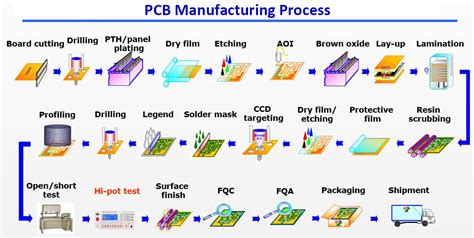
Quality control in 4PCB assembly is an essential aspect that directly impacts the overall success of any project. Ensuring precision in this process involves several key practices that help maintain the integrity of the pcba. One of the primary methods for achieving this is through rigorous testing protocols that systematically assess each stage of assembly. Visual inspections, functional testing, and automated optical inspection (AOI) are fundamental techniques used to identify potential defects before they escalate into costly errors. Additionally, implementing standardized procedures helps streamline the quality assurance process and enhances the reliability of results. Another vital component is feedback loops; gathering data from inspections can inform future processes, driving continuous improvement and minimizing errors in the pcb assembly process.
Furthermore, adopting best practices such as maintaining clean work environments and using high-quality materials contributes significantly to ensuring accuracy and consistency. By emphasizing training for personnel on quality standards and testing methods, organizations can foster a culture of excellence in their 4PCB assembly operations. In summary, a robust quality control system not only safeguards against defects but also enhances the efficiency and success rate of projects involving pcba, making it an invaluable component in any electronics production endeavor.
Innovations in 4PCB Technology and Their Impact on Projects
In recent years, advancements in 4PCB technology have significantly transformed the landscape of pcb assembly. These innovations have introduced enhanced materials, superior manufacturing techniques, and advanced design software, all of which bolster the efficiency and effectiveness of PCBA processes. One notable development is the integration of automated assembly machinery, which not only reduces human error but also accelerates production timelines, allowing for faster market readiness. Furthermore, the implementation of flexible printed circuit boards (FPCBs) has expanded application possibilities in compact electronic devices where 4PCB assembly is crucial for space management. Additionally, innovations in thermal and electrical conductivity materials enable better heat dissipation and overall performance. These improvements not only improve the reliability of the final product but also enhance its overall lifespan. As a result, projects incorporating these technological advancements benefit from higher quality outputs and reduced costs over time, highlighting the essential nature of staying updated with pcb assembly technologies to achieve seamless integration in today’s fast-paced production environments.
Conclusion
In the world of 4PCB assembly, achieving a flawless final product requires careful consideration and execution of various techniques and best practices. Through an understanding of the essential tools, including advanced machinery and efficient workflows, professionals can tackle pcba processes with greater effectiveness. Implementing key strategies for seamless integration ensures that each phase of production runs smoothly, minimizing errors and enhancing overall quality. It’s also vital to stay informed about innovations in 4PCB technology, as these can pave the way for improved methods that could redefine efficiency standards. Addressing common challenges in pcb assembly with proactive solutions not only boosts productivity but also reinforces a commitment to quality control, ensuring that every board meets the highest standards of precision. By embracing these comprehensive elements, teams can optimize their projects and attain a competitive edge in the dynamic landscape of electronics manufacturing.
FAQs
What is 4PCB assembly?
4PCB assembly, or printed circuit board assembly (PCBA), refers to the process of soldering electronic components onto a four-layered PCB. This complex technique ensures that multiple signals can be transmitted efficiently and is crucial for modern electronic devices.
What are the benefits of using 4PCB assemblies?
Utilizing 4PCB assemblies allows for a more compact design, improved thermal management, and enhanced signal integrity. By effectively integrating components, developers can create robust and high-performance products that utilize space efficiently.
What tools are essential for 4PCB assembly?
Essential tools include soldering equipment, multimeters, oscilloscopes, and software for PCB design. Having the right tools can significantly influence the accuracy and efficiency of the pcb assembly process.
How can I troubleshoot issues in my PCBA?
Common issues in pcba involve poor solder connections or misaligned components. It’s crucial to conduct visual inspections and use testing equipment to identify faults quickly before they escalate.
What quality control measures should be in place for 4PCB assemblies?
Implementing thorough quality control measures such as Automated Optical Inspection (AOI), Functional Testing, and X-ray Inspection helps ensure precision in the pcb assembly process. This guarantees that each unit meets the necessary performance standards.
For more detailed insights and resources on achieving seamless integration in your project, please click here: https://www.andwinpcb.com/pcb-assembly/