Mastering Advanced Circuits Assembly: Innovations and Techniques
Key Takeaways
In the rapidly evolving field of advanced circuits assembly, understanding the nuances of pcb assembly and pcba is crucial for engineers and technicians alike. The article highlights that leveraging cutting-edge technologies leads to significant improvements in efficiency and accuracy during the circuit assembly process. One of the highlighted innovations is the integration of automation in pcb assembly, which not only reduces the potential for human error but also accelerates production timelines. Additionally, employing essential techniques such as selective soldering and laser cutting contributes to higher precision, resulting in a more reliable final product. Adopting best practices, including thorough testing at various stages of assembly, ensures that any issues are identified early, thereby minimizing costly revisions later on. The importance of utilizing advanced tools and technologies cannot be overstated, as they are pivotal in optimizing workflows within pcba. These innovations collectively define modern circuit assembly standards and prepare professionals to tackle future challenges with confidence and expertise.
Introduction to Advanced Circuits Assembly
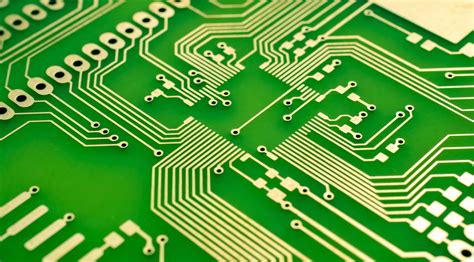
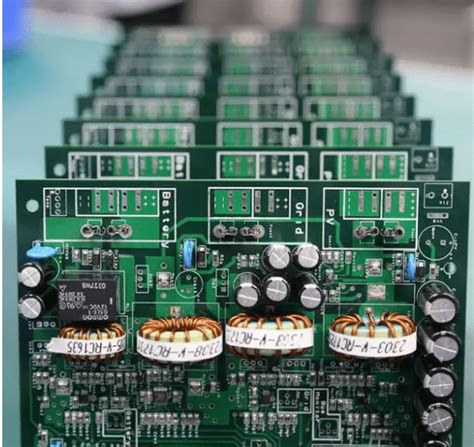
In the evolving landscape of electronics, advanced circuits assembly plays a crucial role in enhancing the functionality and reliability of devices. At the heart of this field is pcb assembly, a complex process that involves assembling electronic components onto printed circuit boards (PCBs) to create a complete electronic system. The significance of this process cannot be overstated, as it determines the overall performance and efficiency of products in various applications, from consumer electronics to industrial machinery. As technology advances, so too do the methods employed in pcba, which integrates innovative approaches that allow for greater precision and speed in circuit assembly.
Notably, the development of automated assembly lines and advanced soldering techniques has revolutionized traditional methods, facilitating higher production rates while reducing human error. Furthermore, advancements in materials science have introduced new substrates and components that enhance durability and functionality, paving the way for increasingly compact designs with greater capabilities. Understanding these innovations is essential for professionals in the field who seek to optimize their processes and ensure high-quality outputs. By mastering these techniques and keeping pace with industry trends, one can significantly impact their effectiveness in advanced circuits assembly.
Key Innovations Transforming Circuit Assembly
The realm of advanced circuits assembly is witnessing significant transformations, primarily driven by technological advancements that enhance efficiency and accuracy in pcb assembly processes. Innovative techniques such as automated placement and 3D printing of electronic components are revolutionizing how circuit boards are constructed. These methods reduce human error and improve the precision of component placement, which is crucial in achieving high-quality pcba.
One notable innovation is the implementation of machine learning algorithms to optimize assembly lines. By analyzing data from previous assemblies, these algorithms can predict potential flaws and optimize the supply chain, thus minimizing waste and delays. Additionally, the introduction of flexible circuits allows for more innovative designs that adapt to various applications without sacrificing performance.
Moreover, advancements in adhesive technologies have led to stronger and more reliable connections in circuits. Using high-performance adhesives ensures that components remain securely attached even under stress. As these innovations continue to evolve, the adoption of smart manufacturing techniques—integrating IoT devices into production processes—enables real-time monitoring and optimization of every aspect of circuit assembly.
“Embracing new technologies is not just about keeping up; it’s about leading innovations that shape the future of electronic manufacturing.”
The integration of these key innovations not only enhances productivity but also sets new standards for quality in the realm of pcb assembly, ensuring that manufacturers stay competitive in a rapidly evolving market. As we delve deeper into these advancements, it becomes clear that embracing these changes will be vital for success in advanced circuits assembly moving forward.
| Innovation | Benefit |
|---|---|
| Automated Placement | Increases precision and efficiency |
| 3D Printing | Allows for complex designs |
| Machine Learning | Optimizes processes with data insights |
| Flexible Circuits | Adapts to varying applications |
| High-Performance Adhesives | Enhances connection reliability |
Through understanding and applying these innovations, professionals in the field can elevate their circuit assembly practices significantly.
Essential Techniques for Optimal Circuit Design
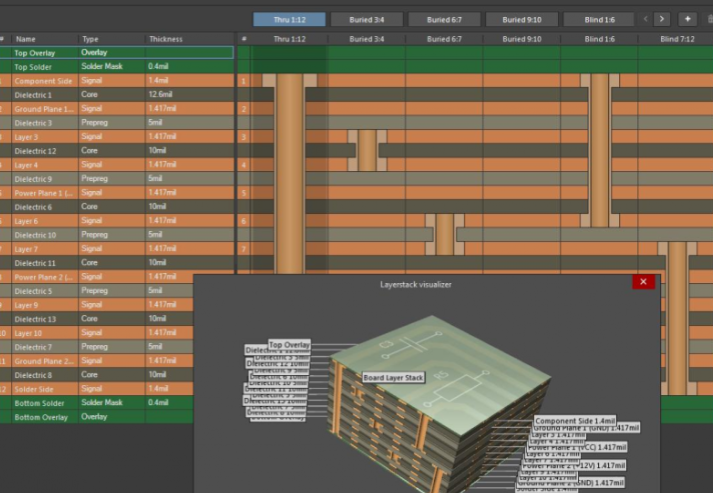
When it comes to advanced circuits assembly, mastering the essential techniques for optimal circuit design is pivotal for any professional in the field. One of the foremost methods is design for manufacturability (DFM), which ensures that the pcb assembly process can be conducted efficiently and effectively. This involves simplifying designs to not only reduce costs but also to enhance reliability during production and assembly. Moreover, employing multi-layered circuit boards allows for greater complexity while maintaining space efficiency, crucial for modern electronic devices.
Additionally, thorough consideration of component placement can significantly impact thermal management and signal integrity. Careful alignment and spacing can prevent interference and overheating, making the entire circuit assembly process smoother. Using simulation software during the design phase also aids engineers in predicting potential issues before reaching production—saving both time and resources.
To further enhance quality, implementing rigorous testing protocols such as Automated Optical Inspection (AOI) ensures that each pcba meets strict standards before leaving the assembly line. This proactive approach to quality control not only minimizes defects but also elevates overall product performance in various applications. By embracing these essential techniques, professionals can optimize their circuit designs and refine their assembly processes for sustained success in a rapidly advancing technological landscape.
Best Practices in Circuit Assembly Processes
In the realm of advanced circuits assembly, implementing best practices is crucial for achieving outstanding results. One essential aspect to consider is the choice of materials; selecting high-quality substrates can significantly influence the reliability of pcb assembly. Furthermore, maintaining a clean and organized workspace during the pcba process minimizes errors and enhances efficiency. It is also critical to adopt precise soldering techniques, as improper solder joints can lead to circuit failures. Utilizing automated assembly equipment can dramatically reduce human error, yet it remains vital to regularly calibrate and maintain such machines for optimal performance. Additionally, thorough testing at various stages of circuit assembly allows for the identification of potential issues before they escalate into costly problems. Engaging in continuous training for personnel ensures that knowledge about current trends and practices in advanced circuits assembly remains current, fostering an environment conducive to innovation and quality improvement. Ultimately, by adhering to these best practices, organizations can significantly enhance their circuit assembly processes, resulting in more reliable and efficient electronic products.
Tools and Technologies in Advanced Circuits Assembly
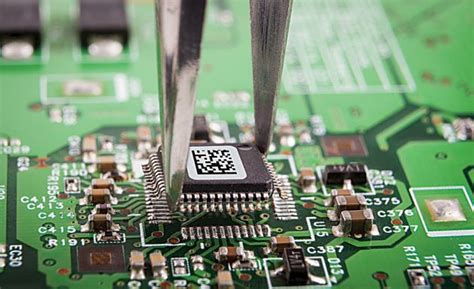
The landscape of advanced circuits assembly has been greatly enhanced by the emergence of various innovative tools and technologies. At the forefront is automated assembly equipment, which significantly increases efficiency and accuracy in the pcb assembly process. These systems often employ sophisticated robotics and vision technology to ensure precise placement of components, thereby reducing human error. Additionally, surface mount technology (SMT) has revolutionized pcba, allowing for more compact designs and greater functionality within a smaller footprint.
Another notable advancement is the introduction of advanced software solutions that aid in circuit design and simulation. These programs enable engineers to visualize circuits before physical assembly, allowing for better planning and troubleshooting at the design stage. Coupled with powerful testing equipment, these technologies streamline the verification process of assembled circuits to ensure they meet operational standards.
Moreover, emerging materials such as flexible substrates and high-frequency laminates are expanding the possibilities for circuit designs that cater to more demanding applications, such as in telecommunications and aerospace industries. As these tools and technologies continue to evolve, staying updated with the latest trends becomes imperative for professionals within this field to maintain an edge in quality and efficiency. This comprehensive understanding not only enhances individual skills but also contributes significantly to optimizing overall circuit assembly processes in competitive markets.
Troubleshooting Common Issues in Circuit Assembly
In the realm of advanced circuits assembly, there are numerous challenges that can arise during the pcb assembly process, significantly impacting the quality and efficiency of the final product. One common issue is misalignment, which can occur when components are not correctly placed on the pcba board. This misalignment can lead to poor electrical connections and increase the risk of short circuits. To mitigate this, it is essential to use precise placement tools and techniques, such as advanced pick-and-place machines that enhance accuracy.
Another frequent problem is solder bridging, where excess solder forms a connection between two adjacent pads, potentially causing failure in circuit functionality. Implementing automated optical inspection (AOI) systems during production can help detect these issues early on. It allows operators to identify problems in real-time and make necessary adjustments before finalizing the assembly.
Furthermore, inadequate thermal management can pose serious risks during operation. Ensuring proper heat dissipation through design optimization and selecting appropriate materials contributes to maintaining the longevity of circuits. Regular testing and validation phases should be integrated into each production cycle to catch these potential faults early on.
By applying these troubleshooting strategies, manufacturers can enhance their pcb assembly processes, resulting in higher quality pcba products that meet industry standards and customer expectations effectively. The combination of proper tooling, technology integration, and continuous quality assessment plays a pivotal role in overcoming the common hurdles faced in circuit assembly today.
Future Trends in Advanced Circuit Technologies
In the ever-evolving field of advanced circuits assembly, significant advancements are emerging that promise to enhance pcb assembly processes and redefine industry standards. One of the most notable trends is the integration of automation and artificial intelligence into pcba procedures. These technologies enable greater efficiency and precision in circuit assembly, minimizing human error and optimizing production timelines. As manufacturers increasingly adopt smart manufacturing techniques, the ability to analyze data in real-time allows for improved decision-making and resource allocation.
Moreover, there is a growing emphasis on sustainable practices within the industry. Innovations focusing on eco-friendly materials and processes are not only reducing waste but also meeting the rising consumer demands for sustainability. The implementation of new materials, such as biodegradable substrates, signifies a shift towards greener solutions in advanced circuits assembly.
Furthermore, the advent of flexible and wearable electronics is pushing the boundaries of traditional circuit design. This shift necessitates advancements in pcb assembly techniques that accommodate intricate designs while maintaining functionality. Emerging methods such as inkjet printing are facilitating rapid prototyping and customization, making it easier to produce innovative products tailored to specific user needs.
Lastly, as Internet of Things (IoT) devices proliferate, there is an increased demand for designs that emphasize connectivity and performance. Future trends will likely see a convergence of software and hardware designs aimed at enhancing user experience and system interoperability within these connected environments. In summary, staying abreast with these trends will be crucial for professionals seeking to excel in advanced circuits assembly, ensuring they remain competitive in a rapidly changing market landscape.
Case Studies: Successful Implementations of Advanced Techniques
In the realm of pcb assembly, numerous organizations have successfully adopted advanced circuits assembly techniques, resulting in remarkable achievements. One notable case study involves a leading electronics manufacturer that implemented a novel dual-layer pcba process, enabling them to significantly reduce production time while enhancing the durability of their products. By integrating automated optical inspection systems, they ensured heightened accuracy during the assembly process, thereby minimizing defects and rework rates. Another impressive example is a technology startup that utilized advanced pcb assembly materials, such as flexible substrates and high-frequency laminates, to improve their product’s performance in demanding applications. This adaptation not only optimized their circuit designs but also opened new markets by catering to industries requiring rapid prototyping and innovation. These case studies illustrate how the implementation of innovative techniques in pcba can lead to heightened efficiency, cost savings, and competitive advantages in today’s fast-paced electronics landscape. Through thorough analysis and adaptation of these cutting-edge methods, companies can aspire to enhance their own processes while contributing to the evolution of advanced circuits assembly technologies.
Conclusion
In summary, the journey through the realm of advanced circuits assembly reveals a wealth of knowledge and innovation that is essential for professionals in the industry. Understanding the nuances of pcb assembly and pcba processes enhances not only technical skills but also opens doors to exciting opportunities. As we have explored, the latest innovations, such as automated assembly techniques and sophisticated testing methods, significantly improve efficiency and reliability in circuit assembly. Moreover, adhering to best practices ensures that practitioners maintain high standards in their work while troubleshooting common challenges becomes more manageable with the right tools and technologies. Looking forward, staying abreast of future trends will allow individuals and organizations to adapt and thrive in an ever-evolving landscape. Embracing these advancements will undoubtedly lead to greater success in advanced circuits assembly endeavors, paving the way for continuous growth and development in this critical field.
FAQs
What is PCB assembly?
PCB assembly, often referred to as PCBA, is the process of connecting electronic components to a printed circuit board (PCB) to create a functional electronic device.
What are the essential steps in advanced circuits assembly?
The essential steps in advanced circuits assembly include designing the PCB layout, selecting appropriate components, soldering, and performing electrical testing.
How do innovations impact PCB assembly processes?
Innovations in technology enhance pcb assembly processes by improving precision in component placement, increasing speed, and reducing costs through automation and advanced materials.
What tools are commonly used in PCBA?
Common tools used in PCBA include soldering stations, pick-and-place machines, reflow ovens, and inspection equipment for quality assurance.
How can I troubleshoot issues during circuit assembly?
To troubleshoot issues in circuit assembly, start by inspecting the PCB for visual defects, test individual components for functionality, and ensure solder joints are reliable and well-executed.