Mastering BGA PCB Assembly: Techniques for Successful Projects
Key Takeaways
Successfully navigating the landscape of BGA PCB assembly requires a solid understanding of both fundamental and advanced techniques. Among the most essential practices is ensuring precise alignment and support for PCB assembly components, particularly the Ball Grid Array (BGA) packages. These packages demand close attention due to their complex lead configurations, which can make soldering and inspection more challenging. Implementing effective thermal management techniques is crucial, as overheating during soldering can lead to critical failures in PCBA reliability. It is also vital to recognize common pitfalls, such as insufficient solder paste application or inadequate reflow profiles, which can adversely impact the outcomes of your assembly projects. By adopting a proactive approach to problem-solving and leveraging innovative solutions like advanced inspection technologies and automation, engineers can significantly enhance the performance of BGA assemblies. Ultimately, mastering these intricate details will not only improve project success rates but also contribute to building high-quality products that result in greater customer satisfaction.
Introduction to BGA PCB Assembly: Understanding the Basics
BGA PCB assembly is an essential process in the manufacturing of modern electronic devices. At its core, Ball Grid Array (BGA) technology allows for a high density of connections while ensuring reliable performance, which is crucial in today’s compact and intricate circuit designs. PCB assembly using BGA components offers several advantages over traditional mounting techniques, including better thermal and electrical performance. This assembly method utilizes a grid of solder balls that connect to pads on the printed circuit board (PCB), leading to more efficient space utilization and reduced signal integrity issues. While mastering PCBA involves understanding these components, it also requires familiarity with the specific techniques used during the assembly process. Knowledge of soldering methods, inspection techniques, and reflow profiles is critical to achieving optimal results. Furthermore, being aware of potential challenges—such as alignment inaccuracies or insufficient solder—can aid in preventing defects that could compromise the functionality of the final product. By grasping these basic principles and focusing on precision and quality throughout the BGA PCB assembly process, manufacturers can greatly enhance both performance and reliability in their electronic assemblies.
Key Techniques for Effective BGA PCB Assembly
Successfully executing BGA PCB assembly requires mastering a few key techniques that cater to the unique characteristics of BGAs (Ball Grid Arrays). One fundamental aspect is ensuring proper thermal management, as BGA components can generate significant heat during operation. Utilizing thermal vias and adequate copper traces in the layout helps dissipate heat effectively, preventing failure due to overheating.
Another vital technique involves optimizing the solder paste application. Achieving a uniform thickness and correct volume of solder paste is critical for ensuring reliable connections between the BGA pads and PCB. Employing automated stencil printing can significantly enhance consistency and precision in solder paste deposition.
Furthermore, implementing an appropriate reflow profile is essential during the soldering process. Understanding the distinct melting points for different solder alloys helps set temperature curves that accurately reflect these properties, thereby improving the PCB assembly quality.
Regular inspections using techniques like Automated Optical Inspection (AOI) are recommended after assembly to detect potential faults. Such inspections aid in identifying issues like insufficient solder, especially with hidden pads associated with BGAs.
To summarize, adopting these techniques can greatly enhance the effectiveness of BGA PCBA, ensuring better performance and reliability for complex electronic systems. Below is a table highlighting these key techniques:
| Technique | Description |
|---|---|
| Thermal Management | Effective heat dissipation through thermal vias |
| Solder Paste Application | Uniform application using automated stencil printing |
| Reflow Profile Optimization | Accurate temperature curves based on solder alloy properties |
| Regular Inspections | Implementation of AOI for fault detection |
These fundamental practices are critical for anyone looking to ensure a successful outcome in their BGA PCB assembly projects.
Common Challenges in BGA PCB Assembly and How to Overcome Them
BGA PCB assembly presents unique challenges that can significantly impact the performance and reliability of the final product. One major hurdle is achieving the correct solder reflow; if the temperature profile isn’t properly calibrated, it can lead to cold solder joints or insufficient solder coverage. To mitigate this, it’s essential to utilize precise thermography tools and optimize reflow ovens for consistent heating. Another issue often faced during BGA PCBA processes is alignment errors, which can result in misplacement of components on the board. Implementing robust pick-and-place technology with accurate vision systems can enhance placement precision, reducing defects considerably. Additionally, troubleshooting voiding under BGA components is crucial, as it can affect electrical performance and thermal conductivity. To address this challenge, employing advanced solder paste materials known for their adhesion characteristics has been shown to improve outcomes. Moreover, regular process monitoring and inspection using X-ray imaging can help identify underlying issues early on, facilitating timely interventions. By adopting these strategies, professionals in BGA PCB assembly can navigate common challenges effectively, ensuring successful project outcomes that meet both performance and reliability standards.
Best Practices for Optimal Performance in BGA Assemblies
Achieving optimal performance in BGA PCB assembly requires a combination of meticulous planning and execution. To start, selecting the right PCB assembly materials is crucial; ensuring that components are compatible can prevent common issues that compromise performance. Additionally, proper thermal management techniques are essential. As BGA components can generate significant heat, implementing strategies such as thermal vias and using materials with superior heat dissipation properties can greatly enhance both reliability and functionality. Moreover, pay close attention to the soldering process; techniques like reflow soldering should be executed with precision to ensure strong, lasting connections. Utilizing appropriate PCBA inspection methods is equally important; automated optical inspection (AOI) systems can detect defects early in the assembly process, reducing the risk of failure later on. Furthermore, regular maintenance of assembly tools and equipment ensures consistent quality and reliability in production. Emphasizing these best practices not only fosters a smoother assembly process but also contributes significantly to the longevity and performance of the final product.
Innovative Solutions for Enhanced Reliability in BGA PCB Projects
In the ever-evolving field of BGA PCB assembly, achieving enhanced reliability is crucial for the success of any project. Various innovative solutions have emerged to address common challenges faced during the pcba process. One such solution is the implementation of advanced materials that are more resilient to thermal stress and mechanical strain. These materials not only improve durability but also enhance overall performance in challenging environments. Additionally, utilizing precision cleaning methods before assembly can greatly reduce contamination, which is vital in maintaining the reliability of BGA components.
“Investing in high-quality materials and meticulous assembly processes pays off in the long run,” notes an industry expert.
Furthermore, adopting automated inspection systems can ensure that potential defects are identified early in the production cycle, thereby mitigating risks associated with faulty assemblies. The integration of real-time monitoring tools also offers significant advantages, as they allow engineers to track performance data throughout the production process, ensuring each step adheres to strict quality standards.
Emphasizing a thorough understanding of both design and manufacturing considerations can lead to designing circuits that are more robust against everyday operational challenges. Enhanced thermal management strategies, such as employing heat sinks or thermal vias, can make a substantial difference in managing heat dissipation effectively.
To summarize, leveraging innovative solutions related to materials selection, inspection protocols, and thermal management strategies can significantly heighten the reliability of BGA pcba projects. These approaches not only facilitate smoother production processes but also contribute to achieving optimal performance outcomes for end users.
Tools and Equipment Essential for BGA PCB Assembly
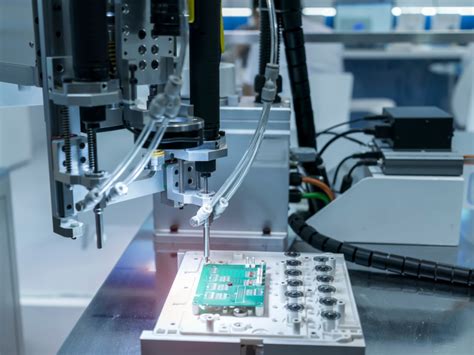
In the realm of BGA PCB assembly, having the right tools and equipment is vital for achieving successful results. The initial step involves selecting a reliable PCB assembly platform that provides the necessary environment for surface mount technology (SMT) processes. Essential tools include solder paste printers, pick-and-place machines, and reflow ovens, all of which ensure that components are accurately placed on the PCB. Fume extraction systems are also crucial, as they maintain a safe working environment by removing harmful fumes from solder processes.
A high-resolution microscope aids in inspecting solder joints and component placements, ensuring adherence to quality standards during pcba production. Moreover, specialized fixtures and jigs can enhance the precision of component placement, which is particularly important for complex BGA layouts that require meticulous attention to detail. Finally, testing equipment such as Automated Optical Inspection (AOI) machines plays a significant role in verifying solder quality and overall assembly integrity. By employing these tools effectively, engineers can overcome common challenges faced during BGA PCB assembly and significantly improve performance reliability in their projects.
Case Studies: Successful Implementations of BGA PCB Assembly Techniques
Analyzing successful implementations of BGA PCB assembly techniques provides invaluable insights for both novices and seasoned professionals in the field of pcba. One notable case involved a leading electronic device manufacturer that transitioned to BGA solutions to enhance the performance of their compact devices. By leveraging advanced BGA PCB assembly methods, they were able to significantly reduce the overall size of their products while improving thermal management and signal integrity. This project exemplifies how embracing innovative strategies can lead to tangible upgrades in functionality and reliability.
Another compelling example came from a telecommunications company that faced frequent failures due to component misalignment in traditional pcba methods. By implementing precise placement technologies and employing rigorous testing protocols during their BGA PCB assembly, they not only reduced defects but also streamlined their production process. The result was a notable decrease in production costs alongside increased customer satisfaction. These case studies highlight that success in BGA assembly is achievable through a commitment to quality and an openness to adopting state-of-the-art technologies, ultimately leading to enhanced performance and sustainability in electronic product design.
Future Trends in BGA PCB Assembly: What to Expect
As technology continues to evolve, the landscape of BGA PCB assembly is poised for significant advancements. One of the most prominent trends is the increasing integration of smart manufacturing techniques. These methodologies leverage data analytics and automated systems to enhance pcb assembly processes, resulting in higher efficiency and reduced error rates. Furthermore, the demand for miniaturization in electronic devices is driving innovations in PCBA design and assembly. Manufacturers are exploring new materials and production techniques that enable compact layouts while maintaining or improving electrical performance. Additionally, as the emphasis on sustainability grows, environmental considerations will play a crucial role in shaping BGA PCB assembly practices. Companies are likely to adopt greener materials and processes to minimize their ecological footprint, ensuring that their operations align with global sustainability goals. Finally, the rising complexity of electronic products is leading to more advanced inspection and quality control techniques being integrated into BGA PCBA processes. With these trends on the horizon, staying informed about the latest developments will be essential for professionals seeking to achieve optimal performance and reliability in their projects.
Conclusion
In summation, mastering BGA PCB assembly is pivotal for ensuring the effectiveness and reliability of your projects. The intersection of pcba techniques, innovative tools, and a clear understanding of the typical challenges can dramatically elevate the quality of your assemblies. By consistently applying best practices such as precise alignment, thermal management, and rigorous testing procedures, professionals can enhance both the functionality and durability of BGA PCB creations. Furthermore, staying abreast of emerging trends in this domain not only equips one with cutting-edge knowledge but also fosters an environment where continuous improvement thrives. It’s crucial to recognize that the journey toward successful pcb assembly involves not just technical expertise but also a strong commitment to innovation and problem-solving. Engaging with case studies reveals that embracing adaptive strategies often leads to superior outcomes in real-world applications. Thus, remaining informed and flexible will empower engineers and designers to navigate the complexities associated with BGA PCB assembly, ultimately leading to enhanced performance in their projects.
FAQs
What is BGA PCB Assembly?
BGA PCB assembly, or Ball Grid Array PCB assembly, refers to a method of mounting integrated circuits on a printed circuit board (PCB). It involves a grid of small balls made of solder that are placed on the chip, allowing for a compact and effective electrical connection.
What are the main advantages of BGA assemblies?
The main advantages include improved performance due to shorter electrical paths, better thermal management, and higher pin counts without increasing the footprint. Additionally, BGA allows for greater reliability compared to traditional packaging methods.
What challenges might I face during BGA PCB assembly?
Common challenges include proper solder joint formation, inspection difficulties due to hidden joints beneath the chip, and thermal management issues. It’s crucial to address these challenges through meticulous planning and quality control measures.
How can I ensure optimal performance in my BGA assemblies?
To ensure optimal performance in BGA assemblies, implement best practices such as selecting appropriate solder paste and temperature profiles, conducting thorough inspections with X-ray imaging, and maintaining precise alignment during placement.
Are there special tools required for BGA PCB assembly?
Yes, essential tools for BGA pcb assembly include stencil printers, pick-and-place machines for accurate component placement, reflow ovens for soldering processes, and testing equipment for verifying joint integrity post-assembly.