Mastering Box Build PCB: Elevate Your Electronics Projects Today!
Key Takeaways
When embarking on your journey into Box Build PCB, it’s crucial to grasp the fundamentals of pcb manufacturing. Companies that specialize in this area can help turn your concepts into working prototypes by ensuring the right materials and techniques are utilized. Understanding the various pcb manufacturing costs associated with different components can directly influence your overall project budget, allowing you to allocate resources more effectively. As you delve deeper into the world of Box Build PCB, consider collaborating with reputable pcb manufacturing companies, which can offer insights and expertise that will enhance your project’s efficiency and quality. Embracing knowledge about both traditional methods and innovative practices in the pcb manufacturing business can elevate your electronic designs, making them more robust and competitive in today’s market. By focusing on these critical aspects, you’re positioning yourself to overcome challenges and leverage opportunities within this dynamic field, ultimately pushing the boundaries of your creativity and technical abilities.
Understanding Box Build PCB: A Beginner’s Guide
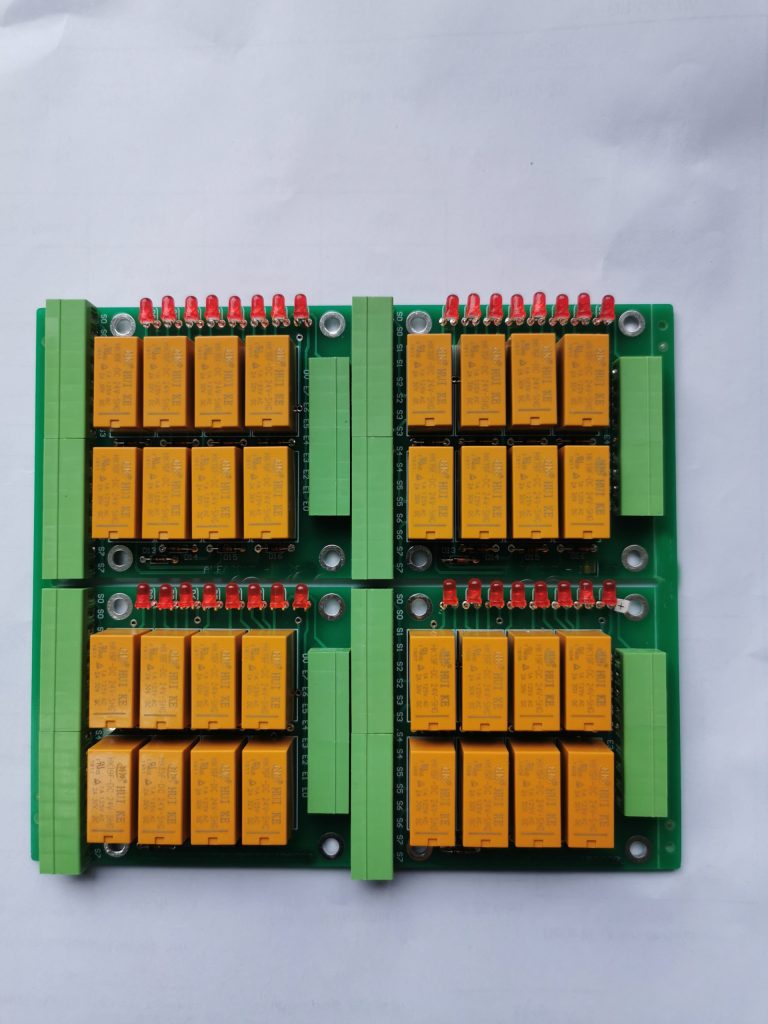
When diving into Box Build PCB, it’s essential to understand what it entails. Essentially, Box Build PCB refers to the complete assembly process that combines Printed Circuit Boards (PCBs) with various components into a finished product—including enclosures and other mechanical parts. This assembly is crucial for ensuring a streamlined product that meets the desired functionality and aesthetic appeal.
As you embark on your journey into this domain, consider the various aspects of pcb manufacturing. Working with reputable pcb manufacturing companies can significantly influence the quality and efficiency of your projects. The choice of a reliable partner can help mitigate pcb manufacturing costs while enhancing the performance and lifespan of your electronic devices.
Moreover, investing in a solid understanding of pcb manufacturing business practices can position you well in a competitive market. By grasping the fundamentals, you’re better equipped to implement innovative designs that set your projects apart. Remember, “Start small, scale smart,” as moving through each stage with precision leads to success in complex undertakings.
Your next steps should focus on familiarization with essential components and techniques vital for achieving robust Box Build PCB assemblies, ensuring that every element aligns harmoniously for optimal performance. For more insights into effective strategies and reliable services in this area, visit Andwin.
Essential Components of Box Build PCB
When diving into Box Build PCB, it’s essential to understand the key components that play a crucial role in your project’s success. Primarily, the printed circuit board (PCB) itself serves as the backbone of your design; its quality and reliability depend heavily on the pcb manufacturing processes utilized. Begin by evaluating your needs to choose between various pcb manufacturing companies that offer tailored solutions. Each component you select, from connectors to enclosures, contributes significantly to the overall functionality and durability of your electronic device.
Incorporating high-quality components not only facilitates efficient assembly but also minimizes the pcb manufacturing cost in the long run by preventing potential failures that could arise from inferior parts. Moreover, ensuring modularity in your design can lead to smoother upgrades and repairs, effectively expanding the lifespan of your product without incurring additional costs associated with a complete redesign.
It’s also important to consider how these components interact with each other within your box build assembly. Proper integration can translate into enhanced performance, granting you an edge over competitors in the thriving pcb manufacturing business landscape. Thus, investing time in selecting and understanding each component can elevate your electronic projects significantly, making them not only innovative but also reliable and efficient.
Techniques for Efficient Box Build PCB Assembly
When it comes to pcb manufacturing, efficiency is crucial for delivering high-quality products while keeping costs manageable. Understanding the nuances of box build PCB assembly can significantly enhance your workflow and reduce the overall pcb manufacturing cost. Start by organizing your workspace. A clutter-free environment allows you to focus on the intricate components of your project, optimizing both time and resources. Next, ensure that all essential components are readily accessible. This will minimize delays during the assembly process.
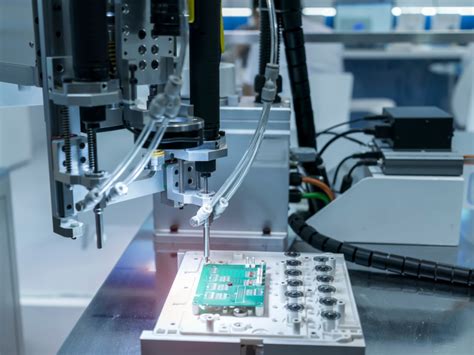
Utilizing automated tools can also dramatically improve efficiency. Many pcb manufacturing companies offer advanced machinery designed to streamline various aspects of assembly, from component placement to soldering. Investing in automation not only speeds up production but can also help reduce errors, leading to fewer revisions and a more polished final product.
For those in the pcb manufacturing business, staying updated on industry practices is vital. Regular workshops and online resources can provide insights into the latest techniques and innovations in box build PCB assembly. Additionally, implementing a robust quality control process throughout assembly will ensure that any potential issues are addressed early on, saving time and reducing costs associated with rework or scrap.
By combining these techniques—organizing your workspace, utilizing automation, and committing to continuous learning—you can elevate your projects to new heights while ensuring efficient production in your box build PCB endeavors.
Design Best Practices for Box Build PCB Projects
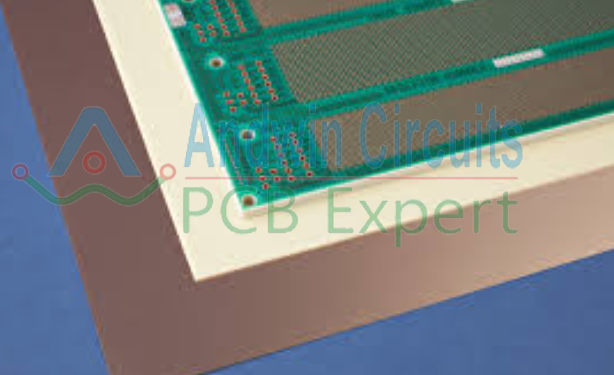
When embarking on your Box Build PCB journey, adhering to certain design best practices can significantly enhance the outcome of your projects. First and foremost, understanding the relationship between PCB manufacturing and the design process is essential. It ensures that your designs are not only functional but also optimized for cost-effectiveness. Choose materials wisely; for instance, selecting high-quality substrates can affect both the PCB manufacturing cost and the final performance of your board.
It’s also vital to create a comprehensive bill of materials (BOM) that outlines each component required for assembly. This step simplifies communication with PCB manufacturing companies, enables accurate budgeting, and minimizes assembly errors. In addition, incorporating standardized component footprints in your designs ensures easier sourcing and reduces lead times.
Consider creating a layered approach to your design. Begin with a solid schematic before transitioning to layout; leverage software tools to visualize potential issues early on. This practice aids in troubleshooting common issues during assembly and ultimately helps maintain product integrity.
Lastly, establish clear communication channels with your PCB manufacturing business; this promotes transparency regarding timelines, costs, and any potential design modifications that may arise throughout the production process.
| Design Element | Best Practice |
|---|---|
| Material Selection | Choose high-quality substrates |
| Bill of Materials (BOM) | Create a detailed BOM for better communication |
| Component Footprints | Use standardized footprints to simplify sourcing |
| Design Approach | Utilize a layered schematic to identify issues early |
| Communication | Foster clear dialogue with manufacturers |
By implementing these practices, you will not only enhance the quality of your Box Build PCB projects but also streamline the entire production process from conception to completion.
Troubleshooting Common Issues in Box Build PCB
When working with Box Build PCB, it’s not uncommon to encounter various challenges that can impede your project’s progress. Understanding these common issues can save you time and resources in the long run. One frequent problem is poor solder joints, often resulting from inadequate pcb manufacturing processes or incorrect temperature settings during assembly. You can mitigate this by collaborating with reliable pcb manufacturing companies that prioritize quality in their production methods. Additionally, be on the lookout for discrepancies in component placement and orientation, as these errors can lead to functionality issues. Utilizing effective pre-assembly checks is essential in this regard.
Another aspect to consider is pcb manufacturing cost, which can influence the selection of materials and components used in your project. To ensure you stay within budget, conduct thorough research on component suppliers and factor in the long-term reliability of cheaper alternatives versus higher-end components. Lastly, incorporating design reviews into your workflow will help identify potential design flaws early on before they escalate into costlier modifications later. By addressing these common issues proactively, you’ll significantly enhance your chances of producing a high-quality Box Build PCB that meets or exceeds your project requirements.
Innovative Designs: Taking Your Box Build PCB to the Next Level
In the realm of Box Build PCB projects, paving the way for innovative designs is pivotal for staying ahead in today’s fast-paced electronics landscape. When you delve into pcb manufacturing, consider how new materials and technologies can enhance your designs. For instance, the implementation of flexible circuits can lead to reduced weight and increased versatility in your projects. Moreover, collaborating with reputable pcb manufacturing companies ensures that you have access to the latest techniques and materials that can significantly improve performance and durability.
It’s vital to recognize the role of design software in ensuring precision and creativity in your layouts. Utilizing advanced software not only streamlines your workflow but also helps in optimizing pcb manufacturing cost, making your projects more economically viable. As you rethink designs, pay attention to factors such as thermal management and component placement, which directly influence functionality and reliability.
By exploring cutting-edge methods like additive manufacturing or integrating Internet of Things (IoT) capabilities, you elevate your electronics creations to fulfill current market demands. Ultimately, this journey into innovative designs within pcb manufacturing business opens up endless possibilities for creating groundbreaking products that stand out in a competitive field. Embrace these strategies today to transform your concepts into a reality with unmatched quality and ingenuity.
Quality Control Measures for Box Build PCB Production
Ensuring high standards in Box Build PCB production is essential for the success of your electronics projects. Quality control measures play a crucial role in the pcb manufacturing process, as they help maintain the integrity and functionality of your designs. To begin with, it’s vital to implement thorough inspections at every stage of production. This includes initial checks on raw materials sourced from reputable pcb manufacturing companies and regular testing during assembly to identify any discrepancies early. Attention to detail during the soldering process can prevent future issues, as improper connections can lead to functionality failures.
Moreover, you should consider establishing robust testing protocols that mimic actual operating conditions of the final product. This includes thermal cycling tests, functional tests, and stress tests to ensure that your product can withstand varied environments. By investing in these quality control techniques, you also gain insights into the overall pcb manufacturing cost, allowing for more informed budgeting and resource allocation within your pcb manufacturing business.
Regular employee training on quality standards is essential too; it ensures that everyone involved is aware of best practices and potential pitfalls. Adopting a culture that prioritizes quality will ultimately lead to more efficient production processes and elevate your Box Build PCB projects to new heights.
Future Trends in Box Build PCB Technology
As you delve into the realm of Box Build PCB, it’s essential to keep an eye on emerging trends shaping the landscape of pcb manufacturing. One notable advancement is the integration of automation in the assembly process. Automation reduces labor costs and enhances the precision of assemblies, making it easier for pcb manufacturing companies to maintain high standards and achieve faster turnaround times. Additionally, the rise of flexible and wearable electronics is pushing the boundaries of traditional pcb manufacturing cost structures, as these applications demand innovative designs that can adapt to various forms and functionalities.
Sustainability is also becoming a central theme in the pcb manufacturing business, as manufacturers seek eco-friendly materials and processes to meet evolving regulatory requirements and consumer preferences. This drive towards green technology can drastically affect your choice of materials, impacting both costs and production timelines. Furthermore, advancements in software tools enable better simulation and modeling capabilities, allowing engineers to optimize their designs before production. By staying informed about these trends, you can not only enhance your understanding but also position your projects at the forefront of innovation in Box Build PCB technology, ensuring that your work remains relevant in a rapidly changing market landscape.
Conclusion
As you wrap up your journey through the realm of Box Build PCB, it’s essential to reflect on the valuable insights gained. You now possess a solid understanding of key components necessary for building effective PCBs and how to combine these elements into harmonious designs. Keep in mind that the pcb manufacturing process plays a critical role in turning your innovative ideas into functional realities. Engaging with reputable pcb manufacturing companies can streamline production, allowing you to focus on perfecting your project.
Additionally, being aware of various pcb manufacturing costs will help you make informed decisions that suit your project’s budget while maintaining quality. In this rapidly evolving field, exploring the nuances of pcb manufacturing business practices can open doors to improved efficiency and innovative design solutions. By applying these insights, you can elevate not only your current projects but also pave the way for future endeavors in the exciting world of electronics. Remember, every successful project starts with a solid foundation; ensure yours is well-prepared for success!
FAQs
What is Box Build PCB?
Box Build PCB refers to the complete assembly of a printed circuit board (PCB) into a finished product, incorporating all necessary components, enclosures, and features.
What are the key components involved in Box Build PCB?
Key components include the PCB, connectors, enclosures, power supplies, and any additional integrated systems for functionality.
How do I ensure quality in my Box Build PCB projects?
Implementing quality control measures, such as rigorous testing and adherence to design best practices, will help ensure the reliability and performance of your PCB.
What are some common challenges in Box Build PCB assembly?
Challenges can include component misalignment, improper soldering techniques, and issues with documentation that affect pcb manufacturing cost.
How can I reduce costs for my Box Build PCB projects?
Consider sourcing materials from reputable pcb manufacturing companies, optimizing your design to reduce complexity, and selecting cost-effective components to minimize overall pcb manufacturing cost.
What should I consider when choosing a pcb manufacturing business?
Look for companies with a proven track record in quality assurance, excellent customer service, competitive pricing for your specific needs, and expertise in innovative designs.