Mastering Circuit Board Assembly: A Comprehensive Guide
Key Takeaways
In the realm of pcb assembly, mastering the intricacies of the process is crucial for achieving optimal results in your projects. One significant aspect to consider is the importance of using the right tools and equipment, as they play a fundamental role in the overall efficiency of the assembly. High-quality pcba tools ensure precision and reduce errors during production. Furthermore, implementing step-by-step techniques for efficient assembly not only speeds up the process but also enhances quality by minimizing defects.
One should also be aware of common challenges encountered during circuit board assembly, such as misalignment and soldering issues. Proactively planning for these challenges with suitable solutions can lead to a smoother workflow and improved outcomes. Lastly, maintaining rigorous quality control throughout your pcb assembly process ensures that your final product is reliable and performs as intended. With these takeaways, you can elevate your approach to pcba, ensuring not only proficiency in assembly but also superior quality in your electronic designs.
Introduction to Circuit Board Assembly
Circuit board assembly, often referred to as PCB assembly or PCBA, is a crucial process in the electronics manufacturing industry. It involves the intricately organized assembly of electronic components onto a printed circuit board (PCB) to create functional electronic devices. The significance of an effective PCB assembly process cannot be understated, as it directly impacts the reliability and functionality of the final product. A well-executed assembly ensures precise placement of components, minimizes defects, and enhances overall performance.
In recent years, advancements in technology have led to improved methods for pcba, allowing for greater efficiency and accuracy during the assembly process. The integration of automated systems and tools has significantly streamlined operations, helping manufacturers meet increasing demands while maintaining high standards. It is essential for engineers and technicians involved in circuit board assembly to familiarize themselves with the latest techniques and equipment to stay competitive in this fast-paced environment.
Furthermore, understanding common pitfalls and troubleshooting strategies is vital for a successful assembly. It’s advisable to approach each project with a mindset focused on quality and improvement. As one expert suggests, > “Investing time in understanding your tools will save you countless hours of rework down the line.” This mindset will not only aid in overcoming challenges but also promote best practices that enhance durability and functionality in PCB projects.
As we delve deeper into this guide on mastering circuit board assembly, we will explore essential tools, step-by-step techniques, common challenges with their respective solutions, and advanced techniques tailored for high-density boards. By doing so, we aim to equip you with comprehensive knowledge that will elevate your PCB projects from conception to realization.
Essential Tools and Equipment for PCB Assembly
In the realm of pcb assembly, having the right tools and equipment is critical for ensuring a successful process. The very foundation of pcba efficiency rests on a well-equipped workstation that facilitates precision and productivity. Essential tools include high-quality soldering irons, which are pivotal for creating strong, reliable connections on the circuit board. Additionally, a good pair of tweezers is indispensable, especially when handling small components where accuracy is vital. Other fundamental equipment includes a multimeter for testing electrical connections and ensuring that all components function as intended.
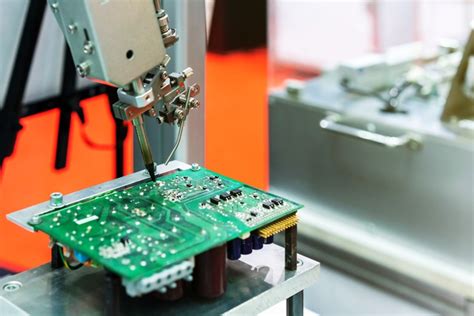
Moreover, utilizing a soldering station with adjustable temperature settings can not only improve the quality of your joints but also protect sensitive components from heat damage. Work surfaces that are anti-static help prevent damage to electrical components, making them critical in any pcb assembly environment. For those delving into more advanced techniques, a reflow oven can streamline the process further by allowing multiple components to be soldered simultaneously, enhancing overall efficiency.
Incorporating the right tools into your pcba process guarantees not only quality but also contributes to reducing time spent on assembly tasks. This focused approach ensures that both novice and experienced assemblers can achieve optimal results, tailoring their setups to suit specific project requirements while maintaining high standards throughout the production cycle. Familiarity with these essential tools enables assemblers to troubleshoot issues effectively and adapt to various assembly challenges, reinforcing their skills in PCB technology.
Step-by-Step Techniques for Efficient Assembly
When embarking on the journey of PCB assembly, it is essential to follow a structured approach that ensures each component is placed accurately and securely. One of the most crucial techniques in this process involves meticulously preparing the circuit board, which includes ensuring cleanliness and proper alignment. Begin by gathering all the required components and tools, as having everything at hand allows for smoother execution. Then, utilize a soldering technique that best suits your project, whether it is through hand soldering or using a reflow oven for more complex assemblies.
As you progress through your pcba project, applying proper techniques in positioning components is vital. This can be achieved by investing time in practicing effective component insertion methods, such as pick-and-place systems for automated assembly or careful manual insertion for smaller or more intricate boards. Pay close attention to thermal management during soldering – overheating can damage components and compromise the integrity of your board.
In addition to these methods, familiarity with current industry standards enhances efficiency during the assembly process. Utilizing best practices such as integrating automated inspections can significantly reduce errors while ensuring quality control throughout the assembly stages. Thus, implementing these step-by-step techniques will not only streamline your workflow but also enhance the performance and reliability of your final product in any circuit board assembly project.
Common Challenges in Circuit Board Assembly and Solutions
In the complex world of pcb assembly, several common challenges can arise, often impacting the efficiency and quality of the final product. One frequent issue is component misalignment, which can lead to connectivity problems and affect overall functionality. Implementing precise mounting techniques and utilizing tools such as pick-and-place machines can significantly reduce this risk.
Another challenge is related to soldering defects, which may arise due to inadequate heat application or improper solder material. To counteract this, employing a solder paste inspection process and adopting a thorough training program for operators can ensure consistency in assembly standards.
Also, design for manufacturability (DFM) issues can complicate the production process of pcba. Using simulation tools during the design phase helps identify potential manufacturing challenges early on, allowing teams to make necessary adjustments before assembly begins.
Lastly, managing supply chain disruptions can be a significant hurdle in timely pcb assembly. Diversifying suppliers and maintaining inventory buffers are effective strategies for mitigating risks associated with component shortages.
To illustrate these challenges and their corresponding solutions effectively, the table below summarizes key issues identified in circuit board assembly along with best practices to overcome them:
| Challenge | Impact | Solution |
|---|---|---|
| Component Misalignment | Connectivity issues | Use precise mounting techniques |
| Soldering Defects | Malfunctioning boards | Conduct solder paste inspections |
| DFM Issues | Increased production costs | Utilize design simulation tools |
| Supply Chain Disruptions | Delayed project timelines | Diversify suppliers and maintain buffers |
By understanding these common challenges in pcb assembly and implementing these solutions, manufacturers can significantly enhance their efficiency and improve the overall quality of their circuit board projects.
Best Practices for Quality Control in PCB Projects
Ensuring the highest quality in PCB assembly is crucial for the success and reliability of electronic devices. Implementing robust quality control measures at various stages of the production process can significantly minimize errors and defects. First and foremost, it is essential to establish a stringent inspection protocol for all materials used in the pcba process. This includes verifying the specifications of components, checking for any visible damage, and ensuring that suppliers adhere to industry standards.
Moreover, utilizing automated optical inspection (AOI) systems can enhance the accuracy of quality assessments, allowing for quick identification of soldering issues or misaligned components on the circuit board. Regular training and skill development for operators involved in pcb assembly are paramount in maintaining consistent quality throughout production; well-trained personnel can detect potential issues before they escalate into more significant problems.
Additionally, implementing a testing phase post-assembly, such as functional or in-circuit testing, serves as an integral step to verify that each unit operates according to design specifications. Finally, documenting all inspection results and adhering to traceability procedures will provide valuable insights for continuous improvement. By integrating these best practices into your workflow, you will not only enhance the reliability of your pcba projects but also minimize costs associated with troubleshooting and rework down the line.
Advanced Techniques for High-Density Circuit Board Assembly
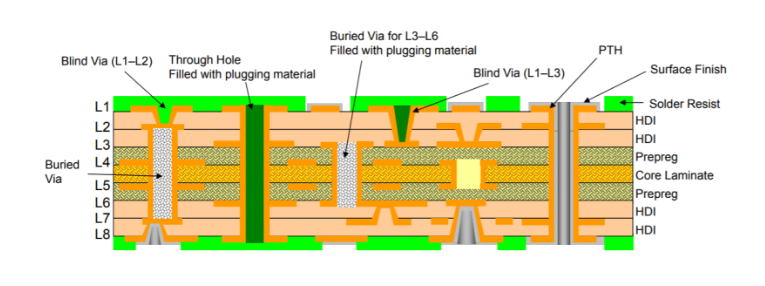
In the realm of pcb assembly, especially for high-density applications, the techniques employed must adapt to accommodate the compact nature of modern designs. Utilizing advanced techniques helps streamline the pcba process by minimizing errors and maximizing efficiency. One critical approach is the adoption of automated assembly machines that incorporate advanced vision systems, enabling precise placement of components with extreme accuracy. This is particularly advantageous in high-density pcb assembly where space constraints require components to be fitted densely without sacrificing quality or reliability.
Moreover, implementing a thorough process of thermal management is essential, as compact designs often lead to heat accumulation. Techniques such as thermal vias and copper pours can be employed to dissipate heat effectively. Additionally, using flexible printed circuit boards (FPCBs) allows for creative layouts that maintain connectivity while following contours and curves in chassis designs, therefore optimizing space utilization.
Parallel to these strategies, using a well-defined test strategy before final assembly can significantly reduce the risk of defects. By integrating design for testability (DFT) principles early in the design phase, engineers can ensure that critical areas are easily accessible for post-assembly testing. Such practices not only enhance product reliability but also contribute to smoother production workflows in high-density pcb assembly setups.
In conclusion, embracing these advanced techniques not only improves the quality and durability of the end product but also paves the way for innovative designs as technology progresses. As manufacturers refine their processes to meet emerging challenges in high-density circuit board assemblies, staying abreast of developments will be crucial for those involved in this dynamic field.
Troubleshooting Tips for Successful PCB Projects
Troubleshooting is an essential aspect of PCB assembly that can significantly impact the success of your projects. Whether you’re a novice or an experienced professional, encountering issues during the PCBA process is common. Understanding some effective troubleshooting techniques can streamline your efforts and lead to more reliable results. First, ensure that you are using high-quality components and double-check their specifications against your design. A frequent cause of failure in circuit board assembly lies in component mismatches or incorrect placements. Next, focus on the soldering process; defective solder joints can lead to intermittent connections, so make sure to inspect these carefully. Utilizing a multimeter can help you identify faulty connections by testing continuity throughout the board.
Moreover, it’s prudent to maintain a clean workspace and properly labeled components to avoid mix-ups that could impede your pcba process. If you face unexpected behavior from your board, review your design files against the fabricated PCB for discrepancies—mistakes during the initial file preparation are often regrettably overlooked in later stages. Additionally, employing thermal imaging tools can reveal overheating components or areas on the board that may require more attention. By following these troubleshooting tips diligently, you will bolster the quality and performance of your circuit board assembly, ultimately leading to greater success in your electronics projects.
Future Trends in Circuit Board Assembly Technology
The landscape of pcb assembly is evolving rapidly, driven by advancements in technology and increasing demands for efficiency and quality. One of the most significant trends is the integration of automation in the pcba process. Automated assembly lines are becoming commonplace, allowing for faster production rates and reduced human error. In addition, the rise of artificial intelligence is facilitating smart machines that can learn from previous assembly runs to optimize processes, enhancing overall productivity.
Another noteworthy trend is the continuous push towards miniaturization, leading to innovations in high-density circuit board assembly techniques. As electronic devices become smaller and more powerful, manufacturers are developing smaller components that allow for an increased number of circuits on a single board. This trend not only improves functionality but also opens up new possibilities for complex device designs.
Sustainability is also gaining prominence within pcb assembly practices. Companies are increasingly focusing on using eco-friendly materials and processes, which include reducing waste and energy consumption during production. The shift towards greener practices reflects a broader societal emphasis on environmental responsibility.
Lastly, advancements in testing technologies are enhancing quality control measures across the industry. New non-invasive methods allow for real-time diagnostics during the pcba process, ensuring that potential issues are identified and resolved quickly, ultimately leading to a more reliable product.
In summary, as technology evolves, so does circuit board assembly, with these trends promising to shape the future of electronics manufacturing significantly.
Conclusion
In summary, mastering PCB assembly is crucial for the successful execution of any electronic project. Understanding the intricacies of pcba not only enhances operational efficiency but also contributes to the overall quality of the end product. By leveraging essential tools and equipment, employing effective techniques, and adhering to best practices, enthusiasts and professionals alike can navigate through the complexities of circuit board assembly with greater confidence. Moreover, staying informed about common challenges and their corresponding solutions empowers individuals to proactively address potential setbacks during the assembly process. As we look towards future trends in circuit board assembly technology, continuous learning and adaptation will remain key components in optimizing both performance and output. Ultimately, a well-mastered approach to pcb assembly can lead to innovative solutions and remarkable advancements in the electronics field.
FAQs
Q: What is pcb assembly?
A: PCB assembly (PCBA) is the process of connecting electronic components to a printed circuit board (PCB) to create a functional electronic device.
Q: What tools are essential for circuit board assembly?
A: Key tools for pcb assembly include soldering irons, reflow ovens, pick-and-place machines, and inspection equipment to ensure quality.
Q: How can I troubleshoot common issues in pcb assembly?
A: Common troubleshooting techniques involve checking for cold solder joints, ensuring proper component placement, and validating connections with a multimeter.
Q: What are the advantages of outsourcing pcb assembly?
A: Outsourcing pcba can lead to cost savings, access to specialized expertise, and faster production times due to established processes.
Q: How do I ensure quality control in my pcba projects?
A: Implementing rigorous testing protocols throughout the pcb assembly process and adhering to industry standards ensures higher product quality and reliability.