Mastering Circuit Board Design and Manufacturing: A Complete Guide
Key Takeaways
Understanding circuit board design and manufacturing is crucial for anyone involved in the electronics industry. One of the fundamental aspects is the pcb manufacturing process, which encompasses everything from selecting high-quality components to ensuring a smooth assembly process. When you consider partnering with pcb manufacturing companies, it’s essential to evaluate their expertise and capabilities, as these factors significantly influence the overall quality and reliability of your final product. Remember that the pcb manufacturing cost can vary widely based on a multitude of factors, including the complexity of the design, materials used, and volume of production. By strategically managing your pcb manufacturing business, you can enhance efficiency while minimizing costs. Keeping abreast of best practices will help you navigate common challenges in circuit board production and achieve an effective workflow that leads to higher performance in your designs. Whether you’re a novice or an experienced professional, focusing on these key takeaways will set a solid foundation for success in this dynamic field.
Introduction to Circuit Board Design
Understanding circuit board design is crucial for anyone involved in the electronics industry. As you embark on this journey, bear in mind that pcb manufacturing is at the heart of creating efficient and reliable electronics. You’ll discover that selecting the right components is vital not just for performance but also for controlling the pcb manufacturing cost. If you are considering entering the field, knowing how to evaluate different pcb manufacturing companies will help you make informed decisions.
A foundational aspect of circuit board design involves recognizing how your choices impact not only functionality but also production efficiency. This is especially important if you’re contemplating starting your own pcb manufacturing business. By grasping the intricacies of design and understanding best practices from prototyping to final assembly, you will lay down a strong base for future success in the field. From here, it is imperative to dive deeper into key components and processes that can elevate your designs and establish your brand in a competitive market.
For further insights into effective circuit board solutions, visit Andwin PCBA.
Key Components in Circuit Board Manufacturing
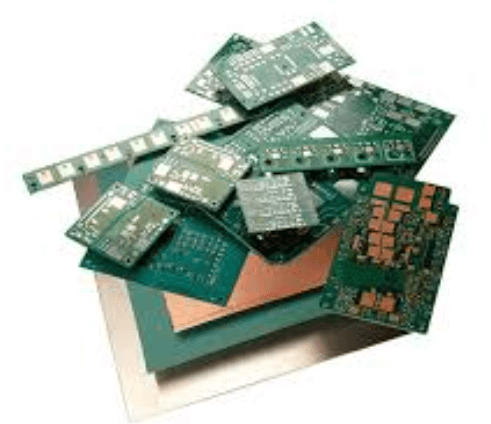
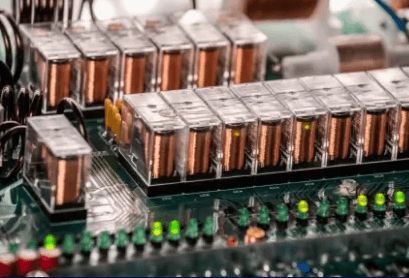
In pcb manufacturing, understanding the key components is crucial for creating high-quality printed circuit boards that meet both functionality and performance standards. The primary elements include the substrate, which provides the board structure and insulation, typically made from materials like FR-4 or polyimide. Next, you have the circuitry itself, which consists of conductive paths made from copper, allowing electrical signals to flow between components. The components that get mounted onto this board, such as resistors, capacitors, and integrated circuits (ICs), are vital since they dictate the overall functionality of your circuit.
When dealing with pcb manufacturing costs, proper selection and sourcing of these components can greatly influence your budget. Partnering with reputable pcb manufacturing companies not only ensures you receive quality components but also helps streamline your pcb manufacturing business processes. Additionally, soldering materials used for assembly play a significant role in providing reliable electrical connections while also affecting repair and serviceability down the line.
Incorporating advanced technologies like surface mount technology (SMT) into your manufacturing process can optimize space and increase efficiency – key factors in succeeding within the competitive landscape of pcb manufacturing. By focusing on these elements, you set a solid foundation for effective circuit board design and enhance your overall production capability.
The Design Process: From Concept to Prototype
Embarking on the journey of PCB manufacturing starts with a well-defined design process, transitioning smoothly from your initial concept to a tangible prototype. At this stage, it’s crucial to outline the specifications and functional requirements of your circuit board. You’ll want to assess the pcb manufacturing cost early on, as choosing materials and components wisely can significantly affect your budget. Engaging with reputable pcb manufacturing companies will provide insights into the most suitable materials that can serve your project needs while optimizing costs.
When selecting components, focus on quality and compatibility; this decision directly impacts performance. Use advanced design software to create schematics and layout designs that reflect these specifications accurately. Remember: attention to detail in this phase reduces errors during assembly, which can otherwise escalate costs and efforts in later stages of the pcb manufacturing business.
“A well-organized design phase is half the battle won; invest the necessary time here.”
Prototyping is an essential next step, enabling you to validate your design against real-world conditions. Collaboration with manufacturers during this stage can reveal practical challenges that may not have been obvious initially. Seek feedback from both engineers and assemblers—this collaboration often unveils innovative solutions that enhance your circuit board’s efficiency.
In summary, investing effort into mastering this phase will set a strong foundation for successful PCB manufacturing, streamlining subsequent processes while ensuring high quality in the end product. By focusing on these critical aspects, you position yourself for success in today’s competitive landscape.
Best Practices for Efficient PCB Assembly
Efficient PCB assembly is crucial in the realm of pcb manufacturing, as it directly impacts the overall performance and reliability of the final product. To optimize your assembly process, consider the following best practices:
Component Selection: Choose high-quality components from reputable pcb manufacturing companies. This can significantly reduce failure rates and enhance functionality. Pay attention to component specifications and ensure they are compatible with your design.
Design for Assembly (DFA): Incorporate DFA principles in your design process to simplify assembly procedures. This involves minimizing part count, optimizing layout for easy access, and ensuring components are appropriately spaced.
Prototype Testing: Before committing to full-scale production, invest in prototype testing. This allows you to identify potential assembly issues early on and adjust your designs accordingly, which can ultimately reduce the pcb manufacturing cost.
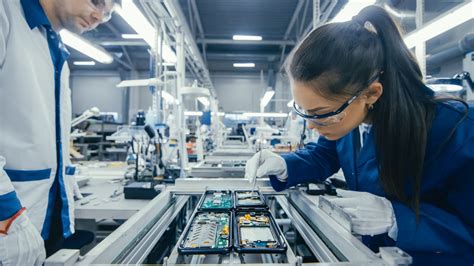
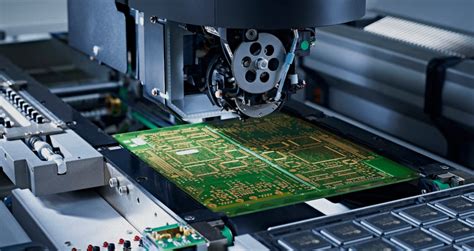
Automation: Utilize automated assembly equipment where feasible. Automation not only accelerates the assembly process but also enhances precision and reduces human error.
Quality Control Measures: Implement stringent quality control measures throughout the assembly process to detect any defects early on. This includes regular inspections, testing, and following industry standards.
Supplier Collaboration: Maintain close collaboration with your suppliers for timely delivery of components, which is essential for preventing delays in your pcb manufacturing business operations.
| Practice | Description |
|---|---|
| Component Selection | Opt for high-quality parts from reliable suppliers |
| Design for Assembly (DFA) | Simplify designs to facilitate easier assembly |
| Prototype Testing | Validate designs before full-scale production |
| Automation | Increase efficiency through automated processes |
| Quality Control Measures | Regular inspections to ensure product integrity |
| Supplier Collaboration | Work closely with suppliers for timely component delivery |
By embracing these best practices, you can achieve a more efficient PCB assembly process that not only enhances product quality but also effectively manages costs associated with pcb manufacturing.
Troubleshooting Common PCB Design Issues
When it comes to pcb manufacturing, various challenges can arise during the design phase that can impact the overall outcome of your project. One common issue is signal integrity, which can be affected by improper trace routing. Ensure that your traces are designed with appropriate widths and materials, as this will help maintain power distribution and minimize noise interference. Additionally, pay attention to component placement; poorly arranged components can lead to thermal issues and complicate the assembly process, impacting the efficiency of your pcb manufacturing business.
Another challenge you might face is fabrication limitations, which are often dictated by the capabilities of your chosen pcb manufacturing companies. It is vital to have an understanding of these limitations early on in the design process so that you can optimize your layout accordingly. For example, tight spaces may necessitate smaller vias or advanced layer stacking techniques, which in turn may affect the overall pcb manufacturing cost.
Lastly, always perform a thorough review of your design files before proceeding to prototyping; a diligent check can save valuable time and resources. Look for any inconsistencies or errors that might lead to costly adjustments during production phases. Addressing these common issues proactively will not only streamline operations but also greatly enhance the reliability and performance of your circuit boards in their intended applications.
Innovations in Circuit Board Technology
The landscape of pcb manufacturing is continually evolving, driven by advancements that aim to enhance both efficiency and functionality. One of the most notable innovations is the integration of automation in the pcb manufacturing process, which helps reduce errors and improves production speed. By incorporating automated systems, you can significantly minimize pcb manufacturing costs while maximizing output quality. Another exciting trend is the adoption of new materials, such as flexible substrates, which allow for the creation of flexible PCBs that can be incorporated into unique applications like wearables and compact devices. Additionally, advancements in design software have led to more sophisticated design techniques, enabling you to simulate complex layouts and troubleshoot potential issues before moving into production.
Moreover, pcb manufacturing companies are increasingly focusing on sustainability by developing eco-friendly processes and materials. This aligns with broader industry trends toward reducing environmental impact while still delivering high-performance products. When considering starting a pcb manufacturing business, staying abreast of these innovations ensures that you remain competitive and can offer cutting-edge solutions tailored to your clients’ needs. As you navigate these advancements, it’s essential to be proactive about adopting emerging technologies, as they will likely dictate the future landscape of circuit board design and manufacturing.
Future Trends in PCB Manufacturing
As you delve into the future of PCB manufacturing, several exciting trends are shaping the landscape. The rise of automation in PCB manufacturing companies is revolutionizing production, leading to enhanced efficiency and reduced costs. Utilizing advanced technologies such as artificial intelligence and machine learning, these companies can optimize their operations and minimize PCB manufacturing costs by streamlining processes from design to assembly. Furthermore, the push towards miniaturization continues to dictate design choices; you might notice an increasing demand for smaller yet more complex PCBs that pack functionality into tighter spaces. The integration of sustainable practices is also gaining momentum, as companies explore eco-friendly materials and processes to meet regulatory standards and consumer preferences. This shift not only benefits the environment but can also create a competitive edge for your PCB manufacturing business. By staying ahead of these trends, you can position yourself for success in a rapidly evolving market that values innovation and sustainability in circuit board design and production.
Conclusion: Ensuring Quality and Performance in Circuit Boards
In the realm of pcb manufacturing, ensuring quality and performance is paramount to the success of any project. As you delve into the intricacies of pcb manufacturing, it becomes evident that every step—from the selection of components to the final assembly—significantly impacts the overall functionality and reliability of your circuit board. It is vital that you collaborate closely with reputable pcb manufacturing companies that prioritize quality control measures, rigorous testing, and adherence to industry standards. This collaboration not only helps mitigate potential issues but also lowers your overall pcb manufacturing cost by preventing costly reworks or defects. When embarking on a pcb manufacturing business, it is crucial to invest time in understanding these elements thoroughly. A proactive approach can enhance your capability to deliver superior products efficiently while meeting your clients’ specifications. By staying informed about the latest innovations in circuit board technology, you can ensure that your designs are not only functional but also positioned for future advancements. Ultimately, focusing on quality throughout the manufacturing process will set a strong foundation for enduring success in this competitive field.
Conclusion: Ensuring Quality and Performance in Circuit Boards
In navigating the complex world of pcb manufacturing, it becomes evident that maintaining high standards of quality and performance is essential for your projects. The pcb manufacturing process involves several stages, each demanding attention to detail to ensure the end product meets the required specifications. Selecting the right pcb manufacturing companies is crucial, as their expertise can significantly impact the functionality of your circuit boards. You must also be mindful of the pcb manufacturing cost, as this can affect your overall budget and project timeline. Engaging with established pcb manufacturing businesses allows you to tap into their experience and innovative solutions, which can lead to more efficient designs and production techniques. Always stay updated on best practices and emerging technologies within the industry, as these can provide valuable insights that enhance both quality and performance in your circuit boards. By prioritizing these factors, you set a solid foundation for sustainable success in your endeavors within the realm of pcb manufacturing.
FAQs
What is pcb manufacturing?
PCB manufacturing refers to the process of creating printed circuit boards, which are vital components in electronic devices. This process involves several steps, including designing the board layout, selecting appropriate materials, and fabricating the final product.
How can I choose a reliable pcb manufacturing company?
To select a trustworthy pcb manufacturing company, consider factors such as their experience in the industry, client reviews, and the range of services they offer. It’s also beneficial to inquire about their quality control measures and production capabilities.
What influences pcb manufacturing cost?
The pcb manufacturing cost can be affected by several variables, including the complexity of the design, material choices, board size, and the volume of production. Understanding these factors can help you budget effectively for your projects.
Is it possible to start a pcb manufacturing business with limited resources?
Starting a pcb manufacturing business with limited resources is challenging but feasible. Focus on defining your niche market, investing in essential equipment, and building relationships with suppliers to enhance your capabilities gradually.