Mastering Circuit Board Production: Innovations and Insights for Modern Electronics
Key Takeaways
In the realm of pcb manufacturing, it is crucial to understand the intricate processes that govern the production of circuit boards. By familiarizing yourself with the unique challenges and solutions provided by pcb manufacturing companies, you can enhance your approach and strategies in this competitive market. Effective design practices pave the way for innovative solutions while keeping production efficiency in check. You will benefit from recognizing how pcb manufacturing cost can be optimized through advanced technologies, which not only streamline production but also ensure that quality is never compromised. Additionally, becoming acquainted with the latest advancements in manufacturing can empower your pcb manufacturing business to tackle obstacles head-on, allowing you to adapt swiftly to ever-evolving market demands. By integrating these insights into your workflow, you position yourself to contribute significantly to a dynamic industry where innovation and quality are paramount.
Introduction to Circuit Board Production
In today’s rapidly evolving technological landscape, understanding the pcb manufacturing process is essential for professionals in the electronics industry. The intricate world of pcb manufacturing begins with meticulous design and planning, where engineers create layouts that cater to the specific needs of electronic devices. As you delve deeper into the pcb manufacturing business, you will encounter a variety of pcb manufacturing companies that utilize innovative techniques and advanced technologies to streamline production. It is crucial to recognize that the pcb manufacturing cost can significantly impact your project’s budget, prompting manufacturers to adopt strategies that enhance efficiency and minimize expenses. With a growing emphasis on quality and performance, navigating this complex process can present challenges; however, staying abreast of current innovations and best practices can empower you to optimize your approach effectively. The journey through pcb manufacturing not only entails understanding the technology but also embracing a mindset of continuous improvement, setting the stage for future advancements in electronics.
Key Processes in Circuit Board Manufacturing
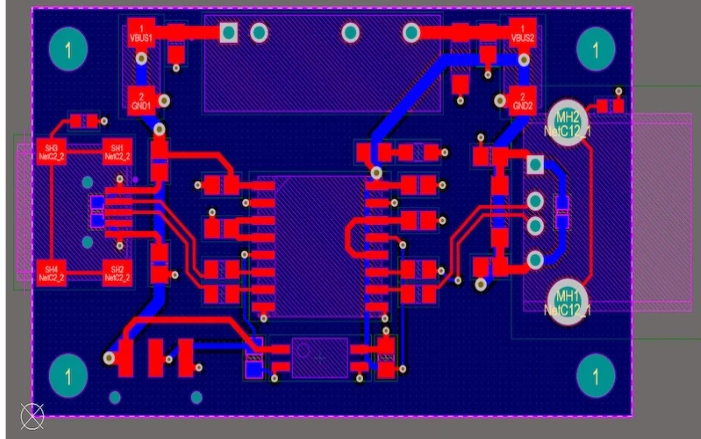
Understanding the key processes in circuit board manufacturing is essential for anyone involved in the pcb manufacturing business. You start with design, where the layout of the electronic circuits is created. This is followed by material selection, which involves choosing suitable substrates and conductive materials that meet both electrical and thermal requirements. Next comes etching, a crucial step where unwanted copper is removed to form the circuit patterns on the board.
Drilling is another significant process that allows for the creation of holes for pins and vias, essential for component placement and interconnections. After drilling, the application of solder mask protects exposed copper from oxidation while ensuring reliable solder joints. The final steps include screen printing the silkscreen layer, which provides indicators to assembly personnel, and performing final assembly, which integrates various components onto the board.
Each of these steps has an impact on pcb manufacturing cost. Therefore, it is vital for you to remain aware of how efficiencies can be introduced at each stage to avoid unnecessary expenses. Collaborating with reputable pcb manufacturing companies can provide insights into best practices that contribute to quality and consistency. By focusing on these core processes, you not only enhance your production capabilities but also position your business competitively in a challenging market.
| Process | Description | Impact on Cost |
|---|---|---|
| Design | Creation of circuit layout | Initial investment |
| Material Selection | Choosing appropriate substrates | Affects overall cost |
| Etching | Removal of unwanted copper | Precision affects waste |
| Drilling | Creation of connection holes | Time efficiency |
| Solder Mask Application | Protecting copper from oxidation | Reduces defects |
| Screen Printing | Adding indicators for assembly | Enhances clarity |
| Final Assembly | Integrating components onto the board | Completes production |
By mastering these processes, you contribute significantly to improving your overall production efficiency and effectiveness in today’s evolving electronics landscape.
Innovations in Circuit Board Design
The landscape of pcb manufacturing is constantly evolving, driven by the need for efficiency and adaptability in an ever-changing market. When you consider the competitive advantage gained through innovative pcb manufacturing technologies, it becomes clear that staying updated with the latest design practices is essential. Modern circuit board design emphasizes modularity and scalability, allowing for easier updates and integration of advanced features without a complete overhaul of existing systems. Collaborating with leading pcb manufacturing companies can provide invaluable insights into adopting these state-of-the-art design methodologies.
Furthermore, incorporating advanced simulation tools can significantly reduce the pcb manufacturing cost, as they allow for thorough testing and validation before physical production begins. This not only mitigates risks but also streamlines your production timeline, enabling faster response to market demands. To enhance your operation, it is advisable to regularly review supplier partnerships and technological resources that foster innovation.
“Embrace change as an opportunity to enhance your processes and products.”
By prioritizing innovation in your pcb manufacturing business, you will be better positioned to address challenges, drive quality improvements, and ultimately meet customer expectations effectively. As you explore new avenues for design trends, consider investing in training that equips your team with fresh perspectives on both traditional and emerging methodologies. Remember, the ability to adapt swiftly can set you apart in a crowded marketplace while substantially impacting your bottom line.
Advanced Manufacturing Technologies in PCB Production
In the realm of PCB manufacturing, the utilization of advanced manufacturing technologies is crucial for staying competitive and meeting customer demands. As you explore the landscape of PCB manufacturing companies, you’ll discover that innovations such as surface mount technology (SMT) and flexible circuit boards are transforming traditional practices. These advancements not only enhance operational efficiency but also significantly lower PCB manufacturing costs by streamlining the production process. For example, automated assembly lines equipped with precision robotics allow for faster and more accurate placements of components, which reduces labor costs and minimizes errors. Moreover, incorporating design-for-manufacturing (DFM) principles can lead to optimized designs that further streamline your PCB manufacturing business practices. You will also benefit from employing technologies like 3D printing for prototypes, which accelerates the development timeline and enhances flexibility in design iterations. As you navigate these advancements, leveraging resources from established players in the market can provide insights that help you effectively scale your operations. You might consider visiting Andwin to explore state-of-the-art facilities that implement these cutting-edge technologies, allowing you to remain at the forefront of advanced PCB manufacturing.
Quality Assurance Measures for Enhanced PCB Performance
In the realm of PCB manufacturing, ensuring the highest standards of quality is paramount for achieving optimal performance. As you delve into the intricacies of PCB manufacturing companies, it becomes clear that a robust quality assurance (QA) framework is essential. To begin with, implementing strict inspection protocols at various stages of production allows for early detection of potential defects, thereby minimizing waste and enhancing efficiency. Among the techniques employed, automated optical inspection (AOI) stands out, providing rapid and accurate analyses of printed circuit boards, ensuring that they meet exact specifications.
Furthermore, you may consider integrating real-time data analysis into your pcb manufacturing business model. By utilizing data analytics tools, you can monitor critical processes and identify trends or anomalies that may affect product quality. This proactive approach not only cuts down on pcb manufacturing costs by reducing the likelihood of rework but also reinforces customer trust in your products.
Adopting stringent standards such as IPC-A-610 can also significantly bolster your QA measures. This industry-recognized standard specifies the acceptable criteria for electronic assemblies, giving you a benchmark against which to assess your boards. As you navigate challenges in your production environment, fostering a culture of continuous improvement will serve as an invaluable asset—encouraging all team members to contribute ideas toward enhancing your QA practices.
Ultimately, prioritizing quality assurance in pcb manufacturing not only safeguards performance but also positions your business favorably in a highly competitive market. By emphasizing rigorous QA processes, you ensure that every circuit board produced stands up to client expectations and industry standards.
Overcoming Challenges in Circuit Board Manufacturing
In the realm of pcb manufacturing, you encounter numerous challenges that can hinder the production process. Complexity in design, material sourcing, and meeting stringent quality standards often complicate operations. As you navigate through these challenges, it’s essential to adapt and innovate. For instance, collaborating with pcb manufacturing companies that utilize advanced technologies can significantly enhance your production efficiency. Implementing automation tools not only reduces errors but also optimizes time management, which is crucial for meeting delivery deadlines.
Additionally, understanding the pcb manufacturing cost is vital to maintaining a profitable business model. By identifying areas where costs can be minimized—such as selecting economical materials or improving waste management—you can ensure that your pcb manufacturing business remains competitive in today’s dynamic market. Moreover, investing in training for your workforce can cultivate a culture of excellence and reduce the likelihood of defects during production. Therefore, embracing these strategies allows you to overcome obstacles and achieve success in circuit board production, ensuring you remain at the forefront of technological advancements and market demands.
Cost Reduction Strategies for PCB Production
In today’s competitive landscape of pcb manufacturing, understanding effective cost reduction strategies is essential for staying ahead. You must consider several approaches to lower pcb manufacturing costs while maintaining quality and performance. One critical strategy involves selecting the right materials and components; opting for suppliers that offer the best balance between cost and reliability can significantly impact your overall expenses. Furthermore, embracing automation in your production processes allows for streamlined operations, reducing labor costs while enhancing precision. Collaborating with pcb manufacturing companies that have a proven track record of efficiency can also offer valuable insights and techniques for optimizing your production workflow.
Additionally, implementing robust inventory management practices helps in minimizing waste and ensuring that you only procure materials as needed. You should also analyze your pcb manufacturing business processes regularly to identify bottlenecks or inefficiencies that could be costing you money. By investing in training your workforce on new technologies and techniques, you not only enhance productivity but also foster a culture of continuous improvement within your organization. Adopting these strategies will empower you to navigate the challenges of fluctuating market demands while achieving sustainable cost efficiencies in circuit board production.
The Future of Circuit Board Production: Trends and Predictions
As you navigate the evolving landscape of pcb manufacturing, it’s essential to stay informed about the latest trends and predictions that will shape the industry. The integration of smart technologies and automation is making a significant impact on how pcb manufacturing companies operate. With the rise of Internet of Things (IoT) devices, there’s an increasing demand for high-density interconnects and flexible circuitry. This trend is pushing manufacturers to adopt more sophisticated manufacturing technologies to meet these needs while balancing pcb manufacturing costs. Additionally, advancements in materials science are paving the way for the use of lighter, more durable substrates that enhance performance and reliability in various applications.
In parallel, sustainability is becoming a driving force behind many corporate strategies within the pcb manufacturing business. Manufacturers are exploring eco-friendly materials and processes to minimize their environmental footprint, responding not just to regulatory pressures but also to growing consumer demand for greener products. Overall, by embracing these trends—be it through technological innovation or sustainable practices—you can position yourself ahead in a competitive market that continually seeks efficiency, quality, and cost-effectiveness. The future of pcb manufacturing holds immense possibilities, making it crucial for you to adapt and innovate in this dynamic environment.
Conclusion
In the world of pcb manufacturing, understanding the intricate processes involved is essential for success. You will find that pcb manufacturing companies are increasingly adopting innovative approaches to enhance their production capabilities. Focusing on advanced techniques not only improves the efficiency of the pcb manufacturing business but also allows for better management of pcb manufacturing costs. By employing cutting-edge technologies, such as automation and real-time monitoring, you can significantly reduce errors and improve product quality. Moreover, acknowledging the challenges specific to this industry enables you to develop robust strategies that maximize output while minimizing financial strain. As you continue to navigate through the evolving landscape of electronics production, embracing innovation and continual improvement will be your best allies in optimizing your pcb manufacturing processes and meeting the dynamic needs of today’s market.
FAQs
When it comes to pcb manufacturing, many professionals have questions regarding the intricacies and best practices involved. For instance, you might be curious about what factors significantly influence the pcb manufacturing cost. Understanding the relationship between design complexity, material selection, and production volume can provide clarity on why costs vary among different pcb manufacturing companies. Additionally, if you’re considering starting a pcb manufacturing business, it’s crucial to assess your target market and identify innovative solutions that can set you apart from competitors. The integration of advanced technologies is essential in this space; for example, utilizing automation can enhance efficiency while reducing labor costs.
Moreover, many manufacturers deal with challenges in achieving consistent quality throughout production. By implementing stringent quality assurance measures, you can improve your overall output while minimizing defects, thus establishing a strong reputation in the industry. Engaging with industry experts and investing in R&D are invaluable actions that will keep you informed of emerging trends and innovations. These insights not only help in optimizing your existing processes but also prepare you for future demands in the rapidly evolving landscape of electronics.
By continuously adapting to these dynamics, you position yourself and your company for sustained success in pcb manufacturing. Stay informed about breakthrough technologies and evolving practices to remain competitive.