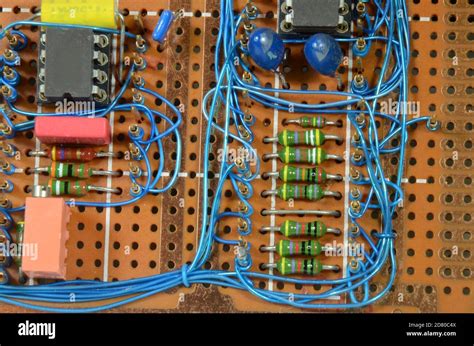
Mastering Circuit Board Prototypes: Unlocking Innovation and Efficiency
Key Takeaways
In your journey towards mastering circuit board prototyping, it’s crucial to understand the significance of effective prototyping in the pcb manufacturing landscape. Emphasizing high-quality prototypes not only improves your product design but also optimizes the overall pcb manufacturing cost. Engaging with reliable pcb manufacturing companies can provide insights into best practices that can streamline your processes, reducing time to market. Rapid turnaround times can significantly impact your efficiency, allowing you to iterate designs quickly and meet demanding schedules without compromising quality. When selecting the right materials and techniques, focusing on a cost-effective approach forms an integral part of establishing a successful pcb manufacturing business. Remember, different types of circuit boards have their own unique applications, and understanding which one suits your project best is fundamental. Ultimately, fostering collaboration with skilled partners ensures that any design refinements are effectively communicated and executed. By navigating these key areas thoughtfully, you will not only enhance your prototyping processes but also position yourself at the forefront of innovation in the electronic design field.
Understanding the Importance of Circuit Board Prototyping
Circuit board prototyping serves as the cornerstone of successful electronic product development. By investing time and resources into pcb manufacturing prototypes, you open the door to innovation while minimizing risks associated with design flaws. The pcb manufacturing cost can significantly impact your budget, but remember that a well-constructed prototype allows for early detection of issues, potentially saving you money in the long run.
Engaging with reputable pcb manufacturing companies can enhance your prototyping experience. These companies offer various services that enable you to refine and optimize your designs, thus improving the overall effectiveness of your pcb manufacturing business. Utilizing effective prototyping techniques not only accelerates production times but also ensures higher quality end products.
Below is a concise table illustrating the key advantages of circuit board prototyping:
| Advantage | Description |
|---|---|
| Risk Reduction | Identifies design issues early in the process |
| Cost Efficiency | Decreases long-term costs by avoiding extensive revisions |
| Enhanced Collaboration | Fosters teamwork between engineers and designers |
| Quick Iteration | Allows rapid testing and modifications for optimal results |
In summary, circuit board prototyping is not just a phase in product development; it is an integral process that paves the way for technological advancement and design excellence.
Key Practices for Developing High-Quality Prototypes
To develop high-quality circuit board prototypes, you should prioritize a few key practices that can significantly enhance your prototyping process. Start by deeply understanding the pcb manufacturing landscape. This knowledge will empower you to select the right materials and design techniques that align with your project requirements. Engaging with reputable pcb manufacturing companies can provide insights into the latest innovations and help to refine your designs before proceeding to production.
Consider implementing rigorous testing protocols at various stages of the prototyping process. Testing will ensure that any flaws are identified early, saving you both time and money during the pcb manufacturing stage, thereby reducing overall pcb manufacturing cost. A successful prototype should not only meet functional specifications but also adhere to safety and reliability standards.
Collaboration is also paramount in achieving optimal outcomes. Leveraging cross-disciplinary teams can lead to creative solutions and innovations that mechanical engineers, electrical engineers, and designers bring together. This collaborative approach minimizes risks associated with miscommunication or oversight in design specifications.
“A successful prototype is not just about quick results; it’s about learning from each iteration to ultimately achieve excellence.”
By fostering a mindset of continuous improvement, you can adopt an iterative design philosophy that focuses on learning from feedback loops within your team or external partners throughout the development process. Remember, every cycle of testing, evaluation, and refinement paves the way for greater efficiency in your pcb manufacturing business, ensuring that what goes into production not only meets but exceeds industry standards.
Rapid Turnaround Times: Maximizing Efficiency in Production
Achieving rapid turnaround times in pcb manufacturing is crucial for enhancing efficiency in your production workflow. When you engage with the right pcb manufacturing companies, you can significantly reduce the time needed for the prototyping phase, allowing faster transitions from concept to market-ready product. Understanding the specific pcb manufacturing cost associated with expedited services can also open avenues for informed decision-making, balancing speed against budget constraints. By leveraging advanced technologies and streamlined processes, these companies are equipped to deliver high-quality prototypes at a faster pace without compromising on performance. This efficiency not only speeds up design iterations but also helps you stay competitive in a crowded marketplace. As you embark on your pcb manufacturing business, consider implementing best practices that prioritize rapid production schedules while ensuring rigorous quality controls. Embracing this approach will empower you to innovate effectively and meet your project deadlines, ultimately leading to success in your electronic design endeavors.
Cost-Effective Manufacturing Techniques for PCB Prototypes
When venturing into pcb manufacturing, it’s essential to explore techniques that can effectively reduce your pcb manufacturing cost without sacrificing quality. One of the primary methods to achieve this is by leveraging advanced production technologies such as automated processes and lean manufacturing principles. These methods minimize waste and can significantly enhance efficiency in your pcb manufacturing business. Collaborating with reputable pcb manufacturing companies is also advisable, as they often have established relationships with suppliers, which can lead to bulk purchasing discounts and reduced material costs. Furthermore, opting for a Design-for-Manufacturing (DFM) approach early in the design phase can streamline production, ensuring that your prototypes are both innovative and economically feasible. By implementing these cost-effective strategies, you position yourself to not only save money but also expedite your prototyping process, ultimately fostering a more robust product development cycle. Embrace these practices to ensure your projects benefit from optimized efficiency while navigating the complexities of circuit board prototyping.
Exploring Different Types of Circuit Boards: Which One to Choose?
When venturing into the realm of circuit boards, it’s crucial to understand the various types available and how they align with your project’s specific requirements. The most common types include single-sided PCBs, which are cost-effective and ideal for simpler designs; double-sided PCBs, offering increased functionality by allowing circuits on both sides; and multi-layer PCBs, suitable for complex applications requiring high circuit density. As you consider pcb manufacturing options, be mindful that each type comes with its own pcb manufacturing cost implications. Depending on your project’s scale, collaborating with reputable pcb manufacturing companies can enhance the quality and efficiency of your prototypes. Evaluating factors like functionality, cost, and performance will guide you towards selecting the ideal circuit board for your needs. Ultimately, choosing the right board not only impacts immediate project outcomes but also contributes to the long-term success of your pcb manufacturing business.
The Role of Collaboration in Design Refinement
In the realm of circuit board prototyping, effective collaboration is pivotal to achieving refined and optimized designs. When you engage with various stakeholders, including engineers, designers, and pcb manufacturing professionals, it opens doors to diverse perspectives that can significantly enhance the design process. This synergy not only accelerates problem-solving but also streamlines your approach to meet industry standards. By working closely with pcb manufacturing companies, you’ll gain insights into the latest technologies and techniques that can be implemented to minimize pcb manufacturing costs. This collaborative environment allows for immediate feedback and iteration, ensuring that any design flaws are addressed early on. Furthermore, understanding the capabilities of your manufacturing partner can lead to innovative adjustments that may otherwise be overlooked. A well-coordinated team will ensure that designs align with production capabilities, thereby enhancing overall efficiency in your pcb manufacturing business. Ultimately, embracing collaboration not only fosters innovation but also propels you toward more successful project outcomes, making it an essential element in the circuit board prototyping journey.
Overcoming Common Challenges in Circuit Board Prototyping
When venturing into pcb manufacturing, you may encounter various challenges that can hinder your prototyping efforts. One common issue is dealing with design flaws that may emerge during the initial testing phase. To tackle this, ensure that you thoroughly review your designs and utilize simulation tools effectively to anticipate potential problems before physical production begins. Another challenge is maintaining cost efficiency amid fluctuating pcb manufacturing costs. Selecting the right pcb manufacturing companies can significantly impact your budget, as well as leveraging online resources to compare prices and services offered. Additionally, the need for rapid iterations often leads to miscommunication between design and production teams, but fostering a collaborative environment where feedback is encouraged can improve outcomes and streamline processes. You should also be aware of varying technology limitations among different pcb manufacturing businesses, as staying informed about capabilities will allow you to make more strategic decisions about material selection and PCB complexity. By addressing these challenges upfront, you can enhance the quality of your prototypes and ensure a smoother development cycle that supports your innovative projects efficiently.
Future Trends in PCB Prototyping and Innovation
As the landscape of pcb manufacturing evolves, you can expect to see a surge in innovative techniques that will reshape how you approach pcb prototyping. With the increasing demand for faster, more efficient designs, companies are investing heavily in the latest technologies. This means that pcb manufacturing companies are leveraging advanced automation and artificial intelligence to streamline production processes, reducing turnaround times dramatically. The implications for you as a developer or designer are profound—enhanced capabilities allow for quicker iterations and a more responsive design cycle. Furthermore, as the costs associated with traditional methods rise, there is a noticeable shift toward adopting cost-effective solutions that support smaller runs without sacrificing quality. This trend emphasizes the importance of understanding various factors influencing pcb manufacturing cost, such as material selection and production techniques. As you navigate this dynamic environment, collaboration will become even more critical; engaging with experts across different fields can lead to groundbreaking insights that drive innovation forward. By staying attuned to these future trends in pcb manufacturing business, you can position yourself at the forefront of technological advancement in your own projects.
Conclusion
In your journey to enhance your projects through effective pcb manufacturing, mastering circuit board prototypes is paramount. By understanding the significance of swift prototyping, you can streamline your designs and significantly reduce the pcb manufacturing cost. The integration of reliable pcb manufacturing companies into your workflow not only boosts efficiency but also facilitates access to innovative techniques and technologies. When selecting a partner in your pcb manufacturing business, consider their capability to adapt to various project requirements, ensuring you make the most informed decisions. As you navigate through the complexities of circuit board prototyping, always keep in mind that collaboration is a key element in refining designs and overcoming obstacles. Embracing these practices will ultimately reveal new horizons for innovation while maximizing your resource allocation. In essence, crafting high-quality prototypes paves the way for both immediate and long-term success in electronic design ventures.
FAQs
When you’re diving into pcb manufacturing, it’s essential to be informed about various aspects that can influence your projects. Many people often wonder about the differences between various pcb manufacturing companies, as each can offer unique benefits and challenges. It’s crucial to choose a company that aligns with your requirements, whether it’s speed, cost, or quality. Understanding the pcb manufacturing cost is also vital since it can directly impact your project’s bottom line. Factors like materials used, complexity of the design, and turnaround times play a significant role in determining these costs.
Many businesses are entering the pcb manufacturing business due to the growing demand for electronic devices. As you explore your options, consider the technological capabilities and expertise of potential manufacturers. Collaborating with the right pcb manufacturing partners can ensure that your prototypes evolve efficiently and meet high standards. Addressing these questions will help you navigate through the complexities of circuit board prototyping while maximizing innovation and efficiency.