Mastering Complex PCB Assembly for Enhanced Electronics Performance
Key Takeaways
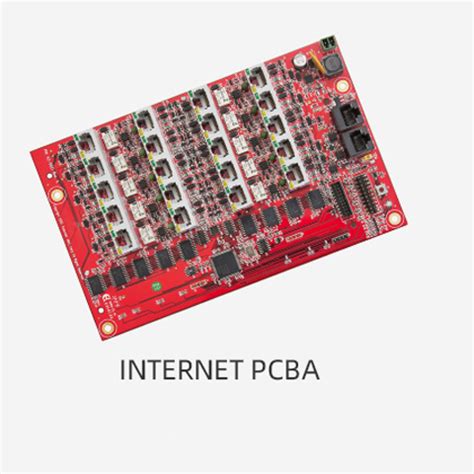
Mastering complex PCB assembly is essential for enhancing the performance of electronic devices. The effectiveness of the PCBA process hinges on a solid understanding of fundamental design principles, enabling engineers to devise boards that not only meet performance expectations but also exceed reliability benchmarks. By employing advanced techniques in complex PCB assembly, professionals can significantly improve the integrity of electronic connections and components. Essential best practices in this realm encompass meticulous documentation, rigorous testing protocols, and staying updated on the latest industry standards. Moreover, identifying and addressing common challenges—such as component placement and thermal management—can streamline production and enhance end-product quality. When troubleshooting issues that arise during PCB assembly, it is vital to apply systematic diagnostic methods that prioritize root cause analysis for effective resolution. In summary, navigating these complexities leads to superior functionality and longevity in electronic projects, exemplifying how a strategic approach to PCBA can propel innovation in electronic design and manufacturing.
Understanding Complex PCB Design: Foundations for Success
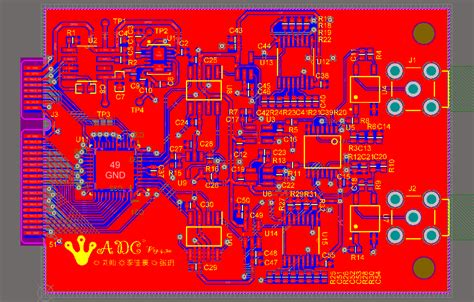
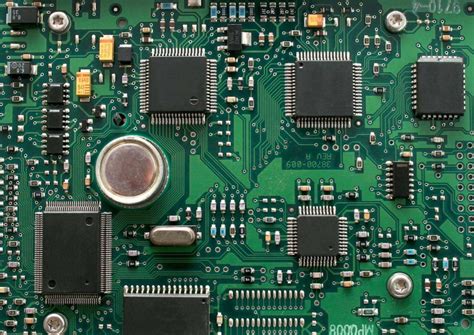
The foundation of any successful PCB assembly is rooted in a deep understanding of complex PCB design principles. While the intricacies of modern electronics have led to the evolution of highly sophisticated circuit boards, mastering these concepts is critical for ensuring optimal performance and reliability. Central to this is the strategic consideration of layer stacking, trace width, and via types, all of which influence the electrical characteristics and mechanical stability of the final product.
A well-thought-out PCBA not only facilitates efficient signal transmission but also helps mitigate potential issues arising from electromagnetic interference (EMI). A significant factor is the selection of appropriate materials, which play a crucial role in enhancing PCB performance. For instance, using high-frequency substrates can minimize losses in signal integrity, ensuring that the assembly meets its intended functionality without compromising quality.
The following table illustrates key elements affecting complex PCB design:
| Element | Impact on Design |
|---|---|
| Layer Count | Determines complexity and routing options |
| Trace Width | Affects current capacity and resistance |
| Via Types | Influences space efficiency and reliability |
| Material Selection | Impacts thermal management and signal integrity |
Integrating these fundamentals not only accelerates the design process but also fosters an environment conducive to innovative solutions. By laying down a strong foundation in complex PCB design, engineers can enhance their capabilities in executing successful pcb assembly projects that meet advanced performance demands. This ensures that each component functions optimally within the tightly packed confines of modern electronics.
Advanced Techniques in Complex PCB Assembly
In the realm of PCB assembly, mastering advanced techniques is crucial for ensuring optimal performance in electronic devices. One effective approach is the implementation of multi-layer designs, which not only increases component density but also improves signal integrity by enabling shorter trace lengths. Additionally, employing automated PCBA processes can enhance precision and reduce assembly time, allowing for more consistent outcomes. When carrying out complex PCB assembly, it’s essential to prioritize thermal management techniques. Utilizing methods such as thermal vias and heat sinks helps dissipate heat effectively, preventing component failure and enhancing overall reliability. Another critical aspect is the choice of soldering methods; selecting between traditional wave soldering and more contemporary techniques like selective soldering can significantly impact the final quality of the assembly. Furthermore, real-time monitoring during the PCBA process can provide insights into potential issues before they escalate, allowing for timely interventions. By integrating these advanced strategies into your complex PCB assembly, you can achieve superior functionality and durability in your electronic projects, ultimately leading to enhanced product performance in the market.
Essential Best Practices for Optimizing PCB Performance
When working on complex PCB assembly (PCBA), adhering to essential best practices can significantly enhance the overall performance of your electronics. One of the primary practices is to ensure precise alignment and placement of components during assembly. Misaligned components can lead to electrical failures and reduced performance, so utilizing automated optical inspection tools is advisable to catch errors early. Additionally, it’s crucial to use high-quality materials that can withstand thermal and mechanical stress, as they play a vital role in maintaining the integrity of the PCB assembly. Incorporating appropriate design techniques, such as signal integrity analysis and thermal management concepts, helps in optimizing both performance and reliability.
Moreover, maintaining cleanliness throughout the PCBA process cannot be overstated; contaminants like dust or flux residues can hinder electrical connectivity, compromising functionality. Implementing stringent testing protocols post-assembly is also a good practice to identify potential issues before deployment, thus ensuring higher reliability in the final product. In summary, focusing on these best practices can facilitate a smoother assembly process and lead to superior functionality in complex electronic projects.
Common Challenges in Complex PCB Assembly and How to Overcome Them
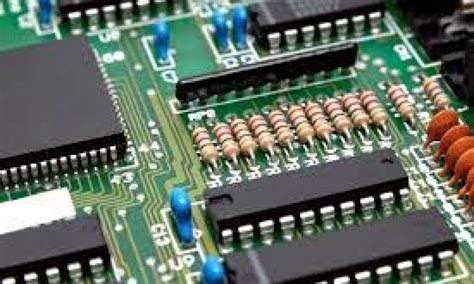
Complex PCB assembly (PCBA) processes face several challenges that can impact the overall performance and reliability of electronic devices. One common hurdle is ensuring proper alignment and orientation of components on the PCB. Misalignment can lead to poor connections, making it imperative to implement precise placement techniques. To aid in overcoming this challenge, it’s beneficial to utilize advanced assembly tools such as automated placement machines that enhance accuracy and speed.
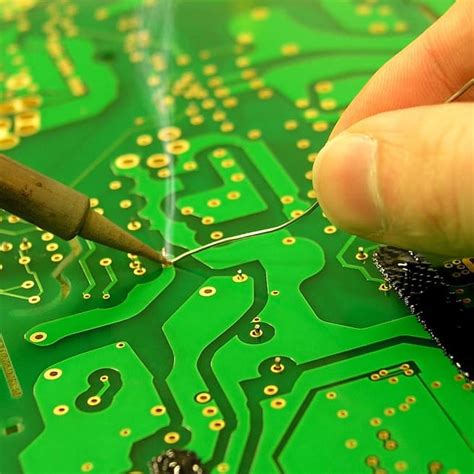
Another significant challenge arises in the soldering process. Achieving a strong solder joint while preventing defects like cold solder joints or bridging requires careful control of temperature and timing. Utilizing techniques such as reflow soldering or wave soldering can mitigate these issues, ensuring stable connections across intricate designs.
“Regular inspections during the assembly process can help identify potential issues early on, saving time and resources in the long run.”
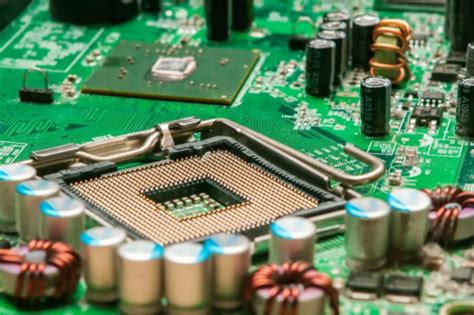
Additionally, managing thermal performance in densely populated boards is critical. Insufficient heat dissipation can lead to component failure. This requires careful design considerations during the layout phase, like incorporating heat sinks or planning for adequate airflow.
Lastly, thorough testing after assembly is vital for validating PCB functionality. Implementing test strategies such as Automated Optical Inspection (AOI) or Functional Testing (FT) is essential to identify any defects that may have occurred during assembly.
Navigating these challenges effectively through strategic planning and advanced techniques will ultimately enhance the overall performance and reliability of your electronic projects in complex PCB assembly processes.
Troubleshooting Tips for Reliable PCB Functionality
Ensuring the reliability of PCB assembly is critical for the overall performance of electronic devices. While engaging in the assembly process, one may encounter several common issues that can hinder functionality, such as connectivity problems, component misalignment, or thermal constraints. To effectively troubleshoot these issues, begin by conducting a thorough visual inspection of the PCBA to identify any obvious defects like solder bridges or incorrect component placements. Implementing a methodical testing approach is essential; utilize multimeters to check continuity and signal pathways.
When issues are detected, please document each step you take—this enables you to pinpoint recurring problems and assess their root causes over time. Additionally, leverage soldering techniques that encompass both manual and automated capabilities; this enhances precision in critical areas of your PCB assembly. When dealing with temperature-related failures, consider adjusting the thermal management strategies in your design phase to ensure optimal heat dissipation.
In line with best practices, maintaining a clean work environment during PCBA processes will minimize contamination that leads to reliability issues. Ultimately, fostering continuous learning and adaptability in your troubleshooting methods will not only improve immediate outcomes but will also contribute to better designs in future projects.
The Role of Materials in Enhancing PCB Performance
When it comes to complex PCB assembly, the choice and quality of materials play a pivotal role in determining the overall performance and reliability of the final product. Different materials used in PCB assembly can significantly affect various electrical and mechanical properties. For instance, the substrate material directly influences signal integrity, heat dissipation, and durability. Advanced materials like high-frequency laminates or thermally conductive substrates help ensure optimal performance in demanding applications where signal loss and delay could lead to device failure. Moreover, the use of appropriate copper thickness can enhance current handling capabilities, impacting electrical efficiency and minimizing resistance. Consequently, selecting suitable materials is essential for achieving superior reliability in PCBA, especially in intricate designs where small variations can lead to substantial performance differences. Proper material selection should also consider factors such as thermal management and environmental resistance, ensuring that the assembly can withstand various operating conditions without compromising functionality. By understanding the critical role that materials play in enhancing PCB performance, designers can make informed decisions that lead to more robust and effective electronic systems.
Future Trends in Complex PCB Assembly Technology
As the demand for more sophisticated electronics continues to grow, the landscape of complex PCB assembly (PCBA) is rapidly evolving. One prominent trend is the increasing integration of advanced automation technologies, which enhance efficiency in the manufacturing process. Automation not only reduces human error but also streamlines production, allowing for quicker turnaround times on complex designs. Additionally, design for manufacturability (DFM) principles are gaining traction, encouraging engineers to create PCBs with ease of assembly in mind from the outset. This results in fewer complications during assembly and enhances overall product reliability.
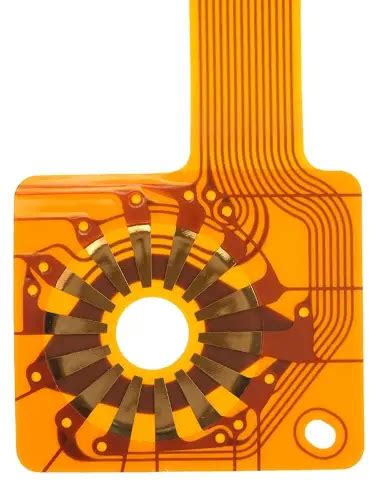
Moreover, there is a significant shift towards sustainability, with manufacturers exploring eco-friendly materials and processes. This includes the use of biodegradable substrates and lead-free solder to minimize environmental impact while maintaining performance standards. Another important trend is the rise of flexible and printed circuit boards (PCBs), which enable innovative form factors in electronic devices, catering to the growing market for wearables and IoT devices.
Collaboration between designers and fabricators has also become essential; as complexity increases, so does the need for close communication throughout the PCB assembly process. Lastly, the implementation of smart manufacturing techniques is being utilized to gather real-time data that monitors performance and quality throughout production, pushing toward a more efficient era in PCBA technology. These trends collectively point toward a future where complex PCB assembly not only meets current demands but also anticipates future challenges in electronics performance and sustainability.
Conclusion
In summary, mastering complex PCB assembly is essential for enhancing the overall performance of electronic devices. By focusing on advanced techniques and best practices, designers and engineers can significantly improve the reliability and functionality of their projects. Furthermore, understanding the role of materials in pcb assembly systems plays a pivotal role in achieving superior outcomes. Emphasizing critical elements such as design strategies, assembly methods, and troubleshooting is vital for overcoming common challenges faced during PCBA processes. As technology continues to evolve, staying informed about future trends in complex PCB assembly will empower professionals to adapt and innovate effectively. Ultimately, a comprehensive approach to these aspects can lead to the development of high-quality electronic products that meet increasing market demands.
FAQs
What is complex PCB assembly?
Complex PCB assembly refers to the intricate process of assembling printed circuit boards (PCBs) that have a high density of components and require advanced assembly techniques to ensure reliable performance. This often includes various surface mount and through-hole components.
Why is it important to optimize PCB performance?
Optimizing PCB performance is crucial because it enhances the overall functionality, reliability, and efficiency of electronic devices. Poorly optimized PCBA can lead to malfunctions, increased power consumption, and shorter device lifespans.
What are some essential best practices for complex PCB assembly?
Some essential best practices for complex PCB assembly include using high-quality materials, ensuring accurate component placement, maintaining cleanliness during the assembly process, and conducting regular inspections throughout production.
How can I troubleshoot common issues in PCBA?
To troubleshoot issues in PCBA, first verify solder joints for potential cold connections or shorts. Next, use a multimeter to check for continuity. Additionally, review your assembly process for any steps that may have been overlooked or improperly executed.
What role do materials play in PCB performance?
Materials significantly influence PCB performance, as their properties affect thermal conductivity, signal integrity, and reliability under various conditions. Selecting the right substrates and finishes is vital for successful complex PCB assembly.