Mastering Control Board Assembly: Tips for Precision and Efficiency
Key Takeaways
Mastering pcb assembly is a crucial skill that can significantly influence the quality and efficiency of your electronic projects. Understanding the core principles of pcba can enhance not only your technical ability but also your ability to troubleshoot common issues that arise during the assembly process. Implementing precise procedures, including the meticulous selection of materials and components, is vital in ensuring that each piece fits together seamlessly. Additionally, familiarizing yourself with essential tools, such as soldering irons and precision multimeters, will further improve your results. Emphasizing quality control practices will help you identify potential faults early, allowing for timely corrections and preventing costly errors down the line. Furthermore, streamlining your assembly workflow through organized workspaces and methodical approaches can lead to greater efficiency. Lastly, don’t overlook the importance of ongoing education; staying updated with advancements in pcb assembly techniques will empower you to push the boundaries of what is possible in your projects.
Understanding the Basics of Control Board Assembly
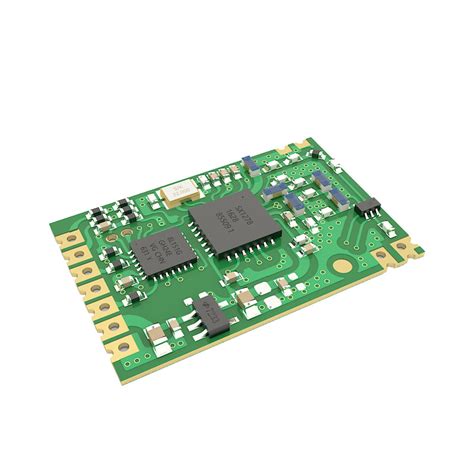
Control board assembly, often abbreviated as PCB assembly or PCBA, stands as a pivotal process in the creation of electronic devices. At its core, this practice involves the mounting and integration of components onto a printed circuit board (PCB) to ensure that all electronic functions operate effectively. Having a firm grasp of the fundamentals is essential for anyone looking to enhance their skills in this field.
The process typically begins with a schematic design, translating theoretical layouts into practical applications. Components such as resistors, capacitors, and integrated circuits are then assembled onto the PCB through methods like surface mount technology (SMT) or through-hole techniques. Each method has its unique set of advantages depending on the project requirements.
| Method | Advantages | Disadvantages |
|---|---|---|
| Surface Mount Technology | Compact design, high-speed assembly | Difficult to repair |
| Through-Hole Technology | Easier repairs and testing | Requires more space |
Moreover, understanding key terminologies related to PCB assembly is vital. For instance, components are categorized as active or passive, each playing distinct roles in circuit functions. An active component, like a microcontroller, can control signals and perform calculations, whereas passive components like resistors manage voltage and current flow.
Mastery in control board assembly demands not only technical knowledge but also an eye for detail—ensuring that all parts are correctly aligned and securely attached for optimal performance. As technology advances, familiarity with new tools and software related to PCBA will also benefit individuals seeking to expand their expertise within this dynamic field.
Essential Tools for Efficient Control Board Assembly
When it comes to pcb assembly, having the right tools can significantly impact the outcome of your projects. A well-organized workspace equipped with high-quality instruments enhances both precision and efficiency. Essential tools for pcba include a soldering iron, which is fundamental for joining electronic components to the board. Opt for a soldering iron with adjustable temperature settings to accommodate various types of solder.
Additionally, a reliable multimeter is vital for testing circuits and diagnosing potential issues during assembly. It’s important to select a multimeter with capabilities that extend beyond basic voltage readings, such as measuring current and resistance.
For intricate tasks, consider investing in a microscope or magnifying glass. These tools allow you to see small components clearly, reducing the likelihood of mistakes during assembly.
“Always double-check connections with your multimeter before powering up the device; it’s an essential step in ensuring safety and functionality.”
Moreover, utilizing anti-static wrist straps can prevent electrostatic discharge (ESD) from damaging sensitive components, which is crucial in pcb assembly environments.
Lastly, organization tools such as bins or trays help in managing components efficiently, ensuring that everything is accessible at your fingertips and that you maintain a tidy workspace throughout the process.
By incorporating these essential tools into your workflow, you will not only improve precision in your pcba projects but also streamline the overall assembly process, leading to higher quality results.
Step-by-Step Guide to Precision in Control Board Assembly
Achieving precision in pcb assembly is of utmost importance for the successful completion of any project involving pcba. The first step is to meticulously prepare your workspace, ensuring that all necessary tools are within reach and that the environment is free from distractions and contaminants. Next, gather all components and double-check their specifications against the design files. This preparation minimizes errors that could arise later in the assembly process.
Once the materials are ready, it’s crucial to employ a methodical approach. Begin by laying out your components in a manner that corresponds with your schematic diagram, which aids in visualizing the assembly sequence. When soldering components onto the control board, always use consistent techniques—whether through hand soldering or employing a soldering machine—to maintain uniformity across the board.
In addition, maintaining appropriate temperature controls during soldering is essential for ensuring the integrity of both components and connections; overheating can lead to damage or poor performance. Another vital aspect is testing each connection as you progress, rather than waiting until assembly is complete. This step allows for immediate troubleshooting, which ultimately saves time and resources.
By focusing on these aspects during your pcba process, you enhance not only precision but also overall efficiency—leading to improved results and performance in your projects. Keeping detailed records of your assembly procedures can also contribute significantly to continuous improvement in future pcb assembly tasks.
Common Challenges and Solutions in Control Board Assembly
In the world of pcb assembly, professionals often face various challenges that can disrupt the efficiency and quality of their work. One common challenge is ensuring accurate pcba component placement, which is critical for the device’s functionality. To tackle this, utilizing precision tooling or automated pick-and-place systems can enhance accuracy and minimize errors. Another issue involves soldering defects, which can lead to connectivity problems. Employing techniques such as thermal profiling and using high-quality solder materials can significantly reduce these defects. Moreover, managing component inventory is essential; running out of parts or having excess can delay projects and incur unnecessary costs. Implementing effective inventory management systems that track supplies in real time can alleviate this concern. Lastly, maintaining a clean and safe workspace is vital to prevent contamination that could compromise the pcb assembly process. Regular cleaning schedules and using anti-static equipment are practical solutions to foster an optimal working environment. By addressing these common challenges with proactive strategies, assembly professionals can achieve greater precision and efficiency in their projects.
Best Practices for Quality Control in Assembly Processes
In any successful pcb assembly project, integrating rigorous quality control practices is essential to ensure that every pcba meets the highest standards of performance and reliability. Implementing systematic checks during the assembly process can dramatically reduce the occurrence of defects. One of the fundamental approaches is to establish a clear checklist that covers every phase of the assembly, from initial component inspection to final testing. This step helps in identifying issues early, enabling corrective actions before moving forward.
Additionally, utilizing automated inspection tools can significantly enhance accuracy and efficiency. These tools can assess solder joints and component placement, ensuring that every aspect of the pcba adheres to specified tolerances. Training personnel in best practices for quality control is also pivotal; a well-informed team is more likely to spot anomalies and rectify them promptly. Furthermore, fostering a culture of continuous improvement within your assembly team encourages feedback on processes, which can lead to innovative solutions and adaptations that bolster quality control efforts.
Regular audits and reviews of assembly practices ensure adherence to quality standards while also identifying areas for improvement. By meticulously applying these best practices in quality control throughout the pcb assembly process, manufacturers can achieve superior outcomes that enhance not only performance but also customer satisfaction.
Tips for Streamlining the Assembly Workflow
Enhancing the efficiency of pcb assembly processes is crucial for optimal performance in electronic projects. One effective way to streamline the pcba workflow is by implementing organized workstations that minimize clutter, ensuring that all tools and components are easily accessible. This organization reduces the time spent searching for essential items and allows assembly professionals to focus on precision. Additionally, employing a systematic approach to inventory management can play a vital role. By routinely checking stock levels of components used in control board assembly, teams can avoid unexpected shortages that can interrupt production.
Moreover, encouraging collaboration and communication among team members fosters a more agile environment. Regular briefings ensure everyone is aligned on project goals, while collaborative platforms can facilitate real-time updates and feedback on assembly progress. Implementing automation where suitable—notably in repetitive tasks—can also significantly improve speed and accuracy in pcb assembly. Tools such as pick-and-place machines or programmable soldering solutions reduce human error and enhance precision.
Finally, documenting processes and maintaining updated guidelines can serve as valuable resources for both newcomers and experienced technicians alike. Having clear instructions allows individuals to reproduce successful techniques consistently, ultimately leading to improved efficiency across all stages of control board assembly. By adopting these practices, teams can navigate challenges more effectively while ensuring high-quality outcomes in their pcba projects.
Advanced Techniques for Experienced Assembly Professionals
When it comes to pcb assembly, experienced professionals are often on the lookout for advanced techniques that can elevate their skill set and enhance productivity. One key aspect is the adoption of more sophisticated tools and methodologies that streamline the pcba process. Leveraging automation technology can significantly reduce manual labor, thus decreasing the likelihood of errors in assembly. Additionally, employing precision soldering techniques is essential; using high-quality soldering stations allows for better control over heat application, which is crucial when working with sensitive components.
Incorporating surface mount technology (SMT) into your workflow can also improve efficiency. This method uses automated pick-and-place machines that meticulously position components on a pcb, ensuring a higher density of circuitry and reducing overall board size. Implementing a robust testing protocol further guarantees quality control throughout the assembly process, allowing professionals to catch errors early and avoid complications down the line. Staying updated with evolving industry standards and continuing education in cutting-edge techniques can provide an edge in achieving optimal pcba performance while navigating complex project requirements. This blend of advanced methodologies not only sharpens technical skills but also enhances overall project outcomes, making experienced assembly professionals truly adept in their field.
Safety Considerations in Control Board Assembly
When engaging in pcb assembly, safety should always be a top priority. Working with pcba involves various components and materials that can pose risks if not handled properly. First and foremost, it is essential to wear appropriate personal protective equipment (PPE), such as gloves and safety glasses, to shield against solder splashes and sharp edges of circuit boards. Ensuring that the workspace is clean and organized minimizes the risk of accidental injury as well. Additionally, proper ventilation is crucial when dealing with soldering materials, as fumes can be harmful. Implementing safety protocols, such as using anti-static wrist straps, can help protect both the assembler and the pcb assembly itself from static discharge that could damage sensitive electronic components. Regularly inspecting tools for wear and tear also plays a vital role in maintaining a safe assembly environment. By prioritizing these safety considerations, professionals can create a more effective workflow that allows for greater focus on precision and efficiency without compromising their well-being or that of their equipment.
Conclusion
In summary, successfully mastering control board assembly—or PCB assembly—entails not just technical acumen but also a commitment to best practices that enhance overall efficiency. Throughout this guide, we’ve emphasized the importance of a thorough understanding of the key components involved in PCBA, as well as the tools necessary for precision work. Adopting a structured approach to assembly processes can alleviate common challenges, such as component placement and soldering accuracy. Furthermore, implementing robust quality control measures ensures that every unit meets industry standards while minimizing the risk of defects.
By integrating advanced techniques into your workflow, even seasoned professionals can find new ways to optimize their processes and output quality. Always keeping safety at the forefront allows for a work environment that fosters innovation without compromising on protection. As you continue to refine your skills in control board assembly, remember that each project presents unique opportunities for learning and improvement. Ultimately, a holistic approach combining attention to detail with strategic workflow management will position you for success in this intricate field.
FAQs
What is PCB assembly?
PCB assembly, often referred to as PCBA, involves the process of soldering electronic components onto a printed circuit board (PCB) to create a functional electronic circuit.
What tools are essential for PCB assembly?
Key tools for efficient pcb assembly include soldering irons, tweezers, magnifying glasses, and various hand tools designed for precision work to ensure a high-quality finish.
How can I improve precision in control board assembly?
Improving precision in pcba requires attention to detail in component placement, the use of automated machinery where appropriate, and thorough inspection processes throughout the assembly stages.
What are common challenges faced in PCB assembly?
Common challenges include misaligned components, soldering defects, and issues with component quality. It’s important to have a strategic plan to mitigate these risks through careful monitoring and quality control.
What best practices should I follow in quality control during assembly processes?
Adopting best practices such as regular inspections, utilizing checklists, implementing automated testing procedures, and maintaining clean work environments contribute significantly to quality control.
How can I streamline my PCB assembly workflow?
Streamlining workflow can be achieved by organizing tools and parts effectively, planning tasks methodically to reduce downtime, and employing digital solutions for management of the entire process.
For more information and detailed insights on pcb assembly, please visit our resources at this link.