Mastering Creation: A Guide to PCB Assembly Excellence
Key Takeaways
In the intricate journey of pcb assembly, understanding its core principles is paramount for success. PCB Assembly, often abbreviated as PCBA, involves a synthesis of both design and manufacturing techniques that come together to create reliable electronic products. Familiarizing yourself with the foundational concepts will streamline your approach, allowing for efficient troubleshooting and adjustments. Ensure you are equipped with essential tools such as soldering irons, stencils, and automated pick-and-place machines, all of which play critical roles in achieving high-quality assembly outcomes.
Additionally, recognizing common challenges—like misaligned components or inadequate solder joints—opens the door to developing effective strategies to mitigate these issues. Implementing rigorous quality control techniques can significantly elevate the standard of your PCBA work, ensuring that each product meets its design specifications without compromising performance. Finally, by staying updated on innovations in PCB assembly technology, you can continuously enhance your skill set and adopt best practices that keep you on the cutting edge of this dynamic field.
Understanding the Basics of PCB Design and Assembly
Understanding the foundational principles of PCB assembly is essential for anyone looking to excel in electronic design. PCB design involves creating a detailed blueprint that integrates various electronic components onto a flat board. Factors like circuit layout, component placement, and electrical connections must be meticulously planned out to ensure that the final product functions correctly.
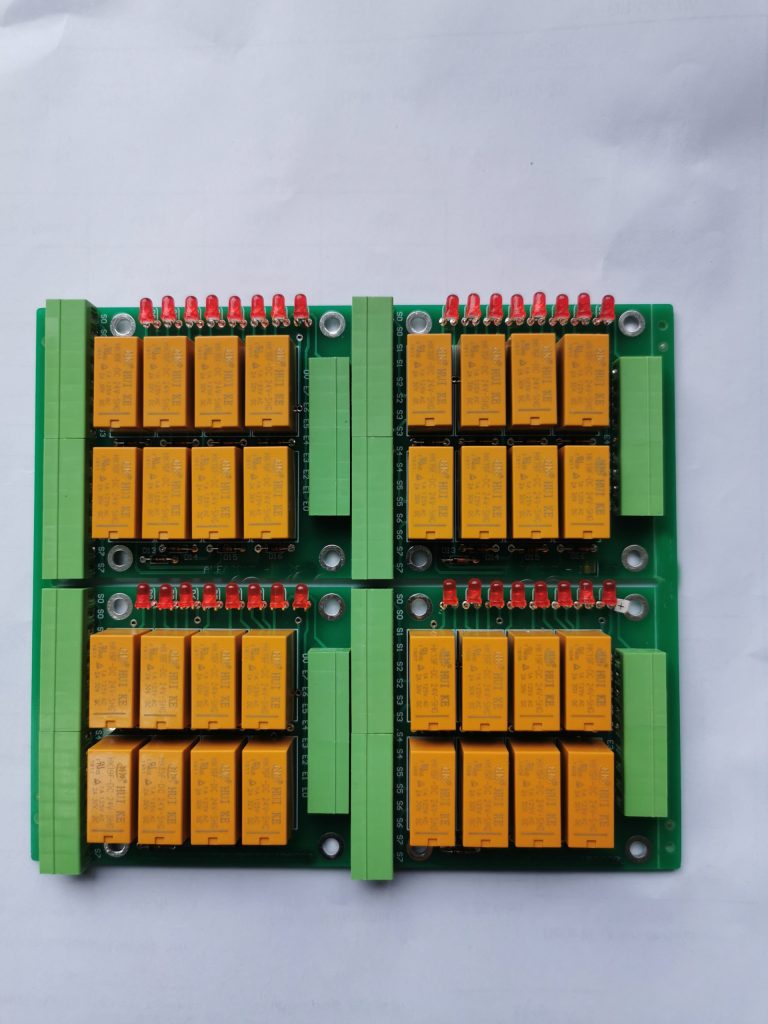
The assembly process, often referred to as PCBA (Printed Circuit Board Assembly), is where these designs come to life. It involves the careful placement of components such as resistors, capacitors, and integrated circuits onto the PCB, followed by soldering—either through wave soldering techniques or manual methods. Selecting high-quality materials is crucial for both durability and performance, making it important to source components from reputable suppliers.
Here’s a simple table illustrating some key components typically used in pcb assembly:
| Component Type | Description | Purpose |
|---|---|---|
| Resistors | Limit current flow | Control voltage |
| Capacitors | Store electrical energy | Filter signals |
| Inductors | Store energy in a magnetic field | Prevent high-frequency noise |
| Integrated Circuits (ICs) | Miniaturized circuits for specific tasks | Process various signals |
Moreover, it is critical to familiarize oneself with industry standards such as IPC-A-610 for quality acceptance. As you begin your journey into pcb assembly, remember:
“Understanding the requirements laid out in your design can greatly influence the efficiency of your assembly process.”
In summary, grasping the essentials of both PCB design and assembly paves the way for successful projects, allowing for optimal electronic performance and reliability.
Essential Tools and Materials for Successful PCB Assembly
To embark on the journey of pcb assembly, having the right tools and materials is crucial for achieving high-quality results. First and foremost, a sturdy soldering iron is essential; it allows for the precise application of heat needed to join components effectively. A reliable solder—preferably one that is lead-free—ensures stronger connections while maintaining safety standards. Additionally, incorporating a multimeter into your toolkit will enable you to test continuity and verify connections throughout the assembly process.
Also vital are printed circuit boards (PCBs) that have been designed with optimal layout considerations, as this directly impacts the performance of your final product. When selecting components for your pcba, consider using surface mount devices (SMD) as they often result in more compact and efficient designs. Don’t overlook the importance of a clean work environment; tools such as anti-static mats can help mitigate damage from static electricity.
Lastly, good quality tweezers and wire strippers can facilitate precise placement and handling of small components, making them indispensable in any well-equipped assembly station. By curating these essential tools and materials, you set a solid foundation for successful pcb assembly, paving the way for exceptional electronic design and performance.
Step-by-Step Guide to the PCB Assembly Process
The pcb assembly process is a pivotal phase in electronics manufacturing, involving a series of meticulously planned steps to ensure a high-quality final product. It begins with design verification, where the printed circuit board (PCB) layout is checked against the specifications and requirements. Following this, the component placement stage takes precedence. Here, electronic components are accurately aligned and affixed to the designated locations on the PCB, using specialized tools that enhance precision.
Next comes the soldering process, where connections between components and the PCB are made using solder. This can be done via various methods such as reflow soldering or wave soldering, depending on the complexity and requirements of the assembly. It’s crucial during this phase to monitor temperature and timing closely to avoid potential defects.
Once soldering is complete, attention shifts to testing and inspection, which are vital for confirming that all components are correctly placed and functioning as intended. Automated Optical Inspection (AOI) can be employed to efficiently detect any inconsistencies or errors in component alignment or solder joints.
Finally, post-assembly processes may involve further testing such as electrical testing or functional testing of the assembled PCB, ensuring that it meets performance criteria before shipping. Each step in this intricate pcba process contributes significantly to achieving technical excellence, ultimately enhancing both reliability and efficacy in electronic designs.
Common Challenges in PCB Assembly and How to Overcome Them
In the world of PCB assembly, several challenges can hinder the overall quality and effectiveness of the final product. One of the most prevalent issues is misalignment of components, which can lead to poor electrical connections. To combat this, employing precise alignment tools, such as automated placement systems, can significantly enhance accuracy during the pcba process. Another challenge is soldering defects, including cold joints and solder bridges. Utilizing high-quality soldering techniques and regularly maintaining equipment can help mitigate these issues. Furthermore, component shortages may pose obstacles; building strong relationships with suppliers and maintaining an inventory of essential parts allows for smoother operations. Lastly, inadequate testing methods can result in unrecognized flaws in finished assemblies. Implementing rigorous and effective quality control measures, such as automated optical inspection (AOI) systems, ensures that any defects are identified early on in the pcb assembly process. By addressing these challenges with proactive strategies, manufacturers can improve their overall efficiency and ensure that their pcba projects achieve excellence in performance and reliability.
Techniques for Quality Control in PCB Assembly
Quality control is a critical aspect of pcb assembly that ensures the final product meets both functional expectations and industry standards. To achieve excellence in pcba, it is essential to implement robust quality assurance techniques throughout the assembly process. One fundamental technique is the use of inspection methods, such as automated optical inspection (AOI), which enables quick detection of defects in solder joints and component placements. This technology offers a significant advantage by providing immediate feedback, allowing for rapid corrections.
Another critical technique involves stringent process controls during each stage of assembly. By establishing standard operating procedures (SOPs) that detail each step from component placement to soldering, manufacturers can minimize variations and enhance consistency. Regular training sessions for operators can further instill best practices and promote a culture of quality, crucially impacting final assembly outcomes.
Additionally, maintaining a clean work environment cannot be overlooked; contamination can lead to unforeseen defects in pcb assembly. Utilizing anti-static mats, proper handling techniques, and routine cleaning schedules helps preserve the integrity of components and circuit boards during the process.
Finally, implementing continuity testing after assembly allows for verification that all connections are correct and functioning before moving on to final testing phases. This proactive approach reduces the likelihood of failures in later stages and enhances overall reliability.
By dedicating resources to quality control techniques within pcba, manufacturers can elevate their product standards significantly, ensuring that every assembled board not only meets specifications but excels in performance within its intended application.
Best Practices for Soldering and Component Placement
When it comes to PCB assembly, effective soldering and precise component placement are crucial to achieving reliable performance in electronic devices. One of the first steps is to ensure that the PCB is clean and free of any contaminants. Using a lint-free cloth and isopropyl alcohol can help prepare the board effectively. When placing components, it is important to utilize proper alignment techniques; components should be positioned accurately according to the design layout to facilitate smooth soldering.
Additionally, adopting a systematic approach by working from the smallest components to the largest can streamline pcba procedures and reduce errors. It is also beneficial to use a tweezers for precise placement of surface-mount components, ensuring they are seated correctly before applying solder. Another key aspect of Quality Control is maintaining appropriate soldering techniques – using consistent heat levels and ensuring adequate melting time can avoid cold solder joints that may compromise circuit integrity.
Training your eyes to recognize visual cues—such as shiny joints indicating good electrical connections—can enhance your soldering results. Implementing these best practices not only improves the quality of your pcb assembly but also contributes significantly to more robust electronic designs that withstand rigorous testing and operational conditions.
Innovations in PCB Assembly Technology
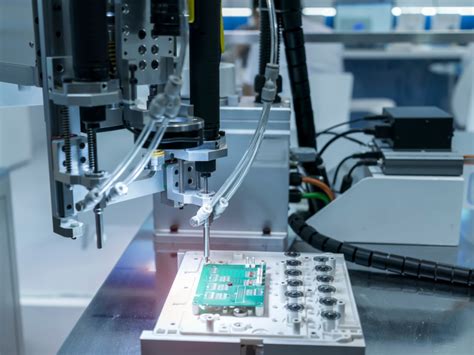
The landscape of pcb assembly is continuously evolving, driven by advancements that enhance both efficiency and precision. One of the most significant trends in this realm is the rise of automation. Automated machines for pcba can now handle intricate tasks such as soldering, inspection, and component placement with a level of consistency that far surpasses manual methods. Furthermore, the integration of Artificial Intelligence (AI) into assembly processes allows for real-time quality monitoring, identifying defects at a speed and accuracy previously unachievable.
Additionally, the advent of new materials has transformed the capabilities of pcb assembly. Flexible substrates are becoming increasingly popular, enabling the creation of lighter and more adaptable designs suitable for a wide range of applications—from wearable tech to complex circuit systems in aerospace engineering. The combination of these innovative materials with advanced design software also facilitates rapid prototyping, allowing engineers to iterate their designs quickly and efficiently.
Moreover, emerging technologies such as 3D printing are making their way into pcba, allowing for faster production times and reduced costs associated with traditional manufacturing methods. These innovations not only streamline production but also open doors to new possibilities in electronic design that were previously limited by conventional techniques. As new trends continue to shape the future of pcb assembly, staying informed and adaptable will be key for professionals looking to excel in this dynamic field.
Case Studies: Successful PCB Assembly Projects
In the realm of PCB assembly, success stories abound, showcasing how effective techniques and best practices can lead to outstanding results. One notable example involves a consumer electronics company that integrated advanced PCBA methodologies to launch a new portable device. Through meticulous planning and execution, the team navigated the complexities of component placement and soldering, ultimately achieving a high-quality product with enhanced functionality. Another compelling case comes from an automotive manufacturer that adopted cutting-edge PCB assembly technologies to ensure reliable performance under extreme conditions. By utilizing innovative materials and rigorous quality control processes, they were able to minimize defects and enhance product durability. These case studies illuminate the importance of applying comprehensive strategies in PCB assembly, highlighting how a commitment to excellence can significantly impact the end results in electronic design and production. As these examples demonstrate, when teams focus on collaboration and continuous improvement in their PCBA processes, they not only achieve their goals but also set new industry benchmarks for quality and efficiency.
Conclusion
In the comprehensive exploration of PCB assembly, we have journeyed through the essential aspects that contribute to mastering this vital process. Understanding the intricate relationship between design and assembly is crucial; effective PCBA hinges on proper planning and execution. Throughout this guide, we’ve emphasized the significance of being equipped with essential tools and materials, which are foundational to any successful PCB assembly project.
Moreover, having a systematic approach in navigating the step-by-step guide not only streamlines the assembly process but also minimizes common errors that may arise. Addressing potential challenges during pcba is imperative, as recognizing these hurdles early can lead to heightened efficiency and improved product quality. Implementing stringent quality control techniques ensures that each assembled board meets industry standards while contributing to the overall performance of electronic designs.
As we look toward future innovations in PCB assembly technology, it becomes clear that staying informed about emerging trends is essential for continuous improvement. The case studies shared provide valuable real-world insights into successful projects, reinforcing the fact that attention to detail in both design and assembly cultivates exceptional outcomes in electronic applications. Armed with this knowledge, anyone involved in PCB assembly can aspire to elevate their skills and contribute meaningfully to advancements in electronic design and functionality.
FAQs
What is PCB assembly?
PCB assembly, often referred to as PCBA, is the process of connecting electronic components onto a printed circuit board (PCB) to create a functional electronic device.
Why is quality control important in PCB assembly?
Quality control ensures that the final product meets performance standards, reducing the likelihood of defects and failures in electronic devices. Implementing rigorous quality control measures in pcb assembly can significantly enhance product reliability.
What tools are essential for successful PCB assembly?
Essential tools include soldering irons, tweezers, multimeters, and stencils for applying solder paste. Each tool plays a crucial role in achieving a successful pcba, leading to higher efficiency and accuracy.
How can I overcome common challenges in PCB assembly?
Challenges such as component misplacement or soldering issues can be mitigated by thorough planning, using accurate tools, and following best practices. Techniques like double-checking placements during the pcb assembly process can greatly reduce errors.
Are there specific techniques for soldering components on a PCB?
Yes, techniques such as using the correct temperature settings, applying flux appropriately, and practicing good hand stability are vital during the soldering process. Mastering these methods ensures solid connections in your pcba.