Mastering Custom Electronic Assembly for Innovative Solutions
Key Takeaways
Understanding the landscape of custom electronic assembly is crucial for modern engineering, particularly when seeking innovative solutions that drive efficiency and creativity. In today’s fast-paced market, the pcb assembly process is more than just a technical necessity; it’s an opportunity for organizations to differentiate themselves. By leveraging advanced pcba technologies and methodologies, companies can streamline their assembly processes, ensuring that they not only meet client demands but exceed them.
Furthermore, staying abreast of the latest trends and best practices is essential for maintaining a competitive edge. From selecting quality materials to implementing automated systems, each step in the custom electronic assembly journey contributes to overall performance and cost-effectiveness. As organizations embrace these innovative strategies, the potential for transforming ideas into tangible products expands significantly. Ultimately, mastering these foundations will empower industry leaders to harness the full potential of custom electronic assembly, fostering an environment ripe with possibilities for future advancements.
Introduction to Custom Electronic Assembly
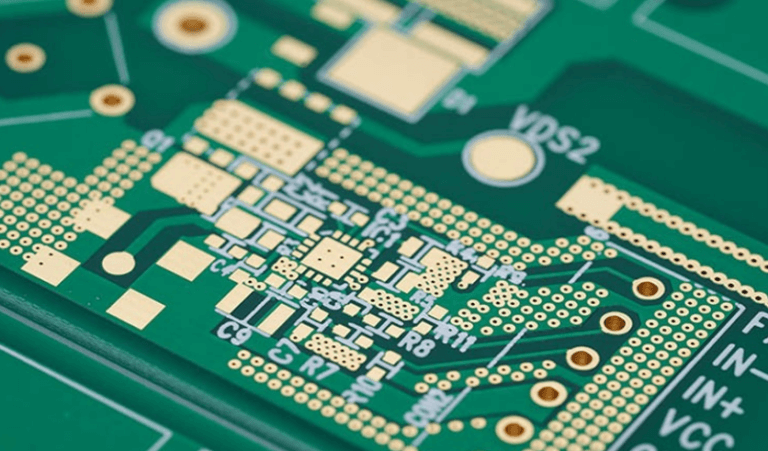
In today’s fast-paced technological landscape, custom electronic assembly has emerged as a critical component for companies looking to innovate and deliver complex electronic solutions. At its core, pcb assembly involves the meticulous integration of various electronic components onto printed circuit boards (PCBs), forming the backbone of countless modern devices. As the demand for specialized solutions grows, the need for flexible and efficient pcba processes becomes paramount.
The intricacies of custom electronic assembly not only require precision but also a profound understanding of the latest technologies and methodologies. This includes adopting best practices that enhance efficiency and minimize production costs while maintaining high standards of quality. For industry leaders, embracing innovative solutions that integrate digital technology can streamline operations and foster creativity, turning ideas into tangible results.
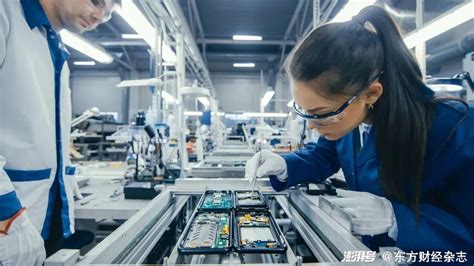
Integrating advanced techniques into the pcb assembly process opens doors to new possibilities. For instance, automation in assembly lines not only speeds up production but also reduces human error, leading to higher reliability in end products. Furthermore, implementing computer-aided design (CAD) software can significantly improve accuracy during the early stages of PCB design.
“In a landscape defined by rapid change, adaptability in assembly processes is not just beneficial—it’s essential.”
As organizations explore strategic advancements in their pcba processes, it’s crucial to stay informed about emerging trends that influence the custom electronic assembly field. Engaging with this dynamic sector equips businesses with essential tools to meet evolving consumer needs and uphold their position as leaders in innovation.
| Key Factor | Description |
|---|---|
| Efficiency | Streamlining processes to save time and cost |
| Quality Assurance | Maintaining high standards with rigorous testing |
| Innovation | Employing new technologies for competitive edge |
In summary, understanding the fundamentals of custom electronic assembly, including its key components and best practices, will empower companies to harness innovation effectively. This foundation serves not just as a path toward successful product development but also as a catalyst for ongoing improvement in an ever-evolving digital marketplace.
The Importance of Innovation in Electronic Assembly
In today’s rapidly evolving technological landscape, innovation plays a critical role in the field of custom electronic assembly. Companies specializing in pcb assembly and pcba must continuously adapt to meet the increasing demand for high-quality, efficient, and innovative solutions. This necessity is driven by various factors, including competitive market pressures and advancements in technology that call for more sophisticated designs. Embracing innovation not only enhances productivity but also fosters creativity in solution development. Key innovations may include novel assembly techniques, advanced materials, or refined processes that significantly improve the performance and reliability of the final products. Moreover, staying ahead of trends allows industry leaders to deliver enhanced value to their clients while ensuring sustainability. Companies that prioritize inventive thinking can effectively navigate challenges, reduce time-to-market, and capitalize on new opportunities for growth in the electronic assembly sector. Ultimately, innovation serves as a cornerstone for success, enabling manufacturers to transform ideas into cutting-edge solutions that address complex consumer needs.
Key Components of Custom Electronic Assembly
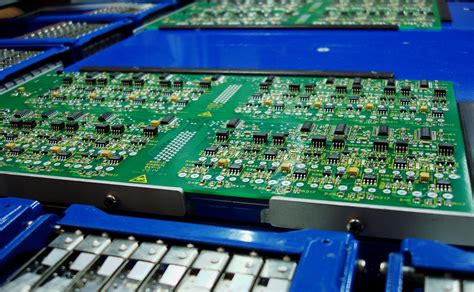
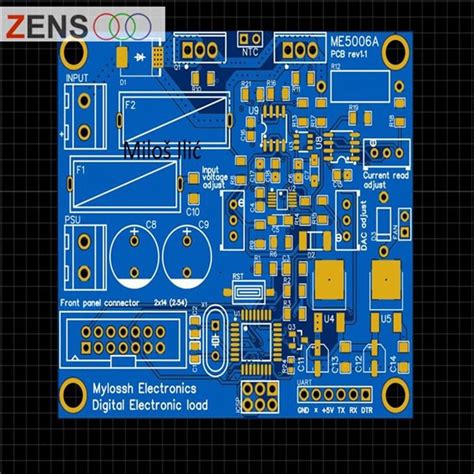
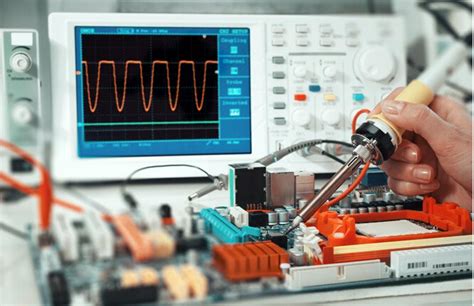
In the realm of custom electronic assembly, several key components work synergistically to achieve optimal results. At the forefront is pcb assembly, which serves as the backbone of the entire process. The printed circuit board (PCB) is meticulously designed to serve various functions, acting as a support structure for components while providing electrical pathways. Additionally, the quality of these components, including resistors, capacitors, and integrated circuits, plays a pivotal role in determining the overall performance of the final product. Integrated with cutting-edge technologies like surface mount technology (SMT) and through-hole soldering, pcba processes facilitate high-density designs that enhance functionality. Moreover, attention to detail during inspection and testing phases—including automated optical inspection (AOI)—can prevent potential failures, ensuring reliability and efficiency. Each component in this intricate assembly contributes not only to the effectiveness of the product but also to innovation within various industries, setting standards for performance and quality assurance. By understanding these components and their interactions, industry leaders can implement advanced electronic integration strategies that drive progress and meet emerging market demands.
Best Practices for Efficient Assembly Processes
To achieve optimal outcomes in custom electronic assembly, it is essential to integrate effective practices that enhance efficiency throughout the pcb assembly process. One notable practice is the implementation of standardized procedures across all stages of pcba. Standardization not only promotes consistency but also minimizes errors during assembly, leading to higher-quality outputs. Additionally, utilizing automation where possible can significantly boost productivity. Automated systems can handle repetitive tasks with precision, allowing engineers to focus on complex challenges that require creative thinking. Furthermore, regular training for personnel engaged in assembly processes ensures they stay updated on the latest technologies and methodologies, thereby fostering a culture of continuous improvement. Utilizing advanced software tools for simulation and design verification can also streamline workflows and identify issues before physical assembly begins. Lastly, meticulous documentation throughout each assembly stage serves as a roadmap for future projects, facilitating troubleshooting and knowledge transfer across teams. By adopting these best practices, organizations not only enhance their efficiency in custom electronic assembly but also pave the way for innovative solutions that respond adeptly to market demands.
Advanced Techniques for Creative Solutions
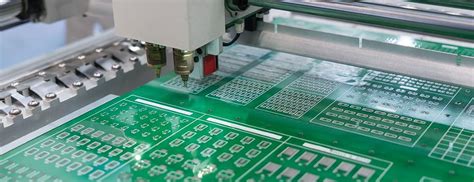
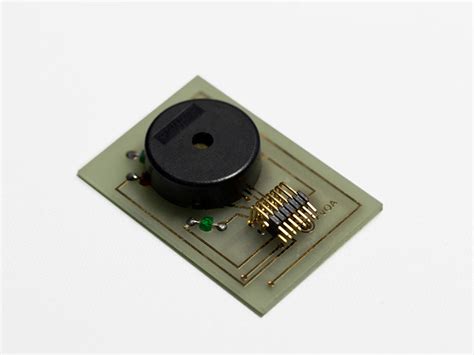
In the realm of custom electronic assembly, embracing advanced techniques is paramount for fostering creativity and driving efficiency. One such technique is the integration of automated processes within pcb assembly, which not only accelerates production timelines but also enhances precision. Leveraging cutting-edge technologies such as machine vision can significantly improve the quality control process, ensuring that each printed circuit board (PCBA) meets stringent standards. Additionally, employing modular designs in pcba allows for more flexible configurations, paving the way for innovative product adaptations that cater to diverse market needs. Moreover, utilizing simulation software can provide valuable insights during the design phase, enabling engineers to foresee potential challenges and develop effective solutions proactively. By incorporating these advanced methods into their operations, industry leaders can unlock new dimensions of creativity within their custom electronic assembly processes, ultimately leading to higher-quality products and increased customer satisfaction.
Case Studies: Successful Implementations in Various Industries
In exploring the realm of custom electronic assembly, several case studies exemplify how organizations effectively utilize pcb assembly techniques to achieve innovative solutions. One notable example is in the automotive industry, where leading manufacturers have adopted advanced pcba processes to enhance vehicle electronics. By integrating cutting-edge sensors and microcontrollers into their assemblies, they not only improved the efficiency of production but also significantly boosted vehicle performance and safety features.
Similarly, in the healthcare sector, companies focusing on medical devices have demonstrated success by leveraging custom electronic assembly to create compact and highly efficient diagnostic equipment. These devices utilize sophisticated pcba strategies that allow for faster data processing and improved patient outcomes. Furthermore, electronics used in wearable technology benefit from pcb assembly, providing both functionality and durability without compromising on size.
Lastly, the telecommunications industry has seen a surge in innovative products through tailored custom electronic assemblies that optimize connectivity solutions. By employing best practices in pcba, firms are able to design robust systems that deal with high-frequency signals while maintaining sleek designs. Overall, these case studies highlight not just successful implementations but also underline the pivotal role of custom electronic assembly in driving innovation across diverse sectors. Each of these industries illustrates how strategic approaches to assembly can transform operational efficiency and response to market demands through effective use of technology and creativity.
Future Trends in Custom Electronic Assembly
As the landscape of custom electronic assembly evolves, several future trends are emerging that promise to enhance both productivity and creativity in the industry. One significant trend is the growing integration of automation and robotics in pcb assembly processes. By streamlining assembly lines, companies are not only increasing output but also minimizing the risk of human error, leading to more reliable outcomes. Additionally, the rise of smart technologies, such as the Internet of Things (IoT), allows for more sophisticated monitoring and management of assembly tasks, enhancing real-time decision-making.
The demand for pcba that are not only efficient but also sustainable is another key focus. Manufacturers are leaning towards eco-friendly materials and processes to create assemblies that meet environmental standards without sacrificing performance. Furthermore, advances in modular design are facilitating flexible manufacturing systems which can adapt quickly to changing market needs and customer requirements.
Collaboration between engineering teams and software developers is becoming increasingly vital. This interdisciplinary approach fosters innovative solutions that can address complex challenges in electronic integration. As companies prioritize agile methodologies, rapid prototyping becomes essential, allowing for faster design iterations and improved customization options.
Overall, staying ahead in custom electronic assembly requires embracing these trends through continuous learning and adaptation, ensuring that businesses can leverage technology not just for efficiency but also for cutting-edge creativity in a competitive marketplace.
Conclusion: Driving Success Through Innovation
In the ever-evolving landscape of electronics, the mastery of custom electronic assembly is paramount for organizations looking to stay ahead. The integration of advanced techniques in pcb assembly and pcba not only streamlines production but also enhances the potential for creativity, enabling businesses to develop innovative solutions tailored to their specific needs. By embracing best practices in custom electronic assembly, companies can achieve significant improvements in efficiency and quality. This commitment to innovation fosters a culture where teams are encouraged to explore new ideas, ultimately driving success in competitive markets. As industries continue to push the boundaries of technology, understanding the nuances of pcba will be essential for those aiming to implement cutting-edge solutions that resonate with contemporary demands. In conclusion, prioritizing innovation within assembly processes is not merely a strategy; it is a necessity for sustainable growth and market leadership.
Conclusion: Driving Success Through Innovation
In the world of custom electronic assembly, innovation is not merely a goal but a necessity for achieving excellence and competitive advantage. Companies that embrace advanced techniques in pcb assembly and adopt sophisticated approaches to pcba can significantly improve their operational efficiency and product quality. With the rise of technology-driven solutions, businesses are constantly exploring ways to integrate new materials and methods that promote creativity in electronic designs. By focusing on the key components of custom electronic assembly, organizations can streamline their processes, reduce costs, and enhance overall performance. As we look toward the future, it’s essential to recognize how innovation will drive the evolution of electronic integration, leading to more effective solutions tailored to meet diverse industry demands. The commitment to harnessing cutting-edge technologies while implementing best practices will undoubtedly lead to measurable success in the landscape of custom electronic assembly. Through this relentless pursuit of advancement, companies can position themselves as leaders in a rapidly changing market, delivering products that not only meet but exceed customer expectations.
FAQs
What is custom electronic assembly?
Custom electronic assembly refers to the process of designing and manufacturing tailored electronic components that meet specific requirements for functionality and performance. This often involves PCB assembly (Printed Circuit Board Assembly) techniques to ensure optimal integration of parts.
Why is PCB assembly important in custom electronic assembly?
PCB assembly is crucial because it serves as the backbone for most electronic devices. A well-designed PCBA (Printed Circuit Board Assembly) ensures that all components communicate effectively in order to deliver the desired performance.
What are the common challenges faced in custom electronic assembly?
Some common challenges include managing component quality, ensuring tight tolerances, and keeping up with technological advancements. Addressing these issues effectively can lead to innovative solutions that enhance overall efficiency.
How can companies enhance creativity in their PCB designs?
Incorporating advanced techniques such as 3D modeling, simulation software, and rapid prototyping can significantly boost creativity in PCB assembly projects. These methods allow for more flexible designs and quicker iterations.
What role does quality control play in custom electronic assembly?
Quality control is essential for ensuring that each PCBA meets rigorous standards before deployment. It helps in identifying defects early on, preventing costly corrections later in the production process.