Mastering Gerber Files for Effective PCB Design
Key Takeaways
Understanding the significance of Gerber files in PCB manufacturing is crucial for anyone involved in the PCB manufacturing business. These files serve as the blueprint for your printed circuit boards, detailing every layer, pad, and trace essential for accurate production. When preparing your Gerber files, always be mindful of common pitfalls; errors in these files can lead to delays and increased PCB manufacturing costs. Here are some essential tips:
- Ensure that all layers are included and correctly defined.
- Use appropriate naming conventions to avoid confusion during the manufacturing process.
- Regularly verify your files with a viewer to catch potential mistakes early on.
Utilizing precise Gerber files not only streamlines communication with PCB manufacturing companies, especially when you need modifications or iterations, but also enhances overall efficiency. As you delve into the intricacies of file creation, remember that investing time in accuracy can significantly reduce headaches later in the production phase. Ultimately, mastering the use of Gerber files will empower you to navigate challenges effectively and contribute to successful circuit board designs efficiently.
“Investing effort into high-quality Gerber file preparation pays off through smoother production cycles.”
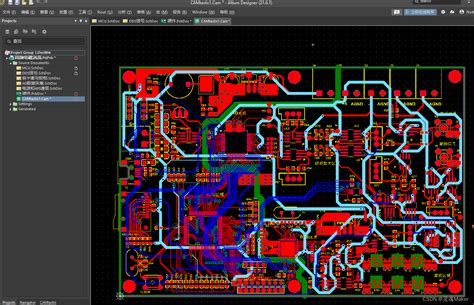
Introduction to Gerber Files and Their Importance in PCB Design
In the world of PCB design, understanding Gerber files is crucial for achieving optimal results in the PCB manufacturing process. Gerber files serve as the standard file format for representing the images of printed circuit board (PCB) designs, facilitating clear communication between designers and PCB manufacturing companies. When you generate these files accurately, you ensure that every detail of your design is represented correctly, which is essential for minimizing errors and reducing overall PCB manufacturing costs. The role of Gerber files extends beyond mere documentation; they are integral to the efficiency of the PCB manufacturing business, providing a roadmap for fabricators to follow.
By mastering this file format, you can not only enhance the precision of your designs but also streamline production workflows. This can lead to faster turnaround times and improved quality control. When you prioritize accurate generation and utilization of Gerber files, you contribute directly to a successful PCB manufacturing process that meets your project specifications while adhering to budget constraints. In summary, recognizing the importance of Gerber files lays a solid foundation for effective PCB design and paves the way for successful partnerships with global PCB manufacturing companies.
Understanding the Gerber File Format: A Comprehensive Overview
The Gerber file format is crucial in the realm of PCB manufacturing, serving as a universally accepted standard for conveying the intricate details of your printed circuit board designs. At its core, a Gerber file encapsulates various essential information, such as layer information, drill data, and special functions required for production. When you create your PCB layout using software, your design is translated into multiple Gerber files that collectively describe every aspect of the board. This includes details about copper layers, solder masks, and silkscreen overlays. Understanding these files is essential for ensuring that PCB manufacturing companies receive accurate specifications to produce your designs with precision.
One of the significant advantages of mastering Gerber files lies in their impact on the overall cost and efficiency of the PCB manufacturing business. Errors in these files can lead to costly revisions or remakes, directly affecting your PCB manufacturing cost and timeline. Therefore, familiarizing yourself with how to generate and review these files can significantly mitigate potential issues during production. By ensuring that you meticulously validate each aspect of your Gerber outputs—such as layer alignment and hole placements—you set yourself up for a smoother transition from design to physical product. This understanding not only streamlines communication with manufacturers but also enhances the reliability of your finished circuit boards in various applications.
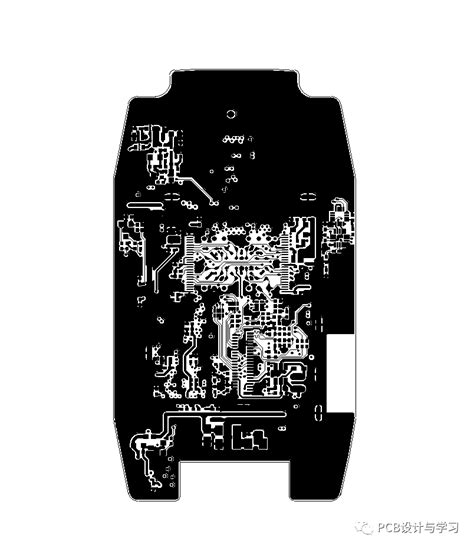
Steps to Generate Gerber Files from PCB Layout Software
Generating Gerber files from your PCB layout software is a crucial step in the journey of PCB manufacturing. To begin, ensure that your design is complete and error-free. Most PCB layout software provides a suite of tools that can help you in this regard. Once you’re satisfied with your design, navigate to the export or generate option within the software. Here, you will typically find an option labeled as “Generate Gerber” or something similar. You will then need to select the layers you wish to export, as not all layers may be necessary for every project—this often includes top copper, bottom copper, silkscreen layers, solder mask layers, and others essential for accurate production.
As you proceed, pay attention to the settings within the export window. Many PCB manufacturing companies offer specific guidelines regarding Gerber file formats, so it’s beneficial to familiarize yourself with these considerations prior to exporting. This might include selecting the appropriate units (inches or millimeters), setting up file naming conventions, and confirming that your design complies with standard manufacturing specifications—ensuring that it aligns with their requirements can help minimize PCB manufacturing costs due to potential revisions.
After generating your files, it’s wise to run a preliminary check using a Gerber viewer. This step allows you to visually inspect the output and ensure everything represents correctly before sending it off for production. Paying close attention during this phase can save both time and money in your PCB manufacturing business, as catching mistakes early on is far more efficient than rectifying them post-manufacture. By following these effective steps, you can streamline your process and enhance the accuracy of your final products in a competitive landscape where precision is paramount.
Common Challenges in Gerber File Creation and How to Overcome Them
Creating Gerber files is a critical step in PCB manufacturing, yet several challenges may arise during this process. One common issue is ensuring that the exported files meet the specifications required by various PCB manufacturing companies. Often, discrepancies between your layout software and the manufacturer’s standards can lead to errors in production. To mitigate this, you should familiarize yourself with the specific Gerber file format that your chosen manufacturer accepts. This preparation can significantly reduce potential misunderstandings and complications later on.
Another challenge may stem from layering errors. Inadequate attention to the individual layers of your PCB design can result in improper functioning of the final product, leading to increased PCB manufacturing costs due to rework. To overcome this, validating each layer separately during the design phase is essential. Using tools that visualize how layers interact can provide insights before exporting your files.
Additionally, incomplete or missing information within your Gerber files could delay or halt production altogether. You can prevent this by conducting thorough checks and adopting a checklist approach to review all necessary documentation before submission. Furthermore, collaborating closely with your PCB manufacturing business will help ensure that everything is in order.
By proactively addressing these common challenges surrounding Gerber file creation, you position yourself for a smoother transition from design to production, helping maintain control over both quality and project timelines. This diligence will ultimately pay off in more efficient processes and reduced costs associated with PCB manufacturing.
Tips for Ensuring Accuracy in Your Gerber Files
When creating Gerber files for PCB manufacturing, precision is paramount. To ensure that your designs translate accurately into physical products, you must meticulously review your PCB layout before generating these files. A common mistake is overlooking layer separation, which can lead to mixed signals during the production phase. Be sure to cross-reference your design with the requirements set by your selected PCB manufacturing companies; their specifications often detail necessary formats and file structures to avoid costly errors.
Another critical component is validating your Gerber files through visualization software. Many tools simulate how your circuit board will be produced, allowing you to catch discrepancies before submission. This preemptive action can significantly reduce the overall PCB manufacturing cost, sparing you from potential rework or redesign expenses that can arise from inaccurate files.
In addition, consider conducting a design rule check (DRC) once you’ve finalized your layout. This step helps ensure that all elements, such as trace widths and spacing, comply with industry standards and specific tolerances of your chosen manufacturer. A thorough DRC will help bolster the reliability of your designs and decrease the likelihood of setbacks in the PCB manufacturing business.
Lastly, maintain clear communication with your manufacturer throughout this process. Building a relationship allows you to understand better their specific needs and respond swiftly should any issues or queries about the files arise. In this way, enhancing accuracy in Gerber file creation not only streamlines production but also improves overall project efficiency and satisfaction on both ends of the spectrum.
Utilizing Gerber Files for Efficient PCB Manufacturing
When it comes to PCB manufacturing, the role of Gerber files cannot be overstated. These files essentially serve as the blueprint for your circuit boards, enabling PCB manufacturing companies to transform your design into a tangible product. By ensuring that your Gerber files are accurate and comprehensive, you can significantly reduce the PCB manufacturing cost associated with miscommunication and errors during production. Incorporating efficient practices in the generation of these files bolsters the workflow and enhances collaboration between designers and manufacturers, ultimately streamlining your PCB manufacturing business processes.
One of the key benefits of well-structured Gerber files is that they provide detailed information about each layer of your PCB, including traces, pads, and vias. This level of detail helps manufacturers understand exactly what is required for each design aspect, facilitating a more efficient fabrication process. Additionally, when you focus on generating high-quality Gerber files, you minimize the likelihood of revisions during production, which can incur additional costs and delays.
Moreover, utilizing standardized formats within your Gerber files aligns with industry expectations. This not only aids in communication but also provides peace of mind knowing that your designs are compatible with various machinery used by PCB manufacturing companies worldwide. By mastering the intricacies of these files, you position yourself to navigate challenges effectively and foster successful partnerships in your PCB manufacturing business, leading to better outcomes and customer satisfaction. Clearly, optimizing how you utilize Gerber files pays dividends across all facets of PCB production.
Future Trends in PCB Design and the Evolving Role of Gerber Files
As the landscape of PCB manufacturing evolves, the role of Gerber files becomes increasingly crucial. The demand for precision and efficiency in the production process is driving PCB manufacturing companies to adopt advanced technologies, such as automated layers and enhanced file formats. This shift not only improves the accuracy of circuit board design but also significantly impacts the overall PCB manufacturing cost. You may find that embracing updated Gerber specifications allows for smoother transitions from design to production, ultimately enhancing collaboration between designers and manufacturers. Moreover, with the rise of smart devices, there is a growing need for innovative designs that require smaller components and complex layouts. Thus, your understanding of Gerber files will play a vital role in navigating these complexities while ensuring your PCB manufacturing business remains competitive. As you implement new tools and practices linked to Gerber files, you are not just adapting to current trends; you are positioning yourself at the forefront of industry advancements that prioritize efficiency and precision in PCB manufacturing.
Conclusion
In summary, mastering Gerber files is essential for anyone involved in PCB manufacturing. By understanding how to create and utilize these files properly, you can significantly improve the efficiency and accuracy of your circuit board production. As the landscape of PCB manufacturing companies evolves, the ability to generate precise Gerber files becomes even more crucial. Not only can it help reduce the overall PCB manufacturing cost, but it also sets your PCB manufacturing business apart in a competitive market. Ensuring that your Gerber files meet the necessary standards will enhance communication with manufacturers and streamline the production process, ultimately leading to superior product quality. Thus, investing time and resources into mastering these aspects of PCB design will pay off manifold in your future projects.
FAQs
What are Gerber files in PCB design?
Gerber files are crucial for PCB manufacturing as they provide the necessary information about the layers and features of your circuit board, including traces, pads, and more.
Why are Gerber files important for PCB manufacturing?
They are essential because they ensure that PCB manufacturing companies accurately translate your design into physical boards. Without these files, producing your desired circuit layout would be nearly impossible.
How can I generate Gerber files?
You can generate Gerber files directly from your PCB layout software. Most industry-standard software includes a straightforward export function that allows you to create these formatted files effortlessly.
What is the typical cost associated with Gerber file generation?
The PCB manufacturing cost can vary widely depending on factors like complexity and volume. However, generating Gerber files usually incurs minimal costs since it is generally included in the software tools you are already using.
What challenges might I face when creating Gerber files?
Common challenges include dealing with discrepancies between your design software and the file format required by manufacturers. Paying careful attention during the export process can help mitigate these issues.