Mastering PCB Making Techniques for Effective Design and Production
Key Takeaways
In navigating the realm of PCB manufacturing, several critical insights can significantly enhance your capabilities and knowledge in the field. Firstly, understanding the pcb manufacturing cost can help you create a budget that aligns with your project objectives without compromising quality. Aim to collaborate with reputable pcb manufacturing companies that prioritize innovation and customer support. The competitive landscape of pcb manufacturing business has moved towards efficiency, so being well-acquainted with effective design strategies and production methods can place you ahead in this industry.
A concise overview of common challenges—such as achieving precision during the layout phase or selecting the proper materials—will also be beneficial as you work on your projects. Prepare a checklist that includes the necessary materials and tools for PCB fabrication, ensuring you have everything on hand before beginning your production process. Lastly, always remember to incorporate testing and quality assurance within your workflow to ensure high-performance delivered by your designed PCB.
| Aspect | Importance |
|---|---|
| Cost Management | Essential for budget adherence |
| Company Reputation | Key for reliable partnerships |
| Design Efficiency | Improves overall production speed |
| Quality Assurance | Ensures reliability in applications |
By focusing on these fundamental aspects, you can develop a robust strategy for successful PCB design and production. For further insights into advanced techniques and trends in this area, feel free to explore additional resources available online here.
Introduction to PCB Making: A Comprehensive Overview
In today’s digital age, pcb manufacturing plays a crucial role in the functionality of various electronic devices. As you delve into the world of printed circuit boards, you’ll discover that understanding the fundamentals of pcb making is essential for anyone looking to design and produce efficient circuit boards. Various pcb manufacturing companies offer an array of services, yet it’s imperative to know how to evaluate them based on your specific needs. Factors like pcb manufacturing cost can significantly influence your project budget, so it’s wise to do thorough research and compare options.
To stand out in the competitive landscape of pcb manufacturing business, you should familiarize yourself with essential techniques that enhance not only design aesthetics but also operational efficiency. The process begins with selecting appropriate materials and tools; these choices directly impact both the performance and durability of your final product.
"Quality is not just a goal; it is a necessity when designing PCBs for reliable applications."
Navigating through the complexities of PCB making also involves recognizing potential challenges and how to mitigate them effectively. Whether you are an enthusiast or a professional, understanding these nuances will equip you with the skills needed to excel in this field, ensuring your ability to meet industry standards while delivering high-quality printed circuit boards tailored for various applications.
Essential Materials and Tools for PCB Fabrication
When diving into the world of pcb manufacturing, understanding the essential materials and tools is crucial for success. To start, you need a quality printed circuit board (PCB) substrate, typically made from materials like FR-4 or flexible polyimide. These substrates offer durability and electrical insulation, which are vital for functional designs. In addition to the substrate, various chemicals are necessary for the etching process, including photoresist and etchants like ferric chloride or ammonium persulfate. These chemicals allow you to create intricate patterns on your board.
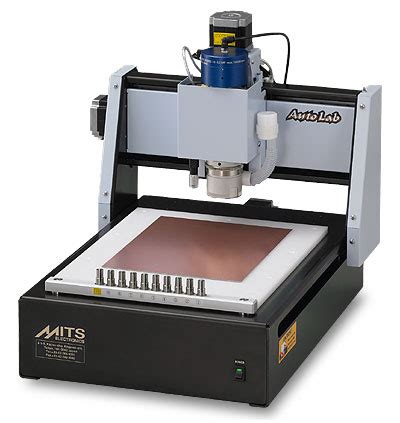
The fabrication process also requires specialized tools such as a CNC milling machine or laser cutter for precise cutting and shaping of your PCBs. Incorporating a soldering station is essential to ensure that components are securely attached to your board. Furthermore, utilize a multimeter for testing connections throughout your pcb manufacturing journey.
When evaluating potential pcb manufacturing companies, you’ll want to consider their access to high-quality materials and advanced tools. This will ultimately affect the overall pcb manufacturing cost and the reliability of the products. Starting a pcb manufacturing business necessitates not only acquiring these vital materials but also investing in high-grade tools that facilitate efficient production processes and reduce potential errors associated with lesser tools.
Understanding these components will set you on a path toward mastering the intricacies of PCB fabrication.
Design Techniques for High-Quality Printed Circuit Boards
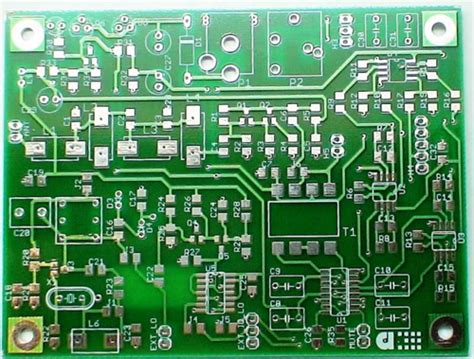
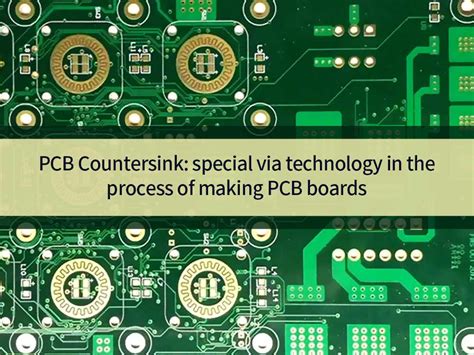
When engaging in pcb manufacturing, understanding design techniques is paramount to achieving high-quality printed circuit boards. You should start by appreciating the significance of a well-thought-out layout. Effective design begins with schematic capture, where you translate your ideas into visual representations, ensuring that your concepts are organized and clearly defined. Pay particular attention to the routing of traces; maintaining an optimal trace width and spacing is crucial for minimizing resistance and heat dissipation. Utilizing software tools tailored for PCB design can streamline this process, allowing you to visualize the board layers and components before production.
Another essential aspect to consider is the selection of materials used in pcb manufacturing. The choice between copper thickness, substrate material, and laminate type can greatly influence both performance and cost efficiency. Keep in mind that while more robust materials may increase the pcb manufacturing cost, they often result in enhanced durability and heat resistance, which can be critical for high-performance applications.
For businesses operating within the pcb manufacturing business, optimizing your design techniques can lead to reduced production time and costs while maintaining high-quality standards. By leveraging advanced methodologies such as design rule check (DRC) tools, you can preemptively identify issues that could arise during fabrication, greatly decreasing the likelihood of errors post-manufacturing. Staying informed about industry standards and best practices enables you to deliver competitive projects geared toward various applications—from consumer electronics to aerospace systems—ultimately establishing a strong reputation among peers and clients alike.
In conclusion, mastering these design techniques will empower you as a designer or engineer in the realm of pcb manufacturing companies, ensuring your projects are not only efficient but also reliable in performance across diverse industries.
Step-by-Step Guide to PCB Production Processes
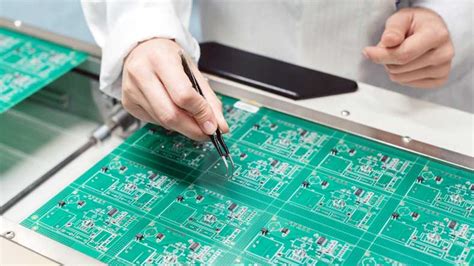
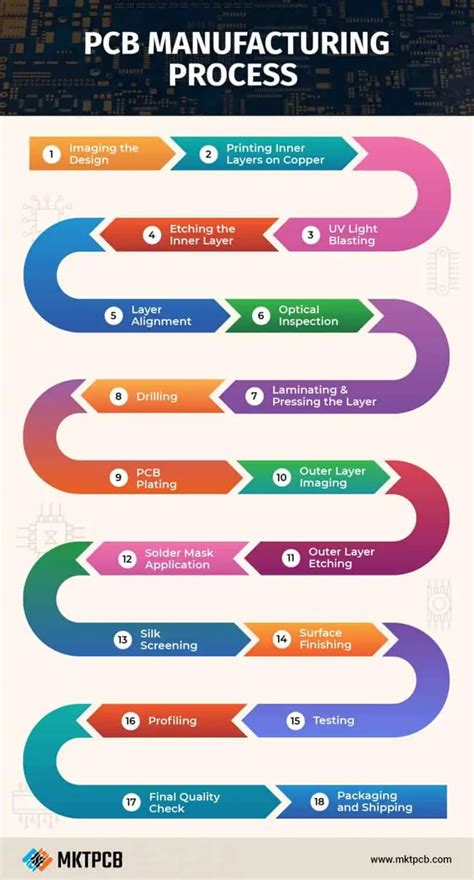
The journey of PCB manufacturing begins with an understanding of each crucial step involved in producing high-quality printed circuit boards. Initially, you start with the creation of a detailed design, which serves as the blueprint for your PCB; this is often done through industry-standard software that enables intricate circuit layouts. Once your design is finalized, the next step is to select appropriate materials that meet the requirements of your application. This may include specific types of substrates and conductive materials, which are vital for ensuring performance and reliability.
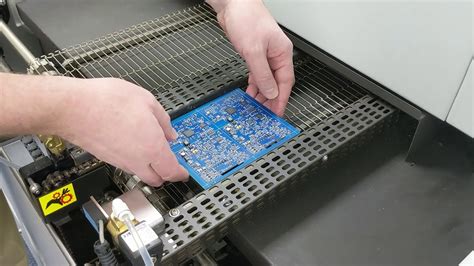
After material selection, the fabrication process begins. This usually involves etching copper layers, drilling holes for components, and applying solder masks. Each phase requires precision and skill to minimize errors that could affect performance and increase PCB manufacturing costs. As you progress through these stages, it’s essential to engage with reputable PCB manufacturing companies that can provide insights into their production capabilities and quality assurance processes.
It’s also important to consider the implications of scalability when planning your production line. If you aim to transition from prototypes to high-volume production in a PCB manufacturing business, understanding batch sizes and production timelines becomes vital. Maintaining a balance between cost efficiency and quality control is crucial; therefore, using testing methods such as Automated Optical Inspection (AOI) or X-ray inspection can help mitigate potential issues.
In conclusion, mastering each step in the PCB manufacturing processes not only enhances your technical skills but also ensures that you are prepared to tackle challenges associated with production while delivering superior designs that meet market demands.
Common Challenges in PCB Making and How to Overcome Them
In the realm of PCB manufacturing, you may encounter various challenges that can hinder your ability to produce high-quality printed circuit boards. One of the most common issues is design errors, which can arise from insufficient understanding of design techniques or software limitations. To address this, investing time in learning robust design methodologies is crucial. Additionally, collaborating with reliable PCB manufacturing companies can provide valuable insights and feedback during the prototyping phase. Another challenge is managing costs, particularly when you’re starting a PCB manufacturing business. To overcome this, it’s essential to evaluate your budget against potential suppliers and define your production priorities clearly to minimize PCB manufacturing costs without compromising quality. Furthermore, a lack of quality assurance processes can lead to defects. Therefore, implementing stringent testing procedures early in the production process will help you identify and rectify problems before they escalate, ensuring that your final product meets industry standards. By proactively addressing these challenges with a strategic approach, you will enhance your capability in effective PCB making and position yourself favorably within the competitive landscape of the industry.
Testing and Quality Assurance in PCB Manufacturing
When it comes to pcb manufacturing, establishing rigorous testing and quality assurance protocols is crucial. As a professional involved in a pcb manufacturing business, you understand that the reliability of your printed circuit boards directly impacts the performance of the final product. To ensure this reliability, various testing methods, such as functional testing, in-circuit testing, and thermal analysis, should be employed throughout the production process. Incorporating these techniques not only helps identify issues early but also reduces the overall pcb manufacturing cost by mitigating the risks associated with defective products.
Moreover, it’s essential to collaborate with reputable pcb manufacturing companies that emphasize quality control in their processes. These companies often implement industry standards like ISO certification and IPC guidelines, which reinforce their commitment to producing high-quality boards. By adopting these practices, you enhance your capability to deliver superior results that meet or exceed customer expectations, further solidifying your position in a competitive market.
Investing time in establishing comprehensive testing stages will ultimately support smoother production flows and create greater customer satisfaction. This approach can enable you to focus on innovation while ensuring every board reflects the quality standards that discerning clients demand. Consequently, prioritizing rigorous quality assurance can contribute significantly to the success of your pcb manufacturing endeavors, fostering long-term partnerships and repeat business.
Innovations in PCB Technology: Trends and Future Directions
As you delve into pcb manufacturing, it becomes increasingly clear that technology is evolving at a rapid pace. One of the most significant trends in the industry is the push towards miniaturization. PCB manufacturing companies are now focusing on creating smaller, more efficient boards that can accommodate an increasing number of components within a confined space. This trend not only enhances the performance of electronic devices but also reduces the overall pcb manufacturing cost by simplifying assembly processes and minimizing waste.
Another notable innovation involves high-density interconnect (HDI) technology, which allows for more complex designs in a shorter timeframe. This shift is beneficial for companies looking to optimize their pcb manufacturing business, as it supports faster production cycles while maintaining high quality and reliability in their products. Additionally, advancements in materials science have introduced better substrates and conductive inks that improve signal integrity and reduce power loss, ultimately contributing to more efficient designs.
Furthermore, sustainability is becoming a priority as environmental regulations tighten. Many pcb manufacturing companies are now adopting eco-friendly materials and processes to reduce their carbon footprint. By investing in greener technologies, you not only comply with regulations but also appeal to a growing market segment that values environmental responsibility.
In conclusion, the future of pcb manufacturing looks promising with these innovations leading the charge towards smarter, faster, and more environmentally-friendly designs. Keeping up with these trends will be essential for anyone seeking to excel in this dynamic field.
Applications of PCBs: Industries That Rely on Effective Design
Whether you realize it or not, printed circuit boards (PCBs) are pivotal in countless industries that require effective design for optimal functionality. From consumer electronics to automotive solutions, pcb manufacturing is at the heart of innovation and technology. For instance, in the electronics industry, you might find pcb manufacturing companies producing boards for smartphones, tablets, and computers, enabling complex functions with compact designs. The demand for efficiency and performance drives these companies to adopt advanced techniques and materials, making the pcb manufacturing cost an essential consideration for any business aiming to maintain profitability while delivering high-quality products. In the automotive sector, PCBs have become indispensable in vehicles equipped with sophisticated systems, such as navigation and entertainment systems. Here, you see how a solid understanding of design principles can significantly affect the reliability and safety of vehicles on the road. The telecommunications industry also relies heavily on PCBs; they are critical for devices that facilitate communication over vast distances. It is clear that engaging in a pcb manufacturing business can open avenues across multiple sectors, underscoring the importance of mastering effective design techniques tailored to specific applications and market needs.
Conclusion
In conclusion, mastering pcb making is a valuable skill that can significantly impact your ability to design and produce high-quality printed circuit boards. As you refine your techniques, consider the pcb manufacturing process holistically, ensuring that each phase—from design to production—meets rigorous standards of excellence. You’ll find that successful pcb manufacturing companies leverage a combination of innovative design principles and efficient production methods to keep costs manageable without compromising quality. Understanding the dynamics behind pcb manufacturing cost will empower you to offer competitive rates in your pcb manufacturing business, attracting a diverse clientele while maintaining profit margins. As you move forward, stay informed about the latest trends and emerging technologies in the industry, which can help you elevate your projects and remain relevant in an ever-evolving market. By committing to continuous improvement in your pcb making techniques, you will position yourself for success in this exciting field.
FAQs
What is PCB manufacturing?
PCB manufacturing refers to the process of creating printed circuit boards that serve as the foundation for electronic devices. This involves several stages, including design, fabrication, and assembly.
How do I choose a reliable PCB manufacturing company?
When selecting a PCB manufacturing company, consider factors like production capabilities, quality assurance processes, and customer reviews. It’s essential to find a partner that aligns with your project’s needs.
What factors influence PCB manufacturing cost?
The cost of PCB manufacturing is influenced by various factors such as design complexity, material choices, production volume, and the type of finish required. Understanding these factors can help you budget effectively.
Can I start my own PCB manufacturing business?
Yes, starting a PCB manufacturing business is feasible but requires careful planning. Essential steps include market research, acquiring equipment and materials, and understanding industry regulations. Your expertise in design can significantly enhance your competitiveness.
What are common challenges in PCB manufacturing?
Common challenges in PCB manufacturing include ensuring material quality, managing production timelines, and addressing design flaws. Implementing rigorous testing and quality assurance practices can help mitigate these issues.