Mastering the Art of Assembled Printed Circuit Boards: Innovations and Insights
Key Takeaways
In today’s fast-paced technological environment, the landscape of pcb assembly is witnessing remarkable transformations that are crucial for industry professionals to understand. PCBA not only encapsulates the intricacies of assembling printed circuit boards but also embodies a convergence of innovation and strategic methodologies aimed at elevating both efficiency and precision. The importance of keeping abreast with the latest advancements cannot be overstressed; transitioning away from traditional practices, experts are now adopting automated processes that significantly reduce production time while enhancing the quality of the final product. Furthermore, implementing rigorous best practices for quality control has become essential in ensuring that every unit meets stringent standards, thus minimizing defects and boosting customer satisfaction. By leveraging advanced materials, manufacturers can achieve more intricate designs and greater performance capabilities in their pcb assembly processes. This continuous evolution within the realm of printed circuit boards is leading to emerging trends that emphasize sustainability and greater integration of technology, thus preparing professionals to navigate a competitive market with confidence. Thus, understanding these key developments provides invaluable insights for staying ahead in this dynamic industry.
Introduction to Assembled Printed Circuit Boards: An Overview
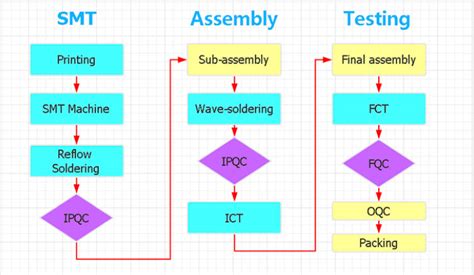
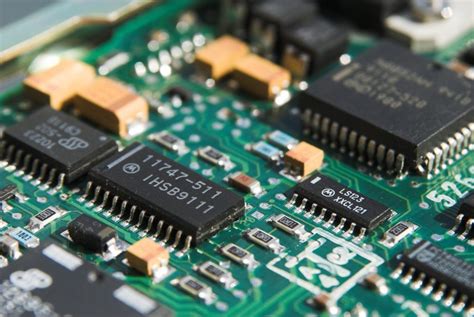
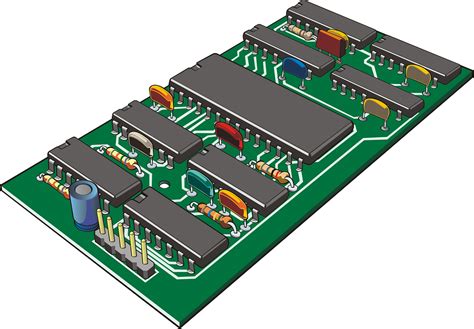
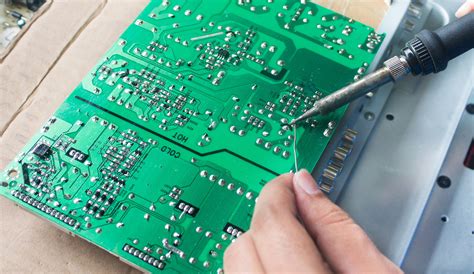
Assembled Printed Circuit Boards (PCBs) are at the heart of modern electronic devices, serving as the critical framework that connects and integrates electronic components. The process of pcb assembly involves several intricate steps, including the placement of components, soldering, and testing. This process has evolved significantly over the years, driven by technological advancements and an increasing demand for efficiency and precision in production.
PCBA, or Printed Circuit Board Assembly, has transformed into a highly specialized field where automation plays a crucial role. Modern assembly techniques leverage robotics and machine learning to enhance accuracy and reduce production time. This evolution is essential for maintaining competitive edge in an ever-growing market that demands not only high-quality outputs but also rapid turnaround times.
To understand the depth of pcb assembly, it is vital to recognize the various components involved—from surface mount technology (SMT) to through-hole techniques—each offering unique advantages suited for different applications. The integration of cutting-edge technologies such as artificial intelligence and IoT into the assembly line has opened new doors for efficiency improvements, allowing manufacturers to optimize workflows and ensure consistent quality control.
The significance of adhering to best practices in pcba cannot be overstated; implementing stringent quality control measures is paramount in mitigating issues such as defects or component failures that can arise during assembly. By staying informed about emerging trends and innovations shaping this field, industry professionals can adapt their strategies and methods effectively.
| Component Type | Description | Application |
|---|---|---|
| Surface Mount Device | Components mounted directly onto surface | Compact consumer electronics |
| Through-Hole Device | Components inserted into holes on PCB | High durability applications |
| Integrated Circuits | Miniaturized assemblies featuring multiple functions | Complex devices |
In summary, the realm of assembled printed circuit boards is one characterized by continual growth and development. Understanding these elements is crucial for those looking to master the art of pcb assembly and harness innovations that pave the way for sustainable advancements in PCB technology.
Innovations in PCB Assembly Techniques
The landscape of pcb assembly is undergoing remarkable transformations driven by technological advancements and innovative methodologies. One key innovation in this field is the introduction of automated assembly processes, which significantly enhance speed and accuracy. These systems utilize robotics and machine vision to ensure that components are placed correctly on printed circuit boards (PCBs), reducing human error and boosting efficiency. Furthermore, the advent of Surface Mount Technology (SMT) has streamlined the assembly process by enabling a higher density of components on smaller boards, a crucial factor in today’s compact electronic devices.
In addition to automation, pcba practices are now incorporating additive manufacturing techniques. These methods allow for rapid prototyping and customization, enabling engineers to iterate designs quickly and adapt to changing requirements with ease. Another noteworthy trend is the integration of smart technologies, such as Internet of Things (IoT) solutions within the assembly process, facilitating real-time monitoring and optimization.
The importance of quality control cannot be overstated. Innovations such as Digital Twin technology enable manufacturers to simulate processes virtually, identifying potential issues before they arise on the production floor. This proactive approach ensures that each step in pcb assembly adheres to stringent quality standards while minimizing waste.
Finally, advancements in materials science have led to the development of more robust materials that enhance the durability and performance of assembled PCBs. As these innovations continue to unfold, professionals in the field must stay informed about best practices and emerging trends, ensuring they can harness these techniques effectively for superior results in their operations.
Enhancing Efficiency and Precision in Production
In the fast-evolving landscape of pcb assembly, the pursuit of efficiency and precision is more crucial than ever. Implementing advanced technologies such as automation and robotics can significantly enhance the assembly process, thereby reducing production time and minimizing human error. With innovative techniques like surface mount technology (SMT) and through-hole technology, manufacturers can produce more reliable PCBA products that meet stringent quality standards. Additionally, the integration of smart manufacturing principles allows for real-time monitoring, enabling companies to promptly identify and rectify any inconsistencies during production. This not only boosts overall output but also ensures that each assembled printed circuit board adheres to excellent performance levels. Emphasizing continuous improvement strategies, companies can adopt best practices in workflow optimization. This includes refining assembly line layouts, utilizing digital tools for process simulation, and fostering a culture of collaboration among teams. As the industry shifts toward more sophisticated techniques, understanding how to harness these advancements will ultimately define success in pcb assembly, elevating both efficiency and precision to new heights.
Best Practices for Quality Control in PCB Manufacturing
Quality control is a fundamental aspect of pcb assembly that directly impacts the reliability and performance of electronic devices. One of the best practices in pcba production is the implementation of rigorous inspection processes at various stages of manufacturing. Utilizing automated optical inspection (AOI) systems can significantly enhance defect detection rates, allowing for the early identification of discrepancies in solder joints and component placements. In addition, it is essential to establish comprehensive testing procedures, such as functional testing and in-circuit testing, to ensure that each assembled circuit board meets the specific functional requirements before it reaches deployment.
Adopting statistical process control (SPC) techniques also helps in monitoring production variables, thereby ensuring consistent quality over time. Training personnel intensively on quality standards is another pivotal step; well-informed workers are more likely to recognize potential issues before they escalate into larger problems. Furthermore, maintaining a quality management system that adheres to international standards, such as ISO 9001, demonstrates a commitment to continual improvement and customer satisfaction in pcb assembly processes. Emphasizing the importance of documentation throughout production phases can create a transparent atmosphere where issues are logged, analyzed and resolved effectively. All these practices together form a robust framework for maintaining high standards in pcba, ultimately leading to increased yield rates and customer trust in the products being delivered.
The Role of Advanced Materials in PCB Design
The selection of materials is crucial in pcb assembly, impacting the overall functionality, performance, and durability of the final product. Advanced materials, such as high-frequency laminates, low-loss dielectrics, and flexible substrates, have significantly transformed the landscape of PCB design. These materials not only provide improved electrical performance but also allow for lighter and thinner designs, catering to the demands of modern electronics where space is limited. Utilizing state-of-the-art pcba materials can lead to better thermal management, enabling devices to operate effectively under various conditions.
“Incorporating advanced materials into design not only enhances performance but also greatly extends the lifecycle of electronic products.”
As manufacturers increasingly turn to these innovative materials, understanding their properties becomes essential. For instance, materials with enhanced thermal conductivity can dissipate heat more efficiently, thereby enhancing the reliability of the assembled printed circuit boards under high-performance scenarios. Furthermore, advancements in eco-friendly materials are paving the way for sustainable practices within PCB production. This alignment with environmental considerations could soon become a standard expectation in the industry.
Moreover, integrating new metallic and non-metallic compounds into pcb assembly processes enables designers to push boundaries in creating smaller form factors without compromising performance or reliability. As we move forward, keeping abreast of developments in advanced materials will empower industry professionals to leverage cutting-edge solutions effectively and foster innovation within their designs. By adopting a strategic approach towards material selection, businesses can position themselves advantageously in a highly competitive market landscape while meeting evolving consumer expectations.
Trends Shaping the Future of Printed Circuit Board Assembly
The landscape of pcb assembly is undergoing significant transformation, driven by a variety of technological advancements and market demands. The incorporation of automation and robotics in pcba processes is enhancing both efficiency and precision. These innovations are not only streamlining manufacturing workflows but also reducing the likelihood of human error, thereby improving overall product quality. Furthermore, the integration of smart technologies enables real-time monitoring and data analysis, fostering more informed decision-making throughout the assembly process.
As consumer electronics continue to miniaturize, the trend towards more complex printed circuit boards is evident. This complexity necessitates advanced design techniques and the use of innovative materials that can sustain higher performance levels while maintaining reliability. Advancements in materials science, such as flexible substrates and high-density interconnects, are paving the way for new applications and functionalities within the industry.
Additionally, sustainability is becoming a focal point within pcb assembly practices. Manufacturing processes are increasingly adhering to environmentally friendly standards, pushing organizations to adopt greener materials and waste reduction measures. This growing awareness not only meets regulatory requirements but also aligns with consumer preferences for sustainable products.
In conclusion, keeping abreast of these trends in pcba will be crucial for professionals seeking to navigate an ever-changing marketplace. Embracing automation, leveraging innovative materials, and prioritizing sustainability are vital strategies that will shape the future landscape of assembled printed circuit boards.
Case Studies: Successful Implementations of PCB Innovations
Recent case studies highlight the transformative power of advancements in PCB assembly techniques, showcasing how companies are leveraging innovative approaches to streamline their production processes. For instance, a leading tech firm adopted cutting-edge automation in its PCBA lines, resulting in a substantial reduction in assembly time and improved accuracy. This shift not only minimized human error but also fostered a significant increase in output, enabling the company to meet rising consumer demand. Another notable example comes from a manufacturer that incorporated advanced materials into its pcb assembly processes. By using high-frequency laminate and flexible substrates, they achieved enhanced signal integrity and performance reliability for their electronic devices. These case studies confirm the critical role of innovation in shaping efficient pcba methodologies and underscore the necessity for organizations to continually adapt and refine their practices to stay competitive in the ever-evolving electronics market. This exploration of real-world applications emphasizes that success is not just about the technology itself but also about integrating these advancements thoughtfully into existing systems, ultimately leading to superior product quality and customer satisfaction.
Conclusion: The Future Landscape of Assembled Printed Circuit Boards
The future of pcb assembly is poised for significant transformation, driven by continuous advancements in technology and materials. As the demand for smaller, more efficient devices grows, innovative techniques such as automated assembly processes and additive manufacturing have emerged as central elements in the evolution of pcba. These innovations promise not only to streamline production but also to enhance the overall accuracy and reliability of assembled printed circuit boards. The ongoing integration of artificial intelligence and machine learning in quality control measures stands to further improve efficiency by allowing for real-time monitoring and adjustments during the pcb assembly process. Additionally, the exploration of new advanced materials is blending sustainability with performance—enabling manufacturers to create lightweight yet durable pcba solutions that meet modern performance demands. As we look forward, it is clear that staying informed about these rapidly changing trends is essential for professionals aiming to maintain competitive advantages in the ever-evolving landscape of assembled printed circuit boards. The convergence of technology and design will undoubtedly shape a future where pcb assembly not only keeps pace but also leads in innovation within the electronics industry.
Conclusion
As we look ahead in the realm of pcb assembly, it is evident that the convergence of technological advancements and innovative practices will define the future landscape of PCBA. The industry is experiencing a transformative phase characterized by automation and smart manufacturing, which are enhancing the speed and accuracy of production processes. The incorporation of advanced materials not only improves durability but also offers new design possibilities that were previously unattainable. Moreover, trends such as miniaturization and increased complexity in electronic devices demand that manufacturers adopt best practices in quality control to ensure reliability and performance. It is crucial for professionals in the field to remain adaptable and open to these changes, as they navigate the competitive market influenced by these innovations. Ultimately, a thorough understanding of current developments will empower manufacturers to contribute meaningfully to the evolution of assembled printed circuit boards, securing their position at the forefront of technology-driven industries.
FAQs
Understanding pcb assembly can be quite challenging, especially with the rapid advancements in technology and methods. One common question is: What does the pcba process entail? Simply put, it involves taking the various components and integrating them onto a printed circuit board to create a functioning unit. This process includes several stages, such as assembling components, soldering, and testing to ensure functionality.
Another frequently asked question pertains to quality assurance in pcb assembly. Quality control is critical in this industry due to the potential consequences of defects in electronic products. Implementing robust testing procedures during assembly helps identify issues early, ensuring that any faults are addressed before they escalate.
Additionally, many professionals inquire about the latest trends influencing printed circuit board assembly. Some notable trends include the adoption of advanced automation technologies that enhance efficiency and reduce human error. Innovations like these not only streamline production but also allow companies to stay competitive in a rapidly evolving market.
For those looking to deepen their understanding of pcba processes or explore new technologies, further resources are invaluable. Engaging with industry experts and accessing up-to-date information is essential for fostering growth and innovation within this field. Are you ready to enhance your knowledge?