Mastering the Art of Assembling and Testing Electronic Components on a Compact PCB
Key Takeaways
The journey into PCB assembly and testing begins with a firm grasp of the foundational concepts that govern this intricate process. Understanding the significance of both theoretical knowledge and practical skills can vastly improve your approach to assembling and testing electronic components on a compact PCB. One of the primary takeaways is the importance of selecting the right tools for effective PCBA. Each tool serves a specific purpose, influencing not just the efficiency but also the accuracy of your assembly efforts.
Moreover, a deep dive into circuit designs is essential, as it equips you with the ability to read and understand schematics, laying the groundwork for successful assembly. As you progress to assembling electronic components, it becomes imperative to follow a logical and detailed step-by-step guide that champions precision at every stage. The assurance of quality and functionality hinges on employing effective testing techniques, which are just as crucial as assembly skills.
In addition, being alert to common pitfalls will aid in troubleshooting any issues that may arise during the PCBA process. Emphasizing best practices not only fortifies your skill set but also enhances your confidence as you engage in this meticulous craft of electronic component handling. Finally, keeping an eye on future trends will ensure that you remain at the forefront of innovations in both PCB design and testing methodologies, making your work not just relevant but cutting-edge.
Introduction to PCB Assembly and Testing
Printed Circuit Board (PCB) assembly is a vital process that converts electronic designs into tangible, functional devices. Understanding the basics of pcb assembly is crucial for anyone venturing into the field of electronics, whether as a hobbyist or a professional. The foundation of pcba lies in not only constructing but also rigorously testing these assemblies to ensure reliability and performance.
Assembling electronic components on a small PCB requires a meticulous approach. The first step is to familiarize oneself with circuit designs, which serve as blueprints for the layout and functionality of the board. It’s essential to grasp how each component interacts within the circuit, as this knowledge directly impacts the effectiveness of your assembly efforts.
When diving into pcb assembly, utilizing the proper tools cannot be overstated. Below is a table outlining essential tools that can enhance your assembly tasks:
| Tool | Purpose |
|---|---|
| Soldering Iron | For joining components with solder |
| Tweezers | For precise placement of small components |
| Multimeter | For testing connectivity and electric characteristics |
| PCB Holder | To stabilize the board during soldering |
| Microscope | For inspecting solder joints and component alignment |
“Precision in soldering and an understanding of component behavior can significantly reduce troubleshooting time later on.”
Moreover, each stage of pcba calls for attention to detail—ensuring that components are correctly oriented, and solder joints are free from defects can save time during subsequent testing processes. The integration of these practices not only bolsters assembly quality but also lays a solid foundation for rigorous testing methodologies designed to guarantee that the end product meets specified requirements.
In summary, mastering pcb assembly and testing methodologies equips enthusiasts and professionals alike with an invaluable skill set that enhances both efficiency and product reliability in electronic design.
Essential Tools for Effective PCB Manipulation
To master PCB assembly and streamline the process of assembling and testing electronic components, having the right tools at hand is crucial. The first essential item is a good quality soldering iron, as it allows for precise application of heat when attaching components to the PCB. Alongside this, solder wire should be selected carefully, with a preference for lead-free options that meet industry standards for safety. A reliable set of tweezers is also indispensable; they enable the handling of small components with accuracy and ease, minimizing the risk of damage during the assembly phase. Furthermore, investing in a multimeter helps in verifying connections and ensuring that each component operates correctly before proceeding to testing. For those engaged in intricate designs, a hot air rework station can facilitate component removal and replacement, essential in maintaining high-quality standards throughout the PCBA process. Finally, incorporating magnification tools, such as magnifying glasses or digital microscopes, assists in achieving a detailed view of work areas—allowing for closer inspection of solder joints and component placement—thus ensuring precision in every step of PCB assembly.
Understanding Circuit Designs: A Key to Success
In the realm of PCB assembly and testing, having a solid grasp of circuit designs is pivotal. A circuit design is essentially the blueprint that guides the PCBA process, laying out how electronic components interact with one another. Understanding these designs enables hobbyists and professionals alike to navigate complex layouts with ease, ensuring that each connection is made correctly and efficiently. Familiarity with schematic symbols and design rules is critical, as it allows for better communication between designers and assemblers. Moreover, recognizing the significance of power distribution, signal integrity, and component placement within a circuit aids in preventing potential issues during the assembly stage. As you delve deeper into PCB assembly, consider employing simulation software to visualize circuit behavior before moving onto physical assembly. This thorough understanding not only streamlines the process but also enhances overall product quality, making it an essential skill for anyone looking to excel in electronic component handling.
Step-by-Step Guide to Assembling Electronic Components
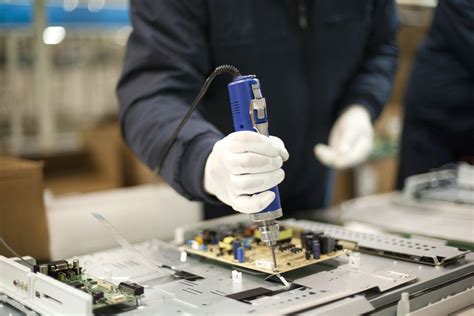
The process of pcb assembly is both an art and a science, requiring a careful approach and a methodical mindset. Start by gathering all necessary components, which may include resistors, capacitors, and integrated circuits. This initial stage is crucial—ensuring you have the correct specifications is essential for a successful assembly. Prepare your pcba by securing it to a stable surface, which will help in performing precise soldering actions. Next, utilize tools such as soldering irons, tweezers, and anti-static wrist straps to mitigate risks of static discharge that could damage sensitive parts.
The first step in actual assembly involves placing components on the PCB according to the schematic diagram. It’s vital to follow the design layout meticulously while ensuring polarities are observed where applicable. Once all components are positioned correctly, heat your soldering iron and begin soldering the leads of each component to their respective pads on the PCB, using just enough heat to form solid connections without overheating the components or the substrate.
Remember to perform quality checks as you proceed; visually inspect each joint for robust connections and consistent solder flow. Once all electronic components are assembled onto your compact pcb, allow everything to cool before moving on to testing phases. This structured approach emphasizes precision, attention to detail, and methodical progress—hallmarks of successful PCB assembly that will ultimately lead you toward functional prototypes ready for thorough testing and validation.
Testing Techniques: Ensuring Quality and Functionality
In the realm of pcb assembly and pcba, effective testing techniques are crucial to ensure both quality and functionality of the final product. After completing the assembly of electronic components on a compact PCB, it is essential to conduct thorough testing to identify potential issues that could affect performance. This involves various methodologies, including visual inspection, where one carefully examines solder joints and component placements to verify their integrity. Additionally, functional testing is conducted to check if the electronic components operate as intended within the circuit design. Employing automated test equipment can streamline this process, allowing for systematic checks against predefined benchmarks. Moreover, using tools like oscilloscopes and multimeters provides real-time insight into performance characteristics, facilitating early detection of faults. By employing these testing techniques, one can not only ensure a high-quality end product but also gain confidence in the reliability and durability of their assembly. Ultimately, meticulous attention to testing during the pcb assembly process enhances overall operational success in any electronic project.
Troubleshooting Common PCB Assembly Issues
Troubleshooting issues during PCB assembly—or PCBA—is a critical aspect of ensuring the success of an electronic project. One common problem encountered is misalignment of components during soldering, which can lead to connectivity issues. To address this, it’s essential to verify the correct placement of each component before applying solder. Implementing a thorough inspection process can significantly reduce errors. Another prevalent issue is the occurrence of solder bridges, where solder inadvertently connects two or more pins. This can often be resolved by using the right soldering techniques and tools, such as a fine-tipped soldering iron and appropriate flux. It’s also advisable to practice heat control, as excessive heat can damage components and lead to failure. Moreover, ensuring that the PCB design incorporates proper layout techniques can minimize these problems in the first place. Finally, if there are functional failures post-assembly, conducting a continuity test is vital in diagnosing potential short circuits or open connections on your PCBA. By understanding and employing these troubleshooting strategies, you will enhance your skills and achieve more reliable connections within your assembled boards, ultimately leading to higher quality in your finished products.
Best Practices for Achieving Precision in Assembly
Achieving precision in PCB assembly is crucial for ensuring the functionality and reliability of any electronic device. One of the best practices is to maintain a clean work environment, as dust or debris can interfere with component placement or solder connections. Utilizing quality components and adhering to their specifications can significantly enhance the performance of your PCBA. It is equally important to employ the right tools, such as precision tweezers and soldering stations, which provide better control and accuracy during assembly. Prioritize organizing components by function or type; this not only streamlines the assembly process but also reduces the risk of errors. Furthermore, conducting thorough inspections after each stage of assembly helps catch any potential issues early on, preventing costly mistakes down the line. Calibration of equipment prior to starting any project is another key aspect that ensures every measurement taken during assembly aligns perfectly with design specifications. By implementing these strategies in your PCB assembly process, you can ensure not only a high level of precision but also contribute to more successful product development outcomes.
Future Trends in PCB Design and Testing
As technology continues to advance at a rapid pace, the field of PCB assembly and testing is experiencing significant transformations. One of the most prominent trends is the increasing adoption of automated processes in both design and pcba. Automation not only enhances efficiency but also reduces the potential for human error, which is critical in achieving high-quality pcb assembly results. Furthermore, the integration of intelligent software solutions enables engineers to simulate board performance even before physical assembly, providing a clearer picture of functionality during the early design phase.
Another trend gaining traction is the miniaturization of components. As devices become smaller and more complex, there is a push for increasingly compact pcba designs that can accommodate these demands without sacrificing performance. Companies are now exploring innovative materials that enhance conductivity while reducing weight and size. Alongside this, there is a growing emphasis on sustainability; manufacturers are developing eco-friendly materials for pcb assembly that minimize environmental impact throughout their lifecycle.
Moreover, advancements in testing technologies allow for more thorough evaluations of assembled PCBs. Techniques such as Automated Optical Inspection (AOI) and X-ray inspection offer precise methods to detect faults in real-time, ensuring that the final product meets stringent standards for performance and reliability. As these trends continue to evolve, they pave the way for engineers and hobbyists alike to embrace a future where precision, efficiency, and sustainability are at the forefront of PCB development efforts.
Conclusion
In conclusion, the journey of mastering pcb assembly and testing is both rewarding and intricate. As we’ve explored throughout this article, every aspect of pcba—from understanding the fundamentals of circuit design to the careful selection of tools—plays a crucial role in achieving success. The precision required in every step, especially during the assembly of electronic components, cannot be overstated; a minor oversight can lead to significant functional issues down the line. Moreover, implementing effective testing techniques ensures that each assembled PCB meets stringent quality standards, which is essential for building reliable prototypes. By consistently honing these skills and adapting to emerging trends in technology, enthusiasts and professionals can excel in their endeavors within the world of electronic assembly. Thus, whether you’re a novice or an experienced practitioner, embracing these practices will aid in refining your expertise and maximizing your effectiveness in creating top-notch electronic devices.
FAQs
When embarking on the journey of pcb assembly and testing, it’s common to have questions. This section addresses some of the most frequently asked questions to help clarify the process for beginners and seasoned enthusiasts alike.
One common question is about the components needed to start with pcba. Understanding what tools are essential can significantly improve your efficiency. Basic items such as soldering irons, tweezers, and multimeters should be on every builder’s checklist. Additionally, understanding the different types of solder can impact both assembly time and final product quality.
Another frequent inquiry revolves around selecting the right pcb assembly technique. Depending on your project’s scale, you may choose between manual assembly for small runs and automated processes for larger productions. Each approach requires different skills and tools; thus, knowing your specific needs is crucial.
A significant aspect that many find confusing is how to effectively test the assembled PCB units. Various methods exist—like continuity testing and functional testing—which ensure that each connection operates as intended. Understanding these techniques will help ensure that your final product is both reliable and meets quality standards.
If you’re looking to dive deeper into pcb assembly techniques and tips, remember that each project is a learning opportunity. Feel free to reach out with additional questions as you progress on your journey in electronic assembly.