Mastering the Art of PCB Assembly: A Step-by-Step Guide
Key Takeaways
In the realm of PCB assembly, understanding the fundamental principles can significantly enhance the efficiency and effectiveness of your work. The process begins with a conceptual design that is meticulously translated into a Printed Circuit Board (PCB) layout. This layout serves as the blueprint for your pcba process, where components are strategically placed and soldered to ensure optimal functionality. One of the primary advantages of mastering PCB assembly techniques is the reduction in manufacturing costs, as well-implemented practices minimize wasted materials and time.
Furthermore, employing essential tools such as soldering irons, pick-and-place machines, and inspection scopes is crucial for a seamless assembly process. Each tool plays a pivotal role in ensuring that connections are secure and that the final product meets quality standards. Utilizing common techniques like surface mount technology (SMT) allows for compact designs, while through-hole placement provides durability, catering to different project needs.
As you delve deeper into this specialized field, remember that continual learning about emerging trends and innovations related to pcba can provide a competitive edge in this rapidly evolving industry. Adapting these best practices alongside innovative methods not only leads to higher quality output but also better prepares you for future challenges in electronics manufacturing. Engaging with communities such as forums or trade shows can also facilitate knowledge sharing, further solidifying your expertise in PCB assembly.
Introduction to PCB Assembly: Understanding the Basics
The journey into PCB assembly begins with a solid understanding of its fundamental concepts. PCB Assembly is the process of connecting electronic components to a printed circuit board (PCB), creating the backbone of nearly all modern electronic devices. To excel in this field, one must comprehend the various types of PCBs, including single-sided and double-sided boards, as well as multi-layer options. Each type presents unique challenges and advantages that can significantly influence the efficiency of the PCBA process.
The term “PCBA” refers to a printed circuit board assembly, signifying not just the physical board but also the components attached to it. A well-assembled PCB ensures that electronic signals are conducted properly, which is crucial for device functionality. Understanding component placement, soldering techniques, and circuit design is paramount in mastering this art.
“The key to successful PCB assembly lies in meticulous planning and execution.”
Familiarity with various mounting techniques—such as through-hole and surface mount—can greatly improve one’s ability to produce reliable assemblies. Furthermore, knowing how to read schematics and utilize CAD software aids in designing layouts that optimize space while minimizing potential errors.
As you embark on your journey in pcb assembly, remember that mastery comes through practice and a willingness to learn from both successes and setbacks. By applying best practices from the start, you set yourself on a path toward proficiency in this vital aspect of electronics manufacturing.
Essential Tools and Equipment for PCB Assembly
To successfully navigate the world of pcb assembly, having the right tools and equipment is crucial. A well-equipped workspace can significantly enhance your efficiency and the quality of your PCBA (Printed Circuit Board Assembly) projects. Below is a concise table highlighting fundamental tools essential for any PCB assembly endeavor:
| Tool/Equipment | Description |
|---|---|
| Soldering Iron | A vital tool for joining components to the PCB through heating and melting solder. It’s essential to choose a soldering iron with adjustable temperature settings for different workpieces. |
| Soldering Station | Provides a more stable and controlled environment for soldering, helping prevent damage to components due to overheating. This station often comes with additional features like a desoldering pump. |
| PCB Holder/Clamp | Keeps the PCB secure during assembly, allowing both hands free for precision work and reducing the risk of damaging the board or components. |
| Tweezers | Used for placing small components accurately on the PCB, ensuring they are positioned correctly before soldering. Fine-tipped tweezers are particularly useful in this regard. |
| Multimeter | An indispensable tool for testing electrical connections on your finished boards, ensuring functionality and identifying any potential issues early in the process. |
| Hot Air Rework Station | Ideal for SMD (Surface-Mount Device) soldering/de-soldering, allowing precise control over heated air flow to prevent damage while working with sensitive components. |
In addition to these basic tools, other supportive equipment such as anti-static mats, magnifying lenses or microscopes, and flux pens are also important when performing pcb assembly tasks. These tools enable precision work while ensuring that each component is assembled safely and effectively.
Remember that choosing high-quality tools can have a significant impact on your overall productivity in pcba processes; therefore, investing in reliable equipment will pay off in terms of both time saved and quality produced during your assemblies.
Step-by-Step Guide to Assembling PCBs
Assembling PCBs involves a series of systematic steps that require precision and attention to detail. The process begins with the preparation of the printed circuit board and components. First, ensure you have a clean workspace and the necessary tools such as soldering irons, solder paste, and tweezers. Next, begin by applying solder paste to the designated areas on the PCB, which typically requires a stencil for accuracy. Once the paste is applied, place the components onto the board with care; this is where an understanding of pcba layout becomes crucial.
After placement, reflow soldering is often employed, where you heat the board in an oven or with a hot air tool to melt the solder paste and create permanent connections. It’s essential to monitor temperature settings to avoid damaging sensitive components during this phase. Once cooled, a thorough inspection should be conducted; this includes checking for proper alignment of components as well as solder joint quality—issues here could compromise the overall functionality of your PCB assembly.
Furthermore, incorporating automated inspection systems can greatly enhance quality control in your assembly process. By following these steps diligently and ensuring that all is aligned correctly from start to finish, you can streamline your pcba process and achieve successful results in your PCB assembly endeavors.
Common Techniques for Efficient PCB Assembly
Efficient PCB assembly is crucial for ensuring the success of any electronics project. Various techniques can enhance the process and lead to superior results. One common approach is using automated assembly equipment, which can significantly speed up production while reducing human error. The adoption of surface mount technology (SMT) allows components to be mounted directly onto the surface of the PCB, which not only saves space but also improves performance by minimizing the signal path length. Another effective method is the implementation of selective soldering, which targets specific areas on the board, thus optimizing solder usage and improving thermal profile management.
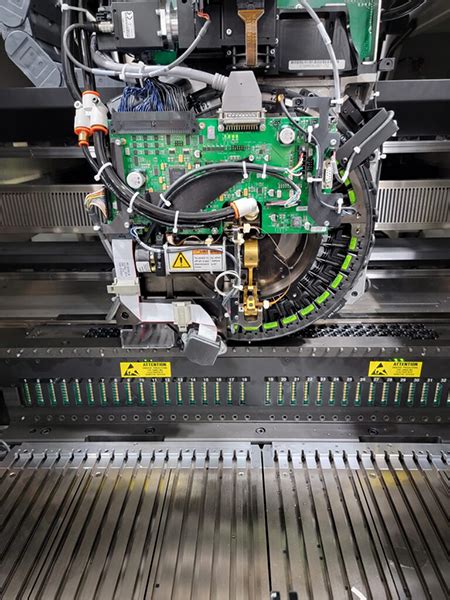
Additionally, implementing a thorough design for manufacturability (DFM) strategy during the PCBA design phase ensures that components are placed optimally for assembly. Utilizing a pick-and-place machine can also enhance accuracy in component placement, further contributing to overall efficiency in PCB assembly. Moreover, proper handling and storage of PCB materials can prevent damage and maintain integrity throughout the assembly process. By employing these techniques, one can master the art of PCBA, leading to high-quality results that meet industry standards and client expectations.
Troubleshooting Common PCB Assembly Issues
When engaging in PCB assembly, encountering issues is not uncommon, but knowing how to effectively troubleshoot them can make a significant difference in achieving success. Common issues in PCBA processes may arise from misalignment, solder bridging, or insufficient solder volume. Misalignment often occurs during the placement stage, which can result in poor connections and functionality. To address this, ensure that the pick-and-place machine is calibrated correctly and that the components are properly aligned with the printed circuit board layout.
Solder bridging, on the other hand, happens when excess solder creates unintended connections between circuit pads. This can often be mitigated by adjusting solder paste application and using quality solder masks. Lastly, insufficient solder volume can lead to weak electrical connections; thus, it is essential to perform a thorough inspection of the solder paste application process.
Regularly conducting a visual inspection during assembly can help catch these issues early, allowing for timely corrections. Additionally, employing automated optical inspection (AOI) systems enhances the accuracy of detecting defects that are otherwise difficult to spot manually. By integrating these techniques into your PCB assembly process, you not only resolve common issues but also enhance the overall quality and reliability of your assembled PCBA iterations.
Best Practices for Quality Control in PCB Assembly
Ensuring top-notch quality in PCB assembly is paramount for delivering reliable and functional products. One of the essential practices involves implementing stringent testing protocols throughout the PCBA process. This begins with thorough inspections of raw materials and components to verify their integrity before they enter assembly. Utilizing automated optical inspection (AOI) systems can enhance the efficiency of checking for alignment and placement errors on the circuit boards, effectively reducing human error and improving accuracy.
Another critical aspect is maintaining a clean and controlled environment during assembly. Dust, moisture, and static can adversely affect component performance, leading to defects in the final product. By employing tools such as ionizers or ESD (electrostatic discharge) protective gear, teams can significantly mitigate these risks.
Moreover, adopting a continuous feedback loop within the assembly line encourages open communication among team members to report any issues immediately. This collaborative approach not only boosts morale but also fosters a culture of accountability that is vital for maintaining quality standards.
Furthermore, running periodic audits and process evaluations ensures that all practices align with industry standards while also identifying opportunities for improvement. In this way, organizations can ensure an efficient workflow while consistently delivering high-quality PCB assemblies that meet or exceed customer expectations. By adhering to these best practices, businesses will not only achieve producing superior PCBA but also enhance their reputation in a competitive marketplace.
The Future of PCB Assembly: Trends and Innovations
The landscape of PCB assembly (or PCBA) is rapidly evolving, influenced by technological advancements and changing industry demands. One of the most significant trends is the increasing automation of the assembly process. Automation not only enhances efficiency, reducing the time required to produce complex circuit boards, but also improves accuracy, minimizing human error. Alongside automation, there is a growing emphasis on smart manufacturing practices that incorporate data analytics and machine learning to optimize production workflows. This shift allows manufacturers to anticipate potential issues and streamline operations.
Moreover, the demand for PCB assembly solutions that cater to smaller batch sizes is on the rise. As industries like aerospace, automotive, and consumer electronics push for more customized products, manufacturers are adapting their practices to offer flexible solutions that meet these specific needs. Innovations such as 3D printing are also making waves, enabling rapid prototyping and creating more intricate designs that were previously difficult or impossible to achieve.
Sustainability continues to be a crucial factor in the future of PCBA. With an increasing focus on eco-friendly materials and processes, companies are exploring ways to reduce waste and energy consumption during production. This trend not only addresses environmental concerns but also aligns with consumer expectations for responsible manufacturing practices.
Finally, advancements in IoT (Internet of Things) technology are paving the way for more interconnected devices, ensuring that PCB assembly processes are adaptable to a rapidly changing technological landscape. By leveraging these innovations, manufacturers can enhance product functionality while meeting stringent quality standards in today’s competitive market. As these trends continue to shape the industry, staying informed about emerging technologies and practices will be essential for those involved in PCB assembly.
Conclusion
In the realm of PCB assembly, understanding the nuances of both the process and the tools involved is paramount. By prioritizing the right techniques and equipment, anyone can enhance their skills in PCBA. The journey to mastering PCB assembly is filled with learning opportunities that go beyond just putting components together. Each aspect, from careful layout to meticulous soldering, contributes significantly to achieving a successful outcome. Emphasizing quality control throughout the assembly process not only ensures reliability but fosters innovation within the field. As trends shift towards automation and advanced technologies, familiarizing oneself with these developments can provide a competitive edge. Moreover, troubleshooting skills play an essential role in overcoming common obstacles that may arise, making persistence and adaptability key qualities in any successful assembler’s toolkit. Ultimately, mastering the art of PCBA not only benefits individual projects but also significantly enhances the overall quality of electronics produced in various industries.
FAQs
Q: What is the process of PCB assembly?
A: The PCB assembly process involves several critical steps, including component placement, soldering, and testing. Each of these steps is essential for ensuring the quality and functionality of the final product.
Q: What tools are necessary for PCBA?
A: To successfully carry out PCBA, you will need various tools such as soldering irons, solder paste applicators, pick-and-place machines, and inspection tools. These tools enable efficient assembly and quality control.
Q: How can I improve my PCB assembly skills?
A: Improving your skills in PCB assembly requires practice, understanding the fundamentals of electronics, and familiarizing yourself with the latest techniques in the industry. Participating in workshops or seeking online tutorials can be beneficial.
Q: What are common issues faced during PCBA?
A: Common issues during PCBA include misalignment of components, insufficient soldering, and contamination. Troubleshooting these problems involves careful inspection and adjustments to practices to ensure optimal results.
Q: Why is quality control important in PCB assembly?
A: Quality control is crucial as it helps identify defects early in the production process, reducing waste and ensuring that only high-quality PCBs reach the market. This ultimately protects your brand reputation.
Learn More About PCB Assembly
For more detailed insights into mastering PCB assembly, please click here.