Mastering the Art of Small PCB Component Assembly and Testing
Key Takeaways
When engaging in pcb assembly, there are a multitude of factors that contribute to ensuring a successful outcome. One of the most significant aspects is thorough preparation; having the right tools and components ready can drastically improve efficiency. During the assembly process, attention to detail is paramount—using precise techniques to place and solder electronic components on small PCBs can make all the difference in achieving a high-quality final product. Testing methods play an equally critical role in verifying that each circuit operates as intended, making it essential to implement best practices during both assembly and testing phases. It’s also vital to recognize common challenges, such as component misalignment or soldering defects, and have strategies ready to address these issues promptly. Ultimately, mastering these elements not only enhances the reliability of your pcba projects but also equips you with skills that can be applied to various electronic design endeavors in the future.
Introduction to Small PCB Component Assembly
As the demand for small PCB assemblies, or pcba, grows in various industries, mastering the techniques for effectively assembling and testing electronic components on these compact boards is essential for ensuring functionality and reliability. Small PCB projects often carry unique challenges due to limited space, requiring practitioners to develop a keen understanding of component placement and soldering techniques.
The assembly process typically begins with meticulous planning and design, considering factors such as the size and layout of each component. Proper arrangement not only maximizes space but also minimizes potential interference between components which can lead to performance issues.
When engaging in pcba, having the right tools is crucial. A well-equipped workstation may include:
| Tool/Equipment | Purpose |
|---|---|
| Soldering Iron | Used for attaching components to the PCB |
| Tweezers | Precise placement of tiny components |
| Multimeter | Testing for electrical continuity |
| Microscope | Inspecting solder joints |
| Hot Air Rework Station | Reflowing solder for repairing or modifying assemblies |
“A well-planned assembly process can save time and reduce errors, ensuring that your small PCB performs reliably.”
With these tools in hand, practitioners can efficiently move through each step of the assembly process, adhering closely to best practices that enhance both precision and effectiveness. Understanding how to effectively test assembled PCBs is equally important; techniques such as functional testing and visual inspection play vital roles in verifying that each device meets its performance specifications before deployment.
In summary, mastering small PCB assembly requires combining proper techniques with suitable tools while emphasizing meticulous testing methods that assure reliability in end products.
Tools and Equipment for Efficient Assembly
To achieve successful pcb assembly, having the right tools and equipment is essential. For starters, a quality soldering iron with adjustable temperature settings is crucial, as it allows for precise soldering of components onto the PCB without damaging sensitive parts. Additionally, specialized tools like tweezers and vacuum pick-up tools can aid in handling small components with care and accuracy. A reliable multimeter is also indispensable in this process; it allows for real-time measurements of voltage, current, and resistance, ensuring that the pcba connections are intact and functioning as intended.
Furthermore, using a magnifying glass or microscope can significantly enhance precision when placing components on a small PCB. Enhanced visibility ensures that no mistakes are made in the alignment of closely arranged components. Employing a well-organized workbench equipped with anti-static mats will protect your projects from static discharge, further contributing to the reliability of your assembly process. Finally, consider investing in component storage solutions to keep parts sorted and easily accessible; this not only improves efficiency during assembly but also minimizes the likelihood of errors by ensuring that components are correctly matched with their design specifications. By equipping yourself with these essential tools and following best practices, you can ensure efficient pcb assembly that yields high-quality results for your electronic projects.
Step-by-Step Guide to Assembling Electronic Components
Assembling electronic components on a small PCB requires meticulous attention to detail and a systematic approach. To begin, ensure that you have all necessary components laid out clearly. This includes resistors, capacitors, integrated circuits, and other essential parts required for your specific project. Starting with a clean workspace is crucial, as it minimizes the risk of errors during the PCB assembly process.
Next, check your schematic diagram carefully to identify the correct placement of each component. Once you have confirmed their placement, start soldering them onto the small PCB in a methodical manner, usually beginning with the lowest profile parts such as resistors or diodes before moving onto larger components. It’s advisable to use a fine-tipped soldering iron and quality solder to achieve precise connections.
After completing this phase, inspect each joint visually for defects such as cold solder joints, which can lead to poor connectivity in your final product. Following this inspection, you should consider using additional testing equipment to perform functionality tests on each section of your PCBA before proceeding further. This proactive approach ensures that if issues arise, they can be addressed early in the process.
Finally, take care when handling the assembled PCB, preventing any physical stress that could disrupt connections. Efficiently following these steps will not only enhance efficiency but also contribute to the overall reliability and performance of your assembled PCB projects. As you master these techniques in small PCB assembly, you will be well-equipped to tackle more complex electronics projects in the future.
Testing Methods for Small PCB Projects
When it comes to ensuring the reliability and performance of small PCB projects, testing methods play a crucial role. Effective testing can identify potential issues before they escalate, making it an integral part of the pcb assembly process. One widely used method is the functional test, which checks whether the assembled board performs its intended function under expected conditions. This can include verifying signal integrity, power consumption, and overall circuit functionality. Another important approach is the in-circuit test (ICT), which inspects individual components and their connections on the PCBA for proper placement and soldering integrity. Utilizing automated systems can enhance this process significantly, allowing for faster detection of faults compared to manual inspection.
Additionally, visual inspections should not be overlooked; they enable an operator to catch surface defects such as solder bridges or misaligned components before moving forward in the assembly line. Another effective method includes thermal imaging, which helps in identifying hot spots caused by faulty connections or components that could lead to failure during operation. Implementing a combination of these testing methods not only increases confidence in the assembled unit but also contributes to safer and more reliable electronics. Finally, adopting systematic documentation of test results ensures that any recurring issues are addressed promptly while providing valuable insights for future projects. Overall, employing a multifaceted approach to testing during pcb assembly will lead to enhanced performance and longevity of small PCB projects.
Common Challenges and Solutions in Component Assembly
As the demand for smaller and more efficient electronic devices increases, pcb assembly has become a critical area in electronics manufacturing. However, the assembly of components on a small Printed Circuit Board (PCB) comes with its unique set of challenges. One of the predominant issues faced during pcba is accurately placing tiny components without causing misalignment. This can be particularly problematic with surface-mounted devices (SMDs), where precision is essential. Employing tools such as a microscope or an X-Y positioning table can significantly aid in achieving accurate placements.
Additionally, soldering small parts often presents difficulties, including issues like cold solder joints or insufficient solder. To combat these problems, using high-quality soldering equipment and proper techniques ensures secure connections and enhances overall performance. It may also be beneficial to utilize a hot air rework station that provides better control over the heating process.
Another common challenge is managing thermal stress during assembly and testing stages, which can lead to component damage or PCB warping. Implementing temperature control measures—such as using specific solder profiles—can help minimize this issue.
Finally, ensuring reliability and consistency across assemblies can be challenging due to variations in component quality or environmental factors during assembly. Developing a comprehensive testing strategy, including automated optical inspection (AOI) or functional testing methods post-assembly, aids in identifying defects early on and enhances the reliability of the pcb assembly process.
Addressing these common challenges with effective solutions not only improves the quality of pcba but also contributes to successful project outcomes. By utilizing best practices in materials selection and careful workmanship, the overall efficiency of small PCB projects can be significantly enhanced.
Best Practices for Ensuring PCB Reliability
Ensuring the reliability of a PCB assembly is paramount for the success of any electronic project. One of the foremost practices is to meticulously select high-quality electronic components. Using reputable suppliers often guarantees that you receive components that meet performance and durability standards. In addition, it is essential to maintain a clean and controlled environment during the pcba process, where dust, moisture, and other contaminants can severely affect solder connections and overall performance. Implementing proper handling techniques further mitigates the risk of damage during assembly. Employing automated tools such as pick-and-place machines can enhance consistency and precision in component placement, ultimately improving reliability. It’s also beneficial to adhere to a structured testing protocol post-assembly. Engaging in both functional testing and stress testing ensures that every circuit behaves as expected under varying conditions. Furthermore, establishing a feedback loop where outcomes from tests inform future assembly practices will contribute to ongoing improvements in your PCB assembly methods. By integrating these best practices, you not only enhance the durability of your projects but also pave the way for successful implementation in real-world applications.
Case Studies: Successful Small PCB Projects
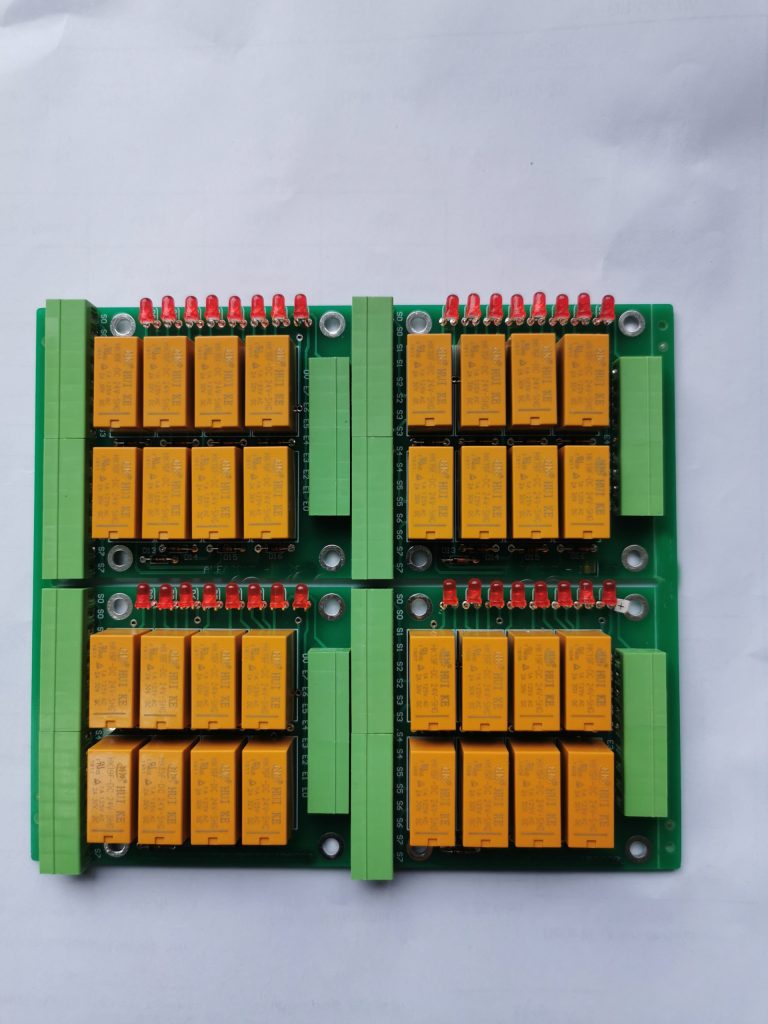
In the world of pcb assembly, real-world examples often provide invaluable insights into effective practices and outcomes. One notable case involved a start-up that needed to develop a compact wearable health monitor. The team utilized efficient pcba techniques to minimize space without compromising functionality. By employing advanced surface mount technology (SMT), they were able to fit a multitude of electronic components onto a single small PCB, ensuring the device remained lightweight and discreet for users.
In another instance, a robotics company focused on enhancing its control systems for drones. Their challenge was to assemble pcb layouts that could manage multiple inputs and outputs in a limited area. Through meticulous planning and iterative prototyping, they succeeded in creating a highly reliable pcba solution that boasted robust performance under various environmental conditions, thereby increasing the drone’s operational reliability.
These case studies illustrate the importance of strategic planning in pcb assembly projects. Successful outcomes often stem from thorough research and innovative approaches, demonstrating that even small PCB projects can lead to significant advancements when adequate attention is paid to assembly techniques and testing methods. By analyzing these successes, new innovators in the field can glean critical lessons about efficiency, reliability, and design optimization that are essential for future endeavors in pcba development.
Future Trends in PCB Assembly and Testing Techniques
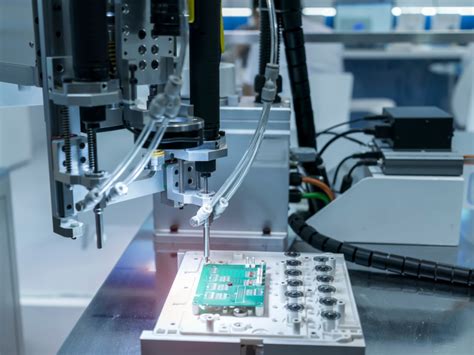
As the electronics industry continues to evolve, pcb assembly and testing methodologies are expected to undergo significant transformations. One of the most notable trends is the increasing automation in pcba processes, which aims to boost efficiency and accuracy. Automation technologies such as robotic arms and automated optical inspection (AOI) systems are becoming more prevalent, significantly reducing human error during assembly and testing. Additionally, the rise of Industry 4.0 has introduced concepts like the Internet of Things (IoT) into pcb assembly, allowing for real-time monitoring and data analysis throughout production lines.
Another area of development is in the miniaturization of components, which challenges traditional assembly methods. As electronic devices become smaller and more complex, innovative techniques like advanced pick-and-place machinery are being utilized to handle micro-components with high precision. Furthermore, as environmental concerns grow, there is a push toward sustainable materials and processes in pcb assembly. This includes adopting lead-free soldering techniques and biodegradable substrates, which not only reduce environmental impact but also comply with global regulations.
Quality assurance practices are also advancing, with more focus on predictive maintenance for testing equipment. By employing machine learning algorithms to analyze performance data from testing devices, manufacturers can proactively address potential issues before they affect production quality. In summary, the future of pcb assembly and testing techniques lies in automation, miniaturization, sustainability, and intelligent quality management systems—trends that will shape how electronic components are assembled and validated for reliability and efficiency across various industries.
Conclusion
In summary, mastering pcb assembly and testing techniques is crucial for anyone involved in electronics, particularly when working with small printed circuit boards (PCBs). By understanding the intricacies of assembling electronic components on a small PCB, one can significantly enhance the performance and reliability of their projects. The methods discussed throughout this article highlight the importance of utilizing the right tools and equipment to facilitate efficient pcba processes. Furthermore, employing best practices and addressing common challenges can greatly improve outcomes in any assembly project. As technology continues to evolve, staying informed about future trends in pcb assembly will be vital for both hobbyists and professionals alike. Embracing these techniques will not only foster innovation but also lead to the creation of truly dependable electronic devices tailored to meet modern demands.
FAQs
What is the importance of pcb assembly in electronic projects?
The pcb assembly process is crucial as it ensures the proper integration of electronic components, which directly affects the performance and reliability of the final product. A well-executed assembly can lead to reduced errors and increased durability for electronic devices.
What tools are essential for pcba?
Essential tools for pcba include soldering irons, tweezers, multimeters, and magnifying glasses. Each tool plays a vital role in ensuring that components are correctly placed and soldered on the PCB.
How can I improve my pcb assembly skills?
Improving your pcb assembly skills requires practice and knowledge. Start by following tutorials, engaging in hands-on projects, and studying best practices in electronic component placement and soldering techniques.
What are common challenges faced in pcba, and how can they be overcome?
Common challenges include improper solder joints, misaligned components, and insufficient inspection processes. Overcoming these challenges involves using precision tools, double-checking placements before soldering, and implementing rigorous testing methods.
What testing methods are recommended for small PCB projects?
For small PCB projects, recommended testing methods include visual inspections, electrical testing with multimeters or oscilloscopes, and functional testing under expected operational conditions to ensure functionality.